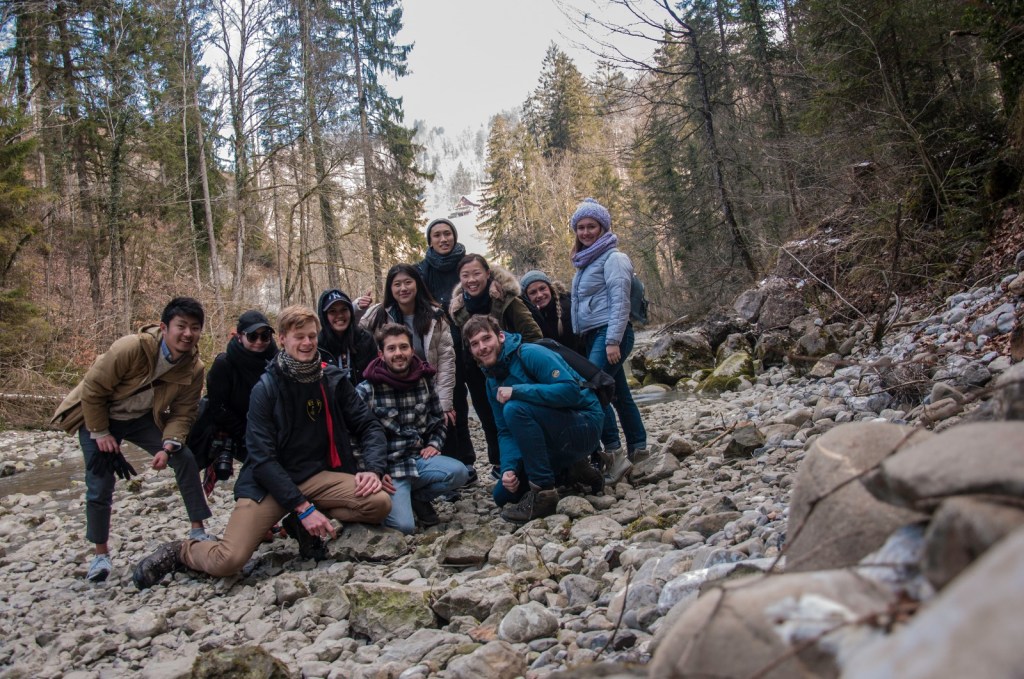
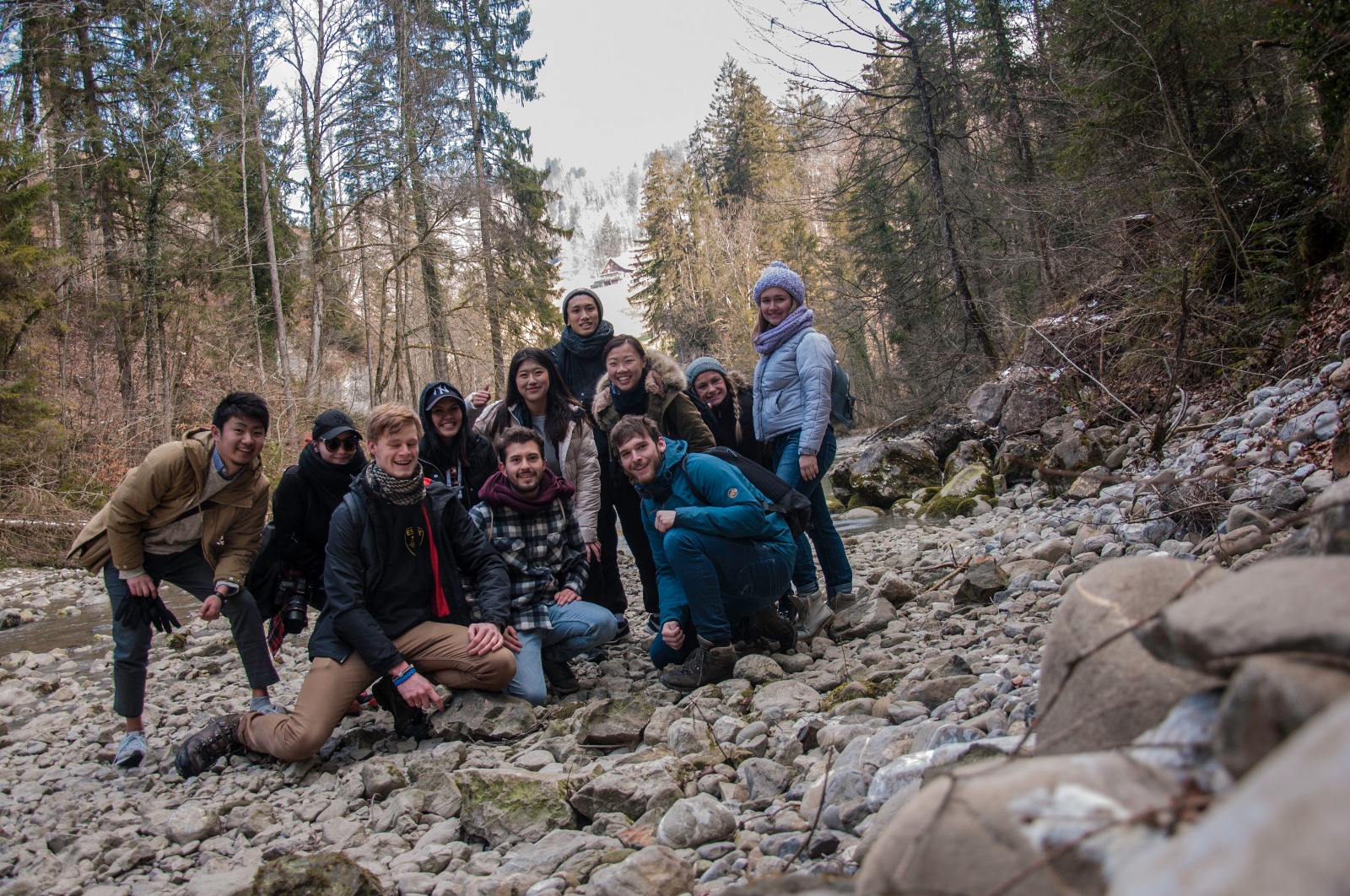
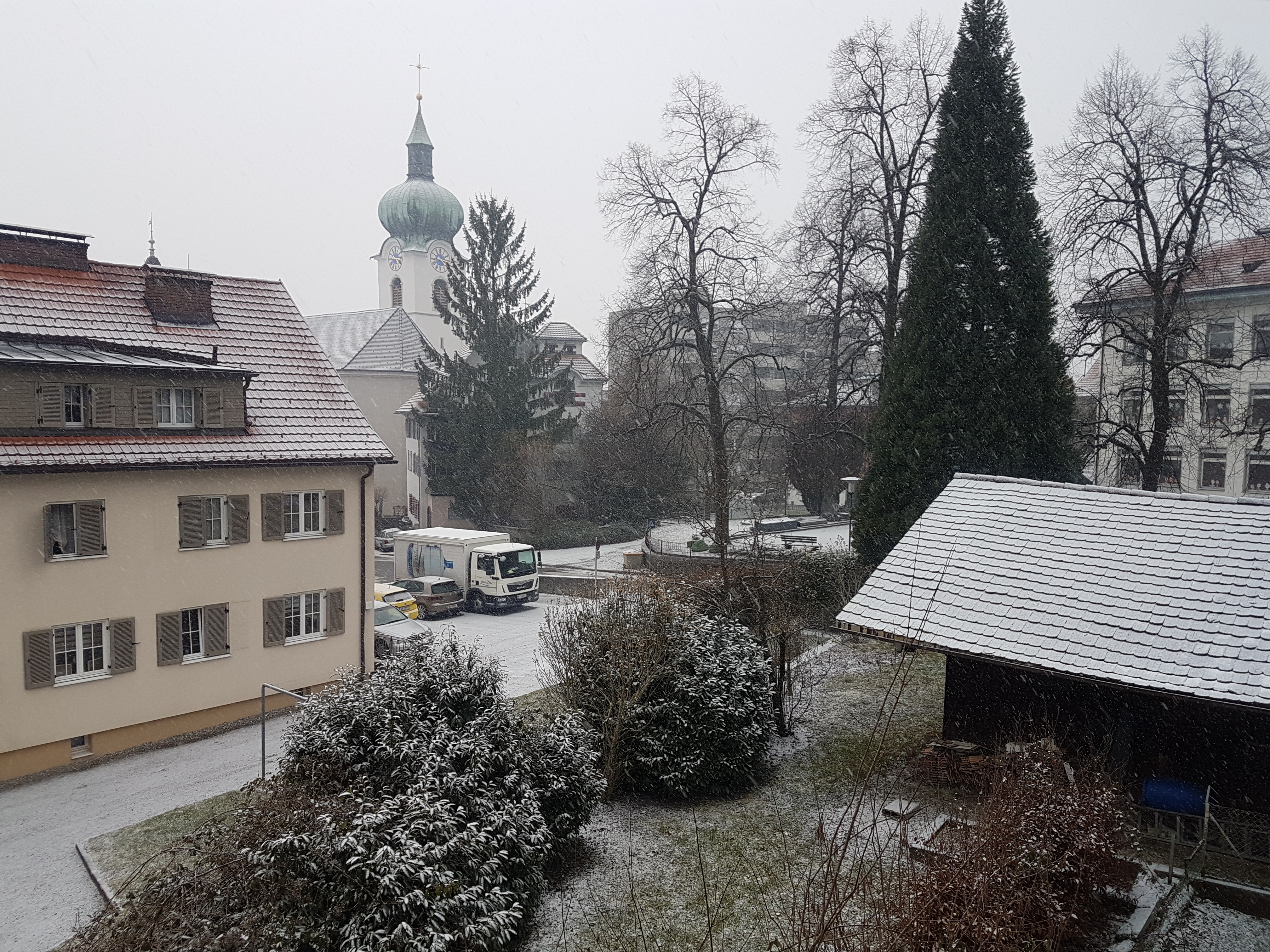
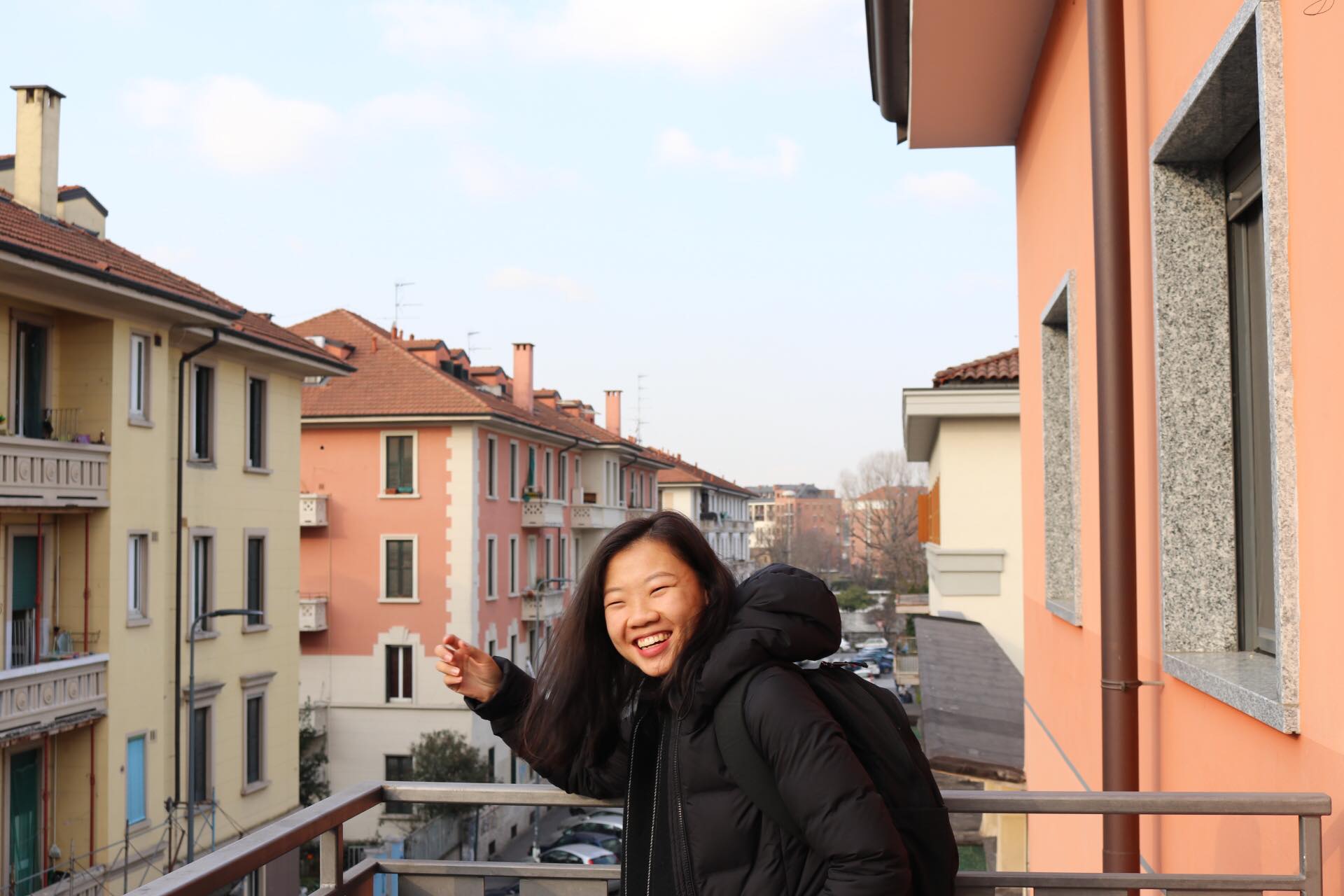
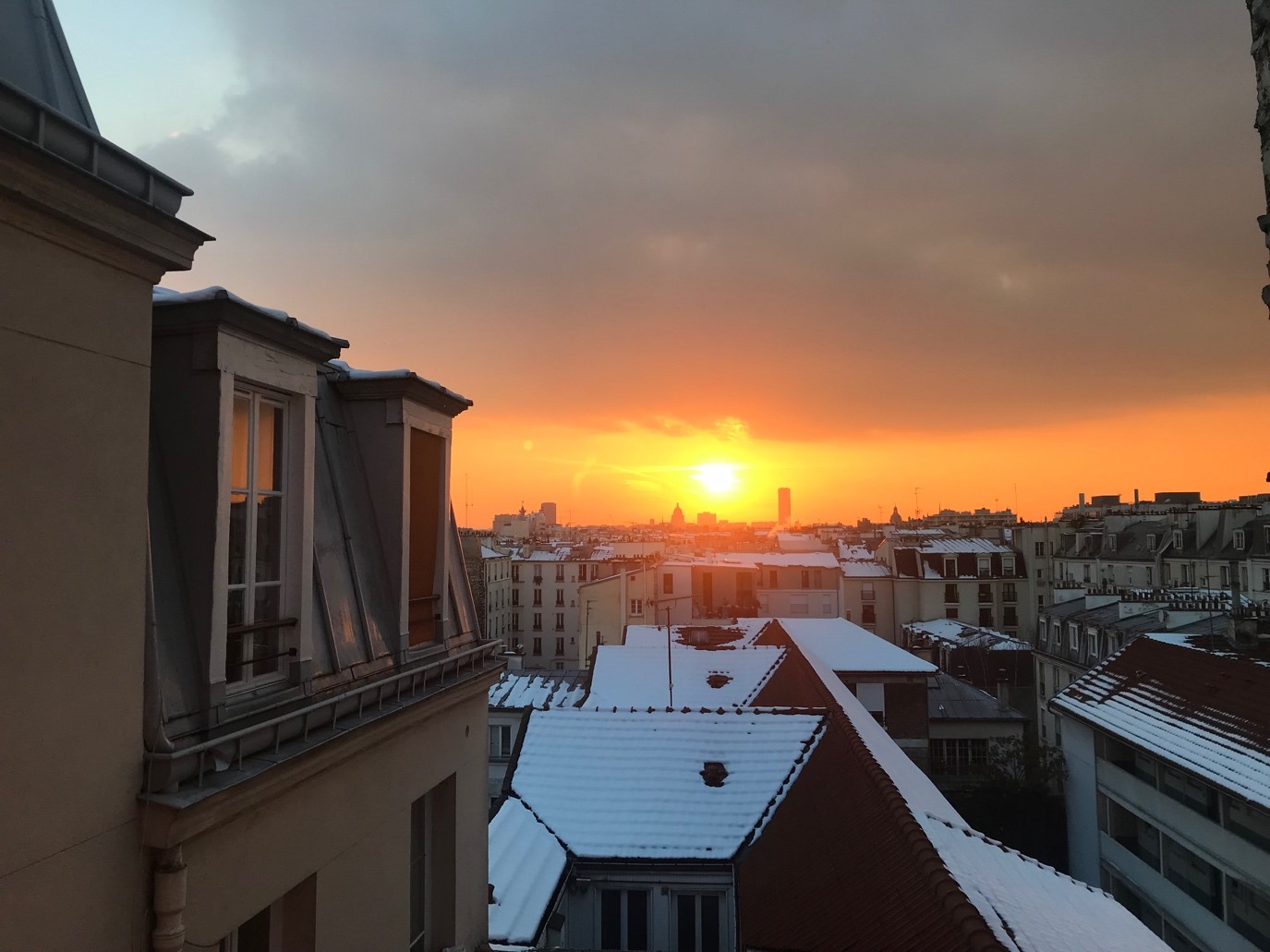
The first time I laid my eyes on Dornbirn in Austria, I felt a feeling you might not expect. It was cold, gloomy, quiet and dark. We had just landed in Zurich and took a painstakingly crowded 3-hour train ride with 2 pieces of luggage and a backpack while also trying to keep our sanity. It was hard, and there was much confusion with directions, locations, speech, and currencies. It suddenly hit me I was in a whole new place, more than 16,000 kilometres from my comfortable bed at home, 22 hours from my family, and living in a time zone that was 10 hours behind. Getting here was a pain, but don’t get me wrong, I freaking love this place. It’s everything I’ve always wanted. I live right next to 3 countries (I came back from Milan just a few days ago!), I can experience Dornbirn’s random weather (trust me, Sydney doesn’t even compare) and since we get to wake up to snowfall some mornings, I can pick up groceries just 3 minutes from our student dorm. My dorm is just 15 minutes away from the university as well as 20 minutes from Marktplatz (a main shopping area).
Our host university had been accommodating and understanding, giving us the opportunity to learn German, and teaching us the traditional culture of Austria, more specifically of the Vorarlberg region. The biggest difference in terms of my degree at my host uni is that it is more focused on the outcome and the audience/ target, so many classes are highly theoretical and business-orientated, while UTS holds more practical and technical classes, which I think neither are truly bad. They also offer many activities to keep us occupied, including skiing, hiking, indoor climbing, soccer, kickboxing, and a sport I recently picked up, volleyball.
What I found most surprising about Dornbirn was how easily it made me hate it, then love it again. Many places (excluding restaurants and bars) close early during the week, and even earlier during the weekends, if they open at all. Austrians take their Sunday breaks seriously, so don’t expect the bank to be open, nor any grocery stores and shops. However, this could be a good opportunity to travel and sight see. Lindau in Germany is only an hour away by train, Munich about 3 hours, and St. Gallens in Switzerland about 2 hours.
Austria isn’t a bad place, really. I look forward to seeing how I change by the end of this semester.
Alice Tran
12610705
Bachelor of Design in Visual Communications
Vorarlberg University of Applied Sciences
Austria
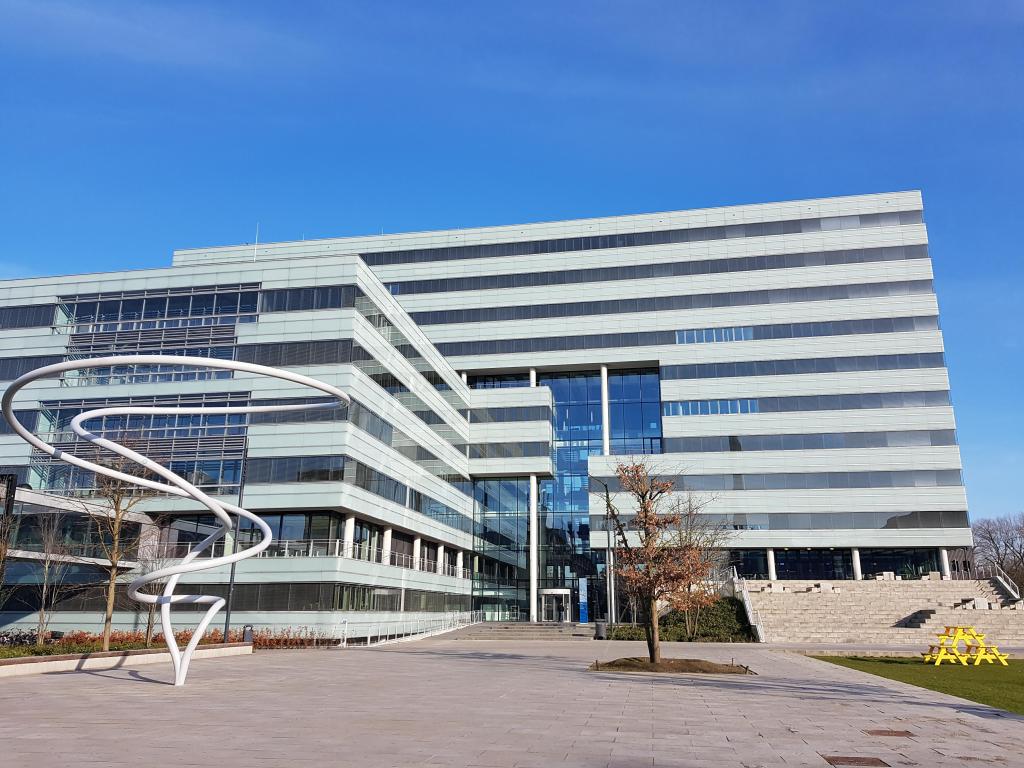
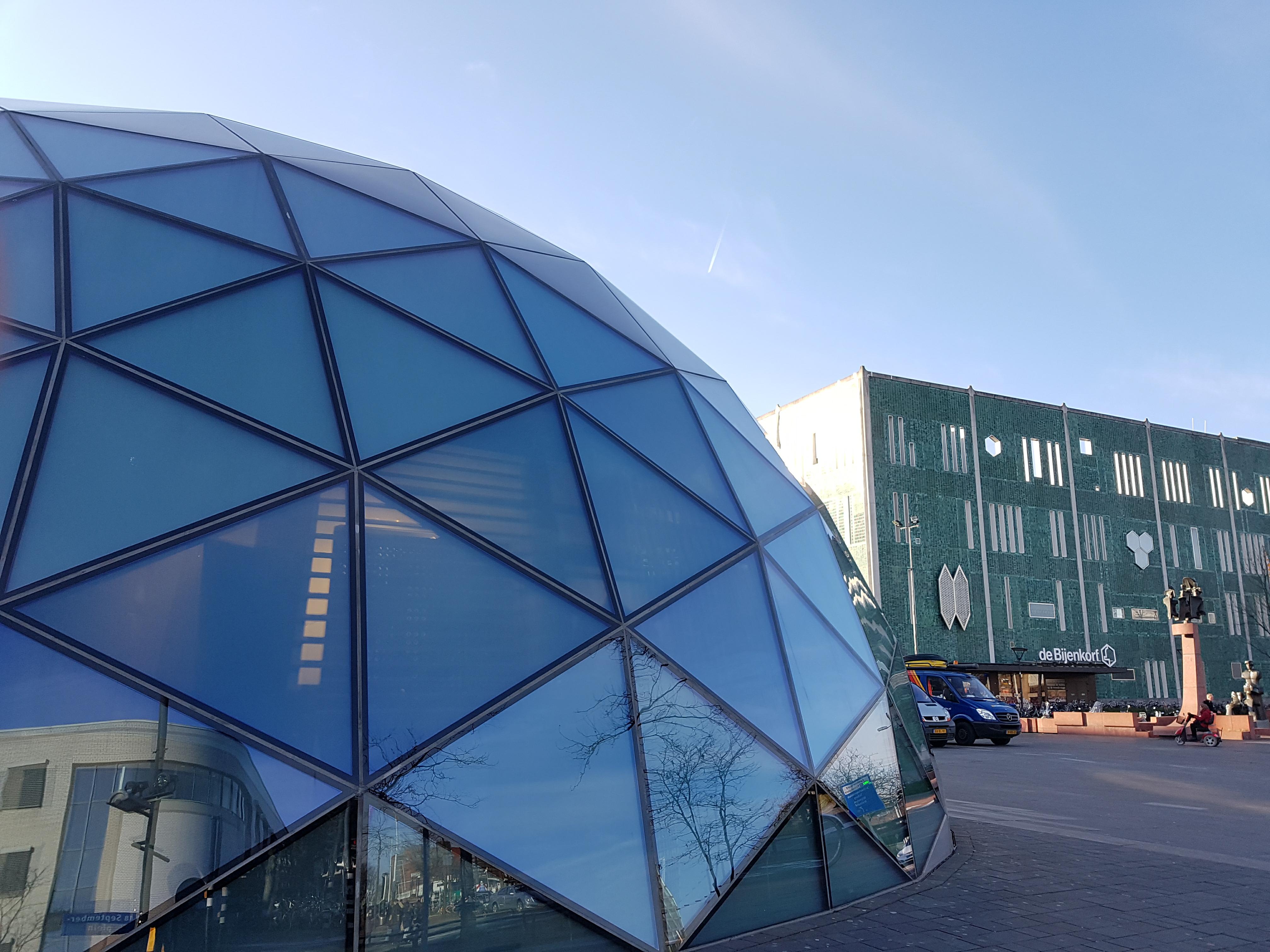
I’ve been in Eindhoven for 3 weeks now and have thoroughly enjoyed all that has happened so far. As expected everyone rides bikes and it’s awesome. The city is perfectly set up with bike lanes and racks so even those who aren’t the most experienced at riding can feel comfortable. Although coming from Australia, it did take some getting used to riding on the opposite side of the road. Also take note that bike theft is a thing, so get a good quality bike lock and use it.
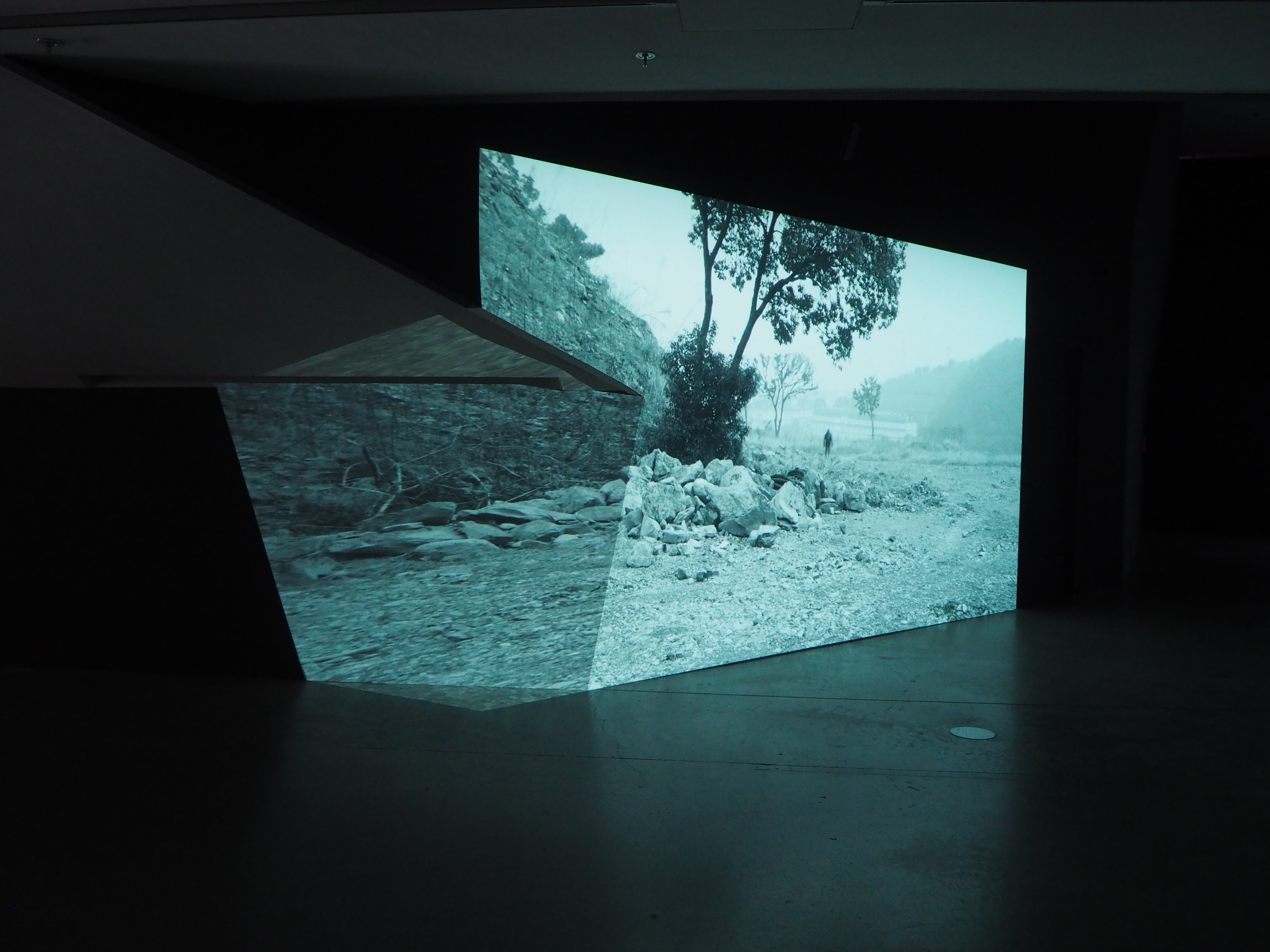
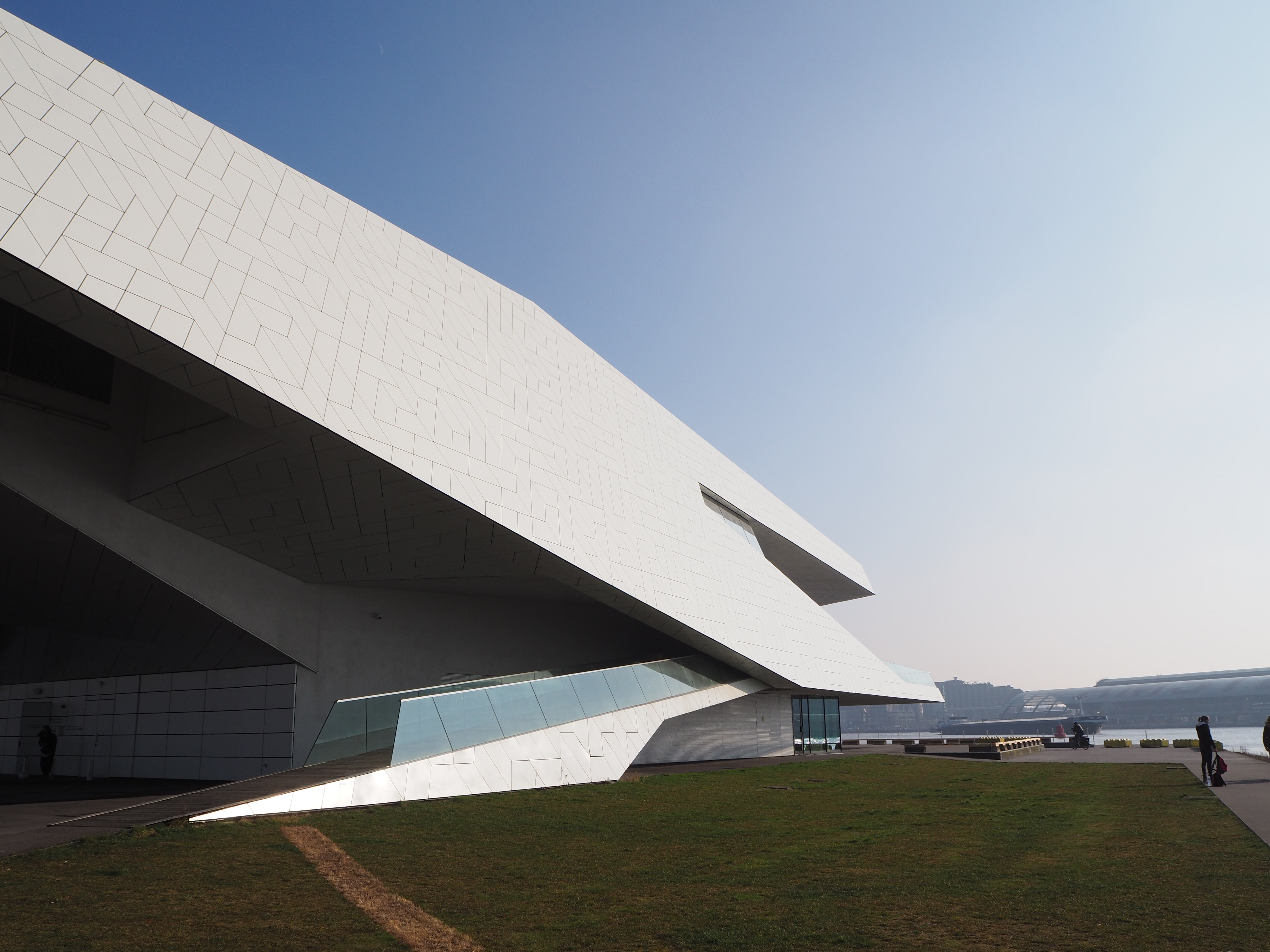
The Netherlands is a perfect location for travelling and with cheap flights / train trips there are plenty of options for weekends away. I’ve been to Amsterdam and Rotterdam so far and have planned trips to go to Berlin and Budapest later in the semester. Above are pictures from the ‘Eye’ film museum in Amsterdam, I strongly recommend taking a look when given the chance.
OLYMPUS DIGITAL CAMERA
My accommodation at the Student Hotel has been really welcoming. It’s very easy to mingle and make friends since the hotel runs events every week whether that be a pub crawl, movie night, dutch lessons or a party in the lobby. In the first week there was a Carnival event in Eindhoven, but I’d say was more of a 3 day street festival where people get dressed up and drink from 11am till the late hours of the night. Easy to say, it was full of fun.
I’ve just started my Product Design classes and it’s actually been really simple and easy to adapt to the new learning system. Fortunately the uni is only a 5 min bike ride away from my hotel so I don’t have to spend too long in the cold. TU/e uses more of an online approach but the teachers are always available at the uni for help. In this block of the semester I’m studying ‘Creative Electronics’ and ‘Technology for Connectivity.’ So far they’ve been really interesting and have given me a lot of insight into what I want to do in the future.
Scott Brown
12612608
Product Design
Eindhoven University of Technology Netherlands
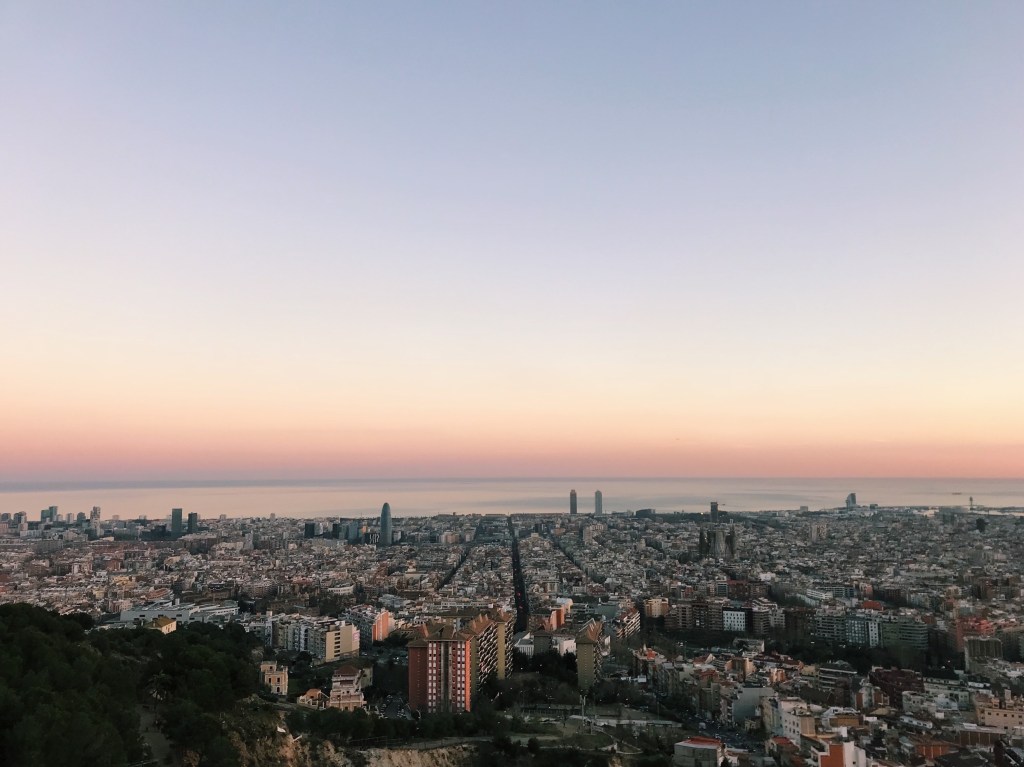
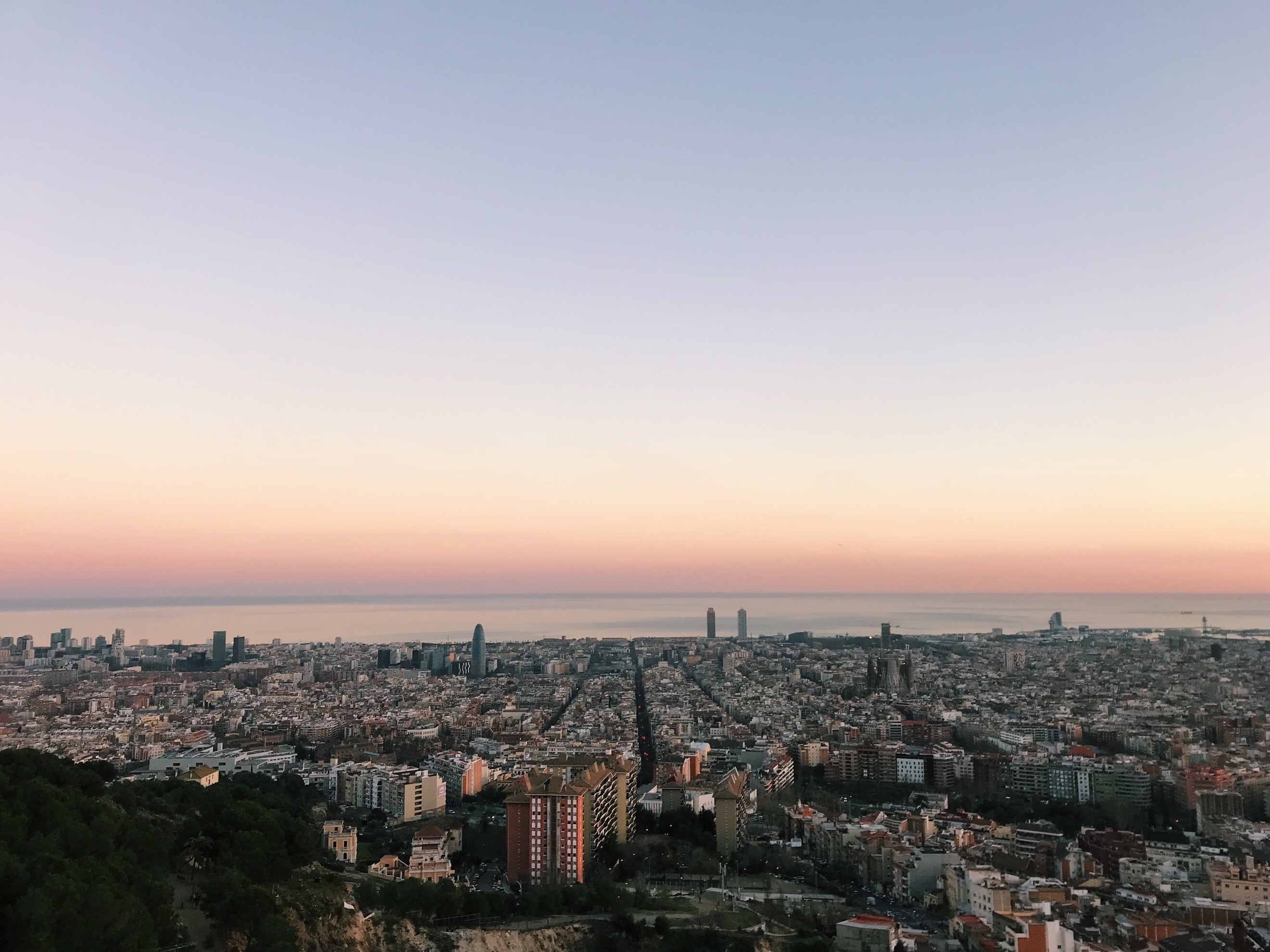
Hola from Barcelona! I’m Lucy and I am on exchange in Barcelona, Spain, for 6 months. I arrived at the beginning of January and boy does time fly.
I won’t lie, it is pretty daunting moving to the other side of the world not understanding a word of the local language or knowing anyone. However, I was lucky enough to find a room in a shared apartment in the Gothic Quarter 2 days after my arrival with 3 flat mates from Spain and France.
I spent my first week before Uni exploring the city and was immediately impressed by the amazing architecture (thanks Gaudi) that envelops the city and the Spanish culture that is so different to life in Australia, so it definitely takes time to adjust.
The city is filled with an abundance of cute tapas restaurants, bars serving sangria and cava, and winding alleys that you can get lost in for hours. Whilst the streets in the Gothic Quarter, El Borne and El Raval are lovely, beware of pickpockets and robbers. Even though I was warned a hundred times and was aware of the high pickpocketing rate, I was still unlucky and got robbed one month into exchange (but I promise it’s still a safe city).
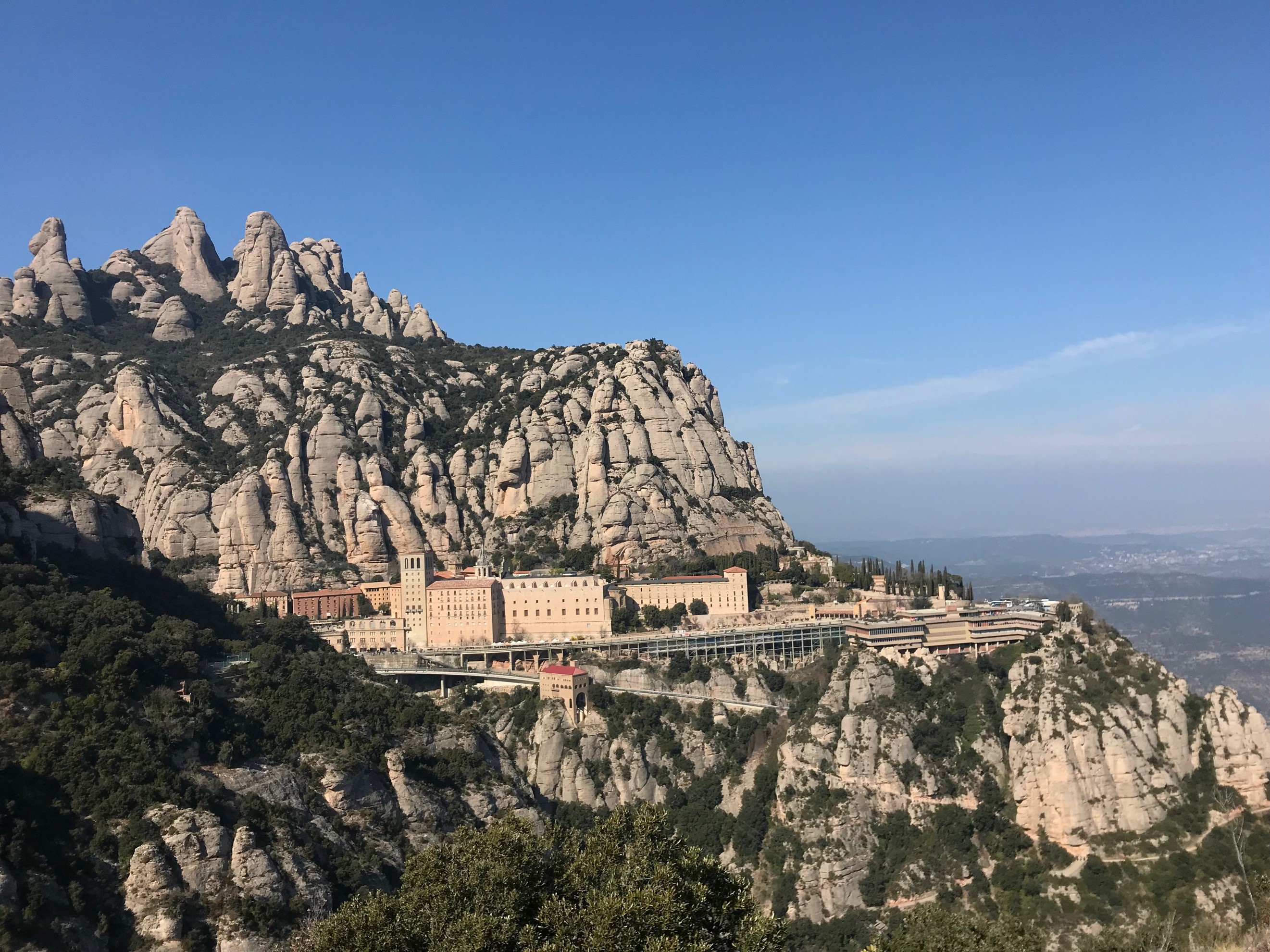
After a long week of ‘studying’ and going to classes, weekend/day trips around Barcelona and Europe are the best way to fit in some travelling during the semester. Recently I visited Montserrat mountain, about 1 hour 30 min from Barcelona. I went with some friends who I met during the orientation week and we hiked to the top. The views were definitely worth the sore legs!
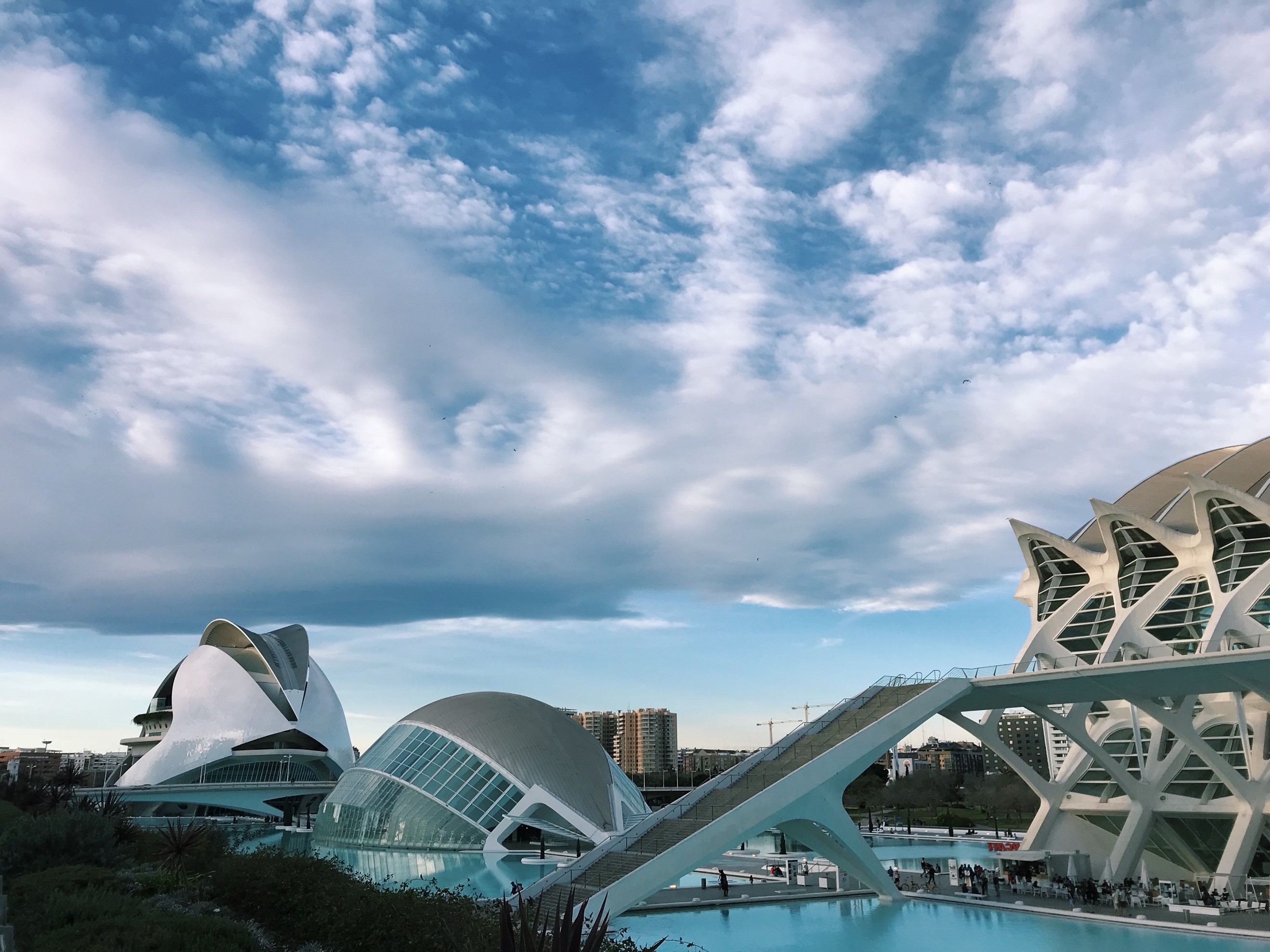
Barcelona is central and reasonably cheap to fly from so take advantage of your time in Europe, grab at any opportunity and travel around, even if it’s just a day trip within the Catalunya region. Valencia has also been a highlight so far with some impressive buildings and delicious Paella.
Before arriving in Spain, I had hopes that I would learn some Spanish whilst I was here. Although I have learnt a few phrases, I was surprised that a lot of people speak English and will reply in English even if you attempt to talk to them in Spanish. Catalan is also widely spoken here, but I haven’t found the need to learn any words as yet. The language barrier has only been an issue a few times, but it helps to have a friend that can speak Spanish to avoid any confusion.
So far so good in Barcelona. Even though I miss home and it’s already been a rollercoaster of a journey, I know that exchange is a once in a lifetime opportunity to make the most of.
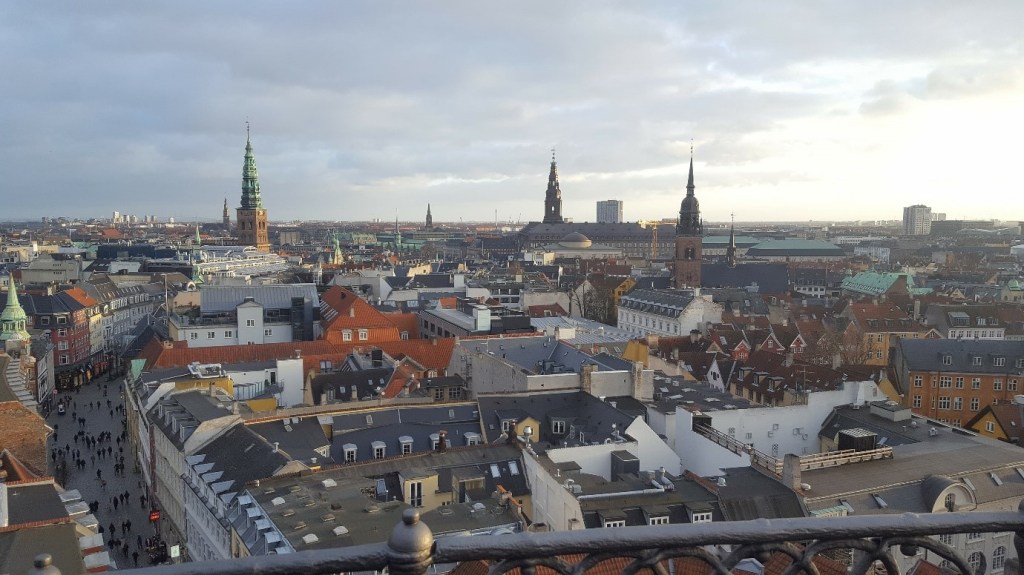
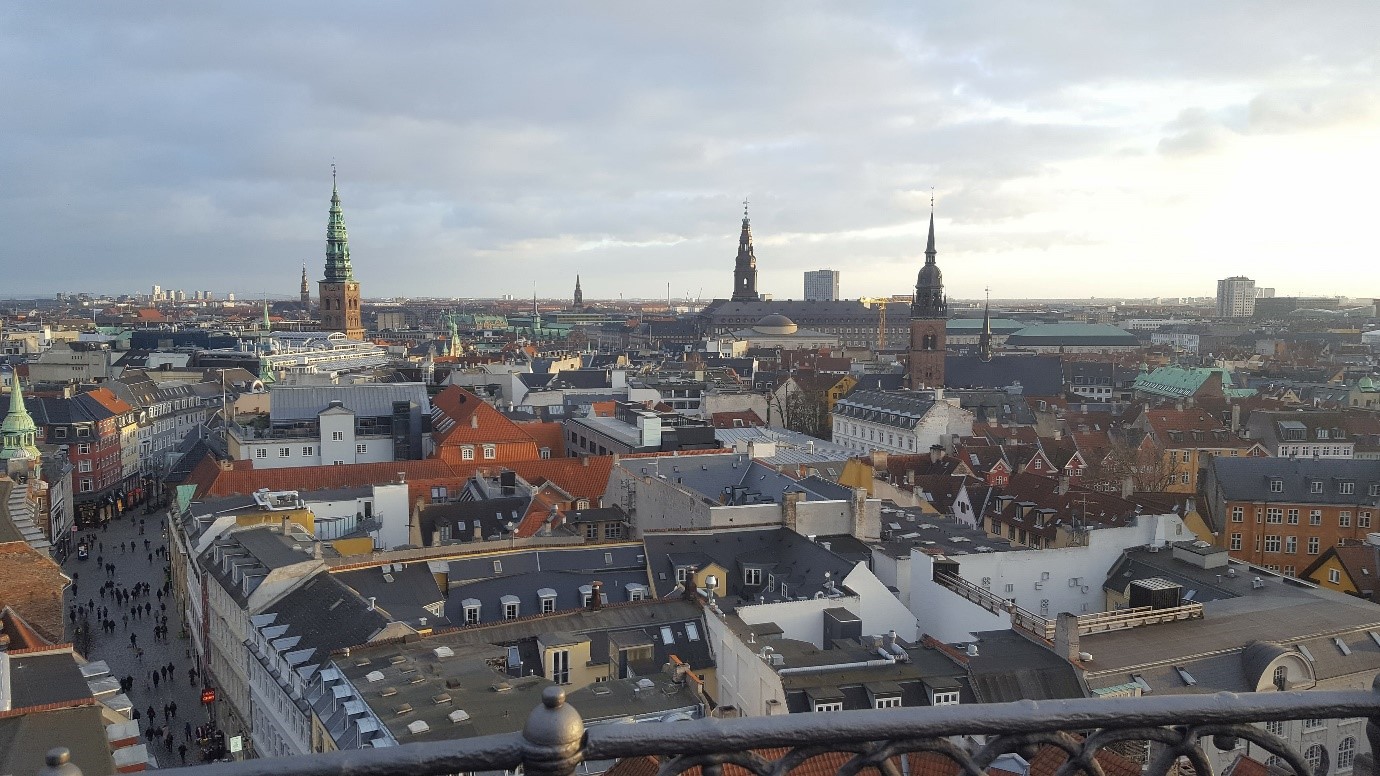
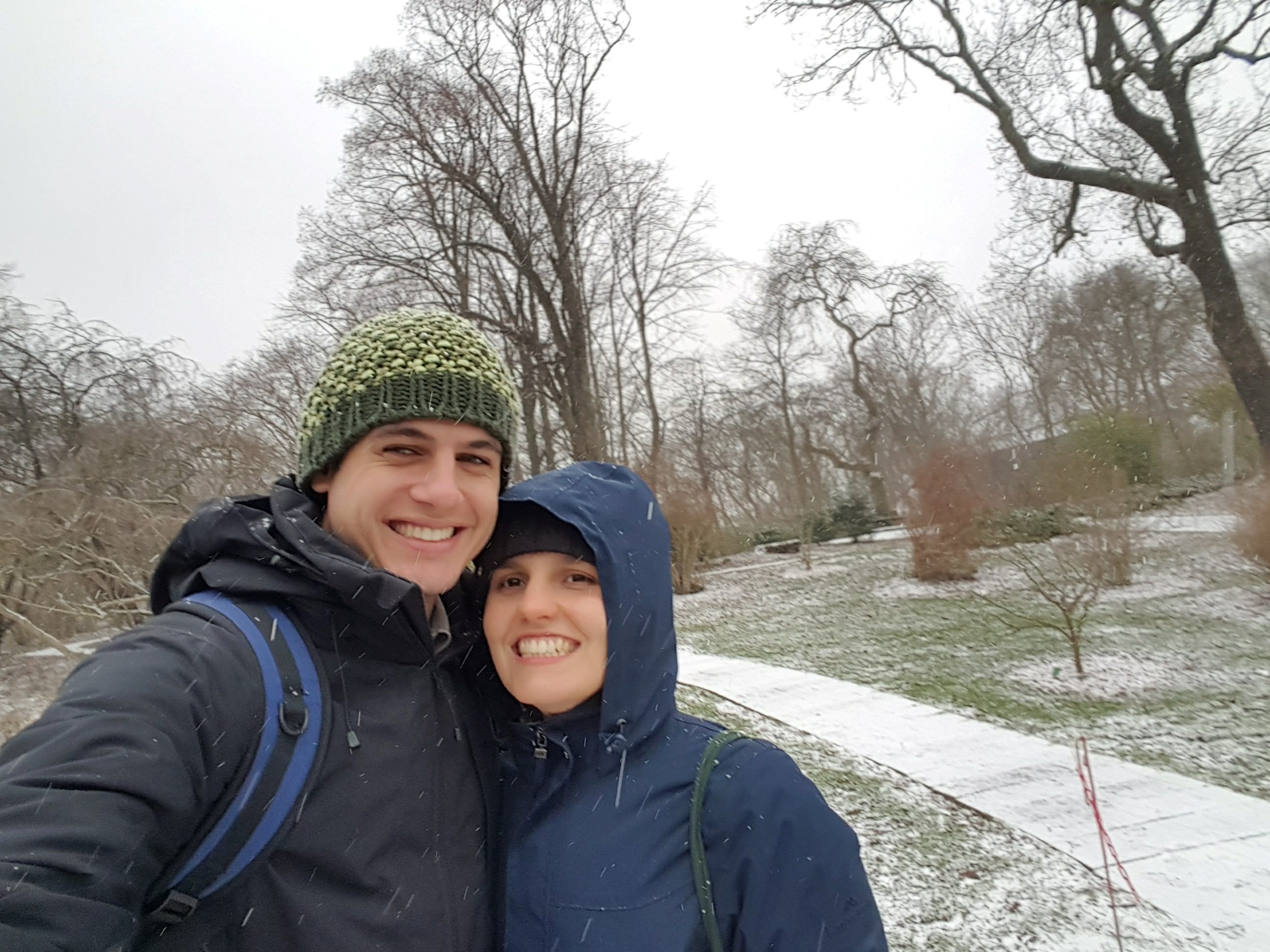
Do you like drinking øl (beer), bike riding, beautiful buildings and don’t mind the rain? If so, Copenhagen is the place to be. It’s now been six weeks since I arrived in the ‘the happiest city on earth’ and I am loving it.
I am currently completing my second last semester of an engineering and science degree at the Technical University of Denmark (DTU). It is worth noting that the main Lyngby campus is located approximately 30 minutes north of the city centre. Despite this I would still recommend this university as it has a huge range of science, engineering and tech subjects. It even has a space department!
First thing you should know is that everyone in Copenhagen speaks English to a fairly high level. So, not speaking Danish isn’t necessarily a issue. However, the Danes do appreciate you giving it a crack and why not if the Danish language course is free! That’s right, free when you get your CPR number (essentially your social security number). I came to Copenhagen with no danish language skills and now I can order food in Dansk which is pretty cool.
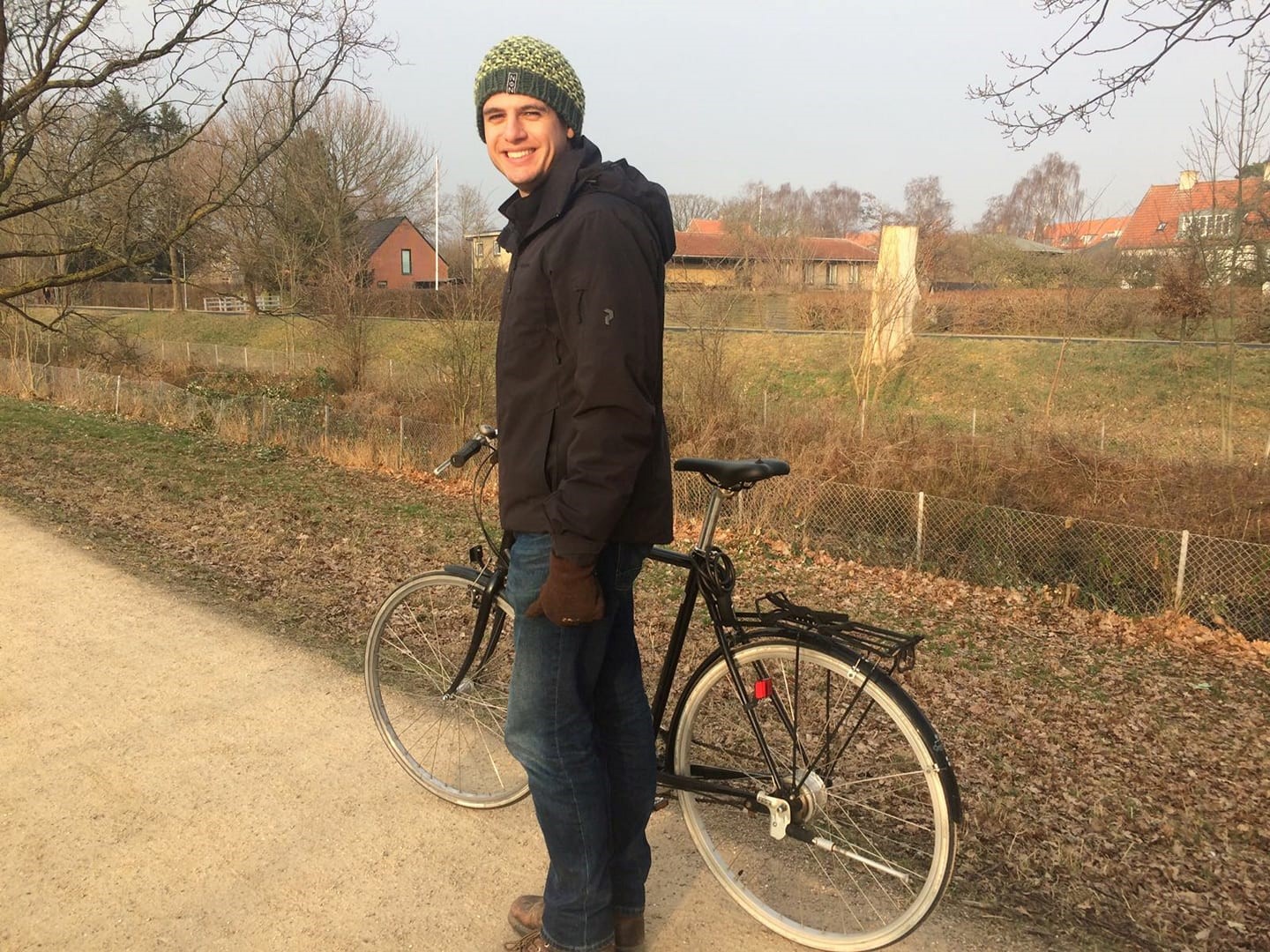
Bicycle riding is an integral part of the Danish lifestyle. With over 400 km of elevated cycleways criss-crossing the city and ample bicycle parking, Copenhagen is a cyclists paradise. If cycling isn’t for you, the public transport system here is also quite good. Make sure you get yourself a Rejeskort (equivalent to the Opal card) though as buying paper tickets can cost almost twice as much!
This city has a vibrant culture with various festivals and events happening all the time. At the moment the Vinterjazz festival is in full-swing with various international and local acts playing in loads venues across the city. So the far, the best gig I have been to was Baun, a local jazz/funk artist.
For the rest of my exchange, I am planning on eating loads of cinnamon pastries, exploring Europe with friends and enjoying the summer/spring sunshine (when it arrives). If you have even considered going on exchange, I highly recommend coming to Copenhagen.
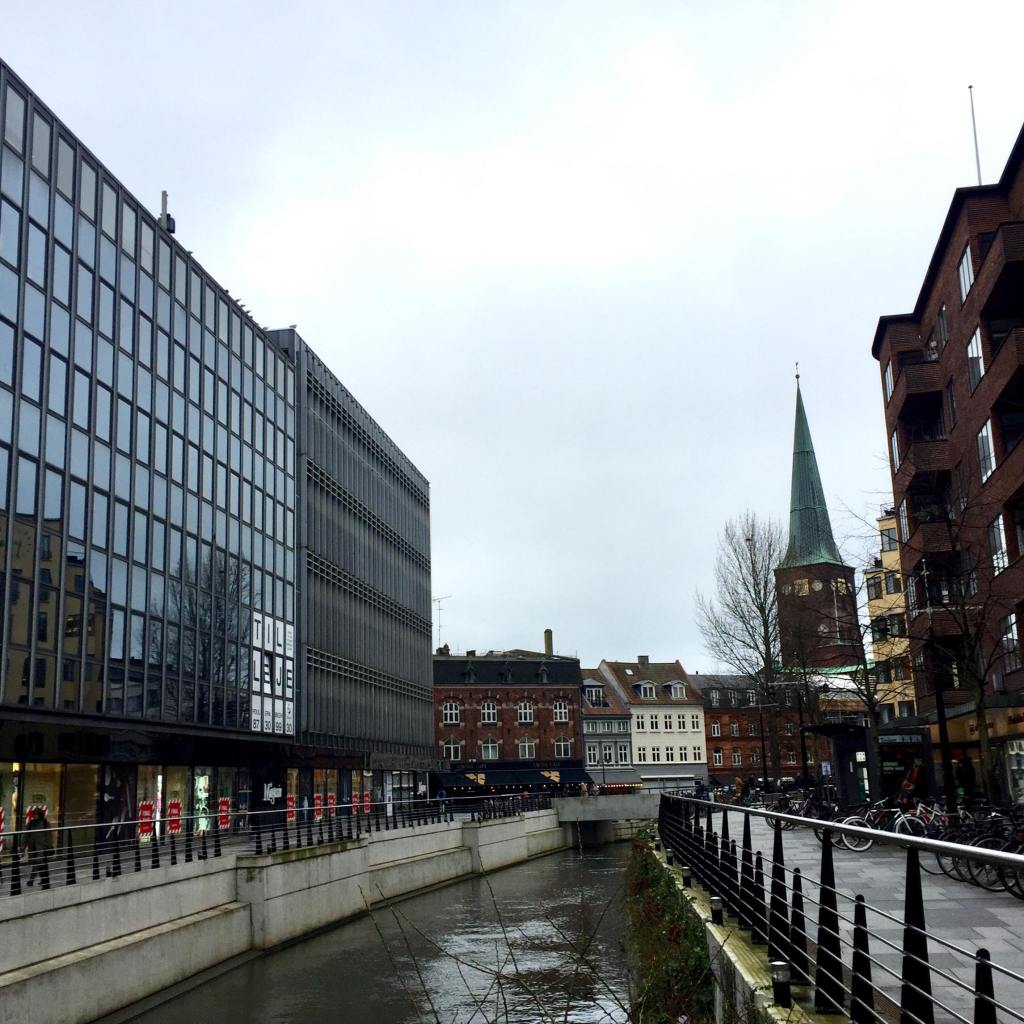
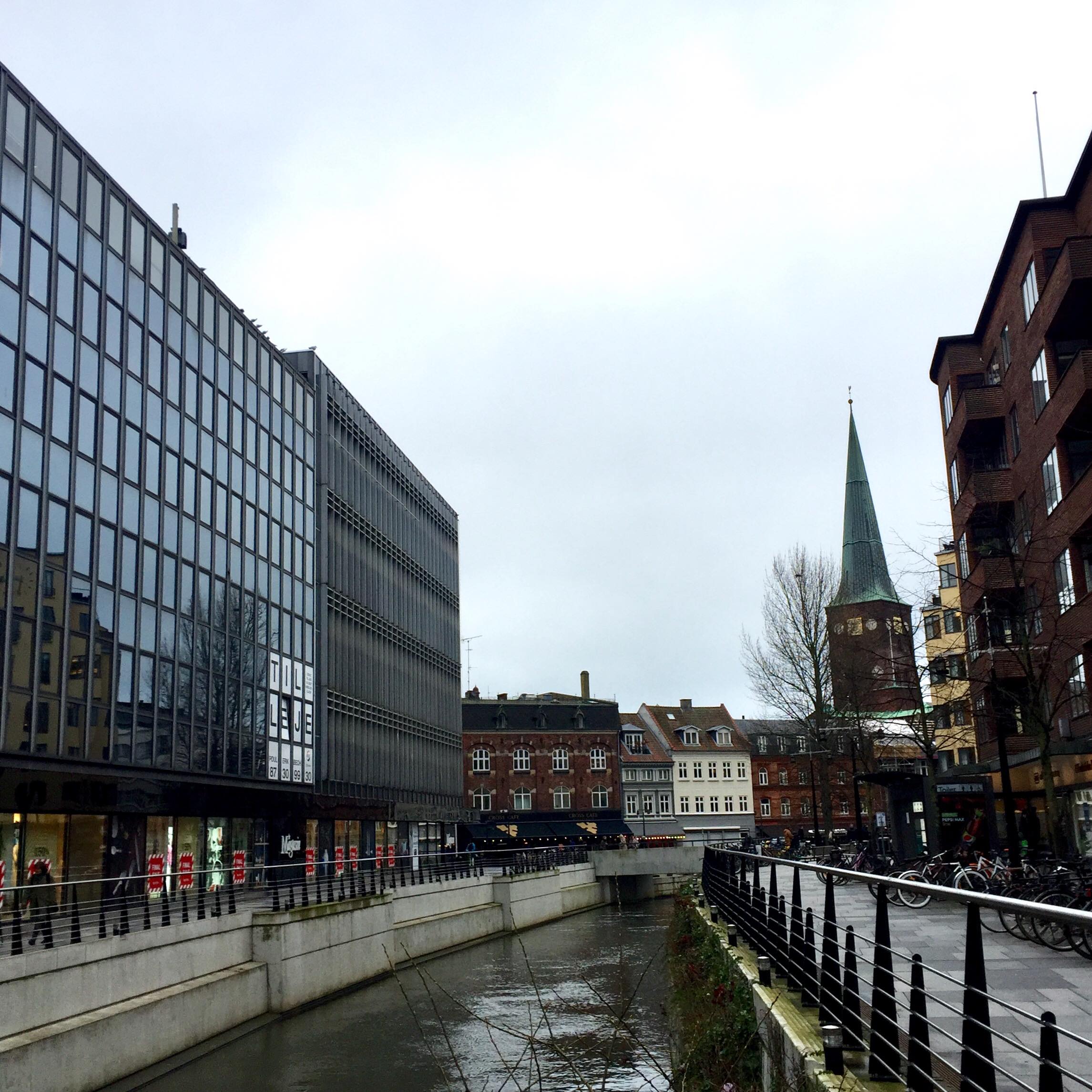
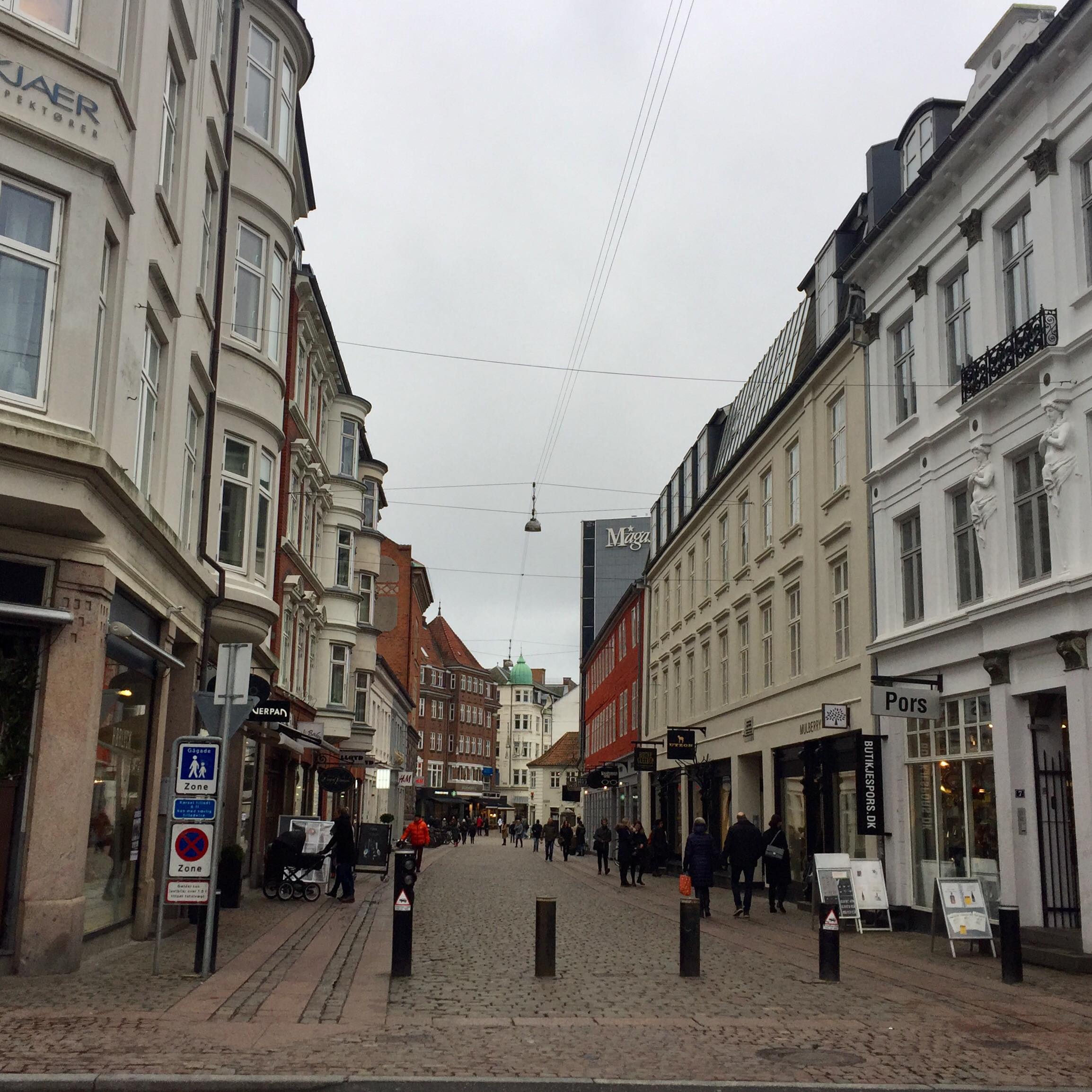
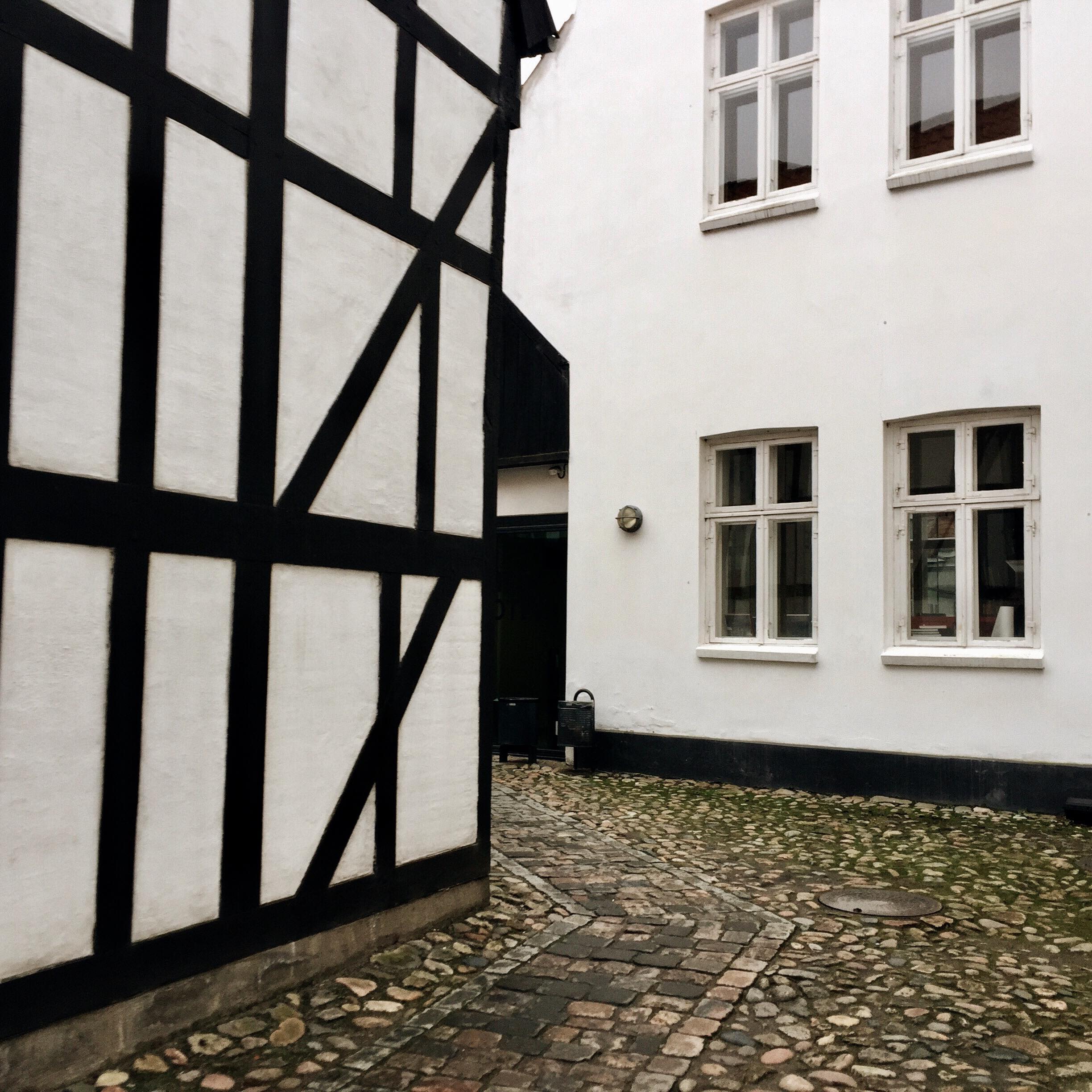
Hello from Aarhus! I have been living in this wonderful city for the past few weeks and have been loving it. It is a small, beautiful and cosy town with great and friendly people. The colourful low rise buildings, cobblestone streets and monuments fit perfectly within the Scandinavian-city stereotype.
Leaving the Australian summer to the chill of the Scandinavia was definitely a shock to the system when I first arrived. No matter the amount of clothes I wore, warmth seemed such a distant concept. But don’t worry I can proudly confirm that it does get better and you will get used to the cold. It snows very lightly making the mornings quite beautiful and sometimes you will be lucky enough to see the clear blue sky.
The transition from culture to culture was no problem here. The Danes are very lovely people who are willing to help and have a chat. The best thing is that they are also very good at English which saves anyone who is visiting from studying one of the most difficult languages (in my opinion). There are also large groups of exchange students both within the city and the university. This creates such a vibrant and diverse atmosphere that ensures that during your stay in Aarhus you will not only make friends with Danes but also people all over the world.
I currently live in a student housing complex in Risskov and it has been great. I have a fully equipped (and warm) apartment with a shared kitchen. All 14 other floor mates have also been super friendly and helpful. It’s a great living situation as you are able to meet more people, go to more events, learn more about the ins and outs of Aarhus and so on. It takes about a 15 min bus to get to the architecture school and 10 min bike to the center of the city.
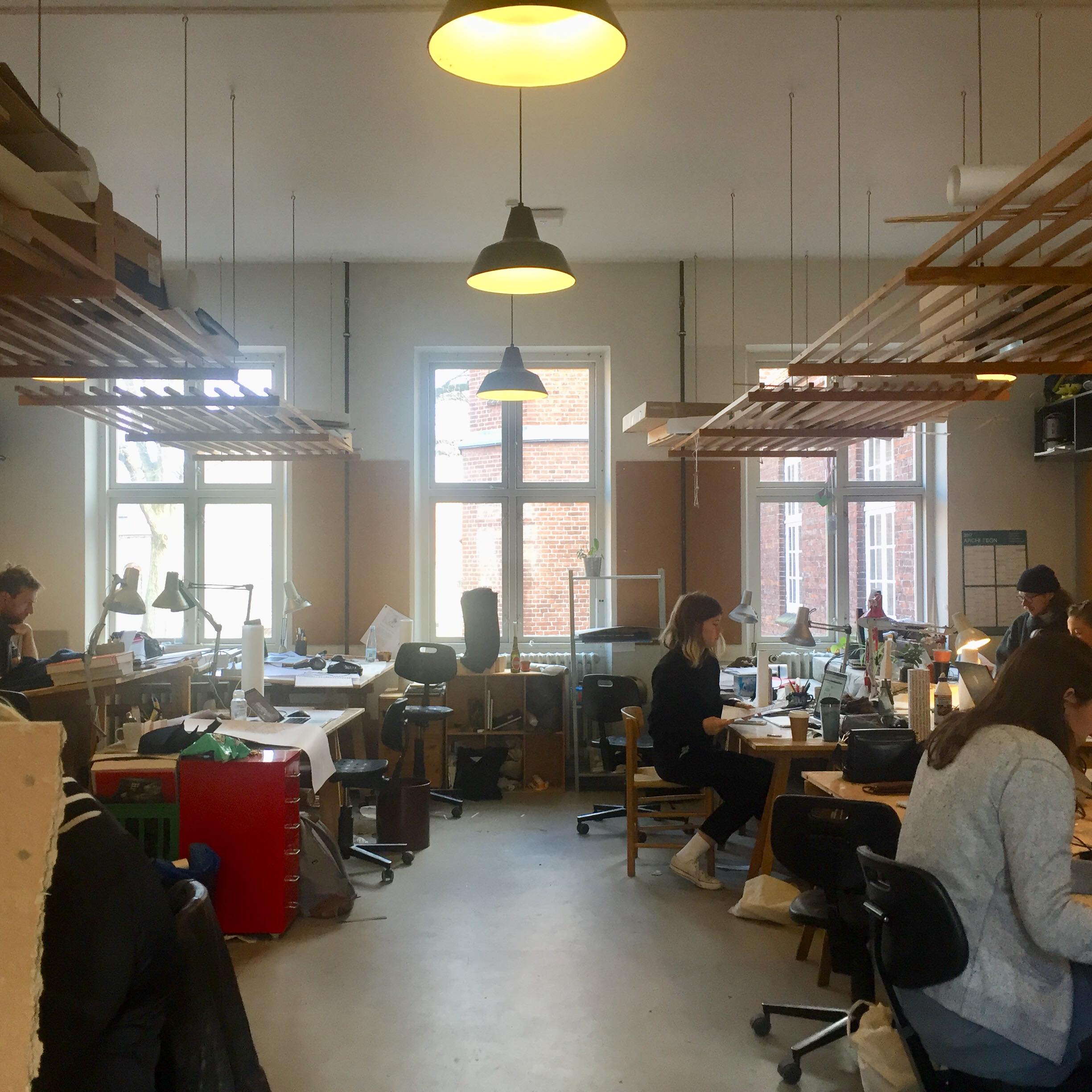
In terms of classes, I attend every weekday to either lectures, studio and/or tutorials. Here as an architecture student, you have your own desk which is quite nice and refreshing from the atmosphere of UTS. I’m really enjoying the studio atmosphere and it is interesting to study architectural design, concepts, history and theory in a completely different context. The actual campus is beautiful, with an amazing library and great facilities.
I also just arrived back from a study trip in Athens, Greece last weekend. We spent a week looking at archaeological sites and Greek architecture in preparation for this semester’s project. Most of the studio classes will undertake an international trip which is a fantastic bonus but note you will have to pay for some/majority of the expense – but it’s all worth it.
Lastly just a few things that I’ve caught on while living here – 1. It is quite expensive here so get to know the places that are cheaper in regards to groceries, food, drinks and the most important coffee. 2. If you want to travel, it’s best to catch a bus to Copenhagen (3hrs) then fly out from there. 3. Get a bike! The easiest, cheapest and best way to see the city. Look at second hand bikes on Facebook. 4. Join Facebook groups such as Aarhus Internationals for helpful tips and more info.
I’m looking forward to this semester and excited to see what happens during my stay in Aarhus. It definitely already feels like home. If you have any questions, feel free to email me: Julia.Ramos@student.uts.edu.au
Julia Ramos 12558021
Bachelor of Design in Architecture
Arkitektskolen Aarhus (Aarhus School of Architecture)
Through UTS BUILD, I participated in the Drishtee Immersion Program (February 2018). The program facilitates empowering immersive experiences in rural India. I was based in Soda Village, sixty kilometres from Jaipur in India’s desert state of Rajasthan. It is a sprawled-out community whose residents share a rich culture and a way of life so unique and vastly different to one I have in Australia.
My Drishtee immersion was raw, deeply humbling and inspiring. I will never be able to truly describe what I experienced or the emotions I felt and ultimately the cherished memories that will have a lasting effect on me. The incredible people I met helped me learn and discover more about myself and what I would like to accomplish in the future. The program focused on developing empathy and cross-cultural ability through authentic encounters and assisting in creating innovative and sustainable positive impacts. The experience had 3 phases: firstly, entering the community and participating in village life, then secondly participating in workshops and thirdly, the innovation stage where we took part in co-creation with the village partners.
I thought the best way to describe my experience was to share my favourite memories and highlights from the trip. First of all, every day was unique whether it was visiting a school or hospital, or witnessing a religious festival, chopping wheat in the fields with the farmers, or just walking around the village all of which made for a very dynamic and intense three weeks.
One highlight was our first day where we were welcomed into the village and greeted with traditional customs, loud music, decorated horses and dancing women. The ceremony gave me the opportunity to meet children, mothers and many influential community leaders. The cultural customs and generosity of the welcome was incredible, and I have never felt so overwhelmed by positivity and love. Despite the language and cultural barriers, I was able to connect with people purely by building story-telling techniques or simply by sharing a moment together where words were not necessary. Some of my favourite memories are when I was simply sitting in people’s homes, sipping masala chai talking and listening about their families, work, experiences, their hopes and dreams or telling them about my life and where I came from.
It was from these conversations I was able to build authentic and meaningful connections with people. Simply walking around the community and observing daily life was fascinating and I felt thankful of the opportunity I was given. Watching men huddled in groups played cards, children running and yelling playing cricket, women herding their goats and cows to the fields or cooking fresh chapati over a fire or even watching the sunset on the rooftop were some of my favourite memories.
Another highpoint was during the final phases where we began workshops with our village partners exploring and producing exciting ideas. The specific area I focused on was women’s empowerment, a very broad, complicated and sensitive issue which proved to be quite a challenge. However, my passion for gender equality combined with village collaboration created a journey of understanding of this multi-layered issue. It involved talking many different women in the community, visiting schools, hospitals, spending a day with a family or going out into the agricultural fields. The root of many community issues is entrenched within historical, environmental and cultural foundations. Consequently, we needed to create ways of slowly releasing empowerment and independence for women whilst preserving culture and livelihood.
My partner Anastasia and I closely examined women’s needs such as earning an alternative income, building self-confidence, creating social support and breaking down of firmly entrenched gender roles. Our idea was an all-women’s sewing group which utilises a skill which is already within the community and is easy to learn for the untrained. This would give them the ability to earn extra income which is directly given to them. The sewing group would also assist in preserving and enriching social bonds and give a sense of community to these women.
One of the inspirations for our project was a lady who faced many problems and challenges which we decided to address in an initial proto-type. The lady owned a shop but had recently become a widow and expressed to us that she now needed extra income and wanted to utilise her sewing skills with other women in the community. We also came across many other hard-working women eager for extra income, particularly those whose main source of income was working in the fields.
Finally, another highlight was sharing these experiences with other UTS students and the Immersion Facilitators. Although we had not met prior to the Immersion, we all bonded and gave each other support either through our projects, laughing and exchanging stories at mealtimes or playing a quick game of frisbee in our spare time. I was so impressed and inspired and by the work everyone was involved in. I will never forget the friendships and the connections we made together. My time in India and my Drishtee Immersion experience was a very special opportunity which I would highly recommend to other students. I would like to say thank you to UTS BUILD, Drishtee Immersion, the Facilitators and Organisers and the UTS students who joined me for making this experience one I’ll always treasure and will never forget.
Over January I went to Timor-Léste with the group Project Everest. The main purpose of the trip was to work with a team on Project Everest’s Timor Energy Assessment project whose task is to establish a sustainable solution to energy problems in Timor-Léste. However, this trip was about more than just the project, it was an opportunity to jump into a brand new situation, navigate through and challenge myself. Throughout the month we were given the opportunity to plan our own days and work schedules. Although we had group leaders to guide us, we were expected to work independently to achieve the goals we set ourselves.
The first week in country had some of the most stressful moments. On my first day I learnt about the microlet transport system around Dili, dealt with taxi drivers trying to rip me off and learnt how to set my phone up with a local sim card. I met some very nice people including Robby the Scotsman; Kyle, the woman running the backpackers at the time; and Chris, a fellow Project Everest trekker on my team. We began project with an introduction day and some workshops setting goals for the month.
The next few weeks went much smoother, with everyone in the team getting more used to each other and what we needed to do. The previous team had established connections with a supplier in Timor-Léste and we were worried at the start of the project that we would just be sales people. In actuality we ended up solidifying the arrangements with our supplier and forged good connections with customers. Although we didn’t make any sales we were confident in where the project had progressed.
The month wasn’t all work, there was plenty of time for socialising. Most evenings after dinner we played cards, either with normal playing cards, UNO, or Exploding Kittens (I won the first 3 games of Exploding Kittens I played and became a little infamous for it). The leaders also had activities organised for us some afternoons. We visited the Resistance Museum to learn about the history of Timor-Léste and the long running conflicts that have shaped the country. We undertook an amazing race around Dili which involved completing tasks to gain points. Some things we did included: doing yoga in a milkshake shop, running to the top of Christo Rei and finding a concrete frog. As well as the in-week activities we went on three amazing weekend journeys. The first was a trip to Mt Ramelau, the highest mountain in Timor-Léste. Incredible views and the surreal feeling of standing in 7ºC weather in the tropics. Our second trip was a drive from Dili to the eastern most point of Timor-Léste then spending a day on Jaco island for plenty of beach fun and reef snorkelling (we needed a lot of sunscreen for this day, I managed to get through with only a small sunburn patch, others had sleeve tan lines). Our third trip was to Atauro island, off the cost of Dili. For this trip we trekkers had to organise the logistics of getting to the island and staying there for the weekend. This was personally a leadership development exercise for me as I managed to get everyone together to work out what we wanted to do to get there and stay there. The initial accommodation we planned fell through but fortunatelly the best place to stay on the island, Barry’s Place, had a large group cancel soon after we arrived.
I feel that this has been an amazing and unforgettable month. I’ve had such wonderful experiences from living and learning about this new culture through my experiences here. I’ve made new friends, learned new skills for leadership and public speaking, and had a month I hope to never forget.
Carl Hemsworth
Bachelor of Engineering (Mechatronic Engineering) Bachelor of Science (Applied Physics)
I still cannot believe that I have been in Singapore for one and a half months, it feels like I have only arrived in Singapore yesterday! To be honest, I did not even think about going on exchange until a year ago, and Singapore was the first country I had in mind after making my decision of studying abroad. Thanks to Raffaela and other exchange officers, my application process went quite smoothly, and I am really glad that UTS has assisted me in so many ways during the process.
Nanyang Technological University (NTU) is located in the far west of Singapore, with a huge campus that is pretty much all green, and I was very fascinated with the huge variety of plants on campus on my first day here. I was very lucky to be allocated into Tamarind Hall, which is one of the newest halls in NTU and ended up in a bigger-than-normal double room. Although I did not get a single room which was what I applied for, I was fortunate to get a very nice exchange student as my roommate.
Food is very cheap in Singapore, canteen meals cost around 4-5 SGD each and they are all very delicious. One of the reasons that I chose to come to Singapore was because of the fruits: there are so many cheap exotic fruits in Singapore that you have probably never seen before. Being a ‘durian fanatic’ (as my exchange friends call me), I love visiting Geylang (a red light district in Singapore that has great food) during the weekend for a quick durian fix or when I am craving Yum Cha.
Chili Crab
NTU actually offers buddy programs for exchange students and I signed up for two of them. I found it very helpful to meet local students during the program when I needed recommendations or had any questions about Singapore. Singapore is also a place filled with interesting events – we went to Chinatown to watch Chinese New Year performances and fireworks. It was so fun to experience the celebration here and learn their traditions on CNY.
Chinese New Year
I am doing all electives in NTU and it works out very well for me as there are more choices and less hassle in terms of subject selection. But some of my friends find doing direct equivalent subjects better because they are only pass and fail, so your GPA won’t be affected if you do not do as well. Subjects I am doing are Korean Level 1, Japanese Level 1, Fundamentals of Management and The West in Global History. It very important to submit as many e-requests as possible for subject approval, as a lot of subjects are not offered to exchange students and most elective subjects tend to be full very quickly. I had 8 subjects approved before arriving in Singapore but was only able to enrol into 4 of them as there were a lot of time clashes.
Located in the heart of South-east Asia, Singapore is the perfect gateway to many Asian countries with much cheaper airfares comparing to flights from Sydney. It is so easy to go to another country here in Singapore, even just for a weekend trip! In the past 1.5 months, I have already gotten out of the country three times, one of them being a one-day trip to Johor Bahru (the closest Malaysian country from Singapore).
My BUILD abroad trip was my first time to Europe it was definitely an awesome way to wrap up five years of hard work on my undergrad in law and business (economics). In January I went to Berlin to study ‘Introduction to International Economic Law’ at Humboldt-Universität zu Berlin (I’ve been told that the name isn’t translated into English normally).
Three weeks flew by much too quickly with classes, cultural programs and meeting people from all over the world. In my class there were 6 Australians (5 from UTS) as well as people from Indonesia, Poland, Switzerland, South Africa, Brazil and India. Everyone was very welcoming and friendly and by the end of the program we were definitely very sad to part ways.
Classes ran for about 3.5 hours four times a week with a break during each class. Despite the limited time, the classes were well paced and did not feel rushed. The instructor, Hanno Meyer, was excellent and very knowledgeable and created a very open and welcoming classroom atmosphere. The class covered a broad range of international content and included basic economic principles as well as the law. No prior knowledge was needed for this class. It was especially interesting learning about how the civil law system operates. One thing I found extremely surprising is that international laws are binding in Germany and many other civil law countries and is actually higher on the hierarchy than domestic laws.
The program at Humboldt also included a range of cultural activities including a day trip to Potsdam, ice skating and tours of museums, galleries, the Bundestag (Parliament) and the German Chancellery. As a bonus, Hanno also threw in a trip to the German Historic Museum for us during class time. The cultural activities were a great way to get to know our class mates and learn about German history and culture.
I also got a chance to experience the famed German rail network with a weekend trip to Prague and day trips to Dresden, Hamburg, Erfurt, Hannover and Leipzig with a fellow UTS student. Each and every trip was memorable filled with UNESCO world heritage sites, mediaeval towns and snow (though sadly not as much I thought there would be). Although speaking of snow, it was definitely fun telling ‘horror stories’ to my European class mates about regular 35C+ weather and Sydney recently being the hottest place in the world.
For anyone concerned about the language and cultural differences, Germans are very friendly and willing to help out a lost tourist, just don’t forget a friendly ‘danke schön’ (thank you) afterwards. A friendly local once noticed that I couldn’t understand the train announcements while I was on the high-speed ICE train and translated them for me. The classes are also taught entirely in English and while travelling I was able to get around with English and only a limited grasp of German. In saying that, enjoy the fact you’re in a different country and embrace all the differences you will encounter. There is also no better way to learn a language than being immersed within in it so take advantage of it and expand your horizons. However, I do have to warn you, public toilets invariably require payment and in Germany, as well as some other European countries, unleashed dogs are allowed in most places including inside shopping centres, restaurants and on public transport. Personally, I loved seeing all the dogs but take care if you have any allergies or are scared of dogs (though every dog I met was extremely friendly and obedient).
My experience at Humboldt-Universität zu Berlin was amazing and unforgettable and I highly recommend the program. The university also offers a range of other programs in both the winter and summer school for anyone who would prefer something other than Introduction to International Economic Law.
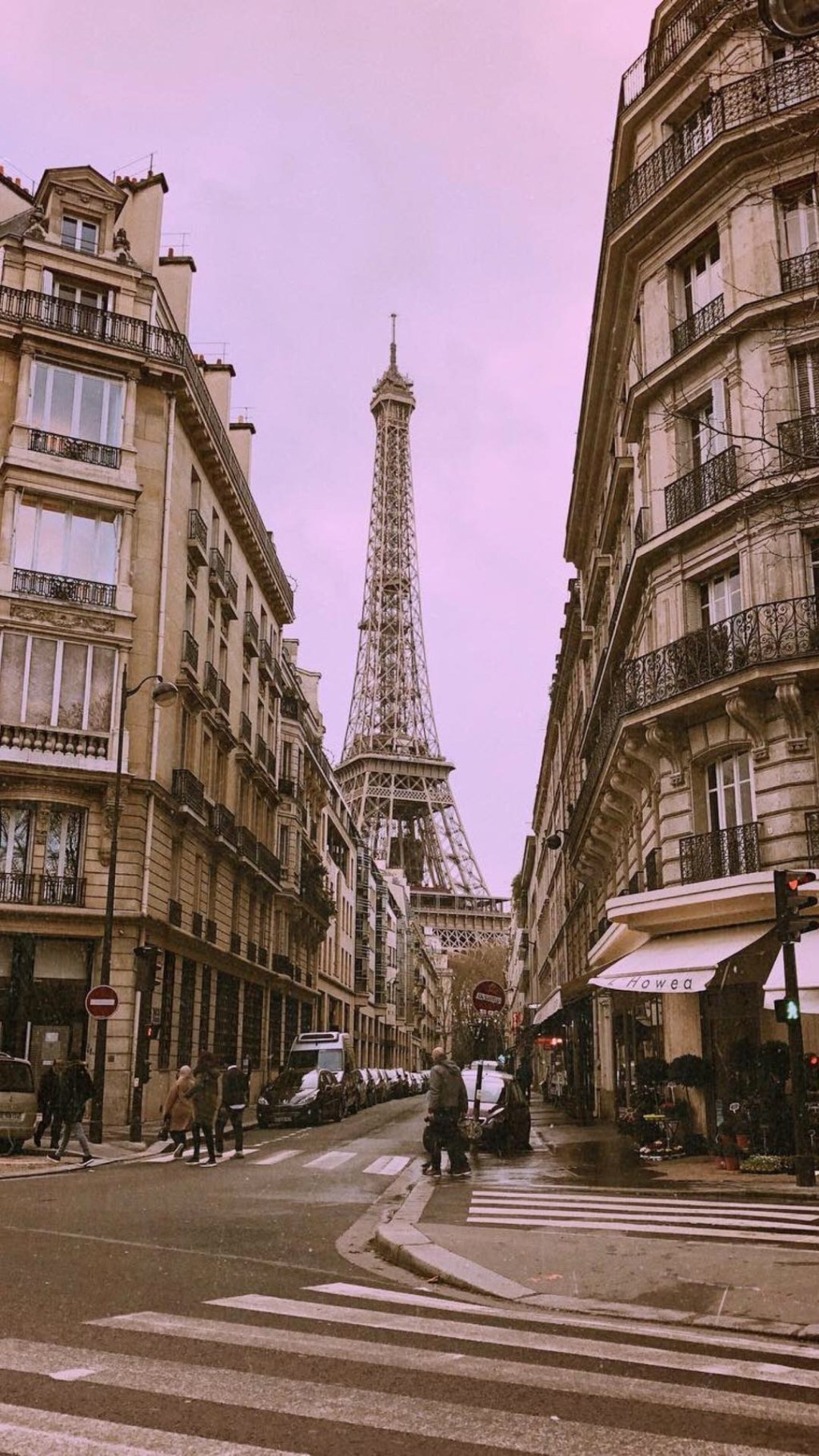
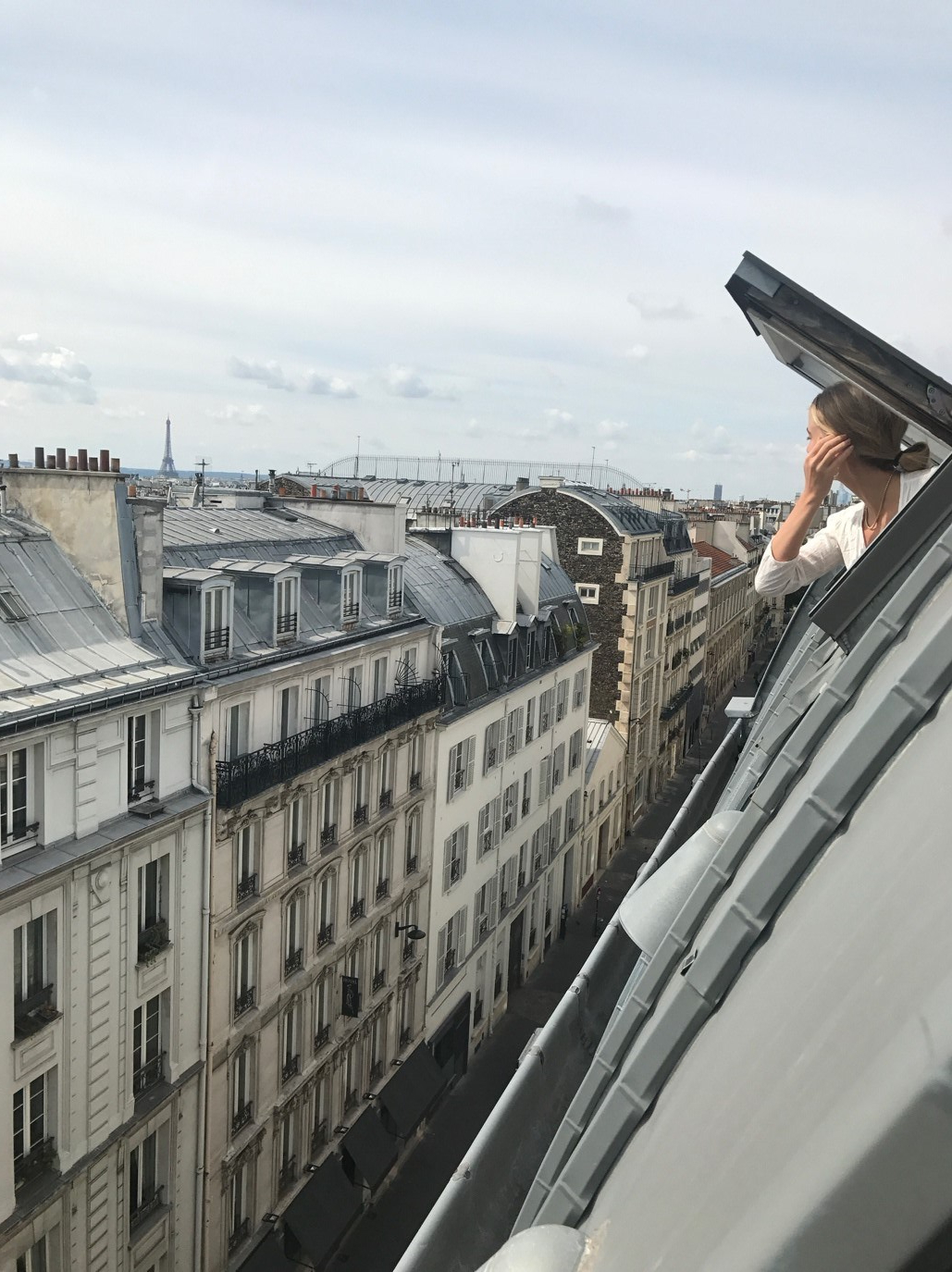
I was lucky enough to be able to extend my exchange for another semester to Paris, having already studied the past 6 months in London – as you can guess, I was not ready to head home just yet. Studying abroad has been one of the most amazing experiences, and life in Paris is something everyone should experience if they have the opportunity! The city is so beautiful, just walking around everywhere is a pleasure, plus it’s relatively small which makes it super quick and simple to get wherever you are going. I am studying here at University Paris Dauphine, the University is located in the 16th arrondisement, a lovely area with plenty of cafés or boulangeries to have a coffee, croissant or bite to eat in between classes. I am living a little far away from University in the 11th arrondisement, right next to Bastille. I love the area, there’s so much happening and everything you need is a 10-minute walk away – restaurants, excellent wine bars, supermarkets and a cheap farmers market on every Thursday and Saturday! Something I have found particularly surprising about Paris is just how lovely everybody is, most people I have spoken to are very encouraging and warm when you try to speak French with them, the stereotypical rude Parisian couldn’t be more wrong in my opinion! (It also rains a lot, at least as much as London!)
Whilst I am on exchange in Paris I am studying elective subjects – which was a welcomed break from all my previous business subjects. I am studying French as a Foreign Language (I would highly recommend to do this, or take classes outside of Uni which is a great way to meet new people to!) which has been great to keep my practice / confidence up when speaking a new language. I am also studying Pop Art which is really interesting, as we get to visit new galleries during some classes, and there are no shortage of incredible galleries and museums in Paris – my favourites have been the Palais de Tokyo and the National Museum of Modern Art. My other classes involve Current Social and Political Issues focused on the USA and Britain, both of which have been new and interesting for me.
Another fantastic thing about being here is just how quick and easy it is to travel to so many new, exciting places! As long as you book things in advance, the flights are super cheap and you can be in an entirely new world in a matter of hours. Take advantage, meet new people and see what the city has to offer!