Over the winter university break I took part in a Lingusitics program in Peru. This was a fantastic opportunity to visit a country which I had heard so much about. I was to take part in a linguistic project, this involved intensive linguistic studies in Lima and then a trip to a community in the Amazon.
Lima was an amazing city, a mass of people and noises moving, it seemed, at a frantic chaotic pace. In reality everyone but me knew where they were going and I was the only frantic chaotic person. It wasn’t only Uni though, I had the opportunity to visit many markets and vibrant areas such as Mia Flores and Barranco. A highlight was having a drink in a bar frequented by Ernest Hemminway.
I also had the opportunity to go to the amazing Peruvian Desert, which meets the Pacific Ocean in a spectacular collision. After Lima we flew to the Amazon, acclimatising for a few days before heading into the jungle to stay with the Kakataibo people in their community. This was such an amazing experience. We were able to meet such wonderful people, trek in the Amazon, go fishing and finally all go swimming together. A highlight was getting to hold the village monkey.
We were able to show the community a brochure we had produced earlier in Lima. The brochure contained our ideas to enable the local community to better sell their handicrafts to tourists and make an income off this.
After the Amazon it was a flight to the Andes, staying in Cusco. This was remarkably different from the Amazon. The sites in the Sacred Valley were absolutely breathtaking!. Altitude sickness was an issue for me, but it certainly didn’t stop me from enjoying this remarkable place. My trip to Peru certainly changed my perspective on life, travel and other cultures.
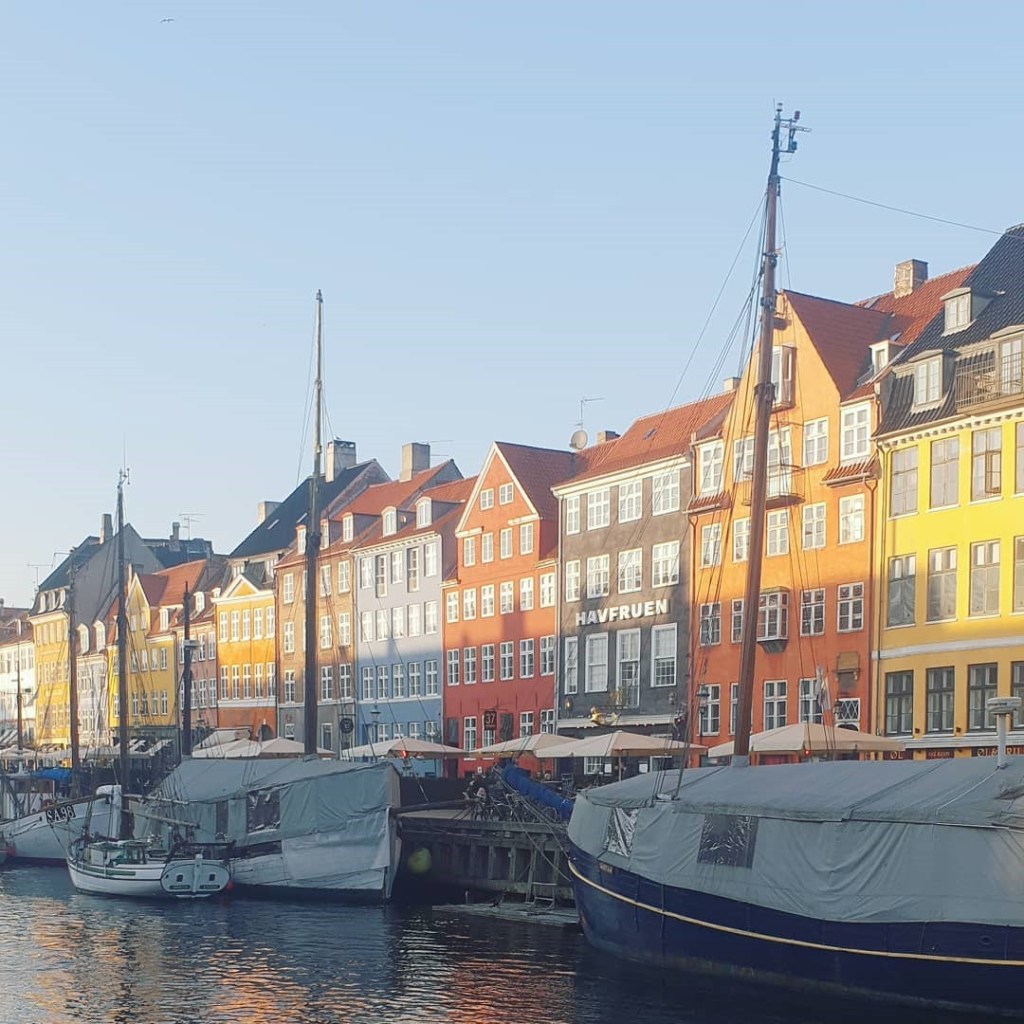
I’ve been in Copenhagen for about a month now – and am absolutely loving it! It’s the most beautiful city I’ve ever been to, and is full of historic architecture, cobblestone streets and canals. However, if you’re thinking of beginning your exchange in February, (during the Danish winter), bring a big, warm coat! The temperature shift was a bit of a shock, and I wasn’t as prepared as I could have been.
ACADEMIC LIFE
Orientation
I completed
orientation at the University of Copenhagen’s law school during my first week
here. It included a tour, a brief overview of the faculty’s teaching style, a
pizza lunch and student drinks. While orientation isn’t compulsory, it’s a
great way to start the semester! You’ll get the chance to meet other students
in your course and figure out where everything is – so I’d definitely recommend
it.
Facilities
The University of
Copenhagen is much larger than UTS and has multiple campuses all over the city.
If you’re studying law, you’ll have most of your classes on the South, or
‘Sondre’, campus in Islands Brygge, (which is a 10 minute metro ride from the
city centre). This campus looks quite a lot like UTS – and is relatively
modern. However, it also has water features and plants in various parts of the
building and is surrounded by student dorms.
University of Copenhagen – Faculty of Law
Teaching styles and assessment
The teaching style at
the University of Copenhagen is relatively similar to that of UTS. I thought
this was quite interesting, as I’m taking Masters courses at the University,
(as Bachelor of Laws subjects aren’t offered in English).
However, I don’t have any huge lectures for my subjects
– so far, all of my classes are seminars and mini-lectures containing 20-40
students.
While students are
still expected to participate in class discussion, there isn’t an assessable
‘participation’ component in any of my subjects.
At the end of most of
these subjects, you’ll have to submit a thesis on a topic that you choose.
You’ll have the opportunity to take some really interesting courses here, (that
aren’t offered at UTS), so pick a couple that you’re passionate about!
LIFE IN COPENHAGEN
Housing
During my exchange, I’ve been staying
at Basecamp Solvgade, (a hall of residence in the centre of the city). It used
to be a military barracks, and is right next to the metro, a couple of parks
and lots of cafes and supermarkets. If you’re interested in staying in a hall
of residence, book a spot as soon as the accommodation becomes available! The
affordable dorm rooms are taken very quickly, and there’s a housing crisis in
Copenhagen, (making it difficult for students to find sensibly priced apartments).
If you want to meet other students,
I’d definitely recommend staying in a hall of residence or dorm, as they’re
quite social. At Basecamp, there’s a big communal kitchen, a gym and a common
area. There are also regular trips to nearby cities, (like Malmo in Sweden)
which are really fun and a great way to meet other students.
Transport – bikes and metro
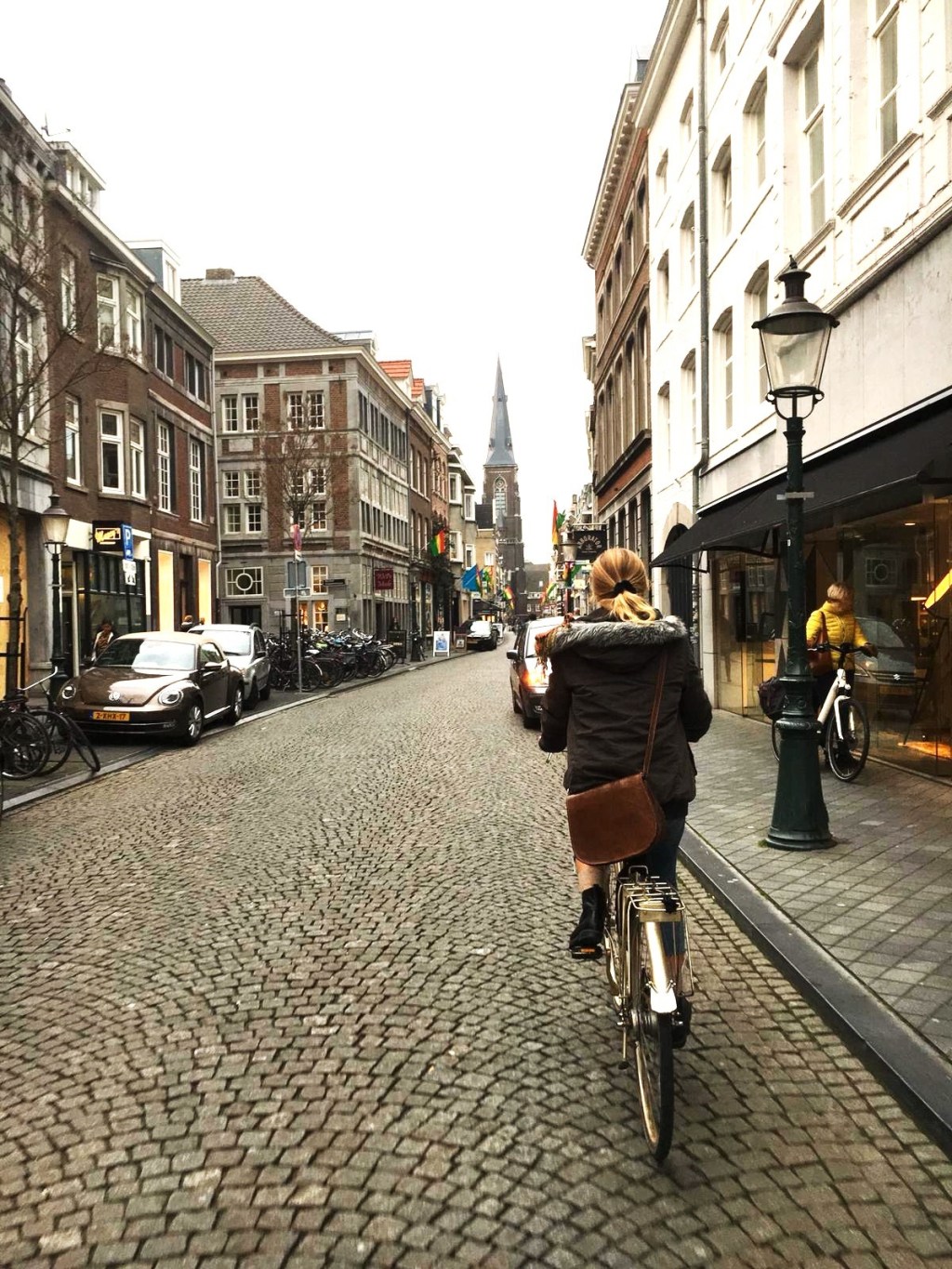
I was pleasantly surprised by how easy it was to get around Copenhagen. Most of the locals ride bikes everywhere! If buying a bike seems like too much of a commitment, you can easily rent one in the City. However, try and learn the road rules before you do. I nearly got hit by a car because I didn’t understand that you had to turn corners and signal in a particular way.
If you aren’t comfortable on a bike,
the metro and bus systems in Copenhagen are fantastic. I have noticed that
getting a student card metro-pass is a bit difficult, (and still haven’t gotten
mine). Since public transport can become a bit expensive, walking is also
another great option.
Food and Nightlife
There are lots of great food and
nightlife options for students in Copenhagen. At the start of the semester,
you’ll probably do a faculty pub crawl, (or two)! You should be introduced to
some places that do great student meal and drink deals. Be sure to check out
the meatpacking district if you’re keen for a boogie!
However, Copenhagen is, in my
experience, one of the most expensive cities in Europe. The best advice I can
give you is to cook about 90% of the time– as groceries are reasonably priced. Making
a meal roster with your friends, or cooking communal dishes 2-3 nights a week,
is a great way to keep things interesting.
There are also lots of bakeries and
hot dog stands that offer delicious, affordable bites to eat. The cinnamon
scrolls in Denmark are amazing and are something of a local delicacy – so try
one if you have the chance.
Travelling around Europe
If you go on exchange to Copenhagen,
try and go on a few weekend trips to neighbouring countries. There are regular
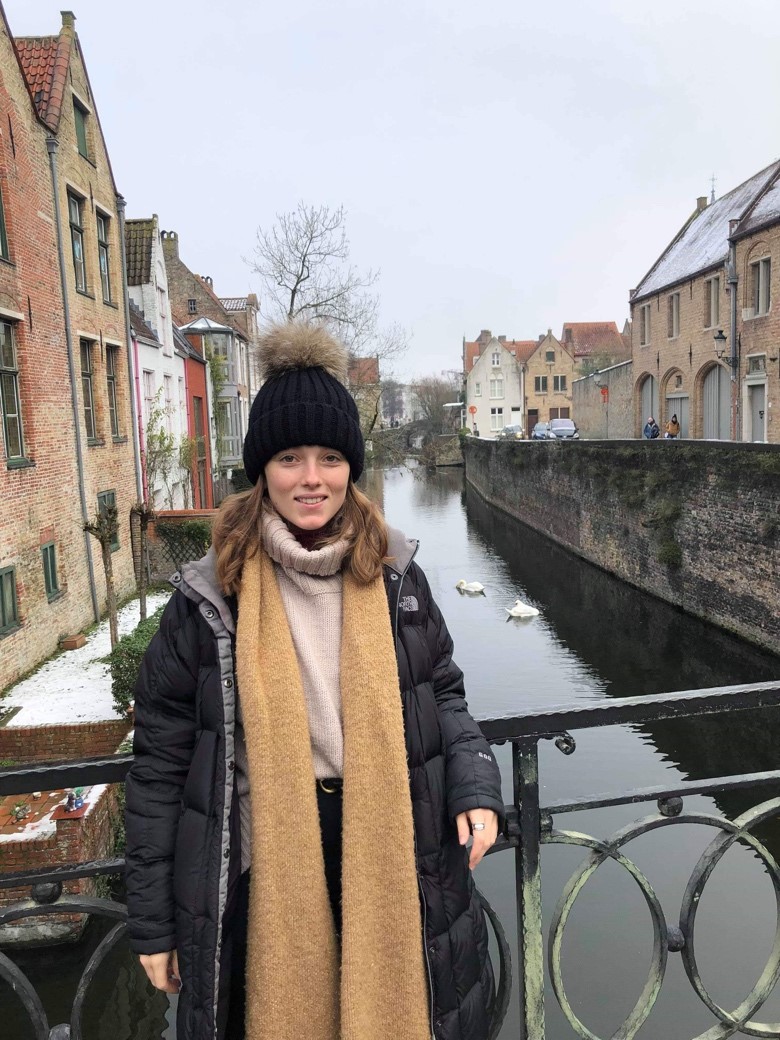
flights from Copenhagen to Berlin, London and Bruges! I recently went on a 5
day trip to Stockholm. I was able to travel there by train, and had a great
time.
If you’re thinking about going on
exchange to Copenhagen, and have any questions, please feel free to contact me.
I’m still getting settled in, but am absolutely loving it and couldn’t
recommend it enough!
Stockholm in winter
Gabriella Possati Bachelor of Arts / Laws University of Copenhagen Denmark
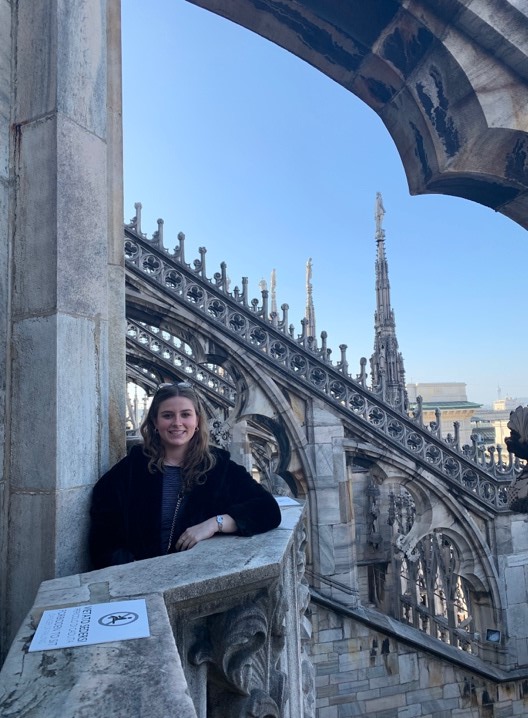
For my
exchange I attend Università Cattolica del Sacro
Cuore in Milan Italy. Cattolica is a city campus like UTS and this is something
that really drew me to this university due to the central location for touring
the city of Milan. On of the main things I love about Cattolica is that the
main university building is inside an old monastery. Thus, the facilities are
rather different to the modern campus of UTS. My classes are all in the
international building which is around a 5-minute walk from the main building.
The classrooms in the international building are a lot smaller than what I am used
to at UTS with only enough seating for about 40 students in each room.
Something that I have struggled with is the facilities in Cattolica lack of
shared work and chill spaces around the university. During my breaks, I have to
go to a nearby café to study as there aren’t any nice work spaces around the
international campus.
Additionally, the teaching style at Cattolica is rather different than what I’ve experienced at UTS. One of the main differences is that my classes are twice a week and they do not consist of both lectures and tutorials but rather a mix of both. These two hour classes include both team work, interactive work as well as lecture like material. This is something I found interesting about the structure of my new classes and is one of the key differences between the teaching style at Cattolica and UTS. Another key difference is that Cattolica takes a less practical work ready approach, where as my classes at UTS are very focused on preparing students for work in their future career, while Cattolica takes a more traditional approach to teaching. Additionally, something I have found interesting is that at Cattolica they do not allow students to use laptops to take notes. At first I struggled to write my notes fast enough and keep them organised however, after a few weeks I got used to it again.
For my course work here at Cattolica, I study mostly communications classes which is the same as at UTS. However, although my classes in Milan are focused on communications, the classes here relate less to public relations like my classes at UTS and are more focused on sustainable and green communication, purpose brand communication and communicating via television and music. At UTS I study classes that are primarily focused on my major of Public Relations. I enjoy these differences as it gives me a varied approach to understanding communications. Another difference with what I study in Milan is language. At Cattolica I am studying Italian language, something I have never studied before. I have always wanted to study a language so studying Italian while being in Italy is truly an amazing experience and helping me navigate life here!
Arabella Walton Bachelor of Communications Università Cattolica del Sacro Cuore Italy
I’ve
noticed a lot of the past blog posts about the ‘University of Nottingham
Ningbo’ (UNNC) appear to share something in common: people seem to be confused
why one would undertake exchange in China. To be fair, when initially deciding
on your exchange preferences, UTS will inform you that the UK, US and (to a
lesser extent) Europe are the most popular choices.
I
feel I can provide quite a unique perspective on the whole ‘popular
destination’ vs. ‘off-the-beaten-track destination’ debate though, since I’ve
literally just completed an exchange at ‘Erasmus University Rotterdam’ (EUR) in
the Netherlands. In-between, I had two weeks at home. Most of this time was
spent at UTS completing a Summer course, eating as much Sushi-Hub as I possibly
could while I had the opportunity and running around Sydney applying for
visas/booking flights etc. The gap between my exchanges was so brief that I
missed all the orientation programs at UNNC and one whole month into my time in
China, the ads on my YouTube and Facebook are still in Dutch. Essentially, I
travelled from the largest port in Europe (Rotterdam), to the largest port in
the world (Shanghai, an hour from Ningbo).
Despite
being located on opposite edges of the world, there are a lot of similarities
between my Universities in Ningbo and Rotterdam. The learning facilities at
both Universities are comparable to UTS, with opening hours suitable for all
those assignments you’ll inevitably leave to the last moment. All my classes have been in English at both
Universities, with tutors who teach in the same style as those at UTS. Both
Universities require you to attend a relatively similar number of tutorials and
lectures as UTS, depending on your degree. The topics I’m studying are mostly
the same as they’d be back home. Don’t get me started on organising a timetable
at an overseas university; seems to be an absolute headache regardless of where
you undertake your exchange.
However,
in terms of differences, I feel like you probably already have a general idea
of what you’re getting yourself into when choosing between two locations like
the Netherlands (and Europe) and China. The whole “population of China is 80x
that of the Netherlands”/ ”the entire rental period of my accommodation in
China cost the same as one month of rent in the Netherlands”/ “ I should
probably (definitely) get a VPN” thing.
So
instead, I’ll try and focus on some differences that you can’t just Wikipedia.
Travelling in Ningbo Vs. Rotterdam
First,
most important thing to consider: unless you can speak the local language, it’s
far easier to travel in Rotterdam and Europe than Ningbo and China. To be
honest, one month into my exchange I wouldn’t even know what Ningbo really
looks like.
Apart
from a recent hiking and camping trip in the mountains to the west of Ningbo
with the University Climbing Association (I’ve attached the pictures), I’ve not
really explored the city and China too extensively yet. Apart from the language
barrier, that might be partly because I’m a little worn out after my exchange
in the Netherlands; or because I’m just settling into the infrastructure of a
new city and country; or (most probably) because after a semester in Europe,
every time I open my wallet it does that thing the book Harry Potter opens in
the restricted section does (very niche reference, Google it). However, I feel
it’s mostly that UNNC is just a very cohesive campus that doesn’t require you
to stray too far away, but rather encourages you to hang around and get
involved.
Almost
every student lives on campus at UNNC. Every business and service you’d need is
here including banks, supermarkets, a (free for students) gym and four separate
canteens. There are beautiful lawns and a lake that dominates the campus
landscape, along with regular movie screenings and sports clubs to join. UNNC
doesn’t possess any architecture of the superb quality of the UTS Tower
Building, but I can forgive that. While the campus of EUR was similar in a
sense, I found it to be far less of a community than UNNC.
In
Europe I was very motivated to get out of Rotterdam on the weekends via bus to
see sites like the Eiffel Tower in Paris or to enjoy a few steins at
Oktoberfest in Munich. Meanwhile, I’ve found it’s very comfortable to just
spend time close to campus in Ningbo. Also, if you make friends in those first
few weeks, you’ll have a big crew to organise trips with down the line. Don’t
get me wrong, I’m definitely keen to travel (I’m currently planning trips to
Beijing, Shanghai and Chengdu) and to properly immerse myself within Chinese
culture. However, I think in China it’s best to become comfortable first before
really hitting the road. Like everyone who spends a semester abroad, I do
absolutely recommend travelling as extensively as possible while on exchange.
Some of my best memories from the past semester in Europe where spent in
locations I never expected I’d visit.
Negotiating the infrastructure and the amount of English spoken in China is far more difficult than in the Netherlands and Europe. As such, it’s important to emphasise that you’ll definitely want to make sure you have some friends (along with ‘Google Translate’) on board. In my all European travels to locations like Portugal, Slovenia or the UK, I never experienced a challenge like getting to Ningbo from Shanghai after my flight into China. It went about as well you’d imagine, considering I was alone, with no WIFI, never having been in China before, all while very sleep-deprived. Ultimately, a journey of roughly 200km required a bus, a bullet train and a taxi, and took me a whole day to complete. If you do come to Ningbo, definitely don’t be disorganised like me: either book a (more expensive) flight directly into Ningbo or make sure you organise a Shanghai airport transfer via UNNC.
Students and Language in Ningbo Vs.
Rotterdam
UNNC
is a campus of the University of Nottingham in the UK, so every class is in
English using the same curriculum as the UK campus. Therefore, all the local
students are fluent in English and the language barrier isn’t as prominent as
you might imagine it’d be. It’s quite easy to make local friends if you’re
willing to socialise and put yourself out there. This is much the same as the
Netherlands. Despite Dutch obviously being the first language of the campus, I
don’t think I ever felt isolated or troubled by my inability to speak it at
EUR.
However,
in comparison to EUR, most of the businesses on campus at UNNC are run by
workers who speak minimal English. This can make for a challenge, like when
you’re trying to set-up your WIFI, open a bank account or (more of a laugh than
anything) attempting to take a yoga class. I actually enjoy this aspect of the
UNNC campus though, as it provides you with another avenue to make friends with
local students who can help you out. You can also rely on other exchange students
and struggle through your Yoga classes together.
Of
the exchange students at both of the Universities, I’ve found so far that there
were a lot more exchangers at EUR than UNNC. For example, in Rotterdam I had a
large group of friends solely from Universities in Sydney. By some strange
stroke of chance, I was even placed in a three-person dorm with another student
from my core degree at UTS.
Meanwhile,
at UNNC, I am one of only two Australians. While the diversity of nationalities
is similar to EUR, because there are less exchangers, I feel the entire
exchange cohort is a lot tighter at UNNC compared to EUR.
Student Housing in Ningbo Vs.
Rotterdam
Quite
a substantial difference. In all honesty, the student housing at UNNC makes the
residences at EUR look like a boutique hotel. This is probably more of a
reflection of how great my accommodation in Rotterdam was, rather than of how
average the student accommodation in Ningbo is.
I
won’t go too far into detail, because the quality of accommodation shouldn’t
really affect your exchange experience, but I never felt compelled to wear
thongs in the shower at Rotterdam (also, call thongs “flip-flops” while on
exchange or just anywhere that isn’t Australia. Thank me later).
Now
that I think about it, this comparison is pretty pointless, because student
accommodation varies at every University in Europe. However, there are a few
things I think it’s significant to note about Ningbo student housing. Firstly,
in the student accommodation at Ningbo (or at least in Building 20 where I
live) the bathroom sinks and kitchen are in the same room. By “bathroom” I
really just mean two sinks and a mirror; by “the kitchen” I really just mean
one hot plate and a kettle. No one really uses it, except for when packet noodles
and tea/coffee are necessary. Instead, everyone usually meets in one of the
canteens for meals. It’s a really communal, enjoyable and affordable way of
eating and definitely one of my favourite aspects of campus. The canteen food
is absolutely unreal if you find the right places. I’ll leave that up to you.
Also,
there’s the option to choose a one-person room in Building 11, or a four-person
dorm room in Building 20 or 18 for a lot less. Definitely go the dorm. I know
it’s more comfortable to live alone, but you’ll make friends more easily in a
shared dorm. Just try not to get Room number 4 in your dorm. It shares a (very
thin) wall with the toilet, so you’ll know if anyone needs to use it during the
night.
Finally,
the best thing about student accommodation at UNNC is that it’s guaranteed if
you’re an exchange student. This takes away the stress of deadlines and the
fear of missing out (like many of my friends in Rotterdam did at EUR). Much
appreciated.
BONUS QUESTION: undertaking two
separate, consecutive exchanges Vs. just a single exchange
Plenty
of people don’t actually know it’s possible to do two exchanges back-to-back in
different locations; people seem surprised when I tell them. For many degrees,
it isn’t really an option due to study requirements. It requires a lot of
planning and organisation, both by yourself and by the UTS exchange office
(bless them). I organised my entire Chinese exchange via online correspondence
while in the Netherlands.
It’s
easy to say “yeah, definitely do two exchanges in completely random locations
if you’re able to, what a good time haha lol”. However, I wouldn’t really agree
with myself if I were to pretend it was that simple, despite the fact that I
certainly thought it would be when I initially made the decision.
I’ve
found that at times my experience in the Netherlands was sort-of muted, or felt
less important, because I knew I had another whole semester to go at a
different University. When a lot my friends were getting emotional at the end
of our time on exchange in the Netherlands, I instinctively found myself
thinking “this isn’t it for me, I’ve got another whole semester abroad to go”.
At the time, rather than feeling like one cohesive experience (like it was for
all of my friends), my time in the Netherlands felt like one half of a larger
journey. Looking back now, it was definitely an experience in itself, but at
the time I definitely remember feeling a bit strange.
Now
that I’m in China, it doesn’t really feel like the “second half of the experience”
I anticipated it to be. It sometimes feels like a sort of bizarre detour after
my “real” exchange has been completed. It certainly feels different to how I
imagine spending one whole year at a single location would. Truthfully, it’s
hard to properly evaluate these things until after they’re complete.
I
understand that many people go overseas for years at a time and it doesn’t seem
to bother them. I also understand that this might make me seem slightly
ungrateful for the opportunity (promise I’m not). All I’m saying is that the
bureaucracy and organisation and time away from home going on exchange twice
consecutively requires is quite exhausting. The fact that you’re spending your
time on exchange in two distinct locations, with two groups of people, without
really any time to return home in-between will definitely shape how you
conceptualise and view the experience as a whole.
It’s
rewarding, exciting and a great way to experience different cultures, countries
and learning styles. However, it’s important to understand that there are
challenges. Ultimately, while I am personally very glad that I made it to China
after the Netherlands, if you do decide to undertake two separate, consecutive exchanges,
I’d recommend you give it a good think first.
If you have any questions about UNNC, feel free to shoot me an email at Jed.R.Nielsen@student.uts.edu.au / hit me up on Instagram @jednielsen
Jed Nielsen Bachelor of Communication / Bachelor of Creative Intelligence and Innovation University of Nottingham Ningbo China
Australian Government New Colombo Plan Mobility Grant recipient.
After receiving an email through UTS about the AIM Overseas exchange program I saw they had a three week program going to the United States of America. This was the perfect amount of time for me as a semester or year always seemed too long. The program was structured around the topic of Social Media in Business and Digital Marketing at the University of North Carolina, Charlotte. Living in a dorm for three weeks with the others in the group was such a fun experience but also taught me about how to live and get along with others in such a tight-knit group.
I was able to gain an understanding in the topics that were discussed: Innovation and Big Data, Social Media and Analytics and Digital Marketing and Analytics, along with building on my previous knowledge. We got to listen to speakers from companies such as University of North Carolina, Charlotte, Bank of America, Allstate, The Hornets, Red Ventures and The US National White Water Center. These industry talks were such a great way to learn from professionals in the industry and have our questions heard and answered.
We had a free weekend scheduled in the middle of the program which was a great way to get out and explore the country we were in. A few of us took the opportunity to fly up to New York City for the weekend which was a great way to break up the study and have time to visit one of the most talked about cities in the world! We had such a blast trying to fit as many activities into the weekend and managed to tick off the majority of our first choices; The Empire State Building, Top of the Rock, Central Park, Times Square, The MET, Grand Central Station and a couple of other sites.
This program was an overall amazing experience topped off with my own travel carried out before I got to Charlotte. This was an amazing opportunity for me to have my first long solo travel trip. I would definitely recommend going on this short study trip as it was credited for one whole subject as well as giving me valuable life experiences through the program and on my own.
Maastricht is a small university city
located in the south of Holland. There are many reasons why I chose this
enchanting little city for my exchange and since I have been here the list has
grown!… The traditional Dutch houses, the biking culture, the
affordability of the city and the variety of courses the university has to
offer. I’ve fallen in love with the adorable narrow cobbled streets
and the old wall that winds its way through the city. Maastricht has a
great central location in Europe, making nearby cities like Luxemburg, Cologne,
Brussels and Amsterdam only a short train ride away. As a university city,
Maastricht has everything to offer including cosy cafes to study in, cheap
places to eat and great bars and clubs. After growing up in a big city like
Sydney, I’ve come to appreciate how small Maastricht is. Everything is within a
15 minute bike ride away and after being here for only a few weeks I already began
running into people I know! Last but not least I cannot go without mentioning
one of the best experiences I have had here so far… Carnival! Carnival is
when daily life comes to a stop and Maastricht transforms into one big
celebration. Everyone dresses up and hits the streets to watch the parades and
party!
University
Life
Experiencing life at a different university has been amazing. I chose to use my electives on exchange, which has enabled me to explore a variety of subjects separate from my Medical Science degree including psychology, cultural studies and a Dutch language course. During the orientation at the University College of Maastricht (UCM), you meet most of the other exchange students. The university does a brilliant job of organizing parties, karaoke nights and pub-crawls in the arrival week where you are guaranteed to make friends! The main aspect of UCM that sets it apart from UTS is the use of a particular learning method called Problem- Based Learning (PBL). All the exchange students are accustomed to this method during the orientation sessions. Typically students attend a lecture and two PBL tutorial sessions for each subject per week. A PBL tutorial is comprised of 12 students and a tutor. The session is purely student driven with an allocated ‘group leader’ and ‘note-taker.’ Students discuss the readings in relation to learning goals, while the tutor steps in to clarify key concepts. It’s difficult to fully understand PBL if you haven’t experienced it before, but I can assure you that I am a huge fan! It’s taught me to be a more active and confident member during group discussions.
Accommodation
While most exchange students booked a
room at the Guest House, I am part of the minority that got accommodation independent of the
student housing. Booking accommodation at the Guest House is definitely more
secure, however I found myself extremely lucky to get a great sublet close to the city centre. My flatmate is a local and we get on
extremely well. She’s given me lots of tips about what to do in Maastricht and
its great to have someone around with whom I can practise speaking Dutch!
Living with her has been a great way to immerse myself in the culture and daily
life in the Netherlands. One of the chief reasons why I chose to go on exchange
in the Netherlands was the cultural aspect. As an exchange student you sometimes
find yourself in a bubble of other exchange students. There is of course
nothing wrong with that, however I think living outside the Guest House has
enriched my cultural experience in that respect.
Tips
During the organization process (which
is long I know!), do everything as soon as you can. Make your exchange almost like
another subject at uni with a folder where you keep all your notes and official
documents. Being organised is a must and there are so many people out there to
help you.
Make the most of arrival week! This is
where I met most of my friends who I hang out with on a daily basis. Do
whatever you can to show up to every event!
Try lots of new things. When you’re on
exchange you’re in a completely new physical, academic, cultural and social
environment. Notice the new and unfamiliar opportunities that present
themselves and have the courage to make the most of them.
If you are considering doing an exchange, stop considering…DO IT! Yes, you’ll be put out of your comfort zone. Yes, it will take organizing. And yes, you’ll need money. But I urge everyone to make the most of such an amazing opportunity. A student exchange is a priceless experience that opens so many doors in life.
Elisa Holdik Bachelor of Medical Science Maastricht University The Netherlands
Hallo uit Tilburg! I’m just at
the end of my second month here in Tilburg and LOVING every minute of it.
ACADEMIC LIFE
The standard of work here at
Tilburg is much the same as at UTS although many of the law classes have 100%
final exams. Most subjects have one lecture/seminar per week and tutorials
don’t seem to be too common within the law faculty. The courses are a tad less
structured which can be challenging but the content is very interesting and I’m
doing lots of social science based law subjects which are not available at UTS,
e.g. History & Theory of International Law.
TILBURG & THE NETHERLANDS
I truly think the Netherlands is
the perfect country for exchange – its central location makes it the perfect
base for weekend travel throughout Europe (how can you say no to 35 euro
flights?) and it’s a really beautiful country especially now that Tulip Season
has begun!!! Also EVERYONE in the Netherlands speaks perfect English so it’s
much easier to do things like apply for your residency permit and open a bank
account.
Tilburg itself is very chill and
much prettier than I was expecting. It’s quite a small student town but still
big enough to have a bunch of bars and clubs and plenty of shopping options.
Most importantly, it’s close to Eindhoven Airport which makes it very
convenient for travel. At 2 months in, I’ve already travelled to Belgium,
Paris, Cologne and Poland with upcoming trips to Iceland and Scotland in the
next couple of weeks!
VERBS
To affirm every Tilburg blog post
you will ever read, live at Verbs! I was very hesitant about the idea of
sharing common spaces like bathrooms/showers/kitchens with so many people
(either 6 or 17, depending on your floor) but I was really surprised at how
easy it was once I got here. It’s also an amazing way to meet and get to know
other international students – I share my floor with students from Chile,
Finland, Sweden, Brazil and the US.
I found the 6 person floor perfect for me – all
my friends are close by and I can hang out with them upstairs but I can also
retreat to my own (quieter) level when I need a night in.
PRO TIP: since rooms at Verbs
sell out within minutes, don’t worry about selecting a particular level/room
and make sure you skip through a few pages, because everyone will be clicking
rooms on the first available page.
Don’t worry, if you can’t get a
place at Verbs there are lots of other student housing options plus you’ll be
partying at Verbs every week anyway so you won’t be missing out!
VERBS!
TOP WEEK
The orientation program was
organised by the student association, IESN, and while it was very hectic, it
was also lots of fun and there were great opportunities to meet new people and
make friends from all over the world. The program contained activities like ice
skating, city tours and city races during the day and each night ended in a
huge party at Carpe – the student night club.
In Rotterdam during the IESN City Race
So ultimately, if you’re looking for a host university where you’ll make a tonne of friends, travel a heap and experience a really cool student lifestyle, Tilburg is the place for you. I just have one complaint: the coffee is TERRIBLE everywhere!!
Clare Giugni Bachelor of Law/Bachelor of Communication Tilburg University The Netherlands
The past three weeks have been a whirlwind of animal cafes, shopping at fake markets, ancient water towns and every single type of Chinese food under the sun. It still felt surreal that I was going to live in China for the next 6 months until I stepped out of the airport and got hit with that chilly 2 degrees Shanghai winter air (a ‘warm’ welcome coming from 40 degrees Sydney). After arriving about a month ago and currently now in the middle of week 4 of the semester, I have pretty much adapted to life here. My classes are only on Mondays and Wednesdays, meaning I have a lot of time to travel around the area (which I strongly recommend because China is HUGE). I’ve already been to Suzhou (pictured above), a perfect example of one of the many water towns surrounding Shanghai. But in Shanghai itself there is still so much to explore; restaurants, cafes, malls, zoos, museums, gardens, parks, Disneyland, historic buildings, the biggest Starbucks in the world, even walking around the streets you’re bound to run into something interesting.
I’m currently studying at Tongji
University (School of Economics and Management) which is located a few stations
away from the city centre. The campus itself is STUNNING (pictured below) and A
LOT cleaner than I expected. It is currently the beginning of Spring, and the
cherry blossoms are almost blooming. I’ve heard that at full bloom, tourist
come in droves to the campus just to admire them.
My classes are quite similar to UTS
classes however the tutorials and lectures are combined into one class (part of
the class we’ll be listening to the teacher talk, while another part will be
more interactive). One of the only differences is the use of Chinese companies
as examples which is incredibly interesting as China is a top player in many
industries e.g. E-Commerce. If you are learning Chinese, your languages skill
will definitely improve here (but only if you are intentional about using it),
i.e. it is possible to go about things using just English (for those of you who
don’t know Chinese).
The absolute BEST thing about China
is that everything is SO CHEAP (especially compared to Australia). I regularly
eat at the uni canteen (there are seven on campus) and a full meal usually
costs between $1.40 and $2.80 AUD. The metro is also very cheap (usually $0.60
or $0.80 AUD per trip) and the university has its own station, with trains
coming every 3-4 minutes. And having WeChat Pay and Alipay is extremely
convenient (its ruined me, don’t think I can go back to the Australian way of
paying).
Overall, Shanghai is incredibly exciting and lively city, where you’ll never run out of things to do. Everything is relatively cheap and convenient, and the people are always willing to help out a struggling laowai.
Vanessa Hayes Bachelor of Business Tongji University China
Flying out of Sydney on December 31st 2018, watching the New Year’s Fireworks from the window of my plane, I knew the next six months were going to be a fantastic experience. From the first moment I arrived in Zürich I was blown away by the city. On one of my first days in town, I spent hours walking around the alley ways of the historic old town with a pastry in one hand and the other tucked away to avoid the cold. Life in Zurich is very different to life in Sydney, the city moves at a more relaxed pace during the day, and at night the music districts come to life with local and international acts playing in tiny underground bars. On Sundays however everyone leaves the city for a day skiing in the alps, or a hike on one of the nearby mountains.
Overlooking the
historic old town on Zürich is the university of Zürich main campus, located
right next to the ETH. Both universities are incredibly beautiful, with very
impressive facilities across all of their campuses. The collaboration between
the universities in Switzerland is also remarkable, allowing me to take classes
at one if they aren’t offered at another. Classes are taught in a very similar
way to home. Generally course sizes are somewhat smaller though which I am
enjoying as It allows you have more personal relationships with professors and
teaching assistants. The subjects I have chosen to study range from
astrophysics to genomics and almost all consist only of lectures which works
well when you’re looking to travel on weekends. Beyond the academic, UZH offers
free sports facilities and classes to all students allowing me to try new
activities such as Yoga and group training, which is necessary considering I
live next to a bakery with some of the best bread I’ve ever eaten.
University
housing in Zurich is very comparable to what is offered in Sydney. Additionally
the international student network organised by the university runs fantastic
events almost every week which made it really easy to make friends. We quickly
built up a large network on exchange students who hang out most days and travel
together. Life as an exchange student is very different to what you experience
at home. The opportunity to live autonomously in a foreign country, with no job
and very few responsibilities is one we are incredibly lucky to have.
Switzerland has been full of surprises since I arrived and now in my second month here, I am having more and more fun every day. Meeting people from all around the world, travelling to a different major European city every weekend and learning more about other cultures and my own is an invaluable experience that I will never forget. If I had one piece of advice to offer potential exchange students I’d tell them not to worry before you go. Although it’s a daunting experience leaving your home for half a year, everyone else is in the exact same position you are, and the experiences you gain and friends you make will be with you forever.
Lilian Hoch Bachelor of Biotechnology University of Zürich Switzerland
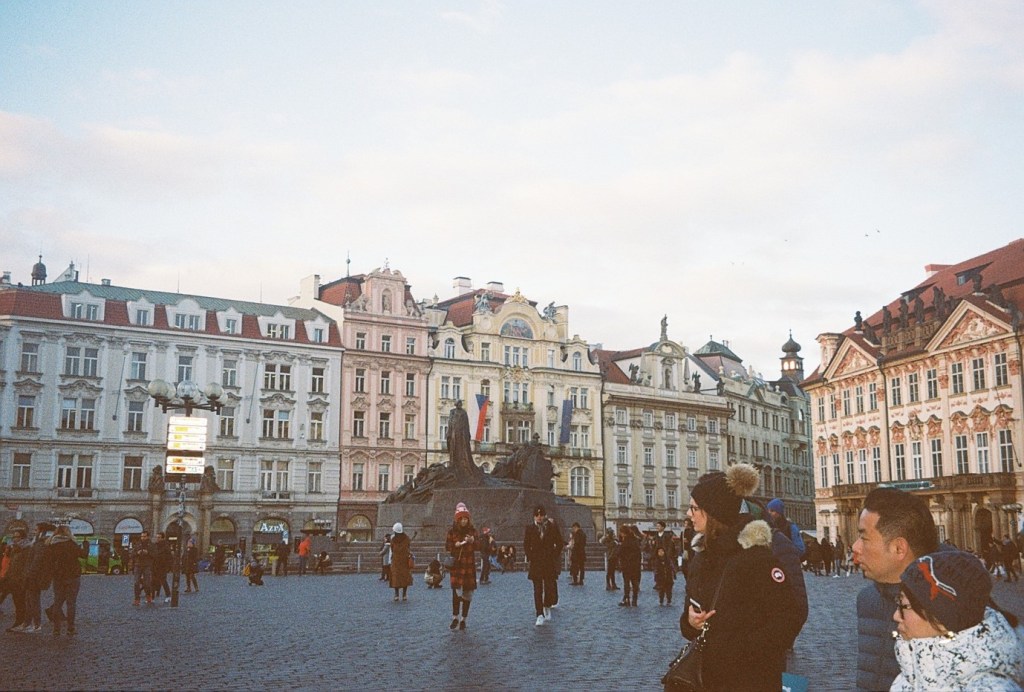
As
the only UTS student heading to Prague for exchange this semester, it’s safe to
say I was pretty nervous on the flight over. A new city where English isn’t the
first language and I knew absolutely no one, I had mentally prepared myself for
some culture shock and a bit of an adjustment period. 6 weeks later and from
the day I got off the plane until now I have been having the time of my life.
As much as this is an experience that has challenged me and put me out of my
comfort zone, I also felt at home almost instantly, as VSE works hard to make
the transition into life here a breeze. I am so in love with Prague as a city,
and the community of people that is formed through the exchange program at VSE
is so welcoming and diverse that you are bound to get along with everyone and form
a great group of lifelong friends.
In
terms of uni life, the study load here is pretty easy going. The study load is
light and (depending on the subject) the assignments are no harder than what
you’d have to do in most first year subjects. The lecturers are usually not
native English speakers which can sometimes be tricky if they have thick
accents, but ultimately has not been a huge issue.
So
why Prague? I think the three things that make exchange in this city so great
are:
It’s cheap. Accommodation, food and drink are all very cheap here. This makes it very easy to justify doing all of the fun things you want to do during the week with your friends here, like go out for food and drinks or go to the movies, and still know that you have enough saved up to do all of the travelling you want to be doing throughout the semester. This has definitely taken out some of the stress that can be involved with exchange and sticking to a budget.
It’s central. Prague is very central within Europe which makes it easy to go on weekends away on more of a budget. With cities like Berlin, Krakow, Vienna, Munich and so many more all a bus trip away, a return trip won’t cost you more than 30 euros, which means that if you decide on a Thursday night you’d love to go somewhere else for the weekend, you can do just that!
It’s fun. Prague is known for having good nightlife. With some of the biggest clubs in Europe and many people heading here just for a good night out, it is hard not to have a good time here. VSE is also great at organising events for the exchange students, with day trips, cultural experiences and parties every Tuesday night just for the exchange students, which are always a bunch of fun. All of these events are especially valuable in the first few weeks as they are a great way to meet people and make friends.
Ultimately, I cannot fault any part of my exchange experience so far. If you are looking for a more challenging academic environment than UTS for your exchange, it might be wise to look elsewhere. But if you are looking to make friends, see and experience as much of Europe as possible, and have a tonne of fun, Prague could just be the perfect place for you.
Erin Clarke Bachelor of Economics University of Economics (VSE) Czech Republic