Taking the leap to move to a foreign country can
stir a range of emotions. The need to adapt to a new culture, way of life and
learn a new language can be overwhelming. Despite all this, exchange is the
most rewarding experience and I don’t have an ounce of regret as I sit here and
write this.
I’m currently on exchange at Bocconi University
in Milan. While it may not be the most beautiful city in Italy, living in Milan
has a unique charm and is one of the best choices for an exchange
destination.The teaching style at Bocconi is mostly similar to UTS, however
rather than a tutorial and a lecture, you have 2 lecture style, interactive
classes on a smaller scale. Being a private business centric university, the
level of education and facilities are top quality. My professors have a range
of experience and come from not only Italy but Denmark and the US. Unlike UTS,
assignments are optional and you are able to opt to just take a final exam
worth 100% depending on the subject. Being the fashion capital of the world,
they even offer a subject in Management of Fashion companies. Just the other
week was Milan Women’s Fashion Week and the Max Mara show was actually held
inside one of the Bocconi buildings.
Student housing is limited at Bocconi given the
high intake of exchange students. Prior to my arrival I found out that I had
been put on a waiting list and had been so stressed and disappointed. Luckily,
after much research I stumbled upon a private room in a shared apartment up the
road from the University. I now live with 17 other students and workers from a
number of different countries and I’m so glad that student housing didn’t work
out. Living with so many people might seem like a challenge but it is by far my
favourite thing about living in Milan. From multiple house parties, to watching
the soccer or just chilling, I’ve got a family away from home and made so many
life long friends.
Milan’s central positioning makes it the perfect
place for travel anywhere in Europe. In my first month of being here, I’ve already
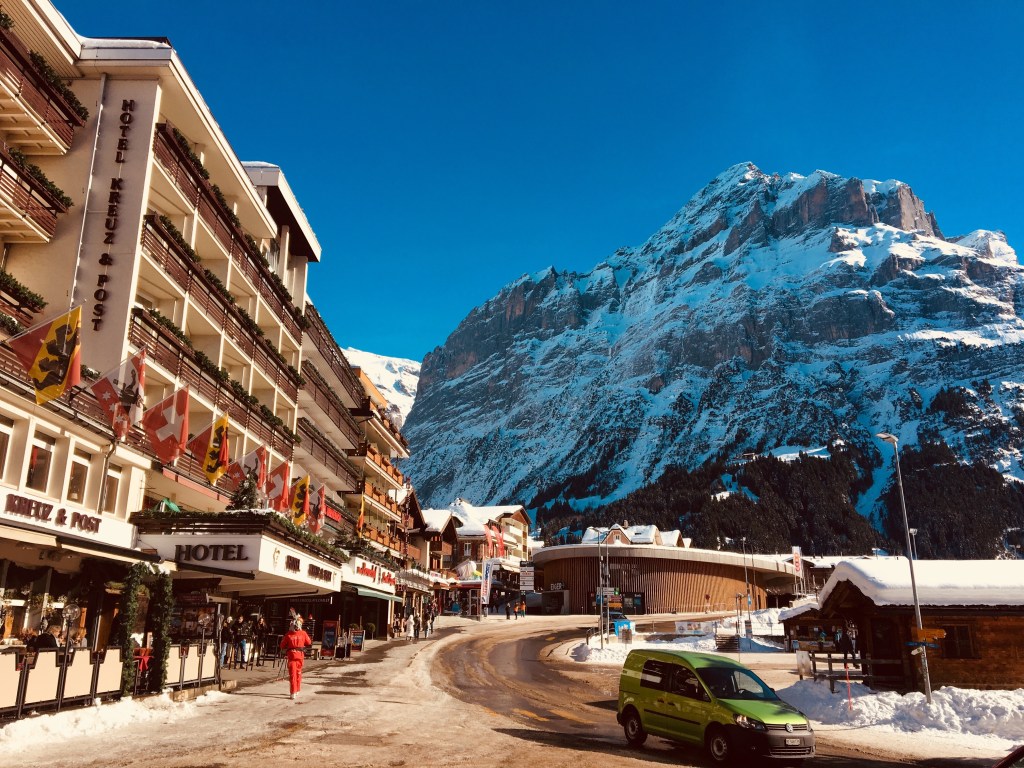
been on several weekend trips to Switzerland and other places in Italy
including Tuscany, Torino and Verona to name a few. Most recently I attended
the The Erasmus Student
Network (ESN) organised
trip to Carnevale in Venice and Padova which was an unforgettable
experience. ESN is the exchange student social organisation which holds a
number of events, parties and trips throughout the semester. They foster the
growth of many friendships and ensure that you have the best time possible on
your exchange.
If I have any advice for anyone considering an
exchange in Italy, it is to just embrace everything that is thrown your way.
Take the Italian Crash course
at the start of semester and at least learn the basics of the language. It’s
also the perfect way to meet new people right at the start
Try and speak as much Italian as possible and immerse yourself in
the culture. Go to Apperitivo (Italian pre drinks/dinner), eat your body weight
in pasta and learn the Italian way of life
Travel, explore and don’t be afraid to get lost, you will always
find your way back
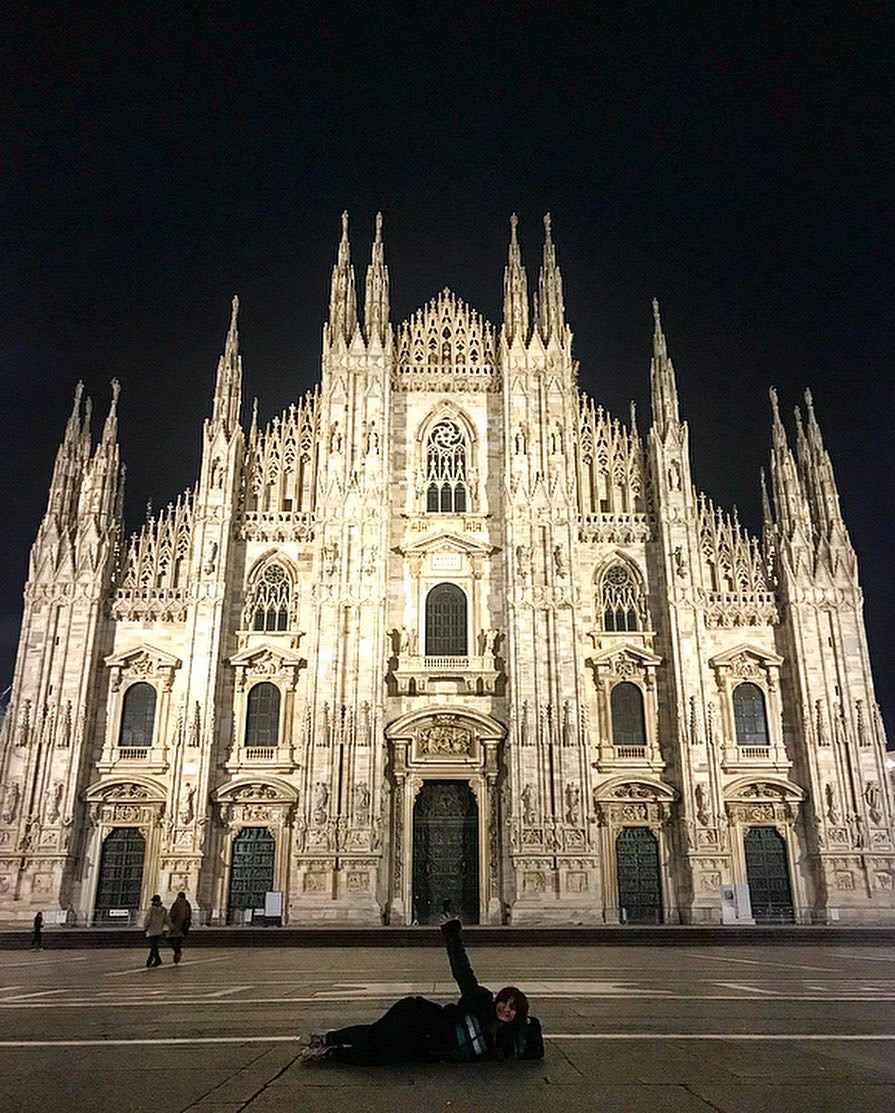
If you want good photos in front of the Duomo without a crowd, go at
1am
Make the most of every second because time flies by
Victoria Moliterno Bachelor of Business Bocconi University Italy
I’ve been here for two months now and can honestly say it’s been one of the best experiences of my life! The city is bigger than expected – lots of shops, cafes and bars. More importantly, the people you will meet and the experiences you will have are larger than life. I live at Verbs, Tilburg’s main form of student housing, which is incredibly hard to get into because it is the best place to be. If you don’t end up living there – you will end up partying there anyway! I live on a floor with 16 other international students, which predictably has its ups and downs, but has meant that I have a family away from home who I will treasure for life.
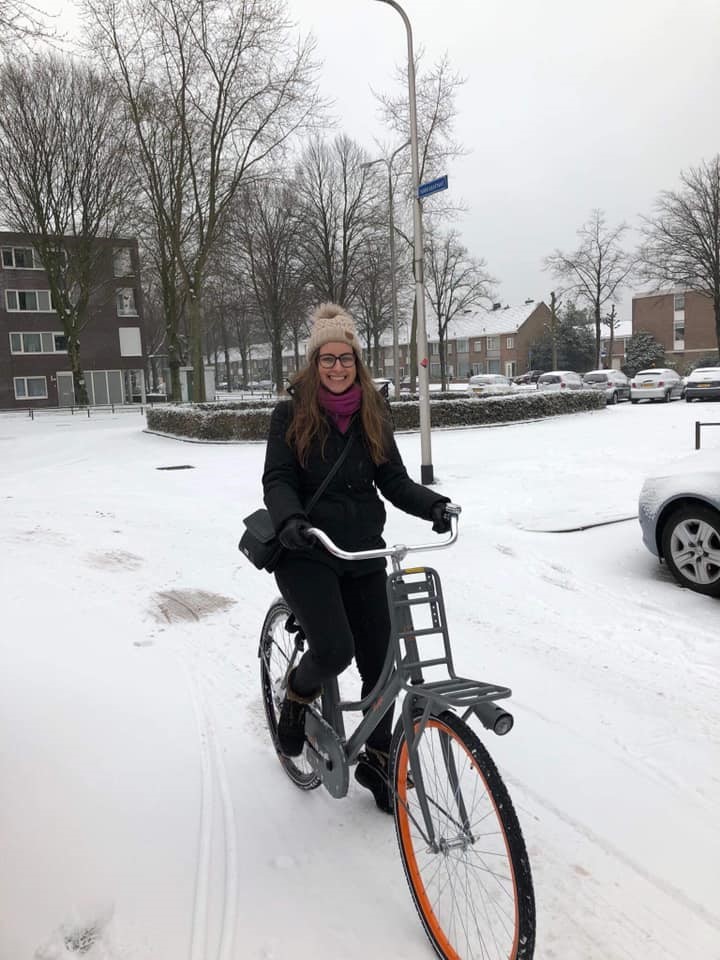
Getting used to riding a bike anywhere and everywhere,
in all weather conditions (including snow) has certainly been an experience –
particularly after nights out!! Definitely a fair few bruises sustained in the
first weeks! Now I can safely say I couldn’t imagine getting around any other
way.
Academic life has been fairly breezy so far – with
only two days of classes of week it has allowed us to travel a lot already. As
assignments become due however, it is certainly set to get a lot harder! The
teachers and lecturers all have a slightly different style which has been
something to adjust to, but it helps that we can already speak English as a
first language.
The introductory weeks at Tilburg were a lot of fun –
with themed parties, ice skating, an amazing race around the cities of the
Netherlands, and…CANTUS! One of the downright craziest events I have ever been
a party of, but probably the most fun I have ever had. Essentially, over a 1000
people are in a warehouse sitting on long benches with a band singing songs at
the front. Every second song would be a Dutch drinking song – and at the end of
this everyone in the room has to finish their beer! There is lots of dancing,
singing, conga lines, confetti, and beer throwing – making for one insanely fun
night!
Essentially, I couldn’t recommend Tilburg enough – it’s just impossible not to have a good time and make incredible memories along the way. I’m headed to Switzerland tomorrow because we found 34 euro return flights – just one example of how easy it is it to cheaply travel from this centrally located little gem of a Southern Dutch city! Tot ziens for now!
Hannah Moon Bachelor of Communications and Bachelor of Laws Tilburg University The Netherlands
Around the
university itself, there is a large football field and basketball courts for
not only the university’s sport teams or clubs but generally anyone else
interested in sports, as long as the courts and fields aren’t being currently
used. For incoming students, there are a wide variety of student clubs available
to join. The handbook provided by the university only lists a handful out of
all the clubs that are available, so it is worth personally going out to check
out what clubs are available when you arrive, especially at the start of the
semester when all the clubs open up stalls similar to O Week in Australian
universities.
Since I
applied for a buddy, I was assigned a student ‘Sogang Buddy’ from Hands Up for
Gathering (HUG) International Student Association, who was extremely helpful
for getting to know my way around and we generally kept in frequent contact
over KakaoTalk. It was especially helpful that all the members of HUG were
highly proficient in English, so there were very little problems in terms of
language barriers. Also, as an incoming exchange student, I was automatically
invited to any of the events that HUG organised. One such event I joined was a
visit to Seoul Namsan Tower.
I used the major
elective block in my Bachelor of Science in IT degree to do something different.
I enrolled for the intensive language course with Sogang University’s Korean
Learning Education Centre in order to pick up a new language. It is turning out
to be a great way to push myself outside of my comfort zone and force myself to
adapt and grow. I also enrolled for an extra class in Humans and Technology
taught by Sang-Kee Park. This particular class did not have any lectures but
had two days of tutorials per week. These classes were structured fairly
similarly to the tutorials at UTS. In terms of how the standard subjects are
taught here, there is little difference to UTS. However, if you intend to take
up any of the language courses, be prepared to jump straight into speaking and
listening exclusively in Korean.
The biggest
difference here in Sogang University was that class seatings are always the
same throughout the semester based on the seat you take in the first class. We
were told this was because there would be a teaching assistant who would take
your attendance based on your allocated seating. We also had bells for the
start and end of class times. I was later explained by my exchange buddy that
this class seating policy and the class bells were actually unique to Sogang
University, so funnily enough, Sogang University had a nickname of ‘Sogang High
School’ among the local students.
There are
printing services available across the campus as well as in the Gonzaga
dormitory if you decide to live on campus. Some printing services may differ
from one another, for example: the one in J Building offers free printing
however you must bring your own paper, whereas the one in the Gonzaga Plaza
offers paid printing without needing your own supply of paper. The Loyola
library is enormous and offers books beyond both English and Korean, and also a
multitude of quiet study spaces. I found that some of the study spaces in the
library were much more segregated and quieter than those around UTS. Textbooks,
often required from some classes, and other books and stationary needs can be
freely sought from Gonzaga Plaza, and all of it is shockingly affordable.
The facilities at the Gonzaga dormitories are very extensive – from communal areas per floor with a microwave and fridge, to laundry rooms with access to both washing machines and driers, to a small gym available for any dormitory resident to use. There are rigid but fair rules about the dormitory facilities that future incoming students may want to keep note of, particularly the rules about curfews for those who enjoy late nights out.
Judy Zhi Zeng Bachelor of Science in IT Sogang University South Korea
Australian Government New Colombo Plan Mobility Grant recipient.
Hej from Aarhus! I have been
living in this beautiful city for the past two months and I am absolutely
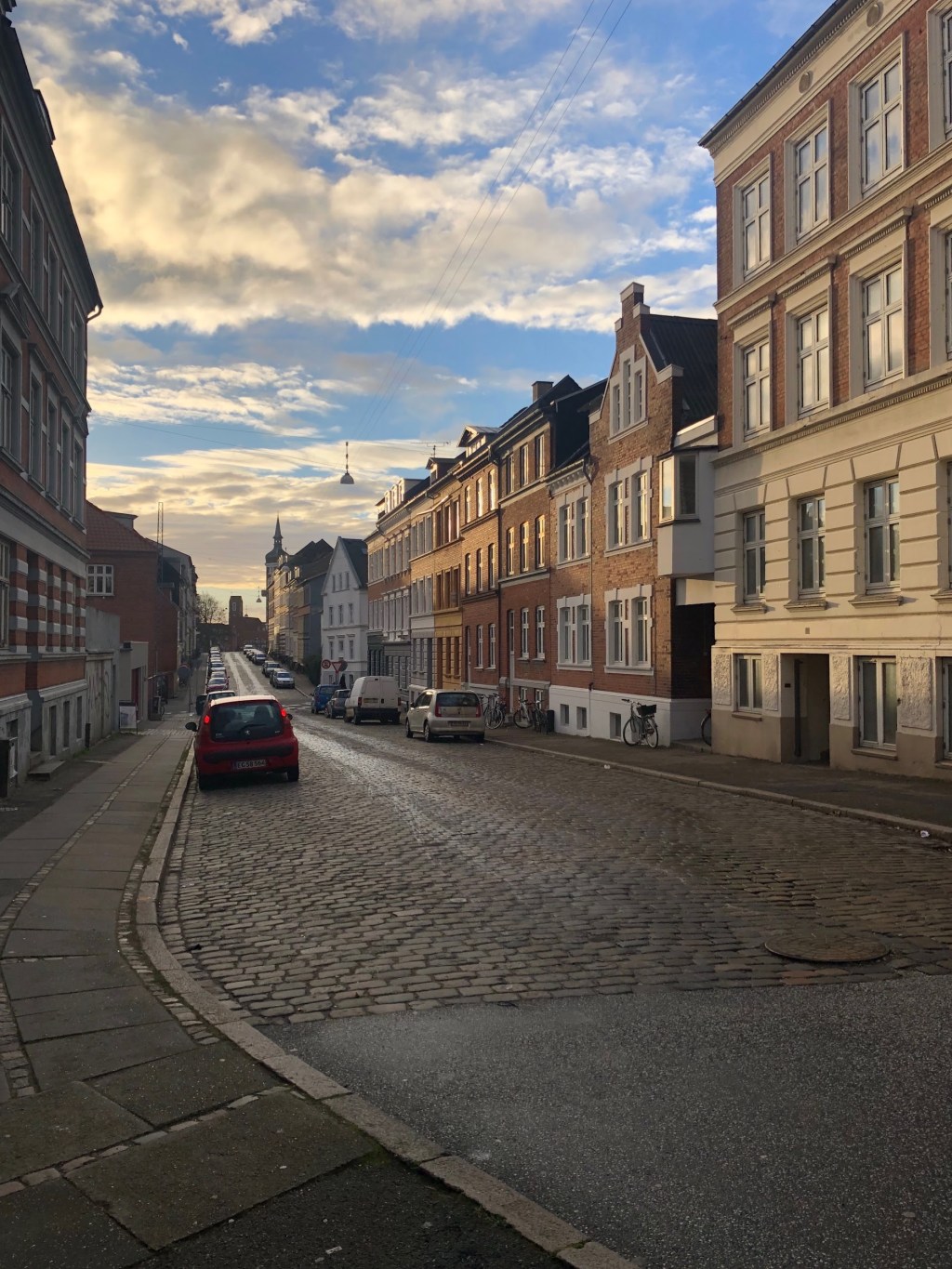
loving it. Aarhus is a small town characterised by its cobblestone streets,
cosy cafes and love for biking. It is also known as a university town which means
that it’s filled with students. This creates a really diverse dynamic in the
city, where you are able to interact and make friends with both Danish and
International students.
I find that there are many
similarities between Danish culture and Australian culture, so I haven’t felt
any culture shock. Everyone here speaks English, which has made settling in a
whole lot easier. I was a bit concerned before coming here, as I read that the
Danes were very reserved and hard to approach. However, from my interactions,
the Danes are super friendly and are always willing to help. They even share
the same sarcastic humor as us Aussies do, so they are always great to have a
chat with. The only drastic difference has been the weather. Going from a
sweltering summer to a snow filled winter was definitely a hard adjustment, but
you just need to rug up and wait a few weeks before you get use to it!
I am currently living in student
accommodation located in downtown Aarhus. I live in an apartment, fully
equipped with a bed, desk, chair, private bathroom and of course a heater. I
share a kitchen with 3 other flatmates. The location of the accommodation is
perfect, as everything is within a 10-15 minute walk.
Arrival and orientation was very
simple. We had an orientation week where we received presentations about
Denmark, the university and the faculties we were studying in. We were all
split into groups with two mentors, who guided us throughout the week. The
parties and events held during orientation week were incredible and allowed me
to meet so many new people and make some really great friends.
I am studying at the university’s
Business School (Aarhus BSS). I am currently taking 3 subjects and attend
university around 3-4 times a week, which gives me a lot of time to explore the
city. The structure of classes here include lectures, seminars and/or
tutorials, which is very similar to UTS. A major difference, however, is that
most exams hold a very high percentage of your final grade, meaning there are
little to no assignments throughout the semester. Another difference is that
some subjects have oral exams, where you conversate with an examiner on a
specific topic. The BSS campus is amazing and has many great facilities
including a library and canteen.
I have also taken the opportunity
to volunteer at the Studenterhus; a student organisation that plans and holds
many events for both local and International students. As a volunteer I am able
to work with a team of people to coordinate events, excursions and information
sessions for International students. I also get to help out at the bar and
cafe. I definitely recommend volunteering as it is a great way to meet new
people and build new skills.
I am really enjoying my time here in Aarhus. I can’t wait to see what the rest of the semester holds! If you have any questions, feel free to email me at sabrina.singh@student.uts.edu.au.
Sabrina Singh Bachelor of Business Aarhus University BSS Denmark
What’s it like in Tilburg? Well so far, it has been two of the best months of my life. I arrived in the sixth largest city in The Netherlands on a cold and rainy Friday afternoon and was immediately greeted on the station platform by some students from I*ESN (the international student society). They assisted me with getting to registration at the university campus and going to sign my rental contract for student housing. Immediately, I felt accepted as a new student of Tilburg Uni and began to settle in.
TOP
Week (like Orientation Week) was a great time and allowed me to make many new
friends. We had heaps of activities planned for the whole week, such as
ice-skating (not great for Australians), a tour of the city, a sports day and of
course Cantus, the traditional Dutch beer sing-along where you sing classic
songs by the likes of The Beatles and Neil Diamond mixed in with German/Dutch
drinking songs and then chug your beer.
I am living in the infamous Verbs (Professor
Verbernelaan). This is the hub of many international students. My floor somehow
ended up with 4 Australians on it, but we also have several other friends
living here from many areas of the world. Each floor of Verbs has 17 people
living on it which means it is always an energetic and fun place to live. You
truly bond with the people you live with and we regularly enjoy ‘family’
dinners together on Sunday nights where we cook and eat together. You’ll always
be able to find someone who is willing to hang out, head into town, hit the
gym, have a picnic in the sun or a drink.
Academic
life at Tilburg is reasonably similar to back home, although only having to
pass the subjects here means that there is a lot more free time that would
usually be spent studying. The teaching style here is more lecture-based, with
only one of my subjects having the occasional tutorial. However, the class
sizes are generally smaller, with only about 30 students per lecture. The
subjects on offer here are quite different to back home, and I am learning
about topics which I wouldn’t have the opportunity to pursue back home,
particularly focused on European Union law.
Living in The Netherlands is also great if you
are interested in travelling. Tilburg is in such a central location in Europe and
is in close proximity to both Eindhoven and Amsterdam airports. This means that
it is easy to duck away for weekend trips to several countries. You can also
jump on a train if you want to explore somewhere a bit closer like Belgium or
Germany. So far in my time here I have explored the UK, Hungary, Poland, Czech
Republic, Belgium, Denmark and Switzerland and have many more trips planned –
Ireland, Iceland, Germany and Italy to name a few.
If you have any questions, feel free to get in touch.
Matthew Keevers Bachelor of Communications / Bachelor of Laws Tilburg University The Netherlands
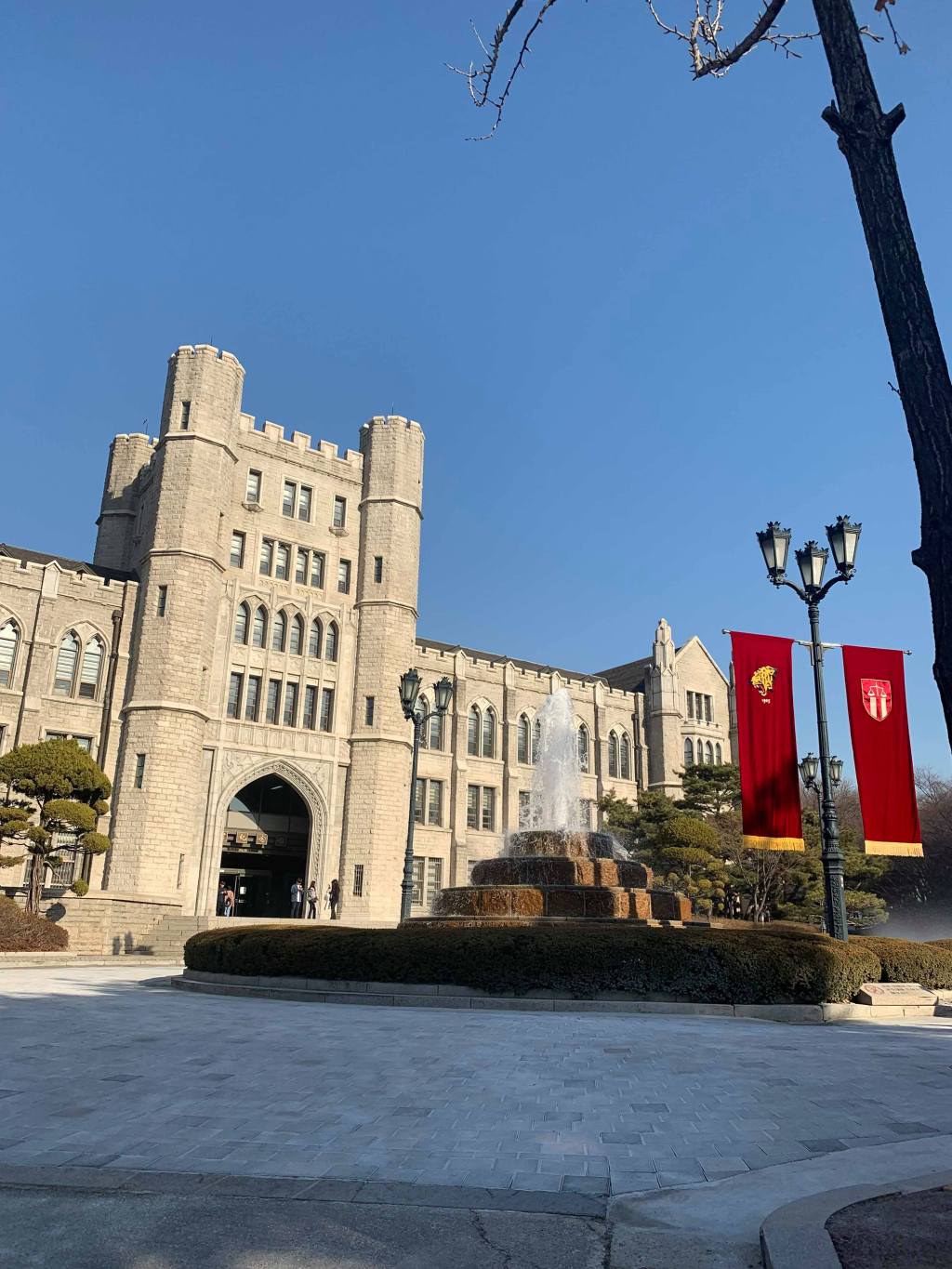
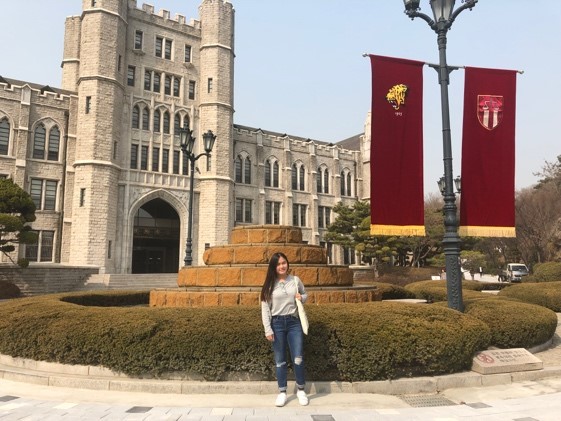
Just a little ways out from the city centre, Korea University is situated in Anam which seems to exist mainly because of the daily plethora of students. The first few weeks have definitely been some of the most stressful but now that things are starting to settle down the University culture has really impressed me.
I arrived a few weeks before the orientation mainly to find some accommodation off campus. It was quite difficult to find legitimate real estate agents but after some intense searching I was able to find something. There is a lot of transport to the University, either by train or bus so it means there are a lot of options for where is best to live. The orientation was great and the campus was breathtaking to see in real life. Everything seemed to be going perfectly until the dreaded subject enrolment problems happened. Despite having numerous backup subjects approved classes get full instantly and then it is a challenge to ask tutors to let you into their class. Unlike UTS, for one subject there is usually only one tutor which teaches that class only once. The classrooms are usually quite large in which the professors enact a more lecture styled lesson but once a subject is full it is impossible to find more spots. As such the subjects I am taking are completely different from what I wanted but at least I have subjects. The classes don’t offer much for engagement, but the content is usually interesting enough, but your experience may vary. Besides from the nightmare that was subject selection, the campus culture and community has been extremely welcoming. The buddy system called KUBA – whilst quite large, enables you to meet both current students and mainly all the other 600+ visiting students. Every Thursday the groups go out for dinner and drinks and I doubt that will get old anytime soon.
Overall, despite some problems the atmosphere and people at
Korea University have more than helped me to forget any difficulties I faced.
My top tip – have two or three backups per subject so you do not have to worry about subject approval.
Nathan Taverniti Bachelor of Communications Korea University South Korea
Australian Government New Colombo Plan Mobility Grant recipient.
It’s been six weeks since I arrived in Zurich and it’s hard to believe how fast time is going. Zurich is a wonderful city – it’s picturesque, pretty and really easy to get around, given the fantastic public transport system. My favourite part of the city is definitely the old town – it feels so quintessentially European to walk around the cobblestone streets, sit in a charming café and have a coffee.
I started studying law subjects
at the University of Zurich (UZH) almost four weeks ago and it’s been really
enjoyable so far. The facilities at UZH are great and my integration into the
university was smooth, thanks to their comprehensive welcome program and the
helpful staff at the International Relations Office. We were provided with the
option of signing up for the buddy program, which I did. It turned out to be
really useful, as our buddies showed us important locations on campus like
where to get meals for a good price and the designated sleeping area (!) on
campus. One of the best facilities at UZH is the ASVZ membership – all students
get free access to the gym and all ASVZ classes including pilates, kondi, dance
lessons, muscle pump and many more. The only negative I have encountered so far
at UZH is the printing.
My classes at UZH are mostly
seminar style, with class participation being encouraged. I would say the
teaching style is quite similar to UTS, however the main difference I noticed
is that many of my professors won’t upload slides before the lecture (as is
common practice in UTS) because they want the freedom of being able to edit
their work after the lecture if they need to.
As everyone will say, travelling
is truly the greatest part of exchange. So far I have been to the Swiss Alps,
Basel, Milan and Munich and each of these places has been amazing in their own
right. However, travelling takes a lot of planning so I would suggest booking
your travel early in order to avoid incredibly expensive trains and flights.
Overall, exchange has been amazing so far! Initially it’s natural to encounter some difficulties especially when completing all the administrative tasks required (like getting the residence permit which is very expensive). However after going over these bumps, I can safely say that this experience is worth it. I would highly recommend exchange to anyone thinking about doing it.
Varsha Krishnappa Bachelor of Business Bachelor of Law University of Zurich (UZH) Switzerland
To
whichever potential exchange student has the pleasure of reading this blog I
will try to make this as comprehensive as possible. I am a 4th year
law and business student and I am on Exchange in Maastricht which is a student
city consisting of roughly 100,000 people of which nearly 40,000 are involved
with the University. Maastricht is located at the southernmost point of the
Netherlands and is also one of the most central locations in Europe (I can get
to 4 different countries in a 2-hour drive) which makes it excellent for
travelling.
I am on law exchange so I am doing
restricted law electives here so my classes share many similarities to the law
subjects covered at UTS. However, the Netherlands and much of the EU have civil
jurisdictions and codified law which is different and to a degree exciting. The
class options available here are relatively restricted but upon arrival here we
were able to re-select classes and I chose classes I am quite interested in.
Maastricht also runs a different teaching calendar doing 6 periods a year, so I
am on exchange for periods 3, 4 and 5. Each period lasts for roughly 6 weeks. I
would leave a note that to anyone coming later that if you want to do a full
course load here you have to do period 3 (which is in January) which isn’t an
exchange student period so for the first 5 weeks or so there won’t be any other
exchange students at Maastricht.
Maastricht
also employs what they refer to as a ‘PBL’ (problem-based learning) teaching
method. The idea is that students take turns each tutorial teaching the rest of
the class in an open discussion and the tutor takes a passive role directing
and keeping the conversation on the right path. I wouldn’t let this deter you
it is rather interesting and is in my experience not hugely different in
practice to the many interactive tutorials we have at UTS. I would however
leave a tentative warning that Maastricht is rather renowned in Europe for its
business and law faculties and as such definitely requires a heavier workload
than I am used to. This is an opinion shared by all exchange students here from
every country. However, as most students do not have jobs and courses are only
pass / fail the workload is still manageable with weekend travelling and
regularly going out.
As for the student life in Maastricht it is
frankly amazing. Maastricht is a small city with nearly half the students
either Exchange / Erasmus or International. For such a small city there is
almost an irresponsibly large number of bars, clubs and pubs. The city itself
is very quaint, most of the streets were built over 500 years ago but have been
contemporarily renovated giving it a tantalizing mix of old buildings and
fashionable new interiors. The welcome events for Autumn exchange students here
was crazy, it was 10 days at the start of February with everything from pub
crawls, to movie nights to Cantus – which is a dangerous combination of
bottomless beer, karaoke and Octoberfest.
I am living in student housing. The main student housing complex is not ‘on campus’ but all within 5 minutes of everything. I am staying in guesthouse C which is the exchange student housing building which is 18 people dorms all sharing a kitchen, common room and bathrooms. It is incredible fun we have such a diverse mix of people from Turkey, Spain, Italy to America. Guesthouse C is just one wing of an old hospital which Maastricht University has turned into its student housing. The other wings are Guesthouse P, M and R (I think) so in the entire old hospital complex there are roughly 1500 students of which nearly all are international.
For all new or potential exchange students I would say don’t stress about language, literally everyone in the Netherlands has better English than you. The teaching quality at Maastricht University is excellent. If you come over for Autumn semester who will get to be here for Carnival which is honestly the craziest party ever – people from all over Europe come to Maastricht for Carnival. Also, don’t be put off by the workload of Maastricht despite being hard it is manageable and you are in the best place in Europe to do as many trips as you want to see as many countries and places as you can.
Murray Smith Bachelor of Business / Bachelor of Laws Maastricht University The Netherlands
안녕하세요!
It’s been 2 weeks since I landed in Seoul and I’ve loved it so far. Seoul is a
vibrant city that’s very fast paced (you’ve probably heard of pali-pali
culture) with history being a part of modern sceneries you’ll be in for breathtaking
views and Instagram shots.
I’m
Vanessa and I’m studying a Bachelor of Business and went on exchange at Korea
University at the start of my second year at 18! (Yes, you’re never too young
or old to go on exchange as long as you’re okay to get out of your little
bubble). Throughout high school I’d always wanted to go on exchange and by my
first year first semester, I made the decision to apply and see what would
happen and I do not regret my decision one bit.
Every
day is filled with LOTS of yummy food, cheap $3 AUD bubble teas, cafes (cakes
and coffee), aesthetic photoshoot areas at every corner. So, you don’t have to
worry about photos for Instagram because you’d end up having a library full by
the end of your exchange. Things are very cheap in Korea (maybe besides fruits
and vegetables) and with Seoul being within easy access to other Asian
countries (Japan, Taiwan, Singapore) make sure to plan your time wisely and fit
in as many activities as possible since time moves so fast in Korea.
CAMPUS LIFE AT KOREA UNIVERSITY:
I
am a business major, but on the exchange, I’m studying Media and international
studies subjects as well as the Korean language.
The
teaching style is quite different in comparison to Australia in which a lot of
teachers have adopted an American method of education. Every course (subject)
is different in the way that classes are structured, but I can say for sure
that the lectures and tutorials are combined in one class where you’re with the
same bunch of students for the entire duration of the course, and you don’t
have different classroom locations for lecture and tutorial- it’s all together
(where you might have lecture on Tuesday and tutorial/discussions on Thursday),
and in this way you can imagine that the tutorials are less collaborative due
to the size of a class unless discussion is a component of your subject.
What’s excellent about KU, are the
Korean University Buddy Assistants (KUBA)! They organise activities every week
to be done as a group (hiking, drinking, historical activities) and they offer
opportunities to create long lasting friendships within the group with exchange
students and the Korean buddies!
ACCOMMODATION
I am currently living in CJ International House with a single room, which has been comfortable and great so far. There are two kitchens per floor, and the dorm has facilities such as a gym, prayer room, laundry room etc. (however keep in mind that you have to purchase everyday living supplies yourself, eg. bedsheets, pots and pans). The great thing is though that an ahjumma is outsourced to clean the bathroom area for you so it one less thing to worry about while on exchange.
Also, a tip for those planning to live
on campus…
The HILL. The hill up to the dorms is
quite the workout, but your legs get used to it over the semester. Also, KU had
just introduced a new course registration system which is quite the headache
but trust me it will work out in the end! So, stay calm and enjoy your time. 🙂
Thinking
about going on exchange?
I’d say go for it! It’s such a great opportunity to experience a country and its culture like a local and meet loads of people while you’re at it. Memories also make for great stories, so you’d never run out of things to tell your grandchildren! Also, shameless plug but to keep updated with my exchange life at Korea University follow me on IG @bynessa_.
Vanessa Tran Bachelor of Business Korea University South Korea
Australian Government New Colombo Plan Mobility Grant recipient.
For two weeks I was lucky enough to be a part of the Engineers Without Borders Design Summit trip to Cambodia in July 2019. We flew into Phnom Penh and learnt all about the history, language, culture and customs of the Cambodian people for the first week of our trip. This included workshops with a language teacher, a cultural lesson, learning about human centred design and visited the Choeung Ek Genocidal Center and S21 Genocide museum. The second week of our trip we stayed in remote communities in the Kratie Province to fully immerse ourselves by doing homestays and living with the families. We formed groups and interviewed people within the community to understand how they live and work. At the end of the homestay we created an idea to better the community and presented these to the community leaders.
Before my trip I didn’t know what to expect and didn’t want to think of what it would be like just in case I would get scared or nervous. I really wanted to be able to learn something about myself, but I was unsure how I would be able to do this as I didn’t have an itinerary. Looking back now, I am glad that I didn’t have any expectations before the trip as it meant that I was living in the moment and took each day at a time. I really enjoyed working with lots of different students from all over Australia.
Figure 1: My Group ‘Giant Ibis’ wearing matching Cambodian tops at our Graduation Night
Doing the workshops in Phnom Penh were helpful to be able to understand the country and the Cambodian people as the lessons gave us background to the country. We did workshops with a few Cambodian’s including a language lesson, learning about how to speak the native Cambodian language called Khmer. This became helpful when we did homestays as the families are not able to speak English. A second workshop we had was a cultural lesson with a young woman called Lea Phea who taught us the “Do’s and Don’t’s” of Cambodian culture. She emphasised the importance of family in Cambodian culture and how it is the centre of their lives. Lea Phea also talked about her life and the impact of the Khmer Rouge on her family and she started crying when she talked about how she doesn’t have any grandparents as they were killed during the genocide and she will never be able to meet them. I was really upset when I saw her crying in front of us when she was describing how she wants to meet them but never will.
Figure 2: My group with Lea Phea (in the left corner) after her cultural workshop
An amazing Cambodian woman I met was at the Russian Markets while we were doing an empathetic workshop which involved us talking to strangers and asking them about their lives. She was running a bag stall at the markets and was very friendly and approachable and talked to us about how she runs her family’s stall every day from 6am to 5pm. We were astonished and asked her if she has ever thought about going on a holiday and she said no. Her siblings are all older and married, so she left school at 15 to work at the shop and has been doing so for the past 8 years of her life. Her aspiration is to study English as her friends are studying at university and don’t have to work every day like her. Her smile and laugh were so contagious and made me realise that you don’t need to have money to be happy.
Other workshops we
did were on human centred design and taking a strengths-based approach that are
helpful when working on an engineering project.
The most impactful part was when we visited the Genocide Museum which
was solemn and despairing. Seeing the
torture and death that occurred only 40 years ago was confronting and made me
empathise with the Cambodian people. It made me realise that I didn’t know a
lot about their history and their culture, but I now have a new appreciation
for the country and people.
I stayed at Koh Pdao, a small village on an island along the Mekong River and we stayed with different families within the community and interviewed people to understand their values, strengths and issues in the village to create teams. It was interesting to be able to talk to the doctor, who was the most well off in the village as he had a flatscreen tv and sent all his children to University. In comparison, I was staying at the village chief’s home and he had one light bulb and his children were farmers helping him on the rice patty fields. It was also very intriguing to talk to people who weren’t involved in tourism as they were poorer and unable to send their children to high school as they couldn’t afford buying a bike for them to travel. My group aimed at getting more of the villagers involved in tourism that are not currently involved. We created a three day itinerary package for tourists to spend more time and money in the Koh Pdao community with the inclusion of new activities such as ploughing in the rice fields and cooking classes which are aimed to get families who are not currently involved in homestays to participate in tourism to receive another form of income.
Figure 3: My home stay family with myself and my roommate at the front
I learnt a lot about myself, engineering processes and Cambodian culture. Immersing ourselves within the community proved an invaluable experience as it allowed us to fully understand their needs and lives by sleeping in their homes, ploughing in the rice fields and eating with them.
I learnt how to take a strengths-based approach which means focusing on the positives of the systems that are currently in place and concentrating on making these better rather than fixing on what it is missing. Taking this approach allowed us to create a solution that the community would implement, as it is culturally appropriate and builds upon an already existing system. We realised that tourism has significantly increased the community’s standard of living, but there are still a few families who are not involved, so we wanted to work on this strength so that more people are involved.
Figure 4: My group after ploughing in the mother and grandfather’s (in the centre) rice patty fields
I have previously
taken a human centred approach to engineering projects at university, but not
like how we did in Cambodia which was an incredible insight into the importance
of talking to all stakeholders rather than focusing on design and
ideation. I learnt the importance of
focusing on stakeholders and understanding their needs, wants and
concerns. This proved important as we
were able to understand what they wanted rather than what we thought they
wanted to change.
The most important key learning experience was understanding and appreciating another culture. Before the trip I didn’t think much of Cambodia as I had not heard of it much. Living with a Cambodian family and talking to lots of different people allowed me to appreciate their way of living. I want to be able to apply this when working as an engineer so that I can be more understanding and empathetic with stakeholders.
Figure 5: Me at the front of a temple with offerings of flowers and incense
My plans are still the same, but my motivation, mindset and attitude have changed. I want to be able to make an impact on the lives of others using biomedical engineering, but I want to impact those that are less fortunate and living in third world countries. I want to be able to use the humanitarian engineering that I learnt on my trip and apply it to my degree and career to help others. I want to take a strength-based and human centred approach to my work and personal life as it allows me to understand the stakeholders and their needs much better. I want to do more travelling and homestays to immerse in different cultures and become empathetic to other cultures and appreciate what I have at home in Australia.
P.S. If you ever have the opportunity to go on a BUILD trip – definitely go for it and apply! Going to Cambodia has to be the most life changing experience I have ever had and I highly recommend everyone to at least apply. You’ll never know what it’s like until you’re there 🙂
Georgia Kirkpatrick-Jones Bachelor of Engineering (Biomedical)/Diploma of Professional Practice