UTS Think Global

Dream. Explore. Discover.

Disclaimer: All blog posts are written by students and do not necessarily reflect the views of UTS staff.

  • Berlin reflections

    Today I begin my final week of the subject “Introduction to International Economic Law” at Humboldt-Universität zu Berlin (Humboldt University of Berlin) and thinking back to what my experience has been so far, I feel so privileged to have been given this opportunity.
    Studying in another country was a daunting prospect at first, however the subjects offered through the BUILD program made it an easy decision and an experience I will always remember!

    As far as the subject itself goes, I am very happy at the choice I made. The content was very interesting and I know I will be able use the knowledge in my studies back home. Moreover, I was very lucky to have the subject taught by an amazing teacher who not only delivered the content in an easy to understand way, but also went to great lengths to make sure we engaged with our peers in- and outside of the classrooms. From engaging class discussions to dinner and drinks with the teacher and peers, it was an amazing subject which I am extremely glad to have selected.

    Another aspect about our class that I really enjoyed was the fact I got to meet not only other students from UTS but also students from all over the world. Brazil, India, Indonesia, Switzerland, Poland and South Africa. We were all like-minded individuals who bonded and shared a very memorable experience.

    Not only was the subject an amazing one to study, but Humboldt was an amazing University to study at. The University kindly organised a large variety of cultural activities so you are spoilt for choice with things to do. I was involved in Ice Skating which was an awesome way to meet other people studying through the winter school program; a Berlin Walking tour which was lead by a young Welsh woman who had studied German history so it was a great way to see some of main sights and then also hear about the history behind them; and I also had a guided tour of the German Chancellery and tour of Potsdam, home of Sanssouci Palace, among other things.

    Berlin is a city fundamentally shaped by both World Wars and the Cold War, as such it is rich in modern history and cultural sights. Studying in a city like this has given me a new perspective on the world. Ultimately, this has been one of the best experiences of my life and I am so glad to have been given the support of the BUILD program! I can’t recommend this experience enough, particularly I would recommend the university and subject that I did.
    I’ve gained a new energy that I hope to bring back to my studies at UTS.

    Joshua Culley, Global Short Programs Student

  • Beijing IOT 2017

    I recently spent a month in the bustling city of Beijing, studying the internet of things (IOT) alongside UTS, ANU and Swinburne students at the Beijing Institute of Technology. Being thrown into the heart of China with my broken Chinese was an experience I’ll never forget – to say the least. Facilitated by the helpers at Beijing Institute of Technology I found my feet and was ready to explore in no time. The helpers quickly became friends as we traveled around Beijing trying new food and drinks.

    Throughout the month we learned about emerging IOT technology, such as sensor networks, blockchain applications and the security and problems around these topics. Using the information from the lectures and tutorials we developed our final projects – a RC car which we programmed to drive around the room and collect temperature, light and RFID data and relay that to our computers. We also had the opportunity to visit some large IT companies, such as IBM and SAP, which provided us an insight into the industry applications of IOT devices.

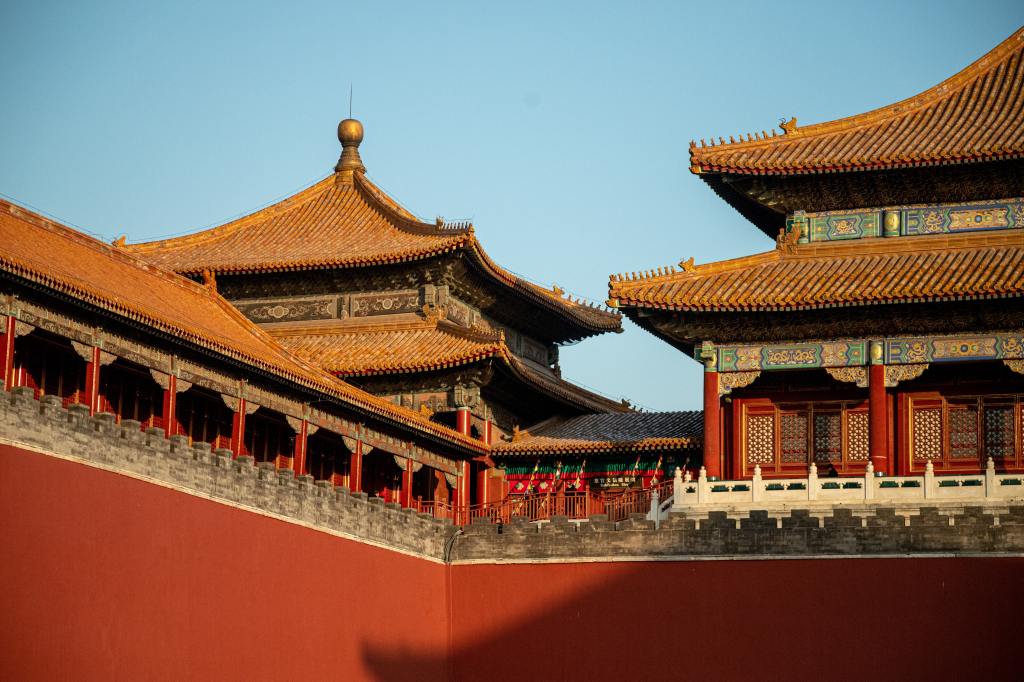
    Alongside these technical classes we had Chinese language lessons, which prepared us for our adventures around Beijing. I visited the Great Wall, the Forbidden City, Hutongs and even went skiing. My favorite night was exploring temples in the day then eating and drinking with friends tucked away in a Hutong pub with a live band at night. I sorely miss Beijing and have made new friends both Australian and Chinese which I hope to travel with in the future!

    Timothy Heyes, Global Short Programs Student

  • Saga University Autumn Program 2017

    Just recently I have spent an incredible 3 weeks in Japan as part of the Saga University Autumn Program 2017. Saga is a quieter area of Japan, located near the countryside, which allowed me to experience a different side of Japan.

    Joined by four other UTS students we participated in many aspects of traditional Japanese culture such as tea ceremony, yosakoi and nishikiori. We also got to explore nearby shrines and castles.

    I was fortunate enough to participate in a one-night homestay experience with a lovely family of 7. Initially it was difficult to communicate, however this enabled me to truly practice my Japanese speaking and listening ability and I couldn’t have asked for anything more.

    My greatest take away from this experience would be the friendships I made in this program, both with the Japanese students and the other Australian participants. I have formed relationships not only on the basis of friendship but also with the intention of improving our language skills.

    Me and my Japanese buddy

    I would highly recommend anyone to get involved with this program as you can learn a lot about traditional Japan and form lasting relationships.

    Jessa Mae Balayboa, Global Short Programs Student

  • The life of a loving father, husband and a tuk tuk driver

    I spent the first 2 weeks of December in Cambodia with Engineers without Borders for the Design Summit. It was a very intense couple of days there, getting to know the culture, meeting new people, learning new things and then finally saying goodbye to all the new friends that I had made. The Summit focuses on Human Centred Design, that we use during our visits to the village.

    \

    As soon as I landed in Cambodia, I noticed a couple of distinctive features about the country, which were the vibrancy in building colours, the friendly faces and the thousands of Tuk Tuks!

    In our first week in Cambodia, we had to attend multiple workshops arranged by EWB. One of the workshops was regarding community and cultural sensitivity. This workshop’s main objective was to help us improve our communication skills whilst speaking to the locals in a respectful and sensitive way. This was really important as there maybe a language barrier between the locals and us, so we had to be as respectful as best we could.

    After attending the Community and Cultural Sensitivity Workshop, we had the task of interviewing a local Tuk Tuk Driver and finding out more about his life. The objective of the interview was to determine an issue the Tuk Tuk Driver might have and then as a team, we would have to come up with possible solutions for the driver. For this exercise, I teamed up with Kevin, Jeremy and Lukas. We then sat down and discussed possible questions which were respectful and culturally appropriate to ask the driver. After the discussion, we set off to find a driver and this is how we found Narin.

    At first we asked Narin if we could possibly interview him and he gladly accepted the interview, he was very well spoken. We started off with Ice breaker questions and we found out that Narin is your typical Cambodian man who wants the best for his family. He has been driving a tuk tuk for the past 15 years and he absolutely loves his job. This is because he loves meeting new people and loves getting to know more about them. As a joke, we asked Narin if he “liked racing with his Tuk Tuk”, to which he replied “No I don’t like it because it is dangerous and I am a safe driver!”. Shortly after speaking to him, our team quickly realised that Narin was very sensible and was very alert about his job, which was a very good start. We then asked him “What was the hardest thing about being a Tuk Tuk Driver?” to which he replied “The lack of customers and the maintenance costs”. There is a lack of customers for Narin as he waits for customers in a dead spot, an area which he has been advised to stay in.  He says he gets frustrated when there are not too many customers as he cannot earn the money for his family and that he can’t raise enough funds for the maintanence for his Tuk Tuk (which is about $20 every 2 months or so). Narin says he wouldn’t mind working long hours as long as he had customers, he once had a shift for 24 hours straight! But working long hours is very rare for Narin, he typically works from 7 am to 6 pm everyday.

    Narin’s typical day starts off with a dollar breakfast, he then goes to his spot and waits for customers. He then works until lunch time where has lunch for a dollar again! After lunch he likes to go back home for an hour to exercise then he’s back at work until dinner. Food wise, Narin enjoys eating Fish but he doesn’t mind eating meat such as beef or chicken. All though his days might be repetitive, he doesn’t mind it. We asked Narin if he had any wishes, to which he told us that he would like to visit Thailand for and work there but he can’t do so as it is very expensive for him to get a passport, visa and an air ticket. But he assured us that he is more than happy to stay and work in Cambodia as Cambodia is his motherland after all!

    We then proceeded to ask Narin about his family. He told us that he has a wife, a son and a daughter. Narin’s wife works at a factory but he doesn’t like that as his wife is not appreciated in her job as she is heavily underpaid ($5 a day!). Narin loves his wife very much, we were sure about his as we asked him “What is the best thing about Cambodia?” to which he replied “My Wife!”. Narin told us that he and his wife works very hard to provide for their children’s education as they don’t want them to struggle like they did. He and his wife want their children to be either a doctor, policeman/policewoman or a teacher. Narin and his wife strongly believe that education is the way for the future for his children and the country, this is because all the intellectuals that were supposed to move the country forward in the 1970s were killed under the Pol Phot Regime. He strongly believes that his children and the children of other Cambodians who will be educated will be way forward for a brighter future for Cambodia.

    We were really inspired and touched by the interview that we had with Narin, although it was an interview, it felt more like a causal conversation between friends. After our talk we gave Narin $7 for his time and effort and then he wanted to take a picture with us and we gladly took pictures with him. It was hard to say goodbye to him as we found out a lot about his life in a very short time. As we were saying our farewells, Narin gave us his phone number so that we would call him if we ever needed a friendly face in a Tuk Tuk to take us around Phnom Penh! (I called him for a ride to the airport at the end of the program :).


    Ali Arman Khurshid, Global Short Programs Student

  • Life and Seoul

    Featured

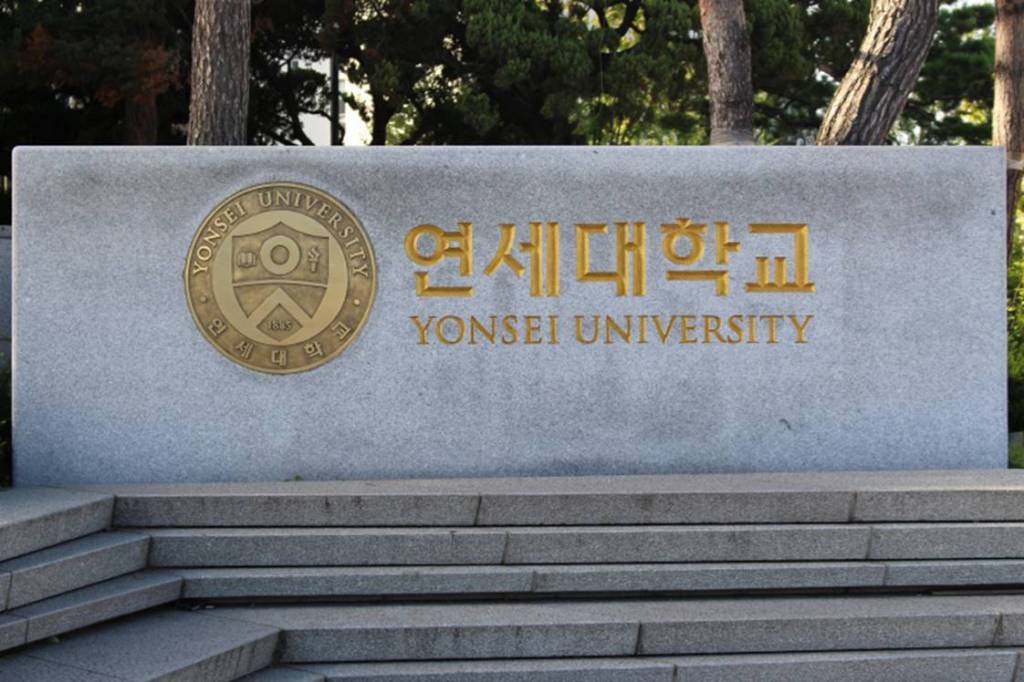
    ANNYEONG HASEYO!! If you are wondering how South Korea and Yonsei University is like, you came to the right place. I will provide you with rich and helpful details on what to expect when you arrive in South Korea and Yonsei University.

    I know how it feels when you are thinking of what country you want to go to and which university to pick to study. But let me reassure you, South Korea is the right place to be as it is bursting with rich and beautiful culture. South Korea is one of the many countries that is wonderful in terms of exploring its dynamic cityscape and its gentle, harmonious nature.

    It has been 3 weeks since I’ve been in this gorgeous country and I’ve already fallen in love with the country; its culture and breath-taking sceneries. So far, my experiences are invaluable as I have become more open in taking in the Korean lifestyle, culture and making new friends. Everything can be overwhelming at first but just enjoy your time and take it as you go; its part of being a traveller where you seize every opportunity you have and make the most of it. Yeah sure you will experience culture shock but that’s part of it! Don’t be scared to explore and leave you comfort zone as South Korea has many things to offer, be brave!
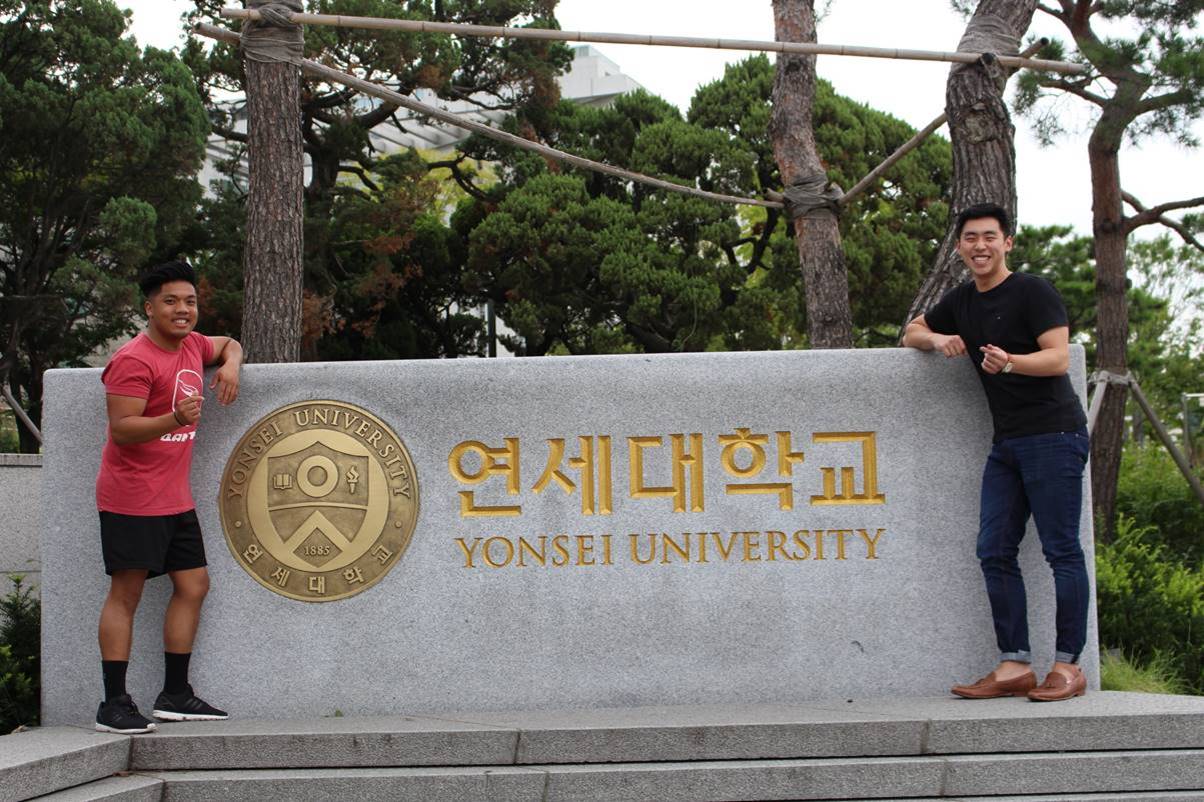
    Me (left) and Jun (right)

    Life on exchange is a really exciting feeling and rewarding as you will embark a once in a life time journey; where you will create lifelong friends, and make new memories. But before all that can happen, you need to consider many things to prepare yourself well before arriving in South Korea. Before arriving to South Korea, you need to prepare:

    • D2 VISA
    • TB test (if you are planning to stay in dorms)
    • Valid passport
    • Debit Card
    • Housing

    PASSPORT and D2 VISA –  you need to obviously obtain a valid passport along with your D2 Visa approval. With D2 VISA, apply for it as soon as you receive the enrolment approval from your host university. I did it on the last month before my flight and I was worried that it would take a while to process, luckily it only took one week. But get it done ASAP because the last thing you want is to panic!

    TB test – getting a TB is simple but will take 2-3 weeks, depending on the result from the hospital. I got my TB test from Nepean Hospital at Penrith and the process took one week. But for this, you need to do it a month before you fly out. This is important if you are planning to stay in dorms. The university will be asking you for your test and if you do not have it then you will not be admitted to living in the dorms, so get it done and do not forget it!

    Debit Card – in terms of banking overseas I was really looking for a bank that will keep my mind at ease and make sure that I am not losing money when I withdraw overseas. I considered many banks and what they can offer a poor student like myself and in the end, I decided to stick with Citibank. The reason why I chose Citibank is because they offer no transaction fees when you withdraw overseas and when you pay by card. In addition, Citibank offer higher exchange rates than other banks which means you are always “winning”. From my experience, I have used it in South Korea and it has not disappointed me but the only thing that you need to find is a GLOBAL CITIBANK ATM. In terms of finding an ATM, you would need to go to City Hall to withdraw money as Citibank is hardly used in the country. Also, when you are withdrawing money, you need to select FOREIGN ENGLISH (overseas card) because if you pick DOMESTIC ENGLISH (local card) you will be charged.

    Housing – I am currently living in a single dorm at SK Global House which is located on campus. At first, I was hesitant on living in dorms because I thought that I could find other places that are convenient and are at an affordable price. But you’ll find that if you live outside of dorms, you will end up spending the same amount as living in dorms. However, the only thing is that you need to abide by the dorm’s rules and regulations. In my case, I ended up choosing to live in a single dorm…a bit pricey but worth it because you get to have your own privacy. I like my own privacy purely because I don’t want to share with other people that I don’t know because if you live in a double room, you don’t get to pick who your roommate will be; it will be at random. So, if applications for housing opens apply straight away and make sure you save up!

    Once you arrive in South Korea, you need to consider getting:

    • T-Money Card
    • Prepaid Sim Card
    • Alien Registration Card (IMPORTANT)

    T-Money Card – this card is like opal but better because it has multiple use of not only tapping on the subway or bus but you can also use it to buy things in convenience stores. Its very handy to have but I mainly use it for public transport. You can purchase and recharge your T-Money Card at every convenience store and the price for commuting is very cheap!!

    Prepaid Sim Card – getting this is quite challenging especially for foreigners like us. I did a lot of research, digging into the best provider in South Korea and I found out that SKT and KT are the top two providers in the country. It was hard to find a good deal because the staff members cannot speak English or they just simply cannot provide prepaid sim card. Most of the places that I went to only does plans and you must buy their phones at a high price. I went with no sim card for 3 weeks and it was very hard but don’t lose hope because there is free Wi-Fi pretty much everywhere; you just need to find one that has no security on it and try. So, in the end I got a good deal at Yonsei University where a group of local students were helping exchange students like us to get prepaid sim card. You get a good deal at a very good price; more bang for your buck! So, I really recommend asking them for help in terms of getting a sim card and they will provide you a good deal. Click on the link: https://www.facebook.com/everydayif/, like their page and ask away!

    IMPORTANT Alien Registration Card (ARC) – having a D2 VISA will not be enough to keep you in the country as it is required by Korea Immigration Bureau that all foreigners who are staying 90 days or more will need to apply for ARC. You will need to apply for alien registration card but do not worry! You will get the chance to get information from the university on where to apply and how to get it. But make sure that once you get the information at the orientation, act on it as soon as you can because everyone else will be doing the same thing and it’s a ‘first-come first-served’ basis. As for me, I left it a couple of days after and it’s taking a while for me to get my ARC. So, my advice for you is to act on it ASAP!
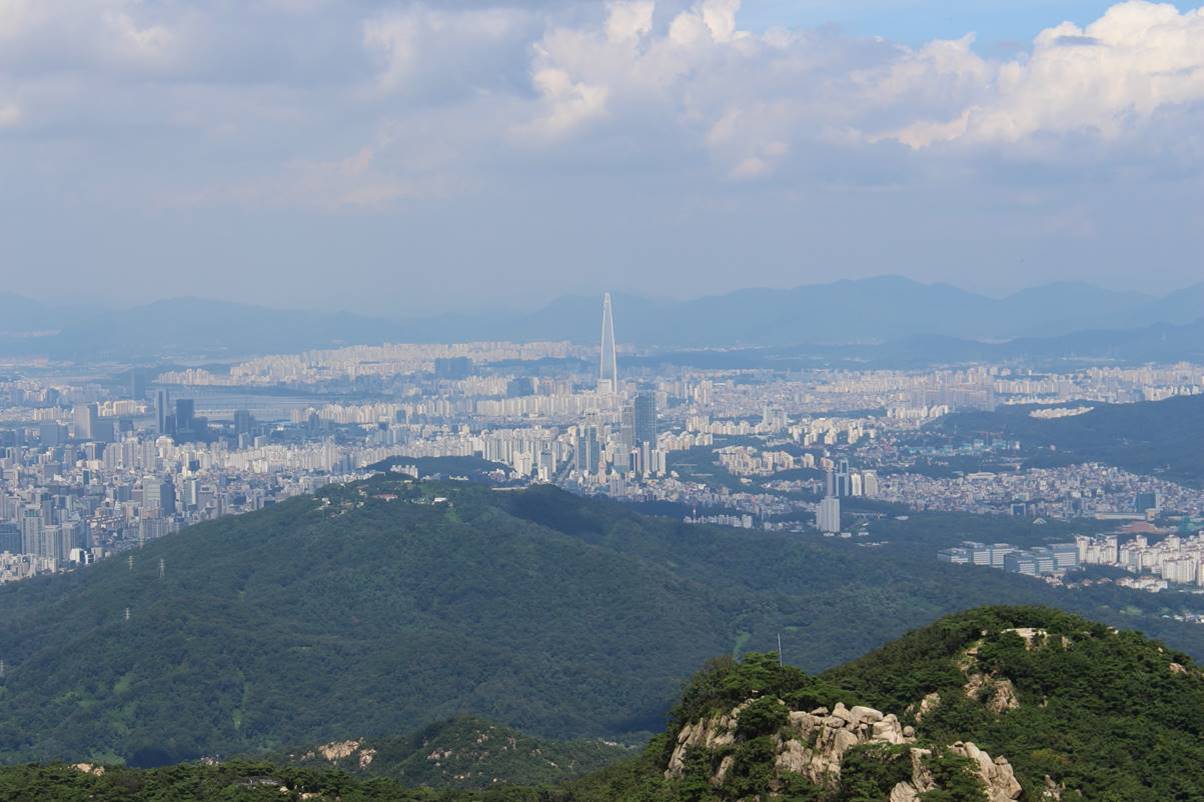
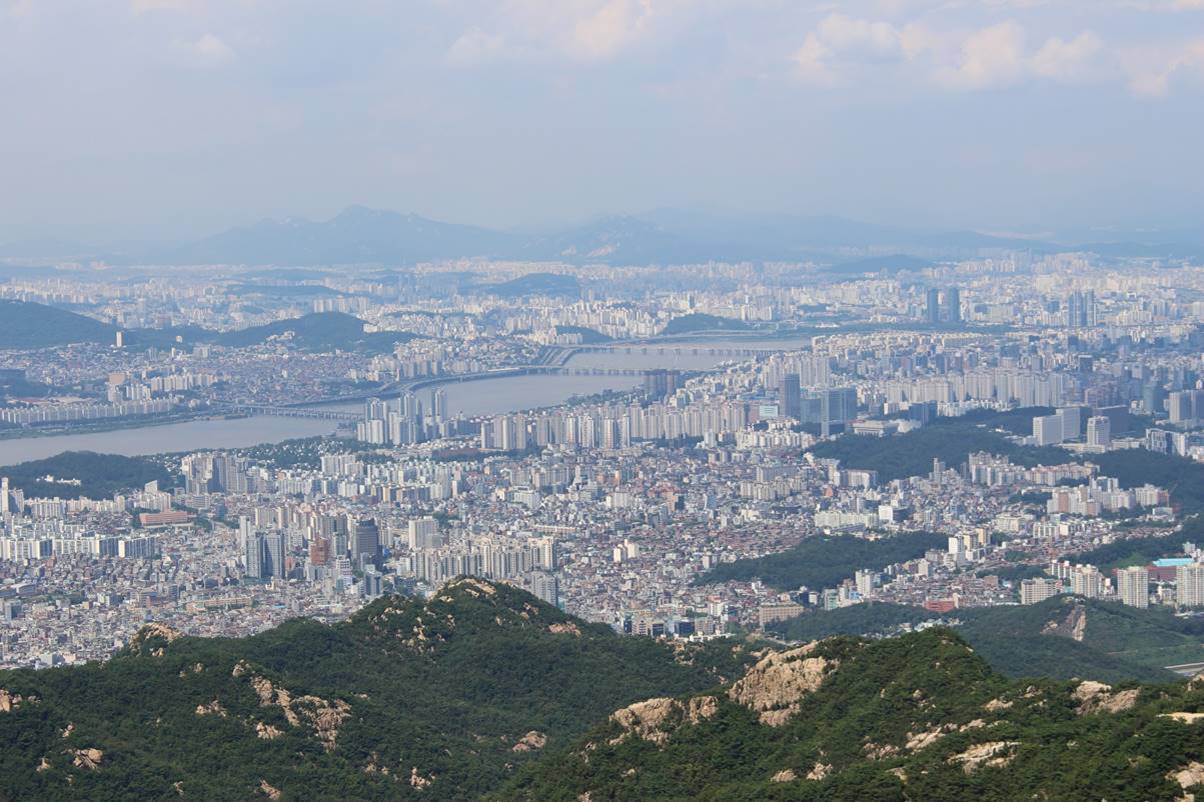
    City

    1

    Now, about life at Yonsei. It has only been a week since orientation and its been so good so far! The campus is big and is larger than the universities in Sydney. You will be amazed at how big Yonsei is and everything is amazing. I have met students from other countries and they are so wonderful! I hope the same would happen for you when you go on exchange at Yonsei.

    My personal journey as an exchange student is still unfolding and I cannot wait for what is in store for me. I am excited to start class because I want to know how it differs from UTS style of teaching. So far, my timetable is set out well and I am only doing 9 hours of uni per week! I am undertaking 3 subjects which are direct subjects and they are:

    • Nano Medical Technology
    • Virus and Host
    • Entrepreneurship and Strategy

    I hope the information that I have given you is enough to get the idea of what you will need to do when you go on exchange in South Korea. I personally had a hard time on gathering useful information from past student’s blogs as it was all generic. I want you to be aware of what you will be tackling and what you should expect when you go on your journey. If you have any other questions, please don’t hesitate to email me on my student address 11703093@student.uts.edu.au and I will help you out as much as I can 😊


    Carl Cabatic

    11703093

    Bachelor of Electrical Engineering, Bachelor of Medical Science and Diploma in Engineering Practice

    Yonsei University

    South Korea

  • Sydney to Helsinki: Letters to Santa

    21460246_10214250834841818_1018485639_o

    What is an Aussie doing in Helsinki?

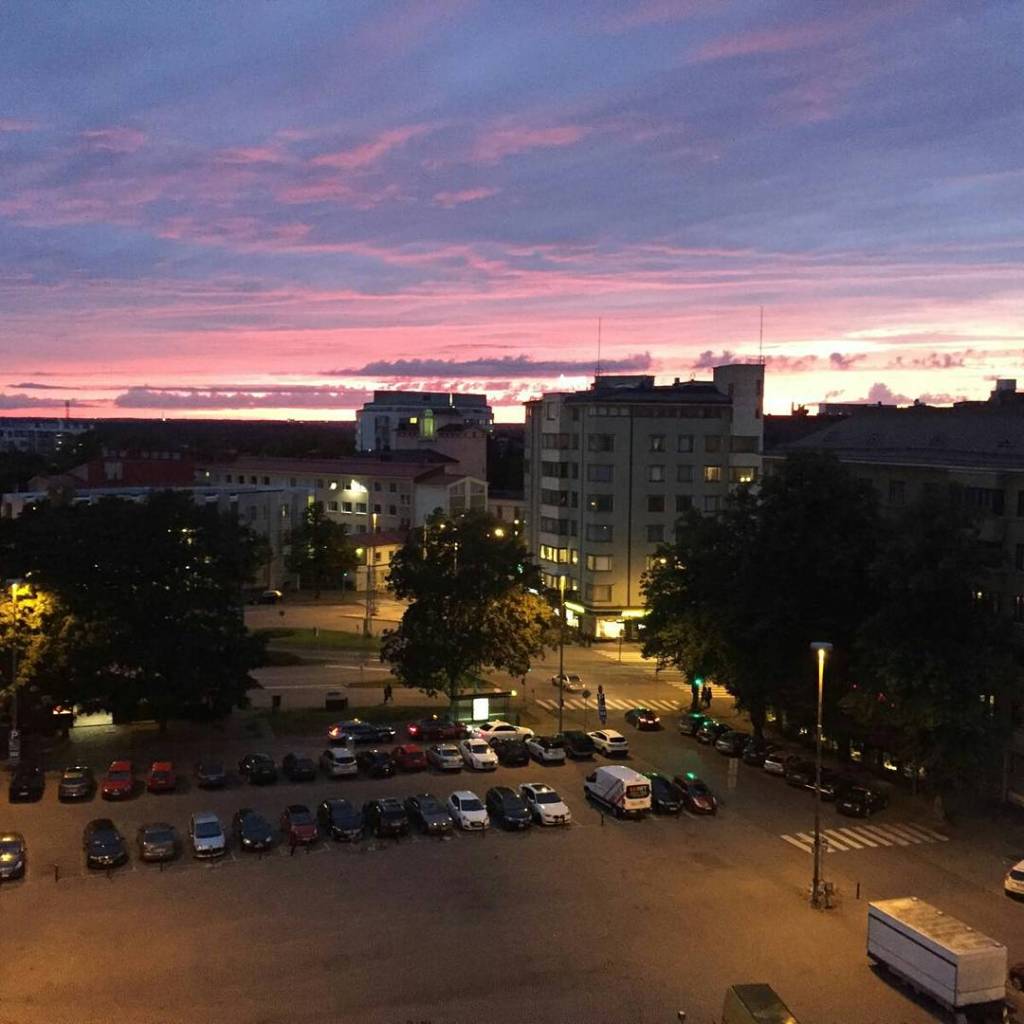
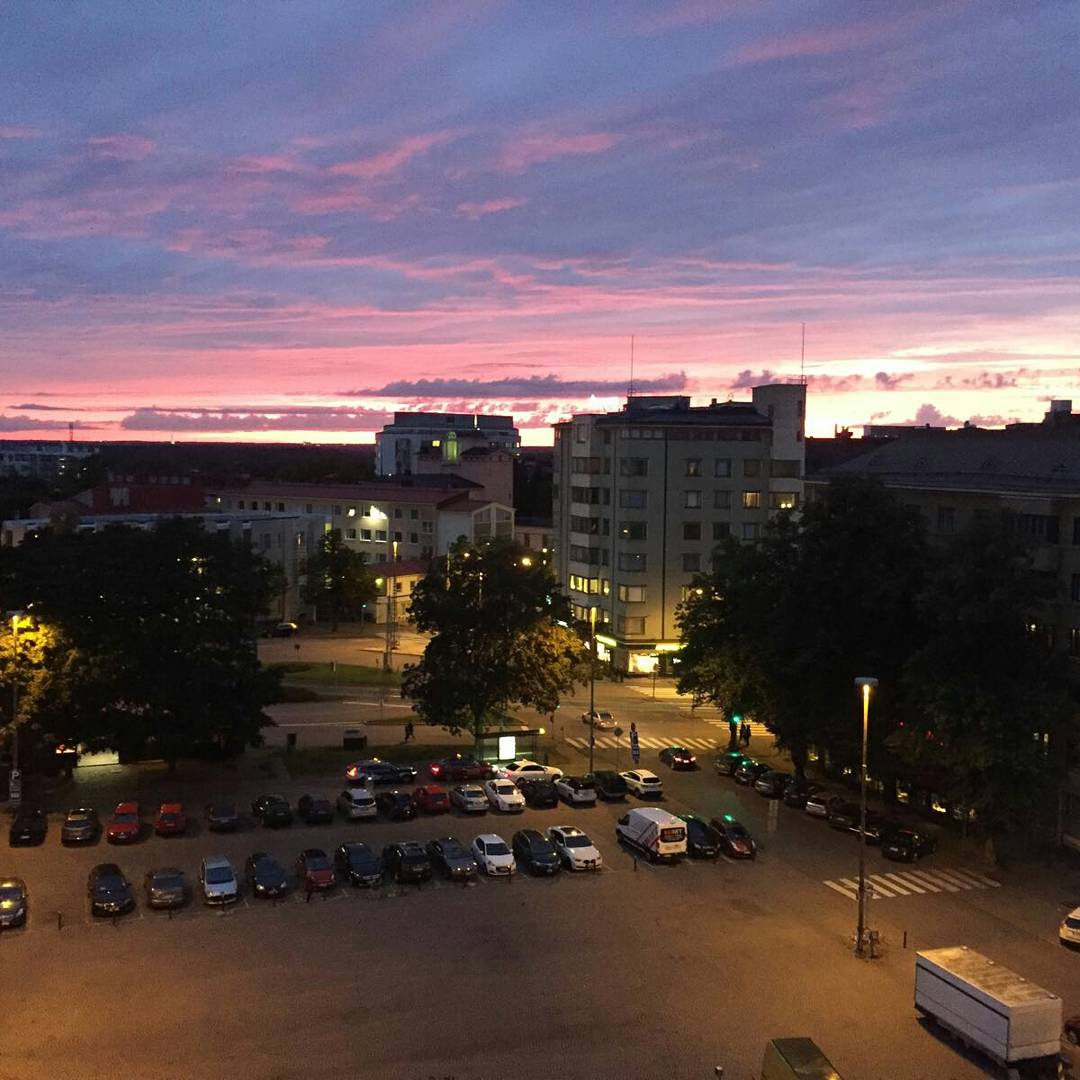
    So many people asked me why I ended up choosing Finland as my exchange destination, and after originally thinking that I wanted to go to the states for the classic college experience I opted to go to a completely different, remote, however stunningly beautiful part of the world: Helsinki, Finland.

    First came the mammoth flights from Sydney, to Hong Kong, to Munich, and then Helsinki… 38 hours door to door. I was quite literally falling asleep on the train to my apartment, however Aalto Business school sends a student ‘tutor’ to pick you up from the airport and Maija was extremely helpful.

    From my first few days here joining gyms, cooking food, and waiting for my roommates (an Argentinian and a French Canadian), I didn’t do too much but slowly settle in and learn my way around the immediate area. But this complacency didn’t last long…

    21397685_10214250833481784_1822687718_n

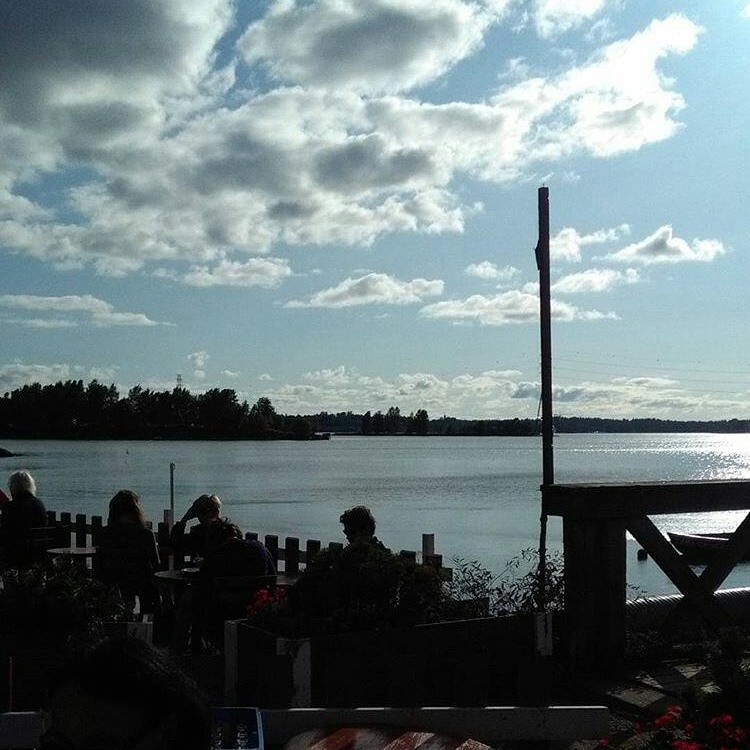
    The last 10 days I feel like I have lived more than the last 10 months. Its so important when you go on exchange to go in with a ‘yes man’ attitude and literally just say yes to every opportunity possible. So far I’ve made a boatload of friends, toured almost every square metre of Helsinki, gone skiing and wake boarding, fielded countless questions about surfing, eaten all the local cuisine (reindeer, Maksa Laatiko, cloudberry liquor), seen almost every nightlife venue in the city, met the locals, really met the locals, organised trips to Lapland, St. Petersburg, joined the top national rugby union competition in Finland (soon to be star player!), toured around the incredible Toolo and Otaniemi campus’ for Aalto Business school, and many many more.

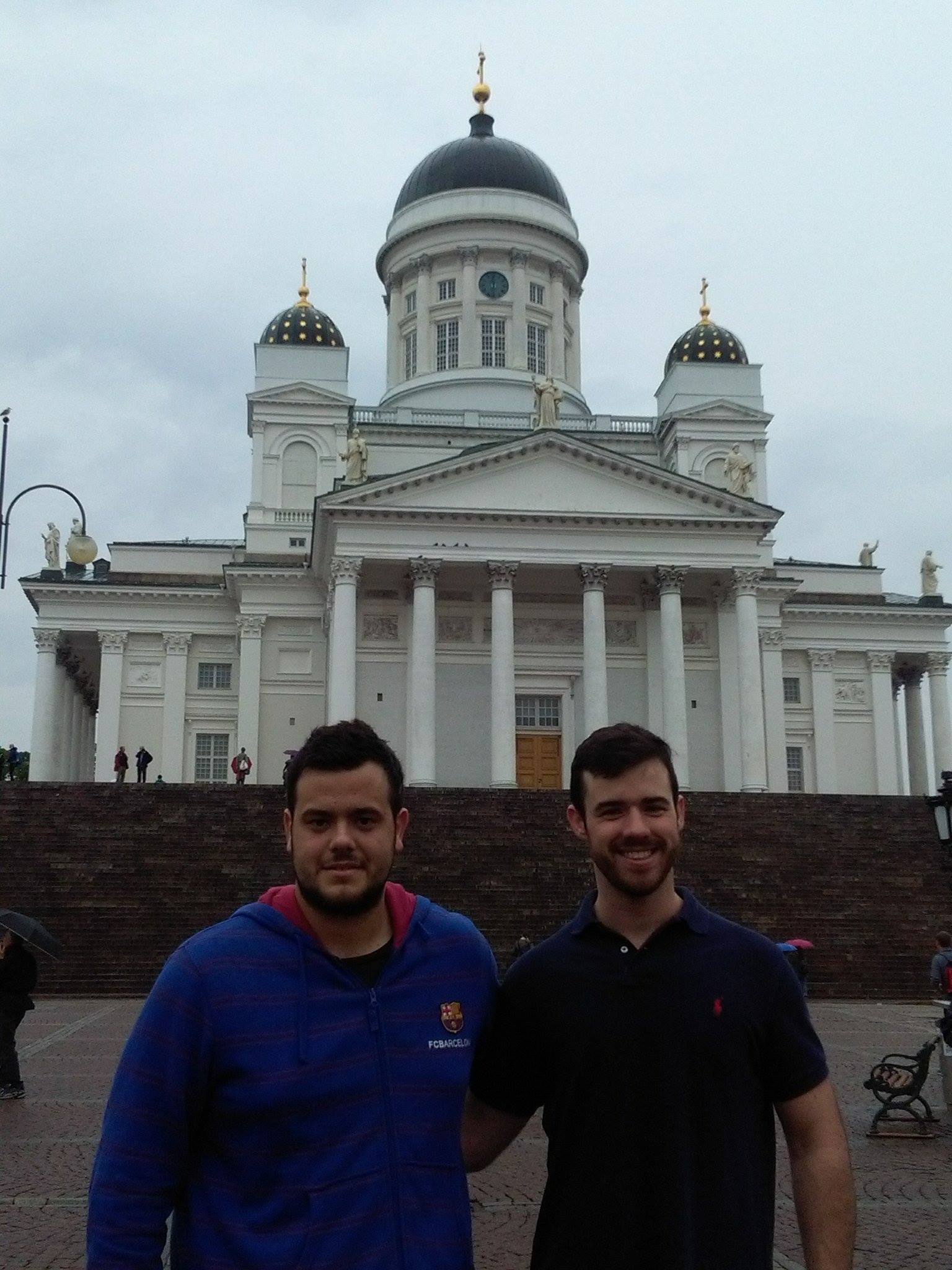
    me and my mate Ramiro at Helsinki cathedral
    Me and my mate Ramiro at Helsinki cathedral


    There is literally so much more I could write, but for now I’ll keep it brief and leave it there…

    Please look out for my of my stories in Helsinki. They are equal parts crazy, awe-inspiring, and just plain enjoyable. I could definitely see myself moving here permanently in the near future after I complete my double degree.

    A huge thanks to all at the Study Abroad Exchange office for all they’ve done for me to make this trip a possibility.


    Sam Walsh (99134963)

    Bachelor of Business

    Bachelor of Creative Intelligence and Innovation

    Aalto University, Finland


  • Two months left at Singapore

    Featured photo

    Can’t believe half of the semester is gone!!! I have already stayed at Singapore for more than two months!! To be honest, I miss home, my family, my friends and my double bed a lot! However, I have gained a lot of different experiences when I am on exchange so far. And I’m loving it haha!!

    I am currently studying four modules at NTU which are two direct equivalent subjects and two electives. They are all interesting and I have also met some friendly locals in class. Couple weeks ago, I have done my first in-class presentation and my groupmates and I all wore matched striped outfits as we were presenting the concept of “The French New Wave”. I have also joined a buddy program organised by the NTU GEM (Global Education & Mobility) Club where they pair up exchange students with local students. I have got paired up with an Year 2 Communication Studies student named Stephanie. We had a dinner together at NTU and she is very nice and told me a lot more about NTU and Singapore.

    IMG_7504

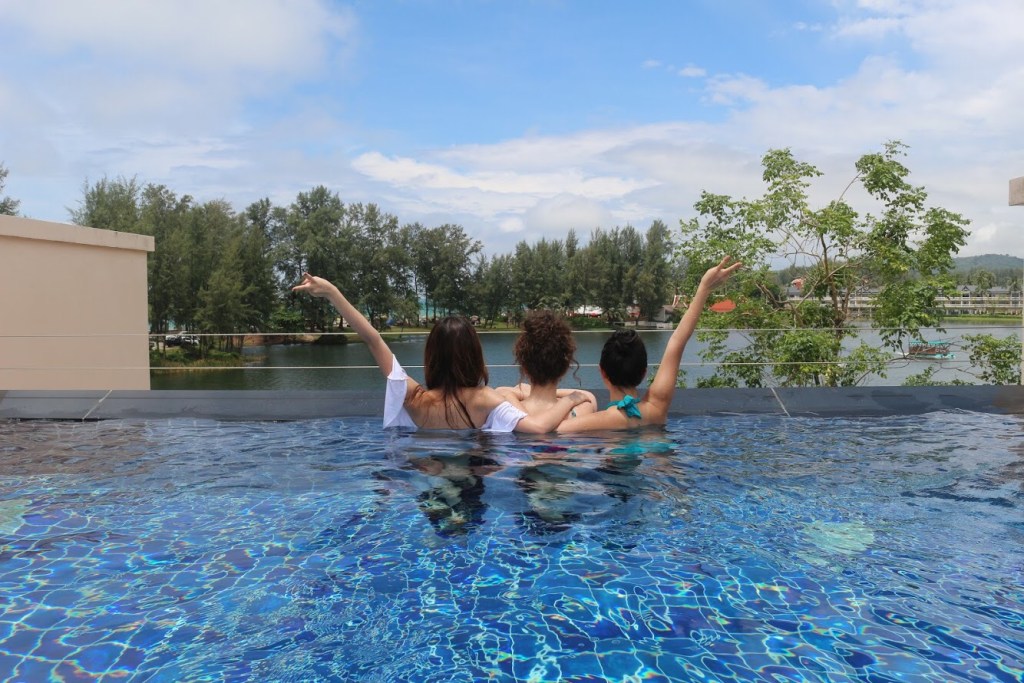
    Even though I spend most of the at campus as there are a lot of studying to do (or too lazy to go out), I still manage to travel around at Singapore and out of Singapore during mid-semester break. During the break, I went to Phuket, Thailand with my two friends Winnie and Monica (more like my “older sister now). I have been to Thailand once but it was my first time to Phuket and I love it a lot. We also joined a day tour to Phi Phi Island on the third day of our trip and I also went snorkelling for the first time (so proud of myself haha). The island is so beautiful which I feel like word cannot even describe. With no doubt, my friends and I enjoy the relaxing trip very much and took a lot of photo to capture every moment we spent there.

    Instead of traveling around Singapore, I should be saying I was doing a food exploration?! I have finally tried more Singaporean signature food such as curry crab, black paper crab, Bak Kut Teh and Kueh tutu. They are all delicious and sure will miss it when I leave Singapore.

    Singapore and NTU have treated me well and I enjoy my exchange journey so far. I am glad I have met two “sisters” during this exchange which I have learnt a lot from them and we have been each other’s companies all the time. Thank you, Winnie and Monica, who have made my exchange journey better than ever.

    IMG_7514

    SIU VICTORIA WING KI     12584619

    Bachelor of Communication

    Nanyang  Technological University, Singapore

  • Adjusting to Tokyo

    IMG_0472

    Hello!

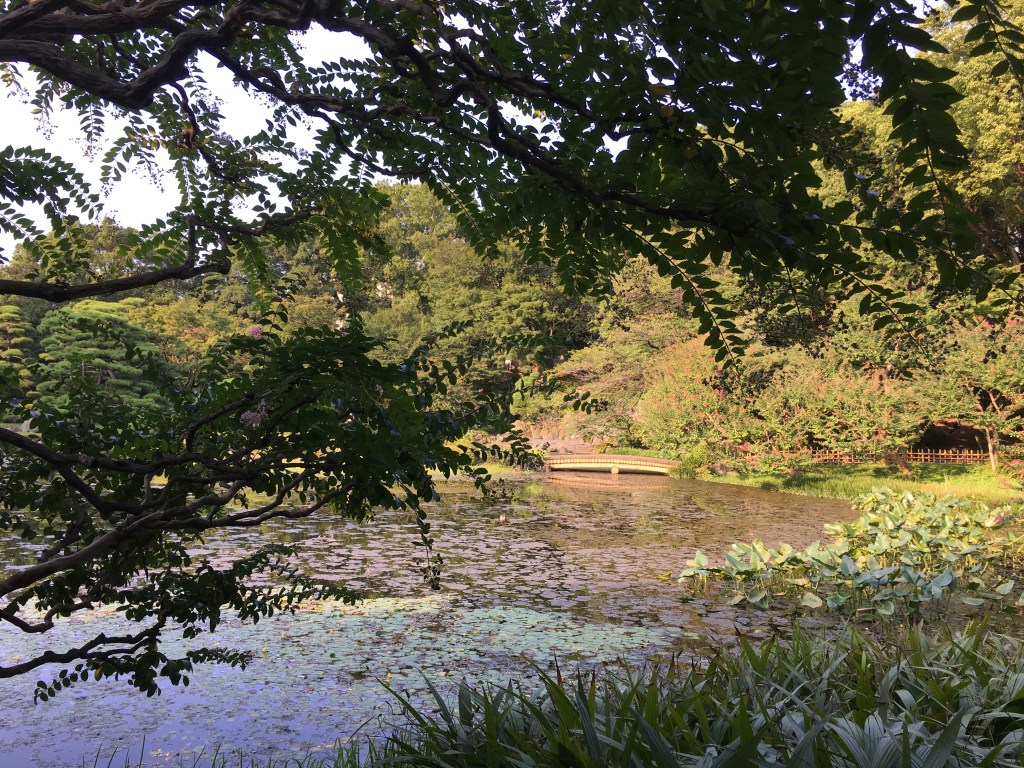
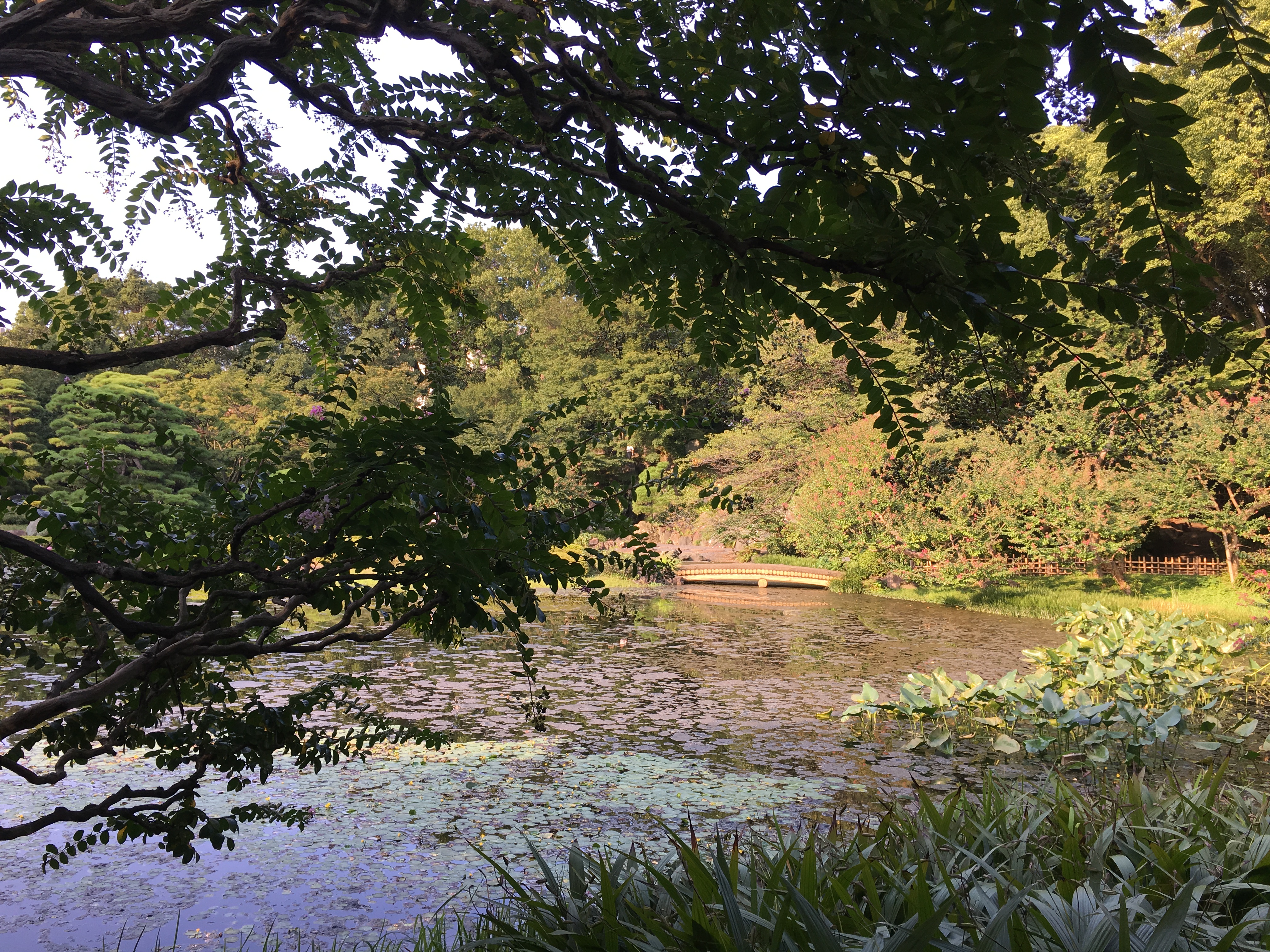
    It’s been over a month since my last post and I’ve gotten into a sense of routine I think. I attend uni three days a week, which gives me time to go out and explore a bit on the other four days. It’s nice but also I think it’s made me kind of lazy, since my days off form something like an extended weekend.

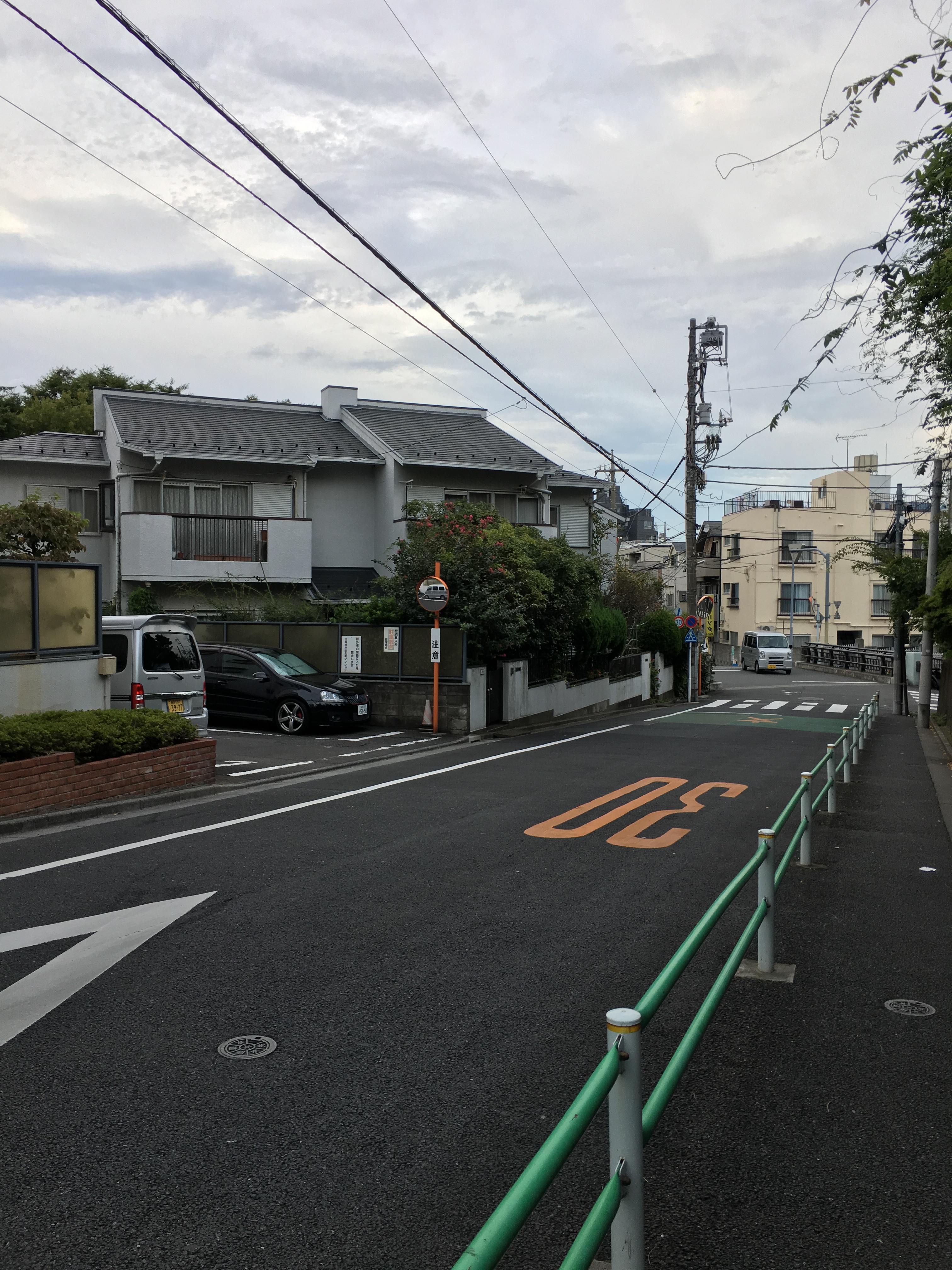
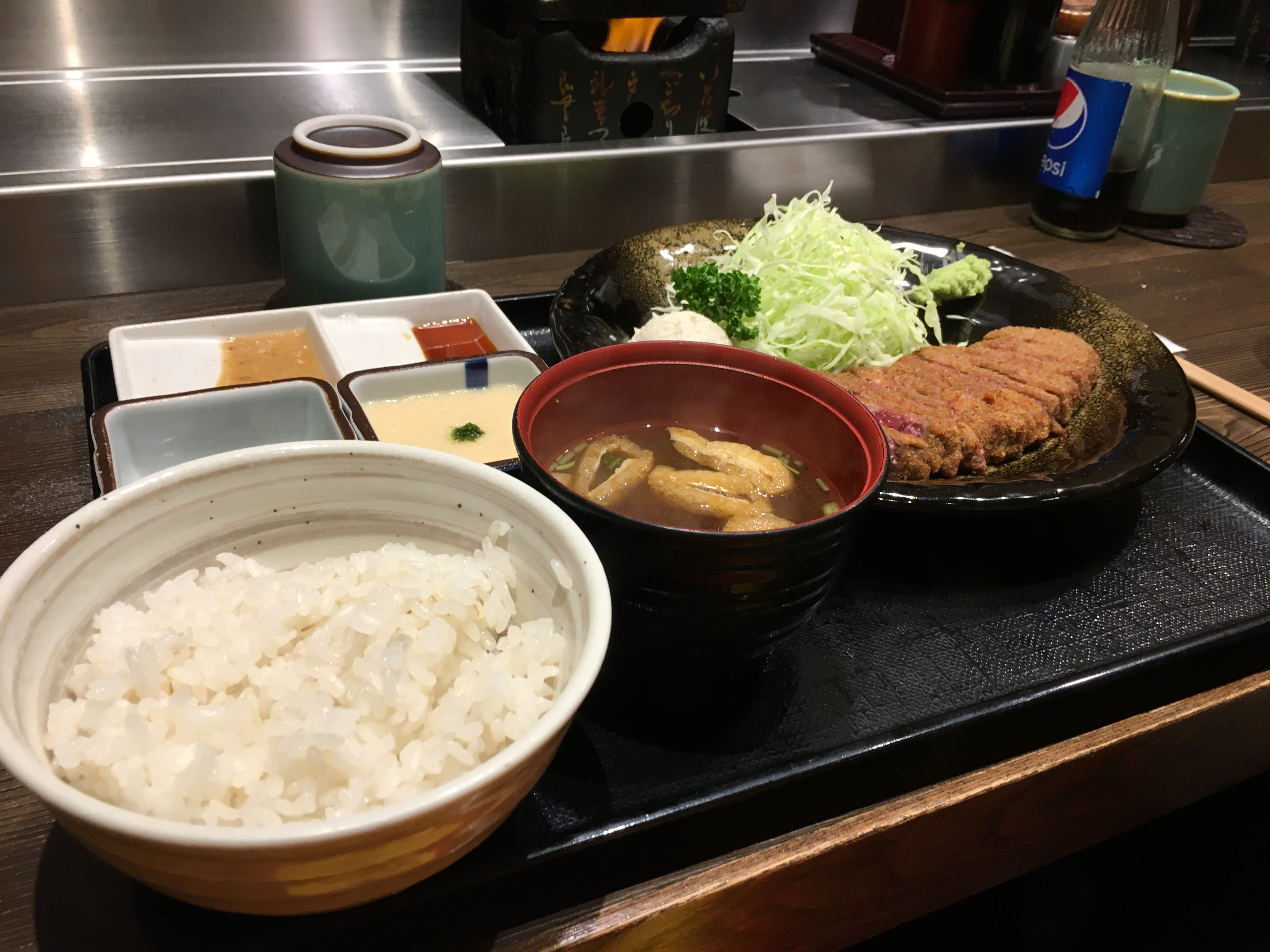
    So in terms of day to day life, contrary to my preconception that food and transport in Asia is cheap, and therefore Japan’s should be too since it’s in Asia, transport is quite expensive. This is quite noticeably so when you have to change to lines owned by different companies. It’s for this reason that I’ve taken to walking to my campus everyday since it’s actually quite close. I think it doesn’t help that the time it takes for me to walk to uni is the same as the time it takes by train. I also get to avoid being squished within packed trains. Walking is okay for now but I guess we’ll have to see when the weather gets colder. I have found some small stores while walking though which is kind of nice!! When it comes to buying food, I find the price to be similar to Sydney? I think conveyor belt sushi might be cheaper though. Also, they tend not to serve cooked vegetables with their food too, which is a little sad because I prefer vegetables over meat. There is some variety in terms of international food but I haven’t really tried any so I’m not sure if it’s good. I was really surprised to see kebab places for some reason??

    IMG_0484

    Recently, in my pathetic attempts to save money, I’ve started to cook for myself.  I’ve also gotten a bit sick of eating out as well so it’s probably a good thing but also, living on my own is tiring. This is probably laziness speaking but having to cook and clean myself really makes me appreciate home a lot more. Though, it’s kind of nice having dorm mates?? It’s really something I wouldn’t have experienced otherwise.

    IMG_0559

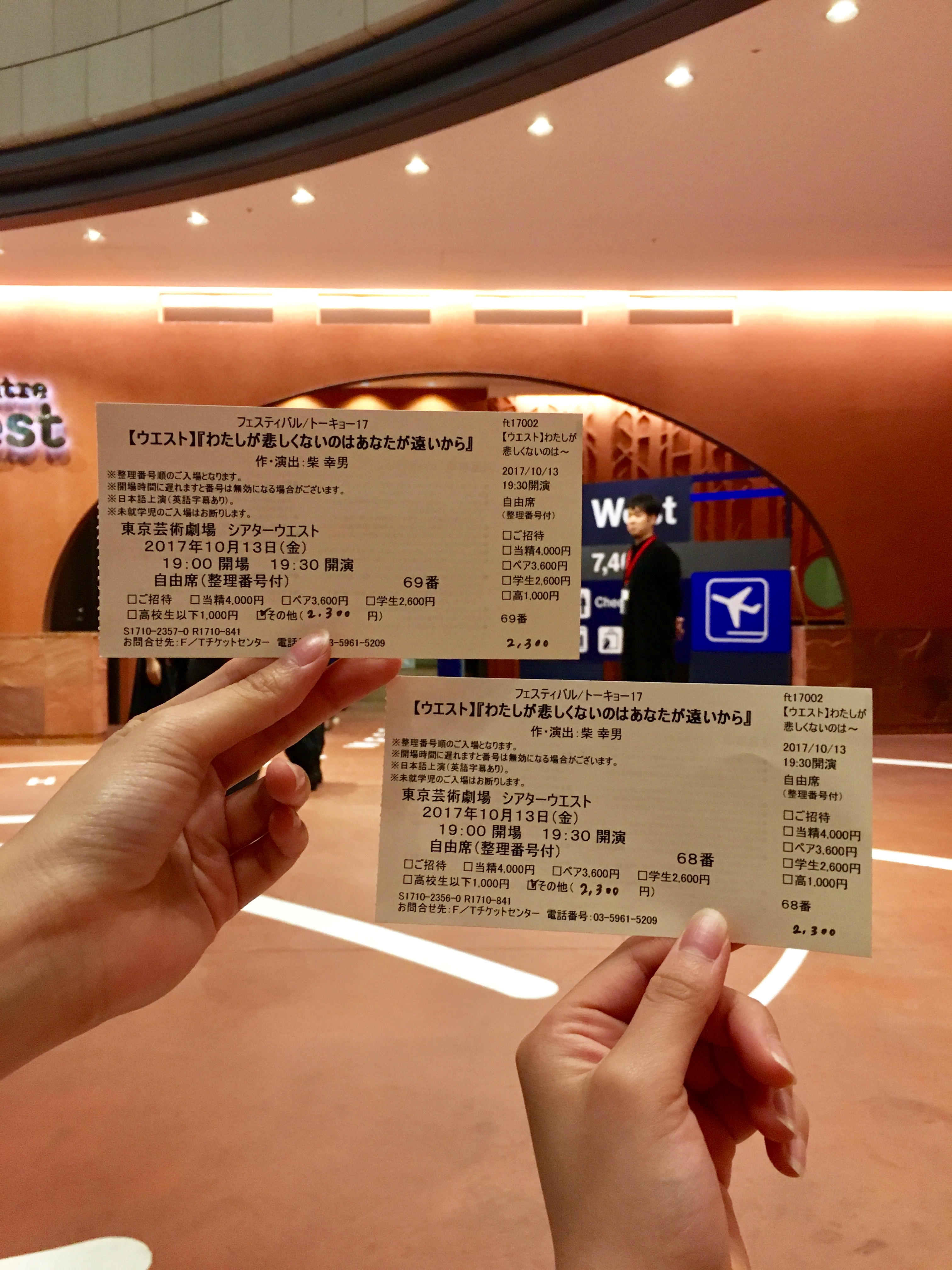
    Classes here are set differently since there’s just one class, not a lecture and tutorial. However, one class feels really long since a period is 100 minutes. The workload so far has been manageable and hopefully it stays that way. In terms of classes, my favourite would probably be Japanese language classes since I want to improve my language skills. The Performing Arts class that I’ve been taking is quite interesting as well though! More specifically, as part of the class we had to watch a contemporary Japanese theatre performance and I really liked it. I was a bit surprised since I thought I wouldn’t get into it but it was good!!

    Also I went to DisneySEA on a Saturday last month. Lots of people go to Disney in match outfits or dressed up like Disney characters, which I thought was really cool since you don’t see it much at theme parks elsewhere. The queues are really long though. It was raining that day so there was less people yet there was still a 1.5 hour wait for most of the rides..

    IMG_1175

    Leanne Ren (12599078)
    Bachelor of Design in Visual Communication
    Meiji University
    Japan

  • Between island hopping in Thailand, exam prepping in cafes and trying to localise myself in Singapore, I’ve had little time to make sense of exchange life. In hindsight, it’s been a defining experience.

    For communication students, we’re usually accustomed to the normal one hour lecture, two hour tutorial format of our timetables but Singapore’s classes operate differently. For the specific subjects I am taking, the following is a rough outline of class times:

    Promoting Sustainability: 2x one and a half hour tutorials per week

    Media Law, Ethics & Policy: One three hour lecture per week

    Psychology for Sustainability: One three hour lecture per week

    Korean Language 1: 2x one and a half hour tutorials per week

    The workload is generally a little heavier than at UTS but it’s been mostly challenging in a positive way. I find that I’m actually engaging with a lot of the content and for the most part, it’s enriched my experience. I find that really immersing yourself in university life and figuring out a work life balance is quite a fulfilling task. To me, it seems redundant for me to go away for four months and not learn anything but at the same time, don’t let your grades consume you. My advice is to try the best that you can and attempt everything that comes your way but also find some time for travel.

    For me, I made a spontaneous getaway to Phuket with Victoria and Monica (who will probably be writing about this trip on this blog as well). The girls and I got whisked away on a resort getaway where we were pampered silly. We left with glowing tans from days spent reading on the beach, satisfied from four days worth of breakfast buffet followed by indulgent afternoon teas and beaming from two hour massages, body scrubs and facials. In between, we visited Phi Phi islands and had our breaths taken away by the crystal clear waters. We marvelled at the soft white sand between our toes and ogled at the beautiful marine life as we snorkelled.

    Back in Singapore, I’ve drank in the city skyline at rooftop bars and spent evenings dancing the night away. The food here continues to wow and every local you meet is a foodie in their own right so don’t hesitate to ask them for suggestions! Because NTU is so far from everything, I find Jurong East is a little bit of a gem for shopping. It’s basically got everything you need without having to travel the hour long journey into the CBD area but with that being said, sometimes it feels like a relief to be away from university.

    Till this day, I felt like I’ve done nothing at all but in reality everything’s just happened so fast that it’s all become a blur. So my best advice to you is to take as much of it in as you can and savour every moment. Take some risks, have a lot of faith and life will find ways to pleasantly surprise you.

    Winnie Wang

    11747425       

    Bachelor of Communications (Public Communications) Bachelor of Arts (International Studies)

    Nanyang Technological University – Singapore

  • Japan in a nutshell

    image4

    So its been over a month in Japan and as I gradually got used to life in Japan, trouble struck. Perhaps its due to the overwhelming club events, or perhaps due to my stupidity, I almost failed to register on time for my subject selection. Fortunately, UTS International had my back and I got my subject selection sorted. A word of advice though is, make sure you contact your host university and UTS staff to help you if you require assistance, and to set your priorities. Coming to a country so different from your own country can be at first so daunting and frightful as you experience the culture shock. For me, I just wanted to get away from  my old daily life and experience living away from home. However I remember my friend saying “I wanna go home” on the first day they were here in Japan. I believe that this would be true for many if not most people who go on exchange. Advice number 2 would be, it would be natural to feel homesick or lost during the first few weeks on exchange, however during that time you should go out and make new friends, sign up for uni clubs, go to events etc.

    Japan is much, much more crowded than Australia, so if you are claustrophobic or scared of small spaces, I suggest you mentally prepare yourself before coming to Japan, because it is very crowded. Personally, with regards to the subjects that Meiji University is providing, I like all of my subjects. Each subject is unique and different in its own way. For example, one class I’m taking called  Introduction to Visual Culture, we have to form groups and go on a field trip to a specific area and find visuals and visual representations of ‘Japan’. Compared to what I am studying in UTS, which is Bachelor of Global Studies, this class is very different to the classes I’m taking at UTS.

    image3

    Meiji University also have an international lounge in each campus, which is kind of like our library back in Sydney, ‘our second home’ or as I would like to call it. In the lounge there are both Japanese and International students, a quiet study area and staff to help you whenever you are in the lounge. I find this facility very exchange student friendly, and it is also a great place to make friends with people all over the world, not only Japanese people.

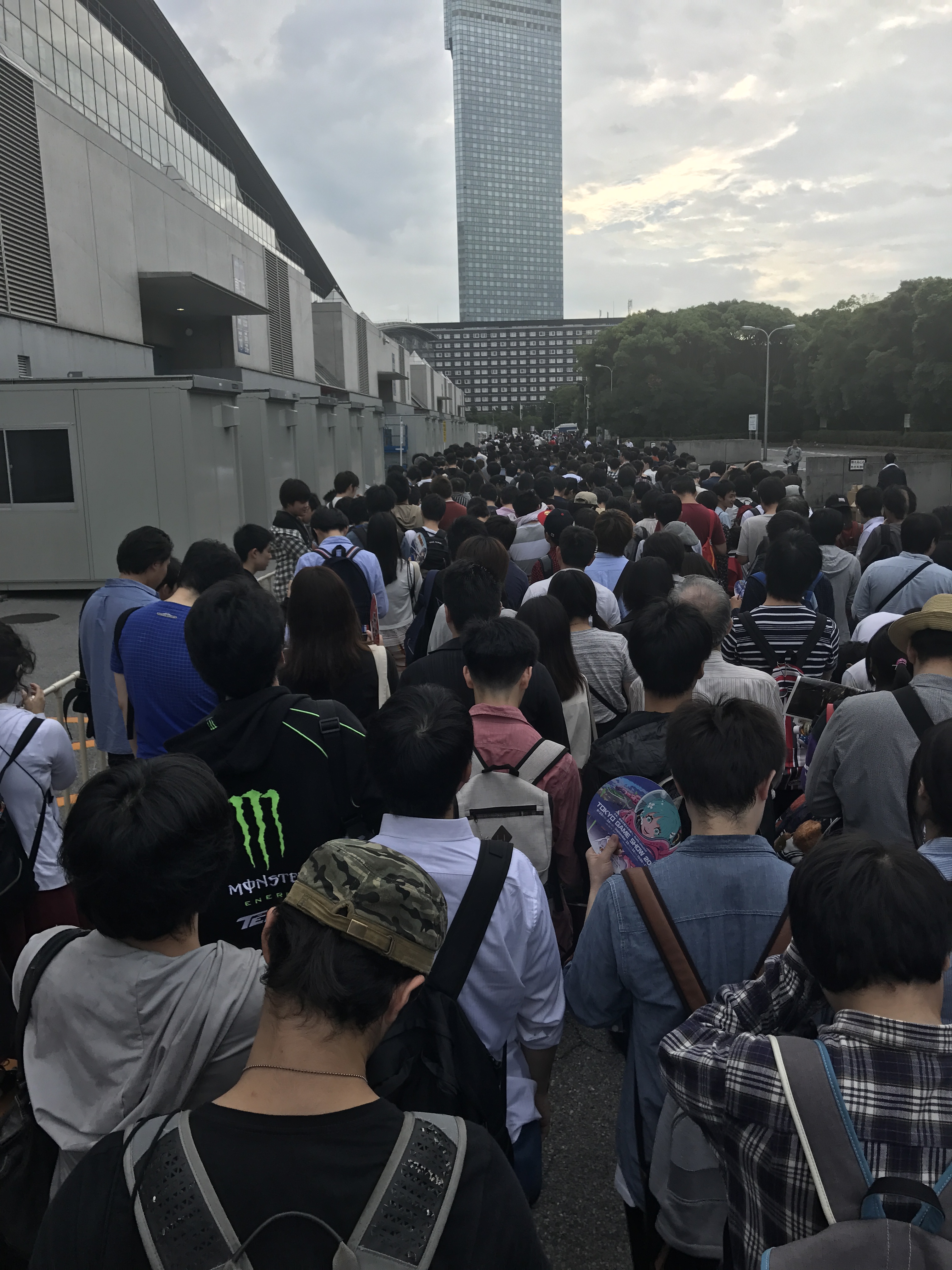
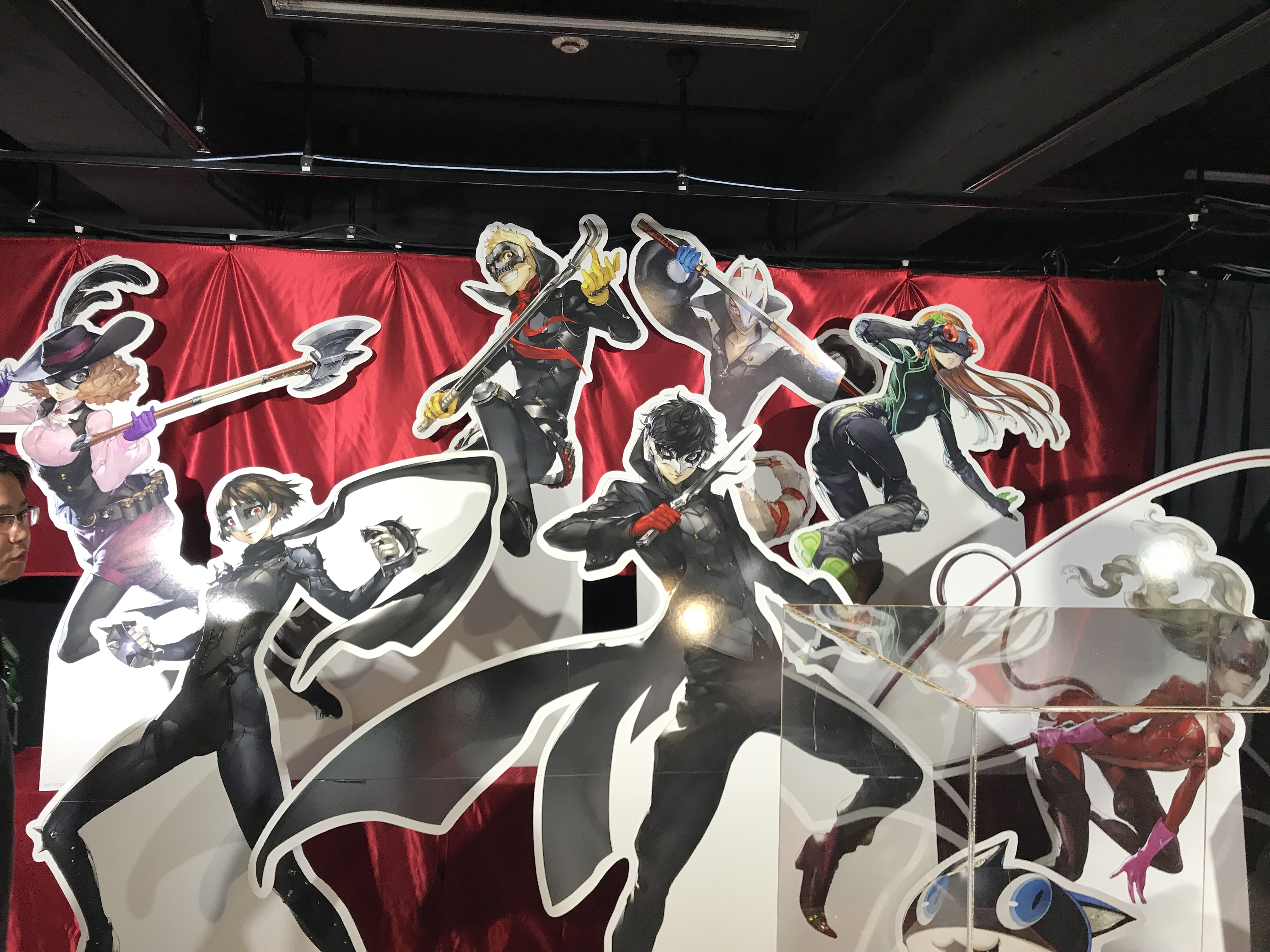
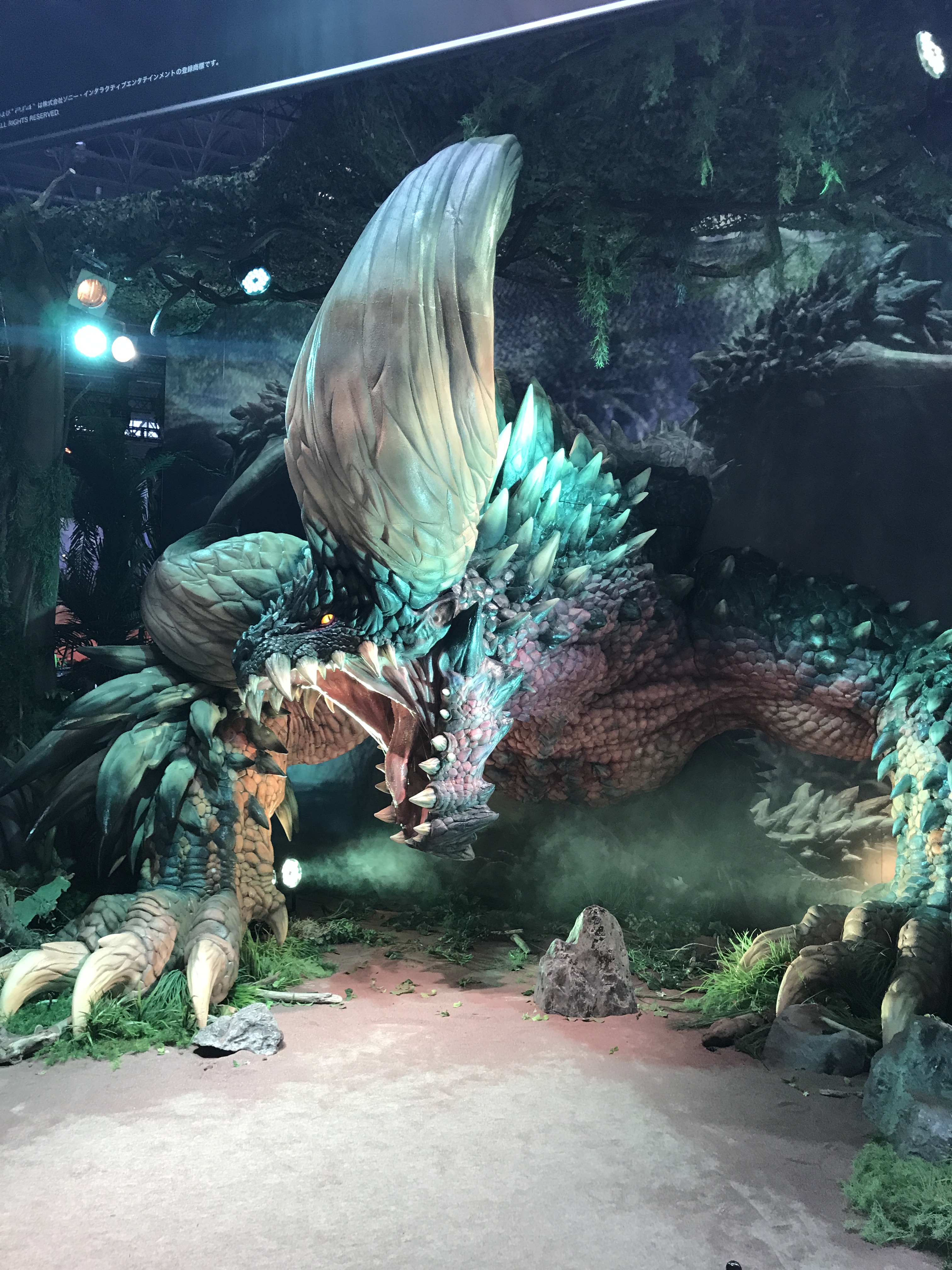
    Since only one month has passed, I wasn’t able to travel or visit the places that I want to see. However I was able to go to the Tokyo Game Show and nearby attractions near the Nakano campus of Meiji University. Another thing I found out about Japanese people is: they love lining up for things, lining up for queues. Although we got to the Tokyo Game Show two hours before the gates open, there were already over a thousand people in front of us, waiting in a queue.

    image2

    image1

    Roger Hu, 12559567, Bachelor of Global Studies, Meiji University, Japan