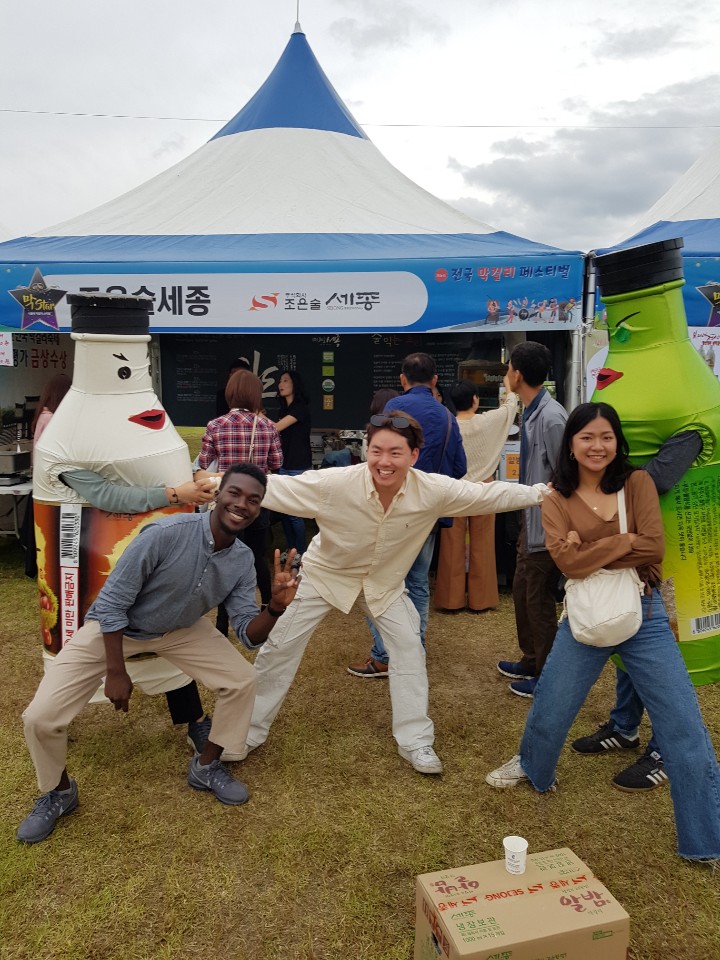
The global exchange program has been a phenomenal experience for myself so far, and I’ve learnt so much more than just the academic education that Korea university provides.
I chose to go to Republic of Korea, due to my fascination about the Korean culture, and to experience life in Korea as I am of Korean descent. Although I was very excited to go to Korea, and to Korea University, the experience that I have had, outweighed my expectation of life as an exchange students in very single measure.
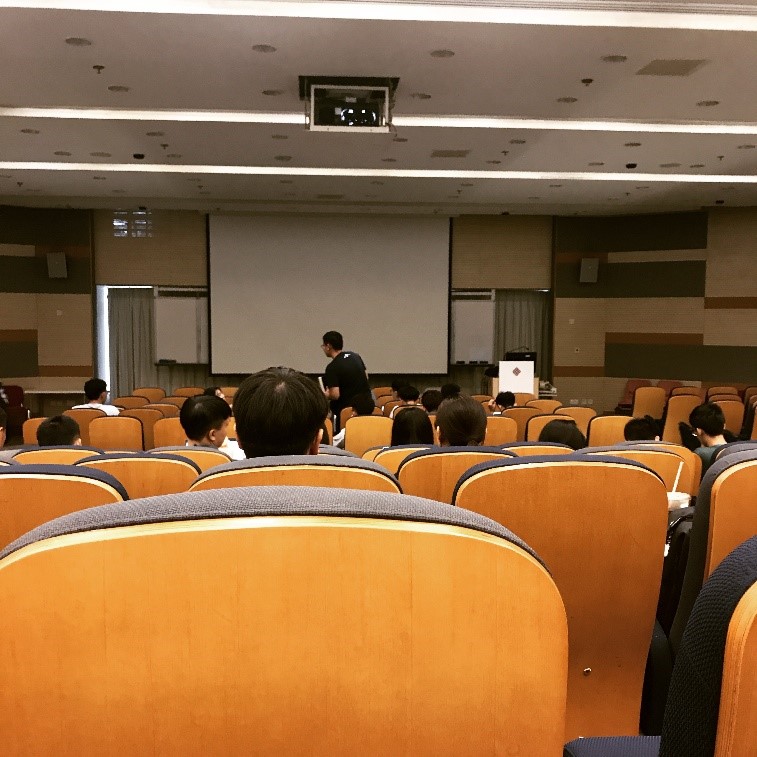
In Korea University, I am in the Media & Communication faculty, the very interesting teaching style about Korea University which differs to my home university is that they have the lecture and tutorials at the same time. The classes are usually 2 hours per session, and the first hour is when the professor first starts their lecture. After the first hour, the class moves onto a tutorial style which mainly incorporates discussions. It is a really interesting teaching method, as students are able to discuss the content of the tutorial more confidently, as the tutorial is straight after the lecture.
The media subjects at Korea university are conceptually quite different from the media & communication subjects that I was taught back at UTS. The subjects that I am currently taking focus more on the future predictions of how media and communications will affect our societies using contemporary concepts, whilst at UTS, most media & communications subjects focused primarily on how it has effected the past.
It is quite interesting to learn about the media industry in Korea and how media businesses operate, delving deep into the KPOP industry. As the media industry is quite big in South Korea, it is very refreshing to learn about media industry as a whole, as UTS mainly focused on media theories which relate to news organizations.
Through Kuba (Korea University buddy program), I have met a lot of friends that I will treasure for life, and we have had the opportunity to travel around Korea, such as Seoul, Jeonju and Busan. I hope to continue to have a great semester ahead and make countless memories that can only be made through the Global exchange program.
Charlie Yoo Bachelor of Communications Korea University South Korea
Australian Government New Colombo Plan Mobility Grant recipient.
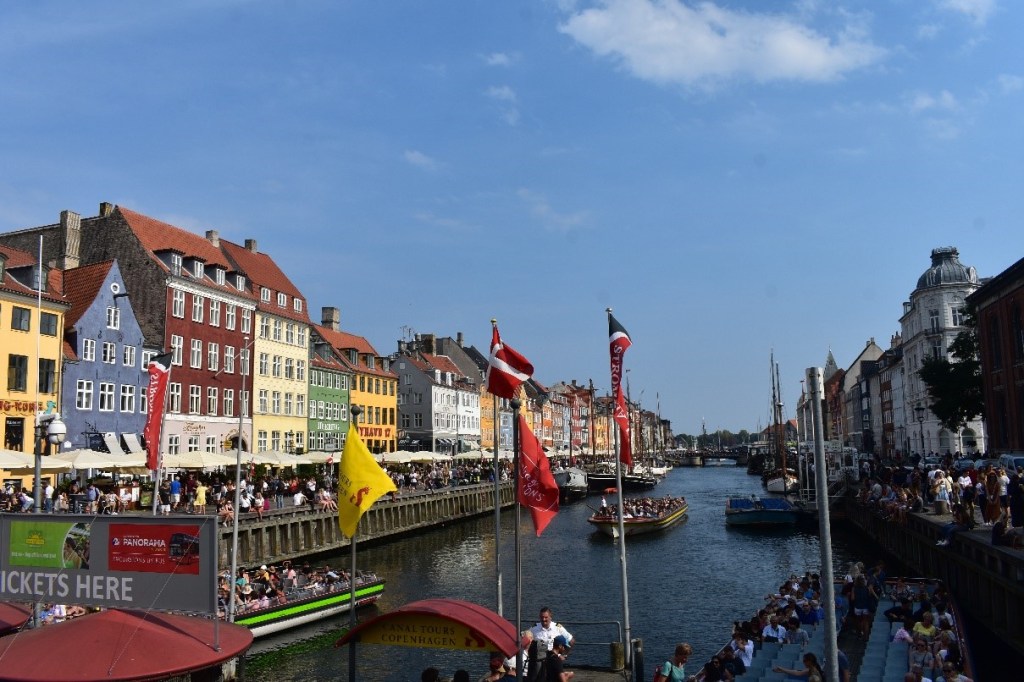
Copenhagen, Denmark. When this city and country first came to mind, what were your thoughts? The age of Vikings? The welfare state the Scandinavian countries have become known for? Or perhaps the statistic that Denmark is one of the happiest countries in the world? All these values have been reflected in the city of Copenhagen in my short time here, along with so much more.
Copenhagen is a city of contrasting architecture and culture, with just about everything someone could want. Simply walking from street to street you can find middle aged buildings sitting next to state-of-the-art modern architecture. Interested in History? Dozens of museums and historical sites ranging from the Age of Vikings through to the Middle Ages lay scattered throughout the city and countryside. There are concerts on every night of the week, and clubs to attend afterwards for those who have an interest in the nightlife. Have a passion for nature and scenery? You won’t find cheaper flights to the scenic sides of Scandinavia than in Copenhagen.
Copenhagen is also located in a unique position, with so many countries near it that are easy to travel to. Sweden is a quick 30-minute train ride away, with a plethora of cruises and trains leaving for the rest of Scandinavia and mainland Europe at cheap prices.
Speaking of prices, don’t be discouraged by the rumours of how expensive Denmark is. Whilst the cost of living is higher than Australia, there are plenty of ways to save money, and many student deals, discounted groceries, and special services dedicated to allowing one to save money. Just don’t come over expecting to eat out every meal.
Finally, what is studying at one of their universities itself like? I attend Copenhagen University, which is steeped in a rich history, having been founded in 1479. So far, I have thoroughly enjoyed the teaching style, which focuses on small, personnel classes, with the international student subjects being taught in English.
Ultimately, Copenhagen is a city that focuses on happiness, culture, and enjoyment, even during the cold winter months. I would highly recommend attending exchange here for anyone who is interested in the Scandinavian way of life/culture, and those who wish to travel extensively to Europe.
William Welch Bachelor of Information Technology Copenhagen University Denmark
Before moving to Madrid,
I had heard so much about what an amazing city it is, so I definitely had high
expectations for this experience abroad. After only three weeks of living here,
I have quickly come to understand why Madrid is so well loved by so many
people. It is a lively city, full of culture, beautiful historic buildings,
amazing tapas and most importantly, some of the most welcoming and friendly
people I have ever met. In Madrid, the locals really know how to live life to
its fullest, whether it be celebrating a fiesta by partying on the street till
the early hours of the morning or just staying out late to share tapas or
raciones with friends while sipping on tinto de veranos (summer wine)
and cervezas (beer).
Whilst on exchange, I
will be studying at Universidad Pontificia Comillas, a well established
university which has a great reputation in Madrid. Comillas really values the
experiences of international students and organises many activities and events
which allow you to meet fellow exchange students from all across the world and
also make friends with local Spanish students.
There is a student run association at Comillas called Unity, which organises many great parties, picnics, travel trips and more which means getting to know people is super easy. This is something which already I have found to be so useful, as I have been able to connect with people and make amazing friends even before starting university classes. You often hear of students on exchange struggling to make friends with people from their exchange country, however the Spanish students who run Unity are always eager to meet up for dinner (which here is generally around 9:30/10pm!), meaning I have been able to learn so much more about life as a Madrileño/a and really immerse in the Spanish culture and lifestyle. It is through these friendships that I have learnt about the importance of jamón and olive oil (and the many different types) and also come to appreciate and become accustomed to the small cultural differences, for instance punctuality is not very important here (15 minutes late is acceptable) and the concept of personal space almost doesn’t exist! These may seem like negative observations, but in reality, I love that Spaniards don’t rush time and they are open and friendly to all people. As a foreigner it can be easy to criticise another culture or compare it to your own, however I have found that by making a conscious effort to be open-minded you begin to understand the culture – maybe even to the point in which you start to adopt the customs which seemed strange at first.
As I continue on my global exchange program in Madrid, I look forward to my time ahead and if the last three weeks are any indication, I know it will be filled with amazing experiences.
Sarah Rodriguez Bachelor of Management in Tourism Universidad Pontificia Comillas Spain
My name is Jaewon Jung. I am a penultimate year Bachelor of Business student, majoring in Finance. I am currently undertaking my exchange program at Sophia University in Tokyo. My reason for going on a student exchange is quite simple. I received an email from the university on student exchange, and I thought “Why not? I might as well try”. But also, I’m a strong believer of the quote, “whatever makes you uncomfortable is your biggest opportunity to grow”. Therefore, I have decided to take the opportunity to live and study in a country where I do not speak a single word of the language.
I arrived a week before the class started. I took the time to explore the city and settle in comfortably. As I was travelling by myself, I often felt quite overwhelmed by the language barrier. Small daily activities such as going to the supermarket, convenience store and restaurants have been difficult. One time, I went into a ramen restaurant, paid on the vending machine (in some restaurants in Japan, you usually pay at the vending machine, get your food ticket and hand it to the staff), got my ticket and handed it to the staff. The problem started when the staff started asking me questions. Obviously, I did not understand anything. However, I proceeded to reply with “はい”(which means yes) to all her questions. As expected, something went wrong and I ended up waiting for 20 minutes for my food until an English-speaking customer came and helped me out. But, don’t worry, there are many ways to get around. However, I strongly recommend learning basic conversational skills and I regret not learning basic Japanese before coming here.
Akihabara,
Tokyo
There are many rules you need to follow in
Japan, especially in public areas. But, they are quite easy to follow. There
are many videos and guides on Japanese etiquette you can watch.
Asahi Sky Room, Asakusa
I’m living in a share
house provided by a housing agency called Sakura House. I have never lived in a
share house before, so I was quite worried before moving in. However, so far it
has been great. All my house mates are nice and friendly, and they are from
different parts of the world. We often go out for a dinner together and they
have helped me settling in.
In terms of bank account, I have decided to open Citibank Debit Account in Australia. There is no withdrawal fee if you withdraw money from Seven Eleven ATM. You also have an option of opening a bank account here with Japan Post Bank. JPB is recommended by the university as they do not require a personal seal (inkan/ hanko).
Odaiba,
Tokyo
The commute to school takes around 45 minutes from my share house. It is around 10-minute walk to the station, 30-minute train ride and 3-minute walk to the university from Yotsuya Station. The train ride is crowded most of the time (depending on what time you get on the train). So far, it has been fun and interesting, but I would not want to do this every day, especially during the summer.
Yotsuya
Station, Tokyo
Sophia University is very similar to UTS in terms of the facilities and location. It is located at the heart of Tokyo and the campus is not too big. However, the teaching style is very different compared to UTS. I’m currently enrolled in Japanese 1 (beginners’ class), International Finance and Development Economics. All Japanese beginners’ students need to attend a 100 minutes lesson from Monday to Friday. Japanese language class feels very much like a high school language class. For International Finance and Development Economics, we have two 100 minutes of lecture each week, and there are no tutorial classes.
Sophia
University
I’m using free
electives for all my units. I decided to study Japanese, because I felt like I
need to learn the basics of the language to experience the culture better. I’m
also studying two economics subjects, because I was always interested.
It has only been a
week since university started and I have been enjoying every moment, especially
the food. The university cafeteria sells nice and affordable food. In the
morning between 8am to 9am, they also sell breakfast just for 100 yen ($1.40
AUD).
100
Yen Breakfast at Sophia University Cafeteria
My top tip would be to try something new every day. It may be difficult, but it always brings a valuable lesson. Also, exchange sounds fun and exciting, but at some point, you may feel overwhelmed by the sudden change, which is completely normal. That is all part of the experience.
If anyone was to ask me if I would recommend student exchange, I would definitely say yes. So far, it has been a good opportunity to see myself growing as a person, which I believe is an invaluable experience.
Jung Jaewon Bachelor of Business Sophia University Japan
Australian Government New Colombo Plan Mobility Grant recipient.
Hej from Lund, a
cute little cobble street student town in the south of Sweden!
After 7 weeks of
travelling around Europe, I met the mentor leaders at Copenhagen Airport and
took the 40-minute train into Lund to begin 5 months of study. I’ve only been
here for a month, and I already have had the best time ever!
Lund university
provides all incoming international exchange students with a well-planned
two-week orientation program from arrival day to the first day of semester
which gives you so much time to explore Lund and meet new people. This program
consisted of different pub nights, club nights, brunches, beach days, sports
days, lush hikes, scavenger hunts, and barbecues where I made most of my
friends and of course made the transition to Swedish life comfortable and so
much fun. This was all in the midst of taking part in a two-week Swedish crash
course which allowed me to understand the basics of Swedish, even though pretty
much everyone here speaks English it’s always good to know. This was also when
I was introduced to the concept of nations, which are the Swedish version of
fraternities and sororities, everyone gets to join one of over 13 nations,
which host various kinds of events every day which contributes to the strong
student life culture in Lund and the unlimited exciting events on at any point
of the week.
Once I settled
into Lund, along with everyone else, I bought a bike and went to IKEA. Anywhere
you are in Lund is accessible within 20 minutes cycle and with all the pretty
parks and bike paths getting from A to B is so enjoyable (more people ride
bikes than drive cars around here). It’s such a big change coming from Sydney
to a small student town and biking to classes, parties and even the beach on a
warm day. IKEA is also incredible for furnishing your new bedroom on a budget.
Another amazing
aspect of Lund is the proximity to Copenhagen Airport and the access to cheap
flights for a quick getaway to a European city of your choice (Skyscanner is
your best friend). I’ve already done weekend trips to Nice and Prague and
signed up for the ESN Lapland trip where the uni takes you up to go to the
northern lights in December.
One tip I have if
you’re considering Lund is to apply for accommodation in as many places as
possible. I underestimated how competitive it is to find a room for a semester,
and how it works on a first in first serve basis, so apply when it becomes
available, but also everyone finds somewhere eventually.
I hope you have found my post helpful and helps you decide on Lund like other blogs did for me!! Exchange in Lund has honestly been the best experience so far and such a different experience to UTS. If you have any questions, please feel free to message me.
Nina Carraro Bachelor of Business Lund University Sweden
It’s been
just over three weeks since I arrived, and I’m still amazed to be here every
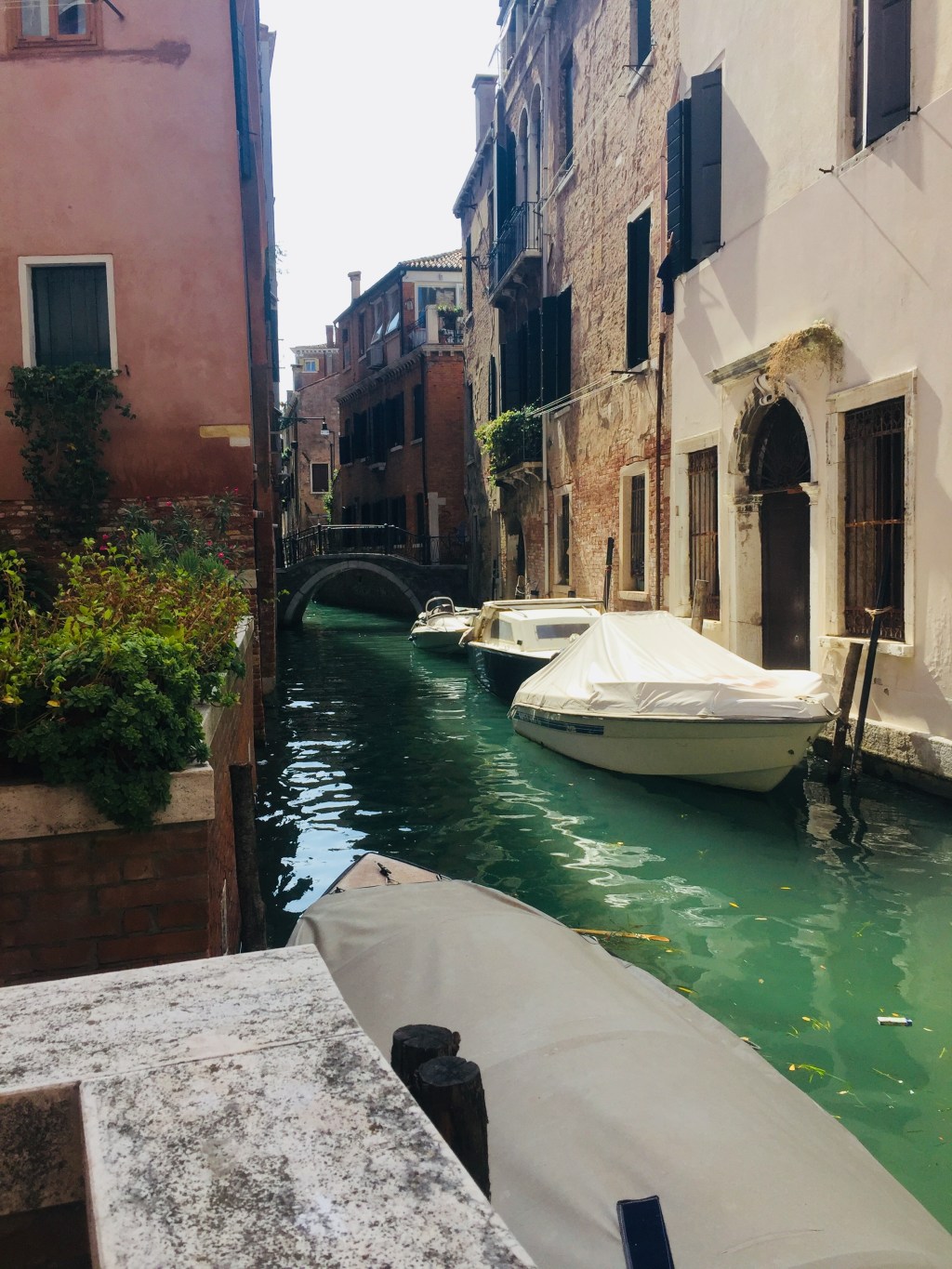
day. Venice is possibly the most extraordinary city I’ve ever seen. You know
when you google a place and look at the photos and think that there’s no way it
actually looks that lovely, it must be a trick of the photography trade? That’s
how I felt seeing pictures of Venice, except it really does look like that.
Life here, though different in some ways, has many similarities to life in
Australia. So far I feel like the most alienating experiences I’ve had come
from my lack of Italian skills (you don’t realise how little you know until
you’re in the grocery store trying to differentiate between body wash and
conditioner). Some shops close for lunch, and a lot are closed on Sundays. The
garbage system on the island is very different from Australia’s because there
are no cars, and therefore no garbage trucks. Every morning (except Sundays),
garbage collectors come on foot with carts and you have to hand it to them
individually. I am not super proud to admit that I’ve ended up chasing them
down the street in my pyjamas more than I would care to, so be prepared for
that humbling experience if you choose to live on the island.
Arriving
was honestly easier than I expected. From Marco Polo Airport (where I landed) I
just caught the water bus, or ‘vaporetto’, to the wharf closest to my flat on
the island. There are no cars, trains, or bicycles on the island, with the
exception of a bus depot at the end of the bridge connecting the mainland to
the island. Everywhere you go on the island, you walk (on the right hand side
of the path instead of the left) or catch a boat. Houses don’t have specific
street addresses like they do at home, it is more common that people just list
the neighbourhood, number, and postcode. Sometimes Google Maps likes this more
than others, so it can be helpful to pinpoint a nearby landmark and get
directions to there if the address doesn’t pop up as an option. I’m still
figuring out how this works vis a vis ordering things online and having them
delivered, but I’d like to figure it out because shipping to Italy is often
much cheaper than Australia. One of the best things to do when you’re new in
the city is to just go out and get lost, it really is beautiful and every
street is worth a look.
The most important thing to do to manage culture shock and settle in is to make sure you’re taking advantage of all the help you are offered. When you don’t know where the grocery store is, ask your landlord. When you forget your hairbrush, beg one off your roommate until you can ask your university buddy where to buy one. Call your mom. Ask for help. It’s okay. Adjusting to life in a new place is scary as hell, and there’s no medal for making it harder on yourself by trying to do everything alone.
Ciara Seccombe Bachelor of Global Studies Ca’ Foscari University Italy
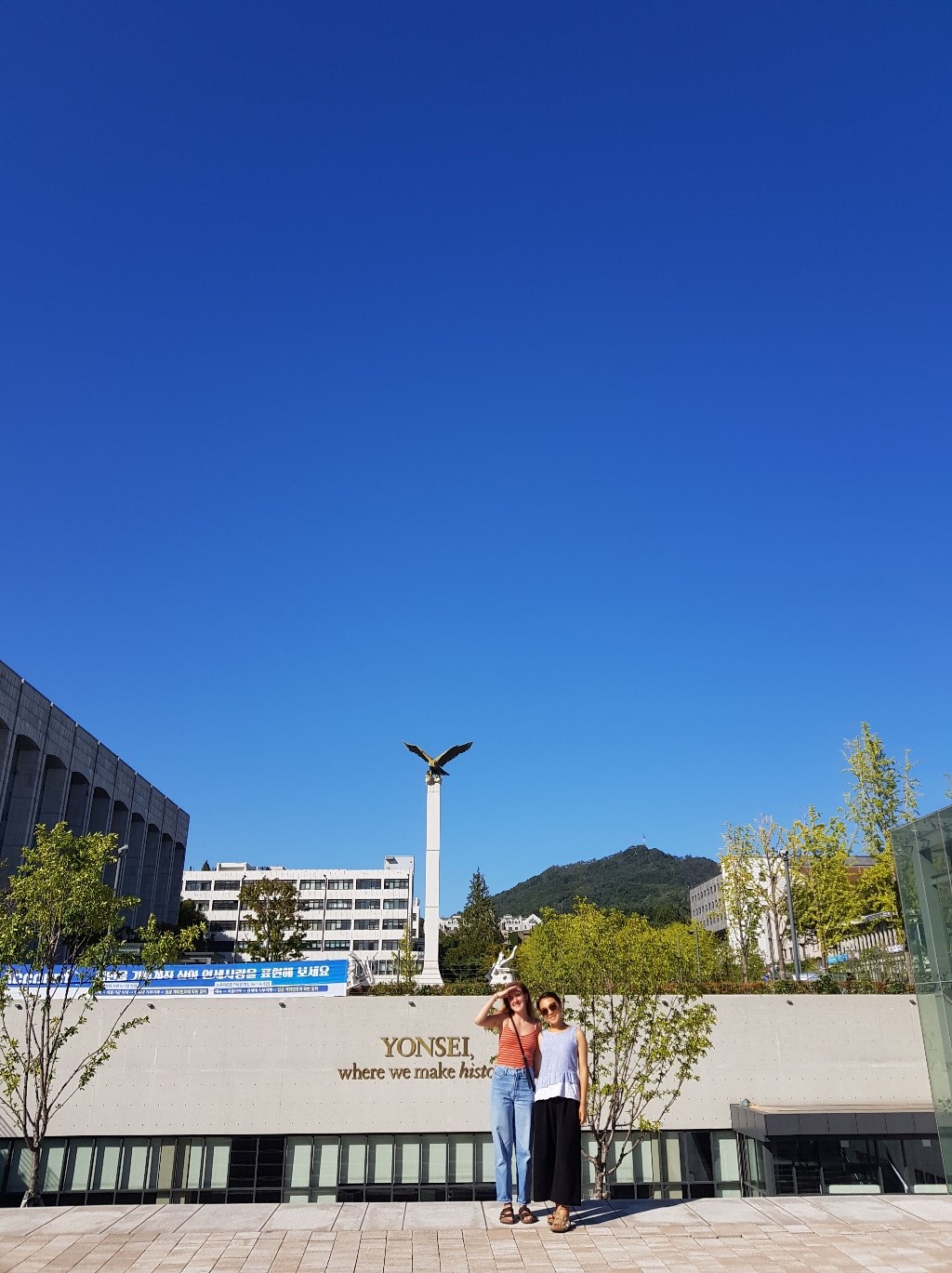
In front of the eagle statue, Yonsei has eagles as the mascots
1. Korea is a great place for an Exchange studnet
Korea, known generally for K-pop, the food and the amazing skincare products – is a pretty fantastic country to be in. I have been here now for just around a month, and I can already say that I could be here for longer. From the first few weeks of navigating the well-knit public transportation system (make sure you use a Korean map app like Naver Map or Kakao Map), being able to always find someplace open to satisfy your ice-cream cravings, and also finding that your wallet doesn’t suffer as much when you grab delicious, and quick food (coffee and cakes though are pretty expensive). You will find that there’s always something fun to do, and that you may be coming home late every day since everything is pretty much open until midnight throughout the week. I am really glad that Korea was the place I decided to come to after all that deliberation and research
2. Yonsei university usually has a large intake of exchange students
This year, during orientation they said that Yonsei has around 1000 exchange/international student in this intake of Autumn semester. Around campus and in class you will not only find many fellow exchange students to make friends with but also find that there are so many societies for exchange students (around 4-5 different societies) to network and socialise not only with exchange students but also the local students here at Yonsei. They have a responsive and friendly team at the global affairs office, a beautiful campus filled with convenience stores and cafeterias – and also 2 bank branches in campus for students and staff. The facilities and culture here is something really worth experiencing, as student life on Yonsei comes with lots of perks. One cool thing to note also is that your Student ID can be used as a debit card as well.
The sign by the front gate of the Shinchon Campus of Yonsei University
3. Attendance is important
On the syllabus, attendance usually takes up 5-10% of your mark – meaning if you were to miss 2 lessons or so, you will have to talk to your professor about your lack of attendance. I recommend making the effort to show up to every class prepared, especially as Professors like to engage in discussions quite a lot of the time about the material, making the classes like a mix of lecture and tutorial style. But this tends to vary quite a bit with the lecturers too.
4. Join some societies
As I mentioned earlier, there are heaps of societies available! I think the Mentors club is a big one for exchange students but there are at least 4 other ones about global networking and making friends. One thing to note is that you might find that many societies have an interview or auditioning process especially if they are pretty popular and get many applicants. I personally tried out for busking societies (and I took my ukulele with me to Korea for this haha) and got in! Another thing to note is that the fees for the societies are much higher than they are at UTS, ranging from 20000 to 50000won which is like 20-50 dollars. Additionally there is an MT or Membership training which is a weekend getaway to bond and get to know fellow members from the society, which is quite a unique experience to the Korean University life, so I would like to recommend trying it out – especially if you haven’t yet been so active in societies back in UTS.
5. Be sensible with money
Everything in Korea may seem pretty cheap, and honestly a lot of things are. However, with the exchange rate from AUD to KRW you may underestimate your spending… as I have in the first few weeks here. My recommendation, as mentioned many times before already is to explore your options with banks offering global currency cards and accounts. Korea is very friendly to card payments but will have a few things which only accept cash – e.g. public transportation card recharging (I recommend having cash to spare for this reason). So I use my card on most occasions, which saves me from the ATM withdrawal fees and bad exchange rates. I recommend budgeting, doing a lot of research and looking into all your options before making decisions. For example, with housing, dormitories are convenient as you won’t spend too much on transport, but they come with some T&Cs that people might not necessarily anticipate as an exchange student looking for a certain freedom/independence. I have heard that a few people have already been kicked out of the dorms for breaking the rules, and you don’t want to end up as one of them. Also a friend of mine had to find a new place to live a month into her stay in Korea because she realised that the apartment she had already paid 2 months for wasn’t the best option for her. Look into contracts, be thorough with inspections and most importantly know what your priorities are because there will be mistakes but you don’t want to make them too costly if you can help it.
A seafood fried udon lunch menu that I got for $5 or so around the cafeteria at the campus
6. Plan ahead for the holidays
The semester here doesn’t have mid-sem breaks, so you’ll have to plan your travels/adventures wisely. If you come to Korea for the second semester (spring for Aus and autumn in Korea), there will be a nice long break called Chuseok, which is a massive holiday celebrating the harvest moon and a time for everyone to spend with family. Going to a different city at the time is going to be quite challenging unless you plan ahead because there will be many people travelling home to their families and tickets will be sold out closer to the date. But it will be a few days of freedom that is rare to come by! So make sure you make the most of it. The public holidays are few and far between too, so I just recommend planning so that you can make each of those precious days count. Also keep your eyes on the radar for some events, ceremonies and festivals that might be going on around this time. For example, all the traditional palaces will be open for visitors during the Chuseok holiday for free!
7. Learn some Korean
Although there are lots of signs in English and many people do speak some English, learning some Korean will go a long way for your stay here in Korea. The Korean written language is extremely easy to learn, you’ll be able to read and write in 15 minutes although you won’t exactly know what anything means. Basic Korean classes are offered at Yonsei, but there are also some language apps which can teach you some basic phrases. You’ll find that especially older ladies and gentlemen really appreciate it when you can say hello and thank you in Korean. Your local friends will be able to help you out with this endeavour.
8. Take good care of your paperwork and courses
The Alien Registration Card is going to be a bit of a pain, but it’s necessary for all staying in Korea for over 90 days, and for people with the student visa, they should have this ARC card before leaving the country too. Yonsei gave us 2 days to be able to do this application at school this semester which was really helpful, BUT make sure that you have all your paperwork and passport photo well organised as the lines are super long (at least 1hr) and being sent home or sent to the back of the line won’t be so fun at all. Something also different in Yonsei from UTS is that the first week is a trial period for courses, where you can attend classes (even if you didn’t sign up for it) to try it out and get a better idea. If you are tossing up between a few courses, (esp for direct equivalents) check that they can be approved at UTS first, then try out the courses to make your final decision at the course add/drop period. But of course, make sure you enrol properly using the mileage system when signing up for the courses. I would like to recommend that you read that handbook sent by email properly.
Go for a bike ride around Han river! It’s absolutely lovely and it only costs 1000 won or around AUD$1.1 for an hour
9. This experience is up to you, take initiative!
Finally, the exchange experience is all up to you. Getting out of your comfort zone, taking initiative to say hi or look into your interests is a key way to make most of your experience here. Do your own fair share of homework to make a good list of things you want to do and places you want to go, but at the same time be responsible enough to manage your classes and homework as well. Just make this experience yours to cherish, and make the most out of.
Ahjeong Yoo Bachelor of Medical Science Yonsei University South Korea
Australian Government New Colombo Plan Mobility Grant recipient.
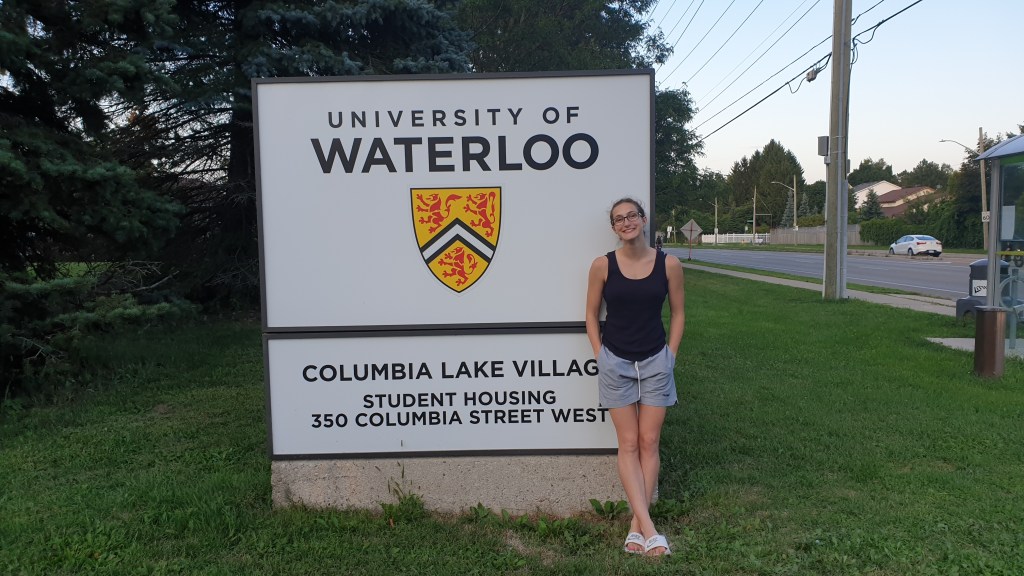
Waterloo seems to
have a funny way of catching one off guard in how beautiful, simple and unique
the life of being a student(-athlete) can be. I have been here just about a
week, and it feels as if it has been a lifetime just through all the social
events, the settling in and abrupt change in pace has flipped my life at home
on a complete 180˚. The University of
Waterloo is a picturesque campus in the Waterloo-Kitchener region only a few
hours north west of Niagara Falls and as a consequence the United States/Canadian
Border in the province of Ontario. As it stands so far it seems to thrive off a
wonderful combination of bribing students to attend events with free food
(unnecessary, you’d want to go anyway), glaring academic support, phenomenal
facilities and campus grounds, games at warrior field, healthcare benefits
(free dental, counselling, physical therapy etc.), cheap cafeterias… and that’s
all before you start on the lectures being engaging and the professors all
genuinely wanting you to succeed in their subject.
One thing that
has made me fall in love with it above all – is that I feel like an individual
student, that I’m genuinely cared for and wanted as a student, and individual
and an athlete. Since arriving I’ve become a part of the International Peer
Community (IPC) that sets up events for students (exchange, international,
domestic alike) that span from meet and greets on a Tuesday night to a day out
at Niagara Falls. Furthermore, it allocates students into groups so that they
can network beyond people in their course or around their accommodation, and at
times to suit everyone’s schedules. I live at CLV-S, and there is an event on
every Friday with more scattered throughout the week. Above all, there is a
pool competition at the end of this month and most of us living at CLV-S are
practicing on the community center table to secure ourselves a good chance at
being a part of what will undoubtedly be an intense final.
Additionally, I
have become a part of the Cross-Country and Track & Field Team, a
significant passion of mine that I aim to work into a career. Piggy backing
onto my earlier statement of feeling genuinely cared for, I was honestly
surprised at how supportive the staff and captains have been for an exchange
student like myself. That being said, not everyone has to love sport as much as
I do to be a part of a sporting team, and as a result I’ve been able to play
basketball, pool, swim and all in the first fortnight – something I don’t do a
lot of at home!
However – budding exchange students, let me warn you that while I had been prepared for everything from Bears (I backpacked in Alberta before arriving on Campus) to minus 20 to permanently smelling of maple syrup I had not prepared for milk to be bagged or the size of Walmart. Proceed to Canada with caution.
Isabella Thornton-Bott Bachelor of Technology and Innovation University of Waterloo Canada
Hej (pronounced like “hi” in English) from
Copenhagen! I’ve been in this city for just under two weeks and it’s already a
place I could easily see myself calling home for the next four months.
Having already done some travelling around Europe for the first half of August (mainly France, Italy, Germany and the Netherlands), I was somewhat worn out and ready to settle slowly into my new life in Copenhagen. However, the Copenhagen Business School (CBS) exchange program had other plans.
As incoming exchange students, we have the
option to sign up for a Danish crash course and evening activities which take
place the week before orientation. Having registered for both, each day was
packed from the moment I arrived in Copenhagen. The Danish crash course was
more helpful for the purpose of meeting other students than actually learning
the language, but was great fun. The evening activities included a dinner of
smørrebrød (open-faced sandwiches), bowling, board games, an ice bar as well as
many other bars around the city (the Danes love their beer).
During orientation week there’s the option for
evening activities as well, which most students sign up for and is a great way
to meet other new exchange students and learn about the local culture.
Activities included a comedy night, trying Danish folk dancing, a canal tour,
watching a Danish film and of course, many bars and clubs.
No day or night has been dull since I’ve arrived in this city, and I don’t think it will be anytime soon. There’s always something happening, and if you’re looking for more, the rest of Europe is at your fingertips to travel to every other weekend (Sweden’s a 45-minute train ride away!). I’m definitely looking forward to making the most out of the next few months here.
Connie Zhang Bachelor of Information Technology Copenhagen Business School Denmark
The past month has been crazy in Kowloon Bay, Hong Kong. It felt unreal that I was going to spend the next 4 months away from home. That was until I met a wall of 35-degree heat and humidity stepping out of the airport in Hong Kong. Even in the smothering humidity of Hong Kong at the end of summer, the atmosphere was amazing, everyone was busy doing their own thing, whether it be picking up friends and family who have just arrived for a visit, or helping lost tourists who were trying to find their way around the constantly changing maze of roads that is Hong Kong.
Currently, I’m studying at The Hong Kong Polytechnic
University located in Kowloon City. The campus itself is beautiful and well
maintained, and very similar to the ‘concrete jungle’ vibe of the rest of Hong
Kong.
The classes around here are very similar to the standard of
UTS. Interestingly, extending on the idea of Hong Kong being a combination of
Eastern and Western cultures, The Hong Kong Polytechnic University combines the
educational principles of the western and eastern worlds, placing emphasis on
both rote learning concepts, but also critically analysing ideas and theories.
While there are separate classes for lectures and tutorials in most classes,
there are some classes in the social sciences that combine lectures and
tutorials into one class.
Compared to Australia, everything is relatively cheap around here, and there are plenty of little eateries near the dorm rooms on campus, as well as the campus itself. I usually eat on campus at the canteen, where they have a good selection of foods (including the vegetarian kind) for very cheap (about $35HKD or $6AUD). One thing that I noticed on my exploration of Hong Kong’s bustling markets and shopping centres is that almost everyone pays using their Octopus cards (the Hong Kong version of the Opal card) for everything, from groceries at the supermarket, to soft drinks at the local 7-eleven.
Bharath Sivakumar Bachelor of Business & Bachelor of Science in Information Technology The Hong Kong Polytechnic University Hong Kong
Australian Government New Colombo Plan Mobility Grant recipient.