This is my fourth week at my host university and finally everything has been settled pretty well. Life here in China is very different from life in Australia, like very different.
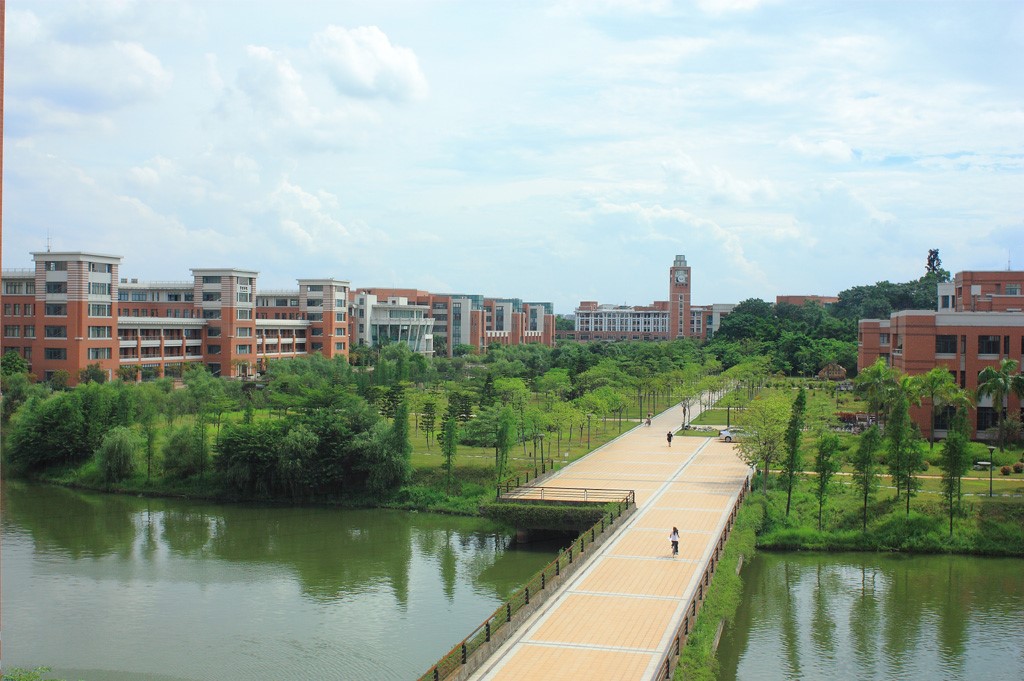
I’m not sure about the other universities, but for my host university – Sun Yat-Sen University we have 5 campus, and each has a students’ dormitory. The university has special dormitory for overseas and exchange students which is normally a room for one or two. There are five dining halls at my campus, and you can charge your student card then pay the food with your student card. There are various food choices and if you don’t want to eat at the dining hall, you can also order take-away and it is very convenient. There are shops distributed around the dormitory area and there is a shopping center nearby.
There is also a huge library with a Sun Yat-Sen statue at the square in front of it, a gym, a basketball courts area and a sports ground. The dormitory and the teaching area are separated, and apparently there are school buses that drives you to the buildings this term so you don’t have to walk 20 minutes to the building. The buildings are classified by the courses and there are public teaching buildings for common required course.
The course selection system is pretty much like Australia, you can choose what you want to study and as long as the credit points are enough for the term, and also you can choose subjects from another courses as long as the timetable doesn’t clash. The lessons are 45 minutes per lesson and has a 10 minutes break which is pretty different to how the lessons are arranged in Australia where there are 3 hours per lesson for my course which is pretty long. The course that I chose is Visual Communication, it is a little bit different to what I thought it would be but still it is very interesting and I believe that what I learn from the course is going to help me a lot in the future. The course contains both theory and practical tasks, mostly theory, and it is taught in Chinese, but luckily, I have a Chinese background and can speak fluent Chinese so it’s fine for me. Anyways I’m really looking forward to what I’m going to learn and experience in the rest of my exchange time.
Jacinta Su Bachelor of Design in Animation Sun Yat-Sen University China
Australian Government New Colombo Plan Mobility Grant recipient.
Goodbye Sunshine, Hello Snow! It’s been two months since I’ve arrived in Toronto, Canada and to say that it’s been an amazing experience thus far, is an understatement. Toronto as a city is edgy, friendly, filled with good food spots and overall gives off chill vibes that are indescribable.
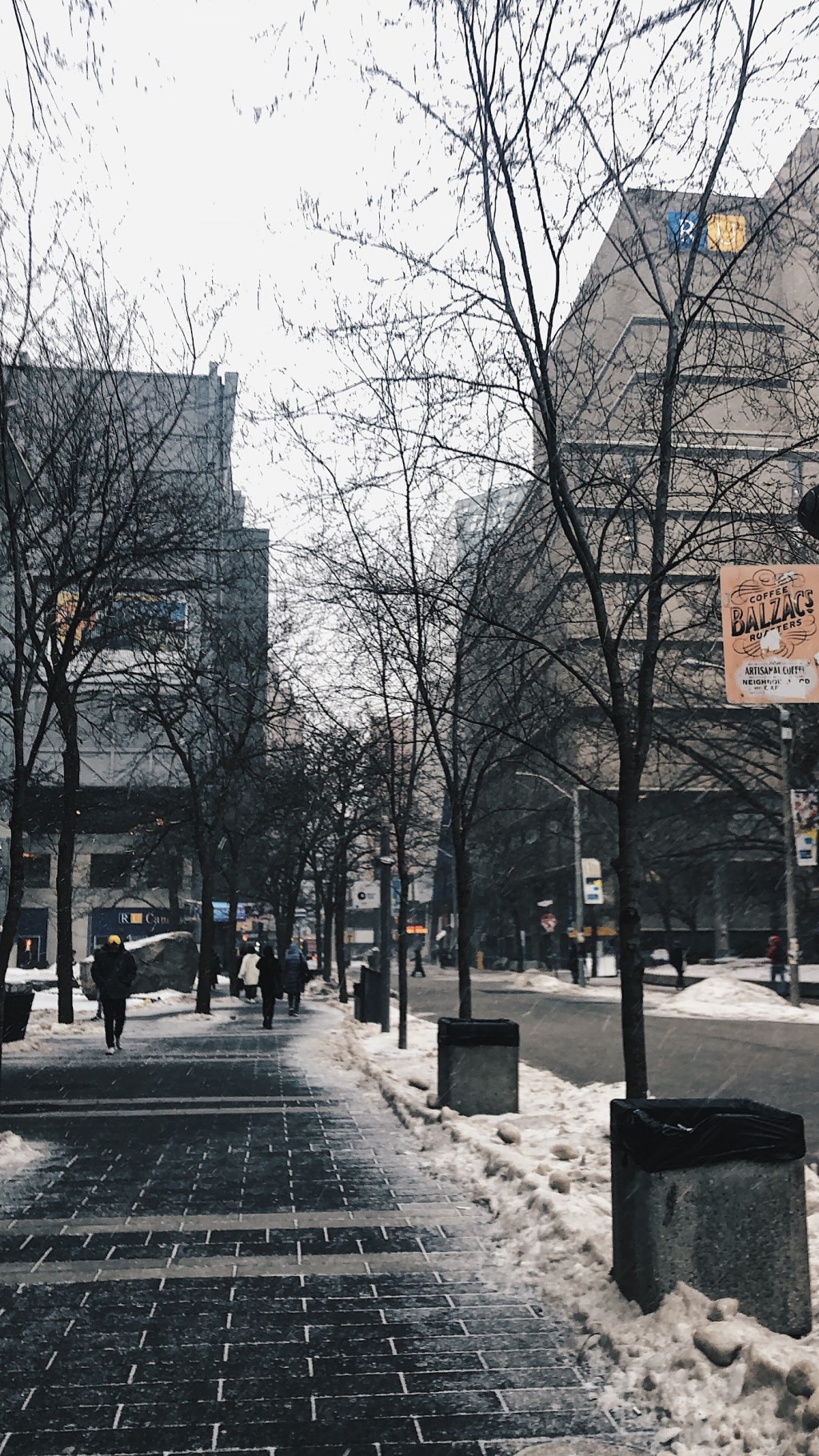
Studying at Ryerson University feels like studying at UTS. It’s situated in Downtown Toronto, where there is wonderful access to all types of restaurants, bars, supermarkets and it’s right next door to the CF Eaton Centre – a large shopping mall where I often find myself in half the time. The teaching style at Ryerson however, is completely different to back home. Here, most of my classes only have 3 hour lectures and no tutorials. This makes it easier as I’m only at uni three times a week but I find it more difficult to make friends in class since there is little to no interaction unlike the tutorial classes back home.
However, most of the classes that I am taking are extremely interesting and have nothing to do with Business Management. Growing up in a strong Business environment, I really wanted to take advantage of the elective courses that would push me out of my comfort zone and discover new things. I picked up Introductory Spanish, a Pop Culture class and even a ‘Philosophy of Love and Sex’ course, which is something entirely different to my degree and I’m glad I got the opportunity to take.
View of a frozen ‘Niagara-on-the-lake’
Whilst it may be difficult making friends in class, staying at Neill-Wycik Co-Op, a student accommodation right across the uni, has made it incredibly easy to make friends. Our unit has gotten so close to each other and the friendships created here will be incredibly treasured. Additionally, going on exchange allows you to travel without spending 24 hours on a plane, and so Reading Week (StuVac) brought our group to Cancun, Mexico with future plans to travel to different parts of Canada and the U.S.
Our Reading Week spent in Cancun, Mexico. We traveled in a large group of 13 people from different parts of the world!
In preparation for our “Cancun Bod”, Ryerson University also provides access to two different gyms (within a 5 minute walking distance), making it super easy to stay fit and healthy on exchange. The larger and newly built gym, the “MAC”, also holds Basketball and Ice Hockey Games each week. These uni games are extremely popular, they are fun to watch and participate in their highly competitive nature.
Ryerson University’s Mattamy Athletic Centre (“MAC”), Women’s Semi Finals Basketball Game
Like the stereotypical North American college movies, the student resident culture has our unit throwing birthday parties, Valentine’s Day and St. Patrick’s Day Parties with more parties to come later in the term. It allows us to meet and connect with other exchange students from all over the world, and live like the main character in those movies.
Our unit’s Valentine’s Day Themed party! My roommates consist of Arabella and Kamran – two other students studying at UTS, Campbell from Scotland and Vivian, a Canadian non-exchange student.
The cost of living in Toronto is very similar to living in Australia. Since I’m situated right across the uni, I don’t really spend much money on public transport however, since it is very cold, a lot of my money does go towards booking Ubers to different restaurants, bars, and clubs. Food wise, the supermarket prices are extremely similar to Woolworths or Coles, and of course with restaurants, the prices vary depending on where you go!
I always do and will encourage future students to consider and go on exchange because it is an experience that you will never be able to take part in after university finishes. I’m really passionate about it because it really helps you adapt to your new surroundings, make friendships and memories that you will never forget. At the end of the day, no matter where you go for your exchange, you will become more independent, self-assured and cultured.
Gena Cao Bachelor of Business Management Ryerson University Canada
iHola a
todos! Today marks 3 months since I’ve been in my host city of Pamplona, Spain.
In that time I’ve been busy travelling, making amazing friends from all over
the world, going out, having new experiences, and studying at the University of
Navarra.
The university is amazing and so far I’ve been enjoying the majority of my classes. It’s similar to UTS in generally consisting of a mix of lectures, tutorials and practicals for science subjects. I would say the coursework is similar in difficulty but in a lot of aspects it can be more relaxed. For example, they are a lot less strict on lab protocol than in UTS science facilities. One thing I’m really loving about the university here is the outdoor spaces, it’s a very large campus with plenty of spots to relax on the grass and look at the mountains nearby, a big change of pace to an urban university like UTS. I was accepted to the university as a science student and so the majority of my subjects are in that faculty (Genetics Engineering, Environmental Toxicology and Public Health, Environmental Education and Communication). However, I also chose two humanities subjects (Spanish and Worldview and Ethics) which I would really recommend doing as it breaks up the work a bit better and allows you to meet people from other faculties.
Everyday I’m happier that I chose to study in a place like Pamplona as opposed to a more well-known city like Madrid or Barcelona. At first I was unsure of my choice but since I arrived I’ve fallen in love with the city. Pamplona is such an authentic, fun place, it’s large enough that there are always new places to explore, but small enough that everything is walkable, and there is a real sense of community with the students. UNAV is made up of one third international students so it’s very easy to find people who want to have similar experiences. One thing I would recommend is just being proactive with making friends, most people that go on exchange are fairly social so you can pretty safely assume if you ask them if they want to hang out they will probably be happy you asked.
Some of the
experiences I’ve had so far have already been amazing. We went to the city of
San Sebastian for Tamborrada (a drumming festival) where we stayed from 8pm
till 7am eating and dancing. We’ve explored bigger towns like Madrid, Zaragoza,
Valencia and Barcelona, and also had really great experiences heading to
smaller unique towns like Olite and having a wine tour and seeing a castle.
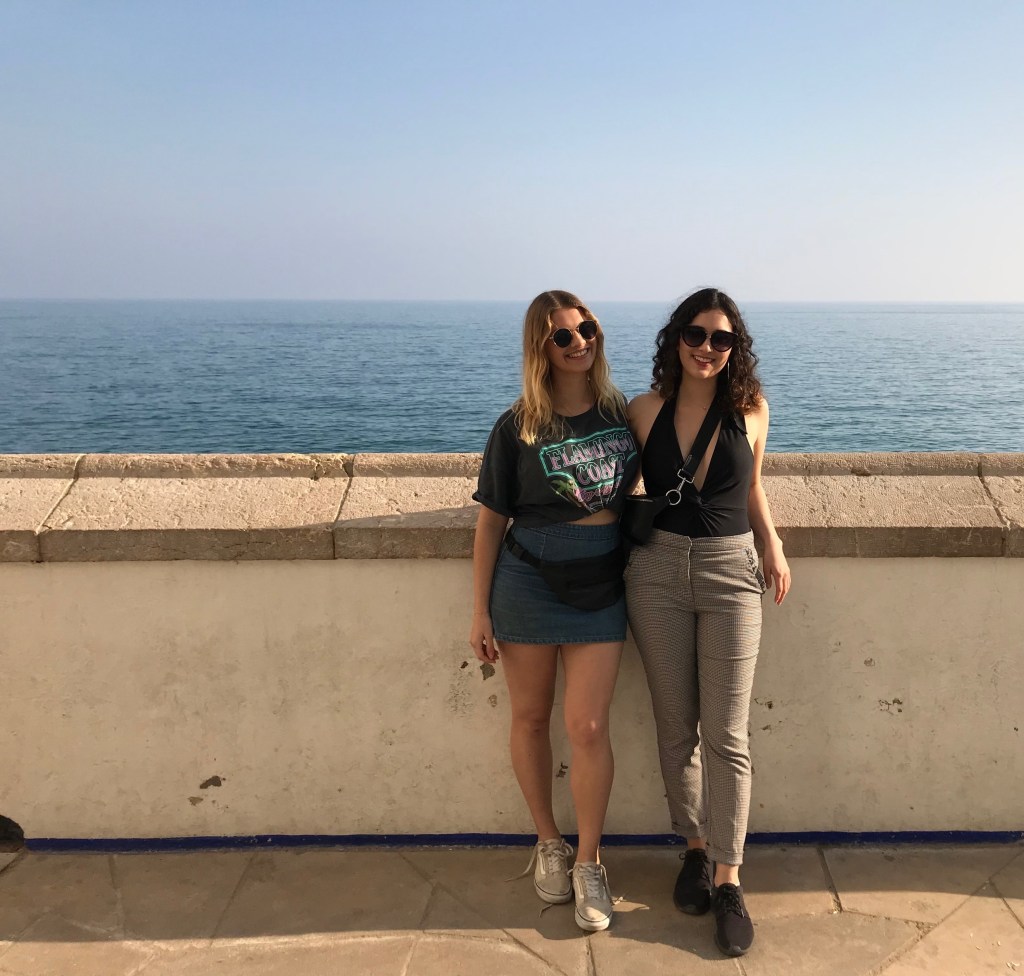
This weekend was Carnaval so my friend and I headed to Sitges, Barcelona, where
there are parades and dancing and food all day for celebrations similar to Mardi
Gras. I would definitely say it’s fun to do a mix of things and destinations to
get a really unique exchange experience that doesn’t just consist of the main
tourist cities!
Another prime tip is to budget from the very beginning. I tried to live similar to my Sydney lifestyle at first which was a terrible idea and has really affected my budget now more than it would have if I had stuck to one from the beginning, not involving coffees, pastries and the occasional new clothing item. Definitely start budgeting correctly when you arrive and invest some time making sure you will have enough. Other than that, if you are considering exchange I cannot recommend it highly enough- I am having the best time of my life and have never been happier, well worth being broke for the foreseeable future! Exchange is always a good idea, and a great way to start to understand yourself and have fun. iHasta luego!
Miranda Bettes Bachelor of Biotechnology Universidad de Navarra Spain
Life in Japan has definitely lived up to its expectations
with the perfect balance of education in a completely different environment,
and the freedom to travel throughout the week. Although it has only been two
months, the time I’ve spent here has been amazing. The location of the
university within the Kansai Region is perfect, with travel times estimating
around 30 minutes to Kyoto and Osaka city, allowing for convenient consistent
weekend trips.
In terms of facilities, Kansai Gaidai has two international
campuses which are about a 15-minute walk from each other. Both include a
library, cafeteria, study spaces, classrooms, gym, and outdoor leisurely areas.
The university provides a wide variety of programs which allow for interaction
with a variety of Japanese communities, from playing board games with high
schoolers, to dancing with the elderly. Two programs I highly recommend applying
for are the Japanese speaking partner program, which is basically just a
Japanese friend you can meet weekly to either converse in your respected
languages or just go out and have fun travelling together. The second program I
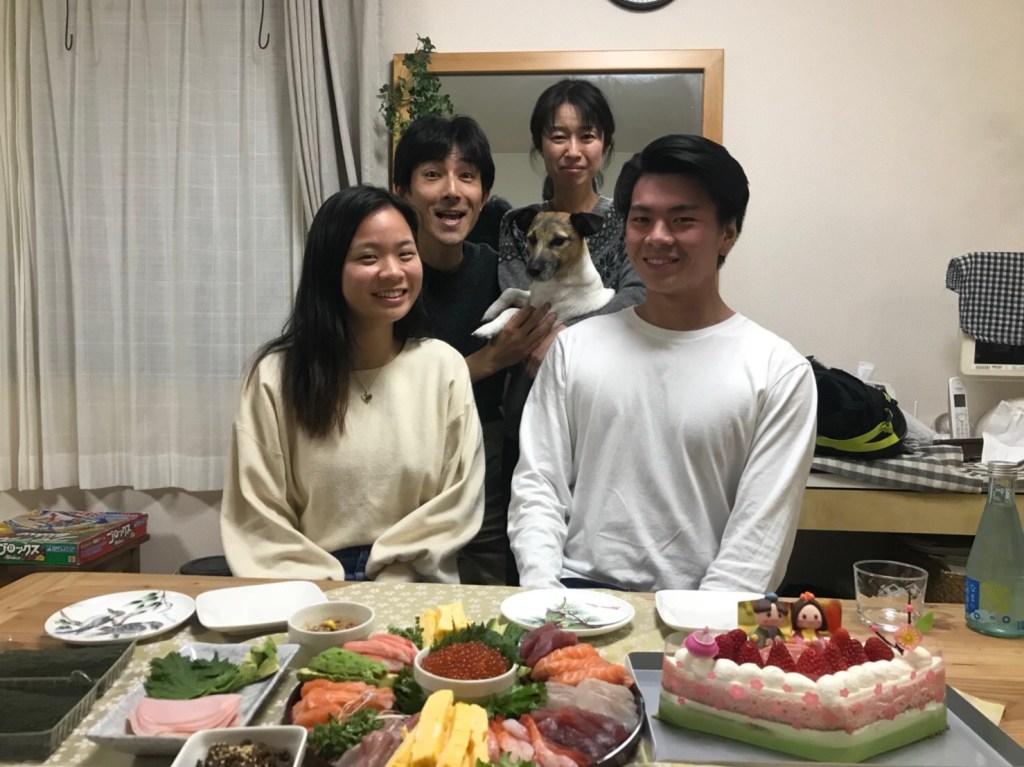
have thoroughly enjoyed is the Japanese home visit program, which applies more
towards the students staying in the dormitory, allowing you to talk to and
experience the life in everyday Japanese homes, and converse with local
families.
The teaching style is somewhat different to back home, specifically the requirement for attendance, and Japanese weekly quizzes. Essentially the teaching style promotes a more consistent study routine, where homework completion and vocabulary memorisation are expected, rather than cramming for large assessments. Personally, I have found this beneficial in developing my Japanese, and has also allowed for less stressful periods throughout the semester.
Studying in Japan and specifically Kansai Gaidai has allowed
me to experience a completely different study program to the one I’m used to
back at home. Learning a level of Japanese is required in order to attend
Kansai Gaidai and the structure of the language courses can be quite fast
requiring students to keep up to date with vocabulary and grammar structures,
or risk being left behind. However, electives on the other hand are very
flexible and the workload are marginally lighter for the majority of subjects.
The university has a wide selection of elective subjects under the umbrellas of
political sciences, social, business, media studies, arts and many others.
For accommodation there are two main options, Homestay and Dormitory. For this semester I have chose dormitory as it felt like a safer option and more comfortable. It has allowed me to easily make friends, the community is very friendly, and we even have YUI (the name we call the dorm) trips where residents are invited to go on a day trip. The last one I went on we went to visit the Ise shrine which is Japan’s more sacred shrine. The dorm is newly refurbished with plenty of showers, toilets, kitchen spaces and lounges to enjoy. Rooms are individual and large enough to sleep and study in, they come with all the necessities, except a towel. For my extension semester in Kansai Gaidai, I’m considering trying out homestay having heard many great things about it from close friends.
Tips when attending Kansai Gaidai:
Travel as much as possible – There are so many
locations and places to explore and time goes by really fast so don’t waste
time!! here are some of my recommendations. For weekend trips/ after class
trips – Nara, Kyoto, Osaka, Kobe, Himeji, Uji.
Week break trips – Korea, Tokyo, Kyushu.
Don’t take 5 electives – choosing to take
Japanese + 5 electives will basically disallow you to travel since you’ll be
stuck doing work the whole time and you’ll be missing the whole point of going
on global exchange which is making friends, having fun and travelling.
You don’t need a bike – During orientation many
students will be discussing whether or not its worth buying a bike. Personally,
having timed the walk in-between campuses and Hirakata Shi train station, I
would say the cost and time taken to lock up your bike won’t save you much time
at all.
Don’t fall ‘too’ far behind – after experiencing falling behind in vocabulary and grammar structures I would highly recommend you not be as lazy as I was during the first weeks of the semester as it is very difficult to catch up and my grades were initially dropping every chapter review test ☹. Also don’t worry about which Japanese level you get into in the beginning, they are very flexible and will let you go up or down Japanese levels when you begin.
Rohan Chow Bachelor of Science in Games Development Kansai Gaidai University Japan
Australian Government New Colombo Plan Mobility Grant recipient.
I walk into an empty house, up the stairs and unlock the door into an empty room. I’m spending the next 5 months here. With a lingering airplane smell, I proceeded to analyse everything about this space. What kind of people will I meet? Who are my roommates who have stacked up the pantry full of pre-packaged foods, rice and strange grains? Where the hell is everyone?
I won’t exhaust you
with as many questions, pondering and possibilities as I had but I assure you
that it was exhilarating more than anything. As first few days went by, the
world I had entered started to take shape and form. Imagine getting a box of
Lego. You’re given all the bricks in the box, but it’s your choice to create
whatever you want. The bricks being all the people, places and things that make
up the place you stay. I for one, have found myself living with two wonderful
Indian guys. Building my relationship with them from scratch. As with 20 other
exchange students in my house (whom I eventually met). I’ve wandered around the
small town of Dornbirn, asking myself what kind of lifestyle I’d like to have
here. One as an introvert or an extrovert? Healthy routines or regular
indulgences? Travel wide or bunker down?
Lifestyle is never
black or white, it’s more like a grey that changes shade depending on what
colour is next to it. Nevertheless, it’s truly your responsibility to decide on
what happens in this world you’ve been thrown into. This point, I’ve
discovered, is the secret sauce of the exchange experience. You are the ‘Master
Builder’ (thanks Lego movie), and nobody gets to tell you how to live here.
Only you.
Wow, that was deep. Chill out. Go have a tea to cool down. After a 10 minute break, we’ll reconvene to enter the part you’re interested in about this blog post. The part where I tell you about FH Vorarlberg. The study part of exchange, and the life that comes with it.
I live in Sebastianstrasse, a 10 minute walk from the university and up a small hill (which is mildly inconvenient sometimes). This apartment building, which is more like a house, is a really-really nice place to stay. All of us (24) are like one big exchange family here, with no lack of eating, sharing, laughing and good times. Always in a constant flux of different languages flying around and nagging for English translation. Around the bend and down the hill, the small but well equipped university has proven to me in this short amount of time that I will have a valuable semester abroad. As long as (of course) I allocate effort and energy. Their welcome week was more than I could have asked for, with lots of free food (yeeeeah!) and time spent getting to know the other exchange students. And included sessions at the university, an excursion up a nearby mountain and a party to conclude the week. All good stuff indeed. Minus the boring admin (looking at you – library card and I.T.).
I am studying
Intermedia here in their 4th semester, as part of my third year (1st sem)
Visual Communications degree back at UTS. Their cohort is really small, approx.
thirty all up including us exchange students. This has serious advantages. As I
said before, the university is well-equipped, so that means that there is heaps
of gear, computers and spaces at your disposal. Which is very important for us
designers; To have access to these tools – to execute our ideas. The design
briefs in our classes are very open and allow for a creative output that you
can build on and tailor to your desire. These are my impressions so far, but
are subject to change. As I am writing this only one week into classes.
About the town of
Dornbirn itself, I could go on about for a long while. So I’ll limit myself to:
it’s awesome. In the traditional sense of the word, it’s truly awe-inspiring.
From the beautiful houses to the towering mountains. Even if you don’t go on
exchange here, its a place to add to the bucket list.
Good on you for making it this far into this blog post. But try 30 hours of travel time and a small hill with 30kg of luggage. Yeah-nah? Nah-yeah? Yeah?
Kiran Best Bachelor of Design in Visual Communication FH Vorarlberg Austria
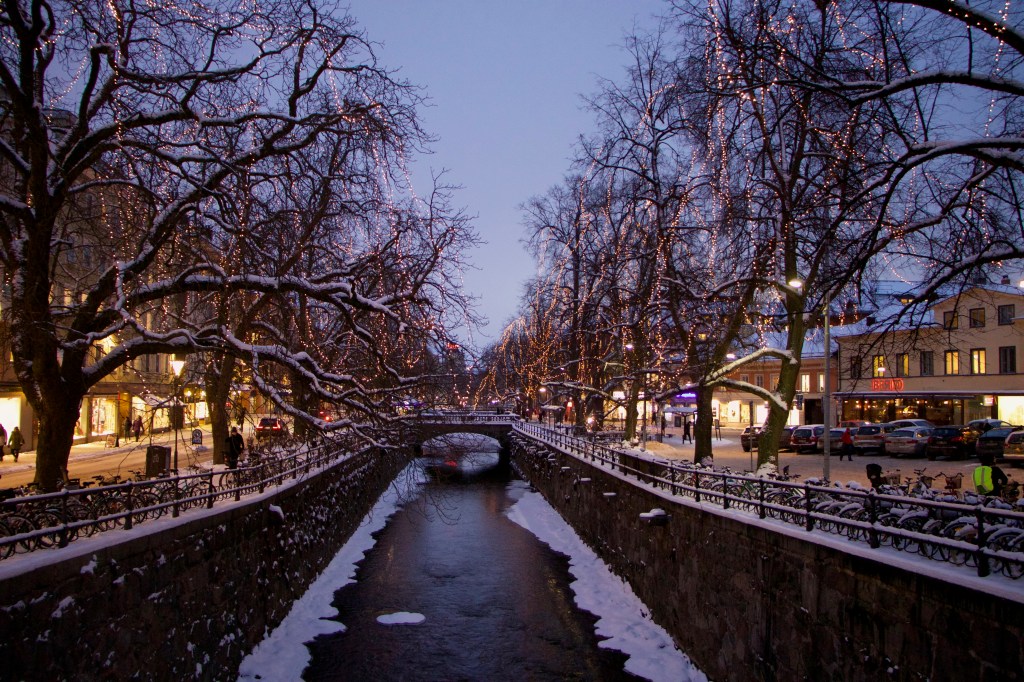
The first month of my exchange in Uppsala, Sweden has come
and gone and there is not much chance of it slowing down any time soon. This is
almost certainly because every day has been filled with so much fun, excitement,
travel and learning.
I am studying at Uppsala University which is located about
an hour north of the nation’s capital Stockholm. There is no distinct campus,
instead the university has buildings spread all across the town. I will never
again complain about having to walk between classes at UTS. Compared to the
relatively young UTS, Uppsala university is over 500 years old and the
tradition and architecture is on full display everywhere.
While on exchange I am taking all free electives. I am being exposed to many courses that I would not usually be able to take with engineering at home. These courses include ‘Courage that changes the world’, ‘Actors and strategies for change’ and ‘Climate Change Leadership’. All are very distinct and each week I yearn to not miss the classes. Courses are made up mostly of guest lectures from a range of different worldwide professors along with interactive workshops. It’s slightly challenging to compare the teaching styles to that of UTS as I am not taking any engineering classes over here, but I do find all the coordinators here a little more relaxed, friendly and flexible.
Compared to my engineering classes back home which generally
take up at least 3 days a week, here I only have 6 hours of class. This left me
with a lot more time to explore the city and get involved with nation life.
These are kind of like societies back home but way bigger and are the centres
for absolutely every activity imaginable. Since arriving I have participated in
choirs, pub crawls, wine tasting, ice skating days, yoga and fitness sessions
just to name a few. Each have their own massive building and thus are the
social scenes of the town where you get to meet and get to know your fellow
students. One of my favourite experiences so far has been attending choir
rehearsals and gym sessions. These are entirely run in Swedish but the emotion,
context and a bit of translation from the friendly swedes allow me to enjoy
these activities as if I was a local.
The experience as an international student has been
delightful. The university organised orientation on our arrival days, picking
us up from the airport and taking us though everything we would need to know
for our time at Uppsala. Most international students live in the housing
complex Flogsta, here you can always find a friend to have a chat or to grab
some fika. Also don’t worry about getting around, everyone has a bike and rides
everywhere, I have never seen so many bikes in my life.
The week of orientation was filled with activities by
nations and concluded with the welcome gasque. This very formal dinner went for
13 hours, included marching through the streets of Uppsala with a band, a
welcome by the Vice-Chancellor, multiple choir performances, 3 sets of
pre-drinks and a dinner that we never wanted to end.
University Reception Welcome
I would highly suggest to any student looking to go on exchange to come to Sweden and in particular Uppsala. They have a range of subjects that are often not available at UTS but in particular the culture is something that you will learn to love and feel truly a part of. I am certainly going to miss it when I head home. However, before that I look forward to taking part in many more activities, learning in class and of course travelling around Europe.
Alastair Bate Bachelor of Engineering (Honours) Diploma in Professional Engineering Practice (Electrical) Uppsala University Sweden
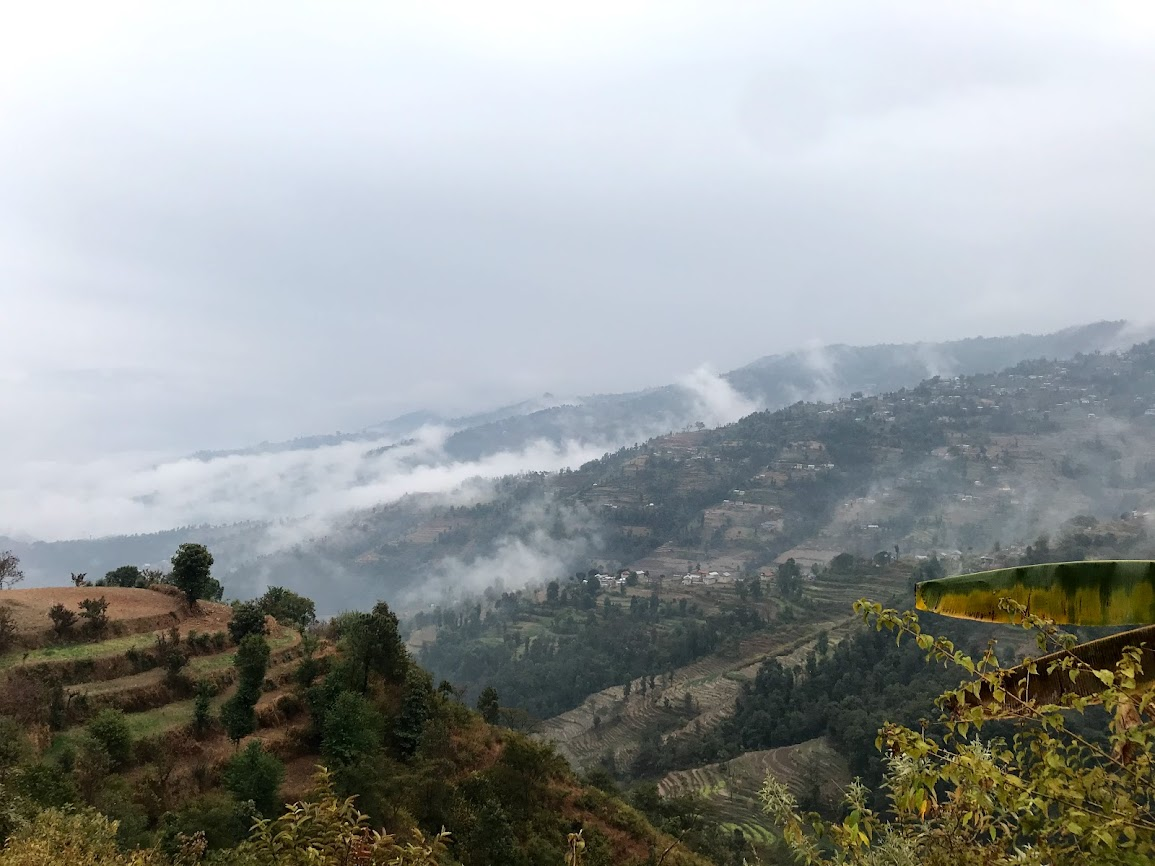
My most memorable experience in Nepal was not seeing the biggest stupa, nor was it the safari trip or boat ride.. In fact, it wasn’t even building the action project that we went there for in the first place. My most memorable experience was my stay in the villages.
During my stay there I was fortunate able to be a part of a close connected community. They were not just individuals who happen to live in the same village, they were a community who talked to one another and helped each other out. During the time there I hardly touched my phone.
In the morning we would sit on the floor in the kitchen and eat together. Then I would go up to abari house and start the day off with some yoga. After that I would go out and say hi to my host brother who was on his way to school. Then the younger children would come over to join me by the hammock where we would play games together.
Next we would go back to the open classroom and learn about human centered design thinking. We would all snuggle together to stay warm under my scarf.
When it was time to work on our prototype for the action project they would go play by themselves and check up on us every once in a while to see if we needed help.
In the afternoon, the group would go for a walk before it got dark then come back for group activities and bonding time.
At night the children would have to go home and our group would learn Nepalese together at Abari house. After that, we’d split off and I would go back to my host family to have dinner and dance with the family until it was time for bed.
My time at Dhulikhel was very simple, but I felt so comfortable. It is an experience I will never forget. I has taught me to be more grateful for what I have and appreciate the time I have to spend with people more.
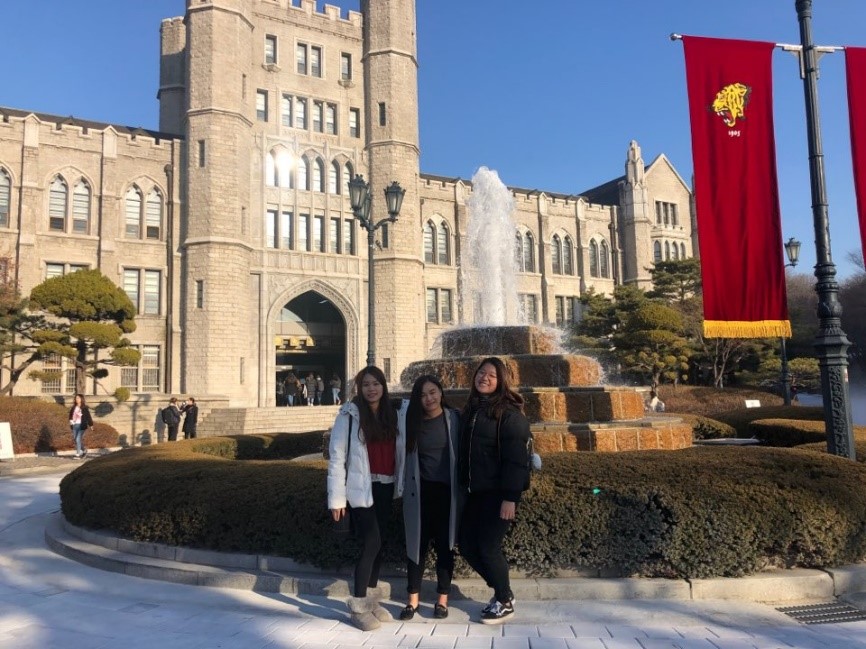
Hello to all readers, I am a Tourism Management student at UTS, my name is Chia Ying Chan, but I go by Angel! I am currently an exchange student at Korea University, located at Anam, for the Autumn session 2019. It has been almost a month since I arrived in South Korea, and I think I’m ready to say that Korea is my new home.
South Korea, Specifically Seoul is such a dynamic city! You
get a taste of history but also a modern city simultaneously! If you love
shopping, fashion, nightlife, visiting cute cafes? Korea is the place to be …
If you love trying local food, visiting tea houses, exploring ancient royal palaces, hiking mountains, experiencing local culture & markets. Korea is also your place to be!
It is a city for everyone! And why not study there as well!?
First impressions of my host university KU
HILLLLS everywhere! Seoul is a mountainous city, so compared to Sydney, it is a trek to basically get to class. I am Living on campus at CJ international in Anam, and just a warning to everyone wanting to stay on campus, you will be required to walk 15 minutes up a steep giant hill just to get home from class! Anyways, other than the hills, I really like the accommodation, I live in a single room in a 4 single room suite, it has plenty of storage space and is quite cosy. The dormitory offers a gym, laundry room, prayer room, kitchen, and a cafeteria.
Campus Impression:
Just like UTS, less than a 5-minute walk you are surrounded by unlimited options of services. You will find a convenience store on every corner of the campus, and find many cafes that also serve as a study area.
There are diverse food options, from fast food chains like
Maccas, burger king, to Chinese food, kebab stores and even cheap $3 milk tea
chains for those who love milk tea like me!
Anam is a university neighbourhood so many services cater
for uni students, so everything is reasonably priced, especially the food, so
yay to $3 Kimbab and Deokboki (Korean Rice Cakes).
You can also find pharmacies, printing shops, and the Uni
even has its own subway station. So, it
is very convenient to travel around Seoul from Anam.
But I must say I fell in love with the campus, even though it is located on mountainous land, it is just so aesthetic! Just imagine beautiful European style buildings as your classrooms, library and even cafeteria! The campus is also huge, they have a hospital, tennis court, a stadium ‘The tiger dome’ and even an ice rink! One of the students told me that legendary figure skater Yuna Kim used to practice there.
Class Impression
The classes I am taking are mainly History related subjects so it was heavily lectured based with no tutorials. Though, one big thing that is different to UTS is that attendance is taken every class, and participation rates are a part of your overall grade. I realised that discussion-based classes & weekly group presentations are a popular style of teaching over here, especially in Business and Media Majors.
So, to everyone thinking of going on exchange to South Korea, come to KU! Korea University, other than being known as the ‘Party Uni’, they also have a lovely program called KUBA, for exchange students. They hosted the orientation, took us on a campus tour and are responsible for hosting weekly trips, dinners and lunches. It’s a great initiative to make friends and explore Korea stress-free during your time here.
It was the 2nd week of the semester, and my KUBA group
already took us to NAMI Island! We went bike riding and it was a very relaxing trip,
as we were transported from the hustle and bustle of Seoul to a very cute and
peaceful island.
Top tips:
1. Come earlier,
perhaps a week before orientation, explore Seoul, because the months will fly
by!
2. PLAN AHEAD your
subjects, HAVE BACK UP BACKUPS, subject enrolment is INTENSE AND COMPETITIVE!
3. BUILD UP YOUR
STAMINA, if you are planning to live on campus, and if you are arriving by
taxi, make sure to let the taxi driver keep driving till the end or else they
will drop you at the bottom of the hill. Which happened to me and you will
struggle to drag all your luggage up the hill all by yourself!!
4. KU is Known for
their party life, drinking/clubbing culture is immensely popular so a big
warning! Be prepared!
5. Prepare to pack
bed sheets, and kitchenware, like pots, pans & cutlery, as these are not
provided.
6. Talk to
everyone, be open-minded, everyone is in the same situation & wanting to
make friends (Most of my friends I made were in the kitchen!!)
7. Try to learn
some Korean before you arrive, being able to read the Korean alphabet hangeul
helps a lot especially when ordering food!
Thank you for reading, and good luck on your exchange process! Its going to be worth it! 🙂
Chia Ying Chan Bachelor of Management Korea University South Korea
Australian Government New Colombo Plan Mobility Grant recipient.
Spain always seemed like a
holiday destination to me, the thought of having tapas, sangrias and the
infamous fiestas and siestas always sounded like a dream. Its sounds a bit
silly and cliched saying that I’m living the dream here but it has far exceeded
my expectations.
It’s odd to think of Madrid as a
capital city, travel across El Parque del Retiro on a Wednesday afternoon and
you’ll see people sit back and truly take in life, appreciating the little
things like the busker in the metro or the gleaming sunshine – which we have
plenty of here in Madrid, a real treat during the gloomy European winter.
One of my favourite things is
definitely the lifestyle here, you won’t see people eating a grab and go meal
on the streets or running from place to place in a rush – simply because they
don’t care if they’re late.
One of the many rooftop bars in Madrid
Something I love is, which still catches me out, is hearing other people around me speak Spanish and having Spanish mode switched on at all times. It makes me feel so connected to my surroundings and heritage, coming from a Spanish speaking background.
The friendships you make whilst on exchange are always so genuine and as most people you meet will be from all parts of the world, conversations are always so interesting! Another unique layer is that when you travel, you get to really test friendships and make stronger bonds seeing as you’re together 24/7. And let me tell you – the travelling opportunities are endless, my advice is to take up any chance you have to travel, not only around Europe but also to the lesser known areas of Spain.
Brussels
IE University couldn’t be more different to UTS. All of the students are very international, having lived in a variety of different countries and speaking an array of languages. Something that has taken a while for me to get used to is how similar IE feels to high school. We don’t have lectures and tutorials here, the classes run by sessions with around 20-30 people in each class. This is really helpful in integrating into a new uni as you get closer to your classmates and professors. My number one tip is to make use of IE’s innovative electives and language classes. One of many options is a subject I take which teaches us how to manage stress and become more aware of our emotions – it’s safe to say that the tools we’ve learnt will last a life time!
Izabella Alves Bachelor of Property Economics IE Universidad Spain
Every day has had its
challenges, from using Tokyo’s complex (but very efficient) train system or
trying to navigate the local supermarkets and convenience stores with a limited
understanding of Japanese.
Leaving Australia on an early Spring morning gave me a bit
of a shock when I arrived at Narita Airport in the evening because I hadn’t
expected the weather to be as hot and muggy as it is. The end of summer in
Japan is quite different from the dry heat of Australian summer, but I got used
to it within a week.
Following the advice of former UTS students who went on a
student exchange to Japan, I bought the bulk of my essential goods in Japan
instead of bringing them over from Australia. Daiso is an absolute lifesaver
for exchange students, and I was easily able to buy almost everything I needed
for a good price.
A few days in, I
realised I had a big problem. The power adapter I had brought from Australia
wasn’t compatible with my laptop, and I would have to buy a new charger lest I
spend the entire five months without my laptop.
I took this as an opportunity to visit Akihabara, Tokyo’s famous “Electric City” known for its huge market for technology, video games and anime. Internet reviews suggested Yodobashi Camera, a technology store said to have just about any electric product you need. Upon visiting the store, I realised that was not an exaggeration. It was without a doubt the largest tech store I had ever seen. In fact, that made it a little hard to find the section selling power adapters! The large selection of arcade games and merchandise later turned my trip for a charger into a low-key shopping spree, but it was very fun!
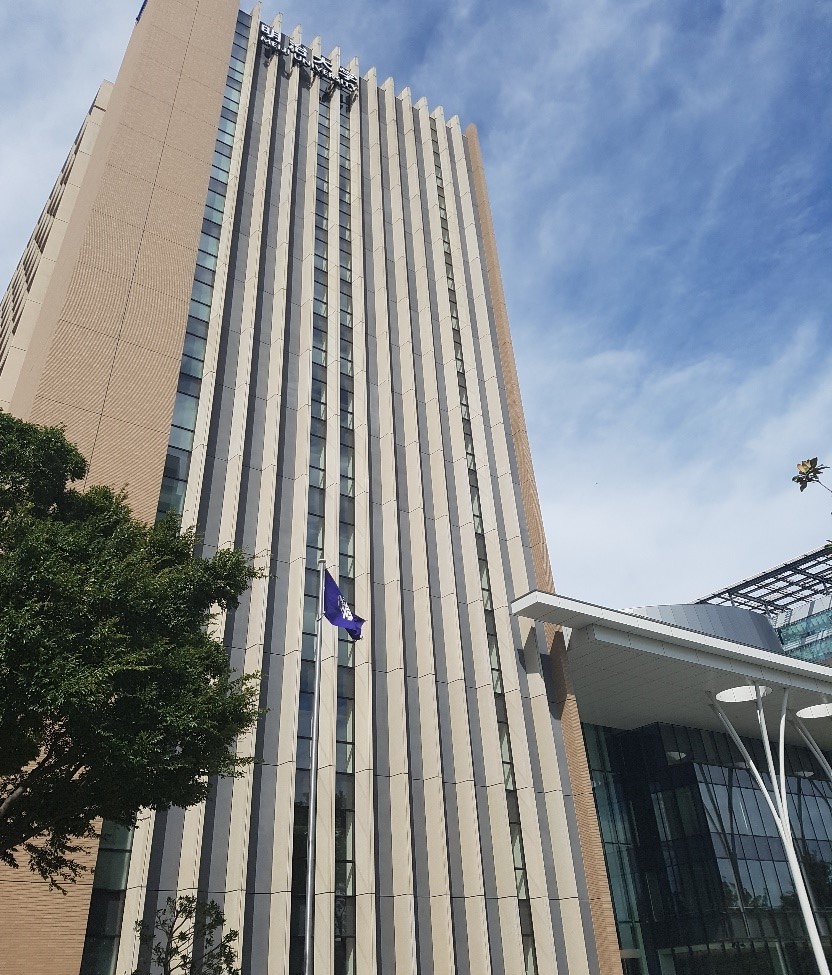
Although the semester hasn’t started yet, orientation has kept all of us exchange students busy. Thankfully, Meiji University has been very helpful in giving us a smooth transition through its student volunteer system, making it much easier for us to handle government forms such as residence cards and learning our way around the university.
The class registration system is a little more confusing than UTS’s pre-registration system, but I think it’s very interesting that week one of classes are essentially a trial run for us to decide if we want to carry on with the course for the rest of the semester. From here to the end of my exchange, 私, がんばります
Ashleigh White Bachelor of Global Studies Meiji University Japan
Australian Government New Colombo Plan Mobility Grant recipient.