Hey there, fellow students! My name is Jackson Carter and I wanted to share with you my journey as an MBA double degree student, where I’ve been pursuing the Masters of Strategy, Innovation, and Management Control at WU (Vienna University of Economics and Business). My experience in Vienna has been truly enriching, and I’m eager to give you a glimpse of what it’s been like.
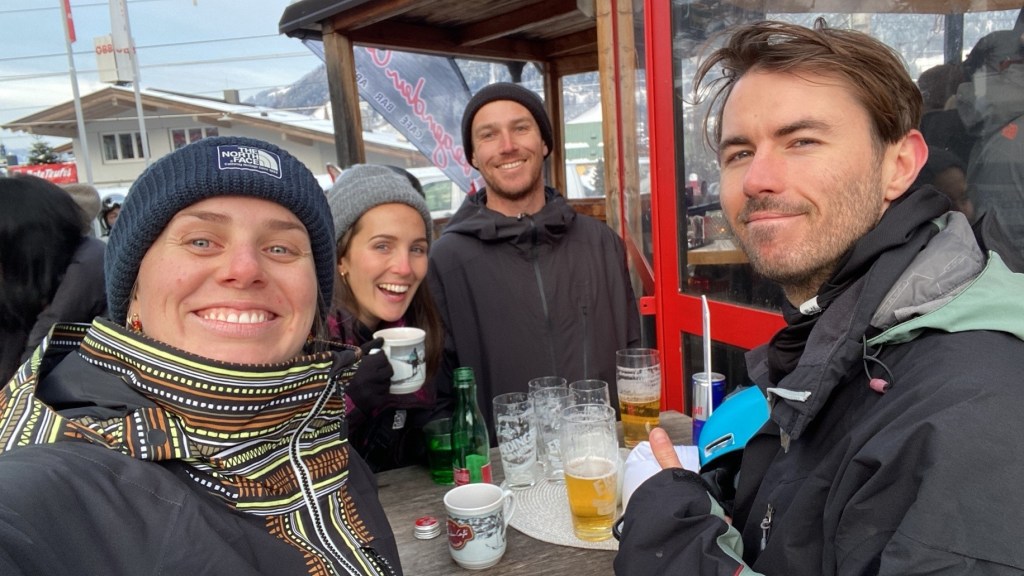
Lunch stop when snowboarding and skiing at the famous Austrian mountain, Kitzbuhel.
University life
One of the highlights of my program at WU is the smaller class sizes, usually consisting of around 15 students. This intimate learning environment has made it much easier to connect with my classmates and professors. With fewer students in the room, everyone gets a chance to contribute to the discussions and engage with the course material in a meaningful way.
Also, the classes at WU are very interactive, featuring lively debates and exchanges between students and teaching staff. This collaborative approach fosters an atmosphere that encourages critical thinking and open communication.
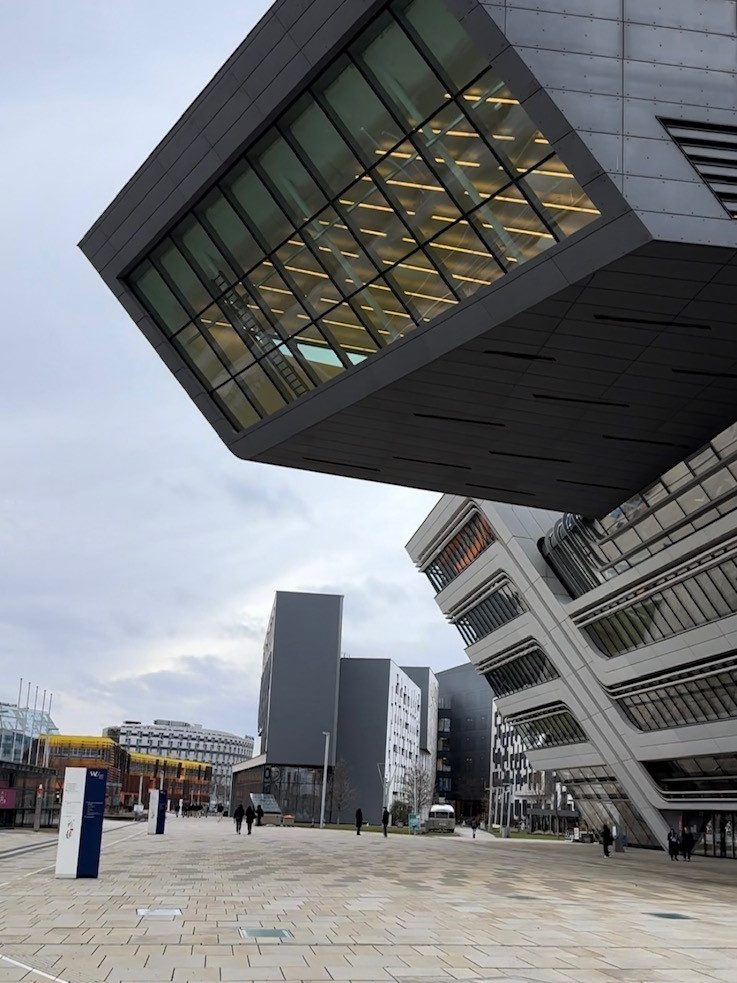
WU’s architectural buildings
Now, let me tell you about WU – it’s an amazing campus! The campus is a beautiful blend of modern architecture, providing a stimulating environment for students. Open spaces are abundant, giving us room to study, relax, or even enjoy outdoor activities. And of course, the campus is dotted with great cafes, perfect for studying with friends or just grabbing a quick coffee between classes. Now that we are in Spring the Spritzerstand (German for Spritz stand!) opens weekly and is always a fun time!
What I really appreciate about WU is its forward-looking approach to education. The university teaches us about the latest trends and developments in fields like technology, sustainability, and artificial intelligence. This focus on innovation has expanded my perspective on the business world.
Living in Vienna
Vienna is also perfectly situated to travel Europe! It is such a clean and safe city to call home as my partner and I travel to many bucket list destinations around Europe. We are also learning German which is proving to be both fun and challenging! (aber, mein Deutsch nicht sehr gut).
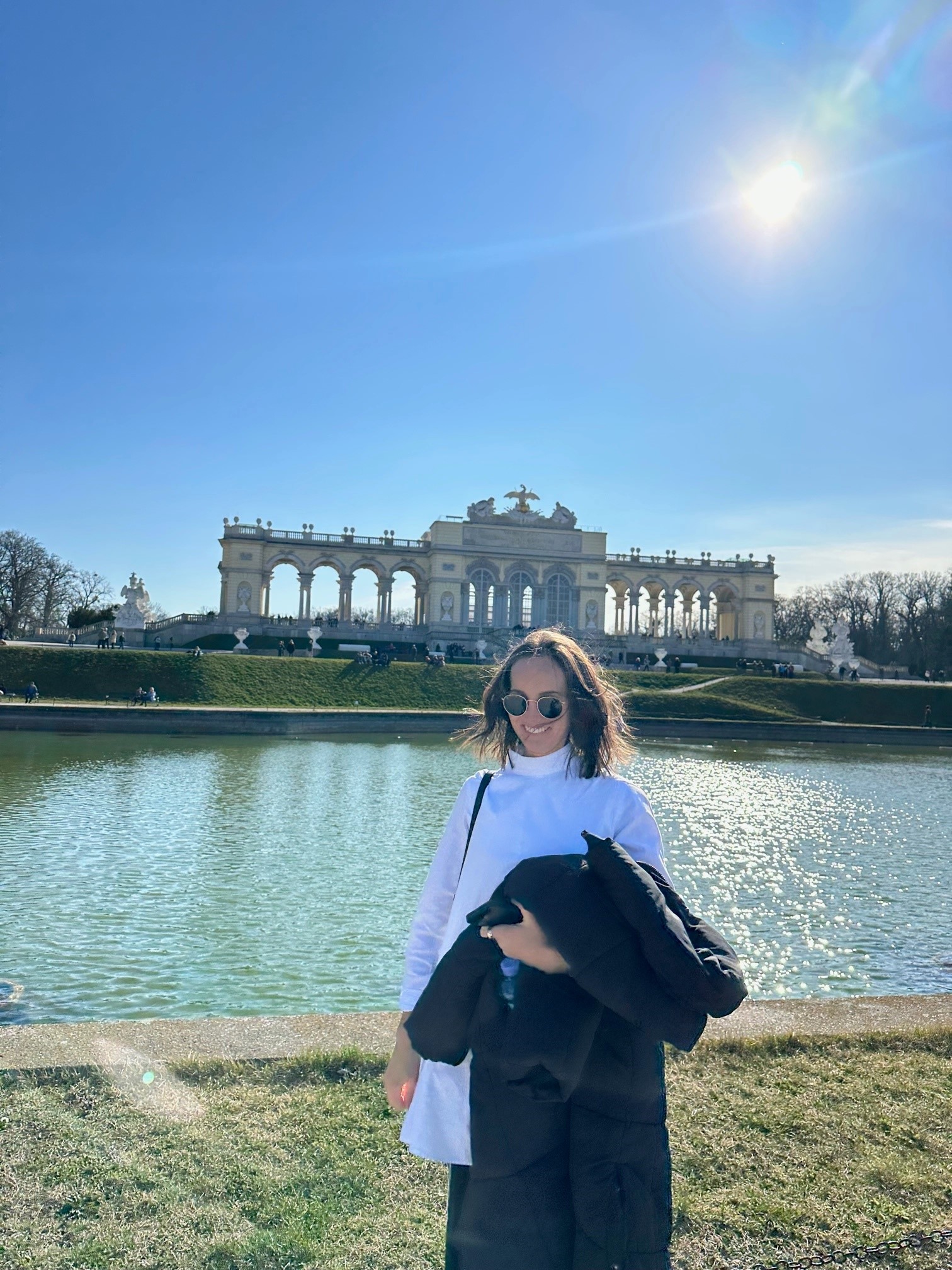
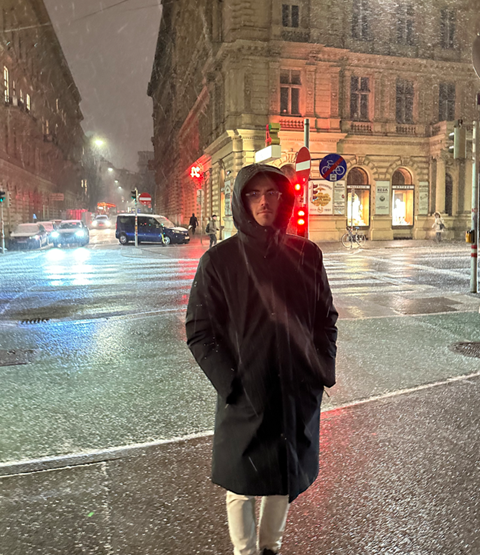
My partner in front of one of the buildings at the Schönbrunn Palace in Vienna.Standing in the snow upon exiting an opera show in Vienna.
So far, my time at WU in Vienna and living in Europe has been a fantastic experience. I’ve included a few pictures in this blog post to give a glimpse into life on exchange in Austria.
If you’re considering an exchange program or applying for the UTS MBA double degree program, I highly recommend exploring the opportunities at WU in Vienna.
Jackson Carter Master of Business Administration WU (Vienna University of Economics and Business) Austria
It is already over halfway through the semester, and I am so thankful to be given the opportunity to study abroad at this beautiful university and country. I have previously applied for the Global Exchange program several times before, but the pandemic put those dreams on hold. Finally, travel and the global exchange experience has resumed after almost 3 years. Hopefully when you are reading this blog, there are no barriers to exchange and as such I urge you to consider a semester abroad as it is a once-in-a-lifetime experience.
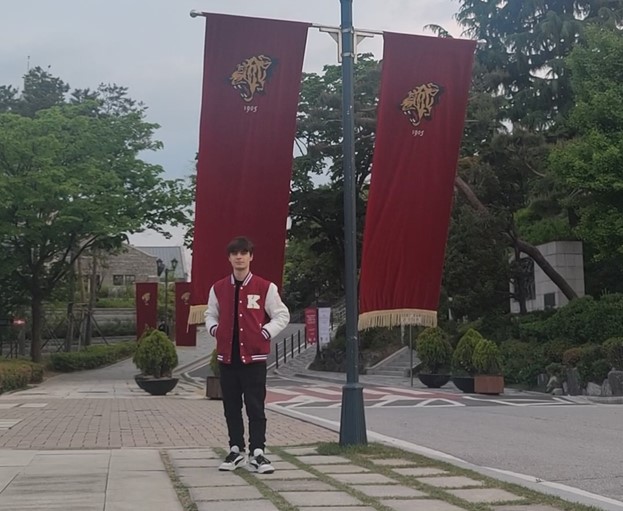
Studying abroad at Korea University is almost dreamlike. The campus has beautiful architecture and plenty of study spaces both inside and outside. Students often study outside and have picnics on the grass when the weather is warm. The academic life here is a bit rigorous as the university is in the SKY unis (the top 3 universities in Korea). Entrance to these universities is extremely competitive so this reflects on the academic skills of the students.
I undertake 5 subjects here at Korea University, which is one extra subject than you would at UTS. Your timetable here is likely to be filled up with classes and attendance is compulsory and checked at every class. The style of teaching is mainly lecture type unlike UTS, which separates lectures and tutorials. If you’re used to assignment-based subjects, it is likely you may have exams instead. Although I have had exams back at UTS, I have heard from other students who had no exams in their degrees who were surprised to find they had to complete exams here rather than assignments. But don’t let the study pressure deter you! This is one of the best countries in my opinion to study abroad at.
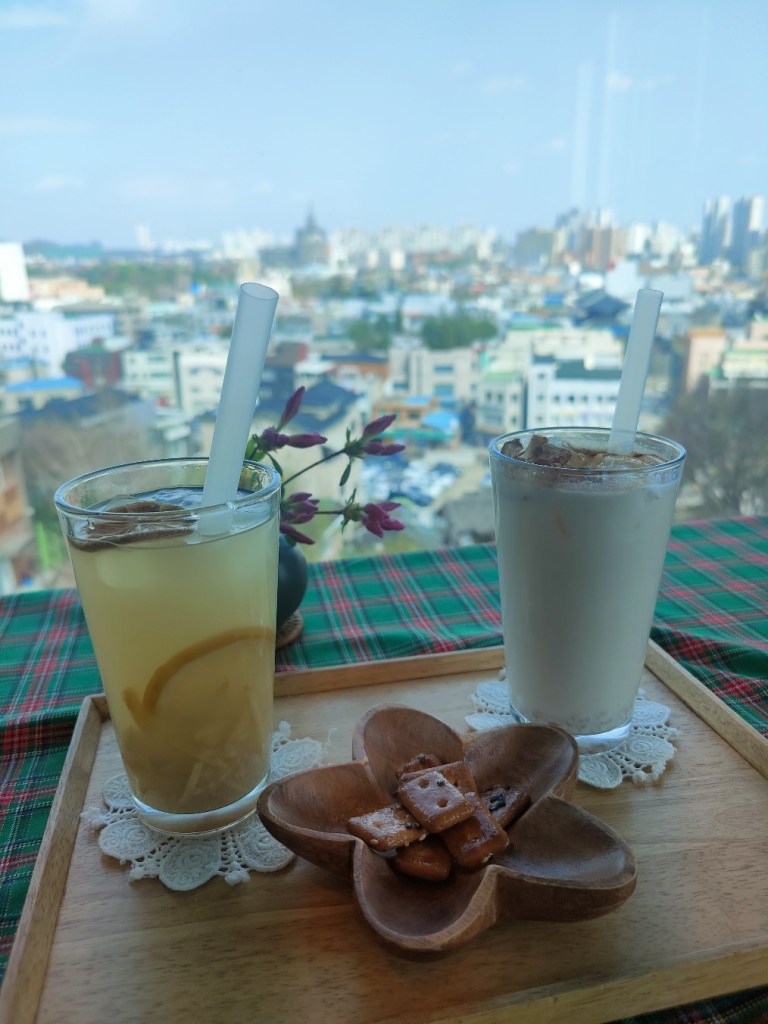
The facilities and campus are pleasing and practical. Studying does not need to be a chore when you’re surrounded by convenience. There are study cafes with cute themes (yes cafes are used as study spaces), convenience stores open 24/7 ready to satisfy your late-night snack as you submit the assignment you stayed up all night to complete.
There is a lot to partake in and see in the city of Seoul and Korea and one differing aspect here is namely the nightlife. If you are a night owl you will enjoy studying abroad in Korea as there is still plenty to do when the sun sets down. A popular activity is walking along the Han River where people also gather for late night picnics of Korean fried chicken and socialize together into the late hours. After a day full of classes and study, students like to celebrate by going out to eat food and drinking (especially after the exam period). It’s truly a scene to witness the city still have so many people out and about.
With there being endless possibilities in Korea, the only real problem is finding time. The metro system is advanced and connects you to practically anywhere and you will forget that cars exist as a mode of transport. With beautiful national parks and scenery a few stations away from major towering skyscrapers, you can always find something that suits your mood day or night. If you are here in the cherry blossom season, you will experience the beautiful process of blooming trees in Spring. During the peak cherry blossom season, parks are crowded and full of people wanting to take photos amongst the scenery. The colours of nature are something you never see back at home, and it forms a scenery which is vibrant and vivid.
If you are considering the opportunity to study abroad, I highly recommend taking the initiative and applying. Whether you want to study abroad in Korea University, Korea or another country, the benefits are plentiful, and it is an experience you’ll cherish for life.
화이팅 (Good luck)!
Damian Kryj Bednarski Bachelor of Science in Information Technology / Bachelor of International Studies Korea University South Korea
“The NCP program is a fantastic opportunity to experience different cultures.”
Claire Gimble, NCP Scholar 2022
I applied for the NCP Scholarship as I was interested in international exchange experiences, particularly in Asia. I wanted the opportunity to both study and work overseas so I could learn more about different cultures and improve my intercultural communication skills. Furthermore the NCP provides a unique opportunity and platform to connect with industry and universities in different regions.
My primary host location was Hong Kong which is where I completed my exchange. I had originally planned to complete an internship in Hong Kong and Japan. However, due to covid delays to my program I ended up completing a 6-week internship in India with Infosys.
Prior to the program, NCP scholars are connected in Canberra as part of the NCP summit. One day was focused on engaging in current issues affecting the indo-pacific, there was a training day where we received advice from alumni, finally a day to meet with representative from the consulate. The NCP summit was a fantastic opportunity to meet like-minded ambitious students. Having these connections was great throughout the NCP program, as we were able to share experiences and advice.
Interning in India
I began my program by interning in India. This was an amazing experience. This internship is not just focused on project work, but instead provided unique cultural learning experiences that could only be gained from living and working in India. I lived on the Infosys campus and had the opportunity to meet Infosys leaders including Infosys founders as of ‘Meet the Leader Sessions’ who provided invaluable insight and advice. I also participated in the Infosys Hackathon and as a finalist I had the opportunity to present my teams idea to Infosys founder Narayana Murthy.
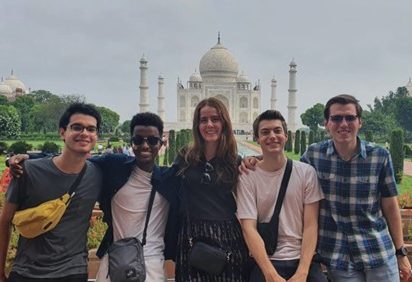
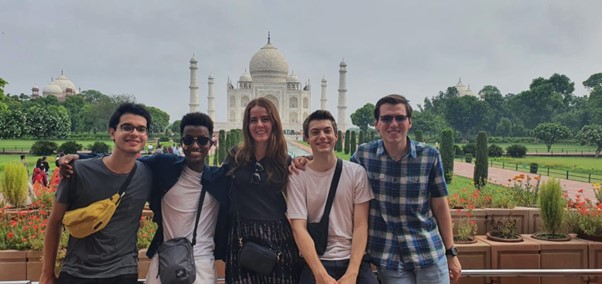
On the weekend I was able to travel to different parts of India including Mumbai, Delhi, Jairpur, Hampi and Mysore. This was an excellent opportunity to experience different parts of India.
Hong Kong Polytechnic University
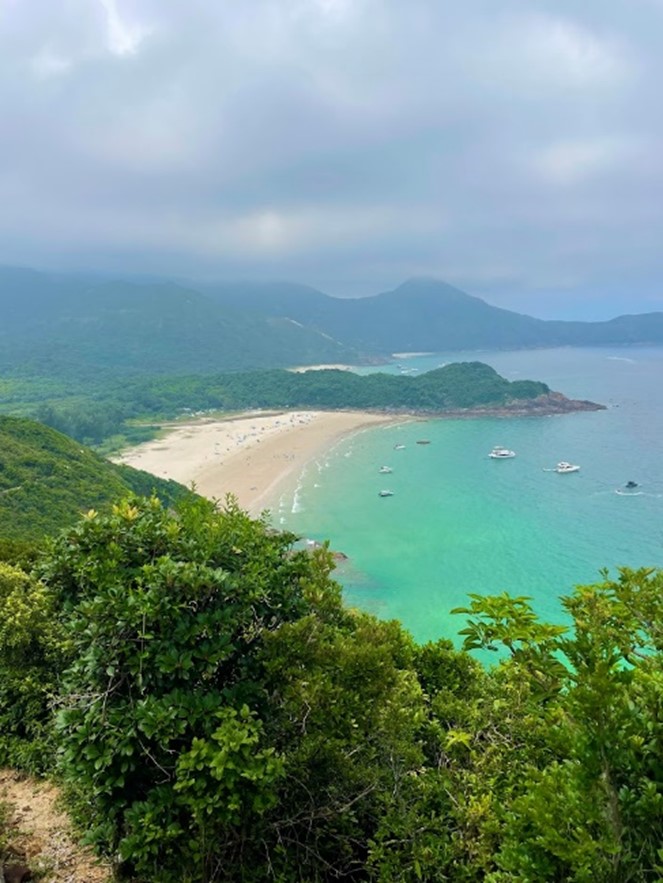
My study at Hong Kong Polytechnic was a great experience. Hong Kong has a fantastic natural and built environment. It has excellent night life, shopping, beaches, and hiking.
All exchange students at Hong Kong Polytechnic are provided with accommodation close to the university which is heavily subsidised. It was great to be part of a community of students living on campus, particularly as each floor had social committees that ran events, which was a great opportunity to meet with local students.
There can be a language barrier between local students and exchange students which can make it challenging to form relationships. If possible, I would recommend undertaking Cantonese language training prior to the study program to assist with forming these connections. Despite this, I enjoyed having discussions in class and outside of it with local students and was able to learn more about Hong Kong and share insight into Australia. I participated in the Hong Kong Polytechnic exchange fair and shared advice for studying in Australia which many students were really interested in.
I developed great relationships with people during my NCP program. I continue to maintain these relationships back in Australia. I have continued to catch up with people I met during the Infosys internship, particularly Instep leaders which come and visit Australia periodically and host Infosys intern catchups.
Following my program I had the opportunity to travel to different countries in South East Asia. I would recommend anyone undertaking exchange to use the opportunity to study both before and after their program.
The NCP program is a fantastic opportunity to experience different cultures.
My current role at Cochlear relies on me communicating with different regions and I have found it invaluable having this firsthand experience of adapting to a different culture. It also provided me with fantastic networks in the Asia pacific region that I will continue to foster throughout my career.
Claire Grimble Bachelor of Engineering (Honours), Diploma of Professional Engineering Practice Hong Kong Polytechnic University Hong Kong
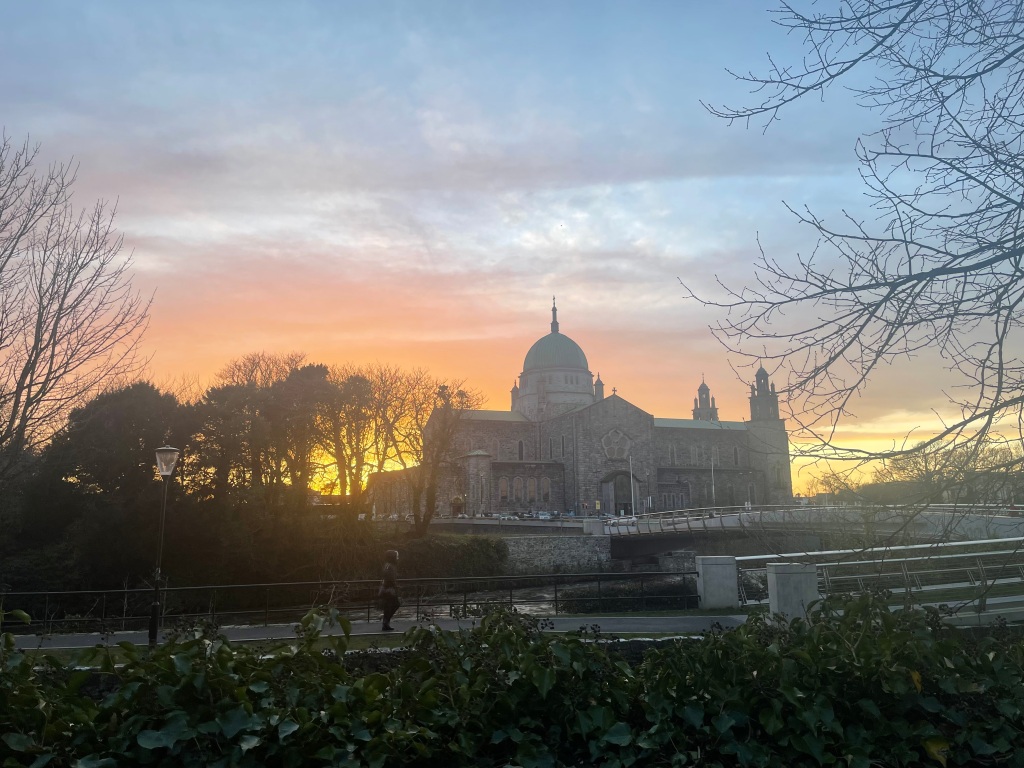
For my exchange I chose to go to National University of Ireland, Galway (NUIG)
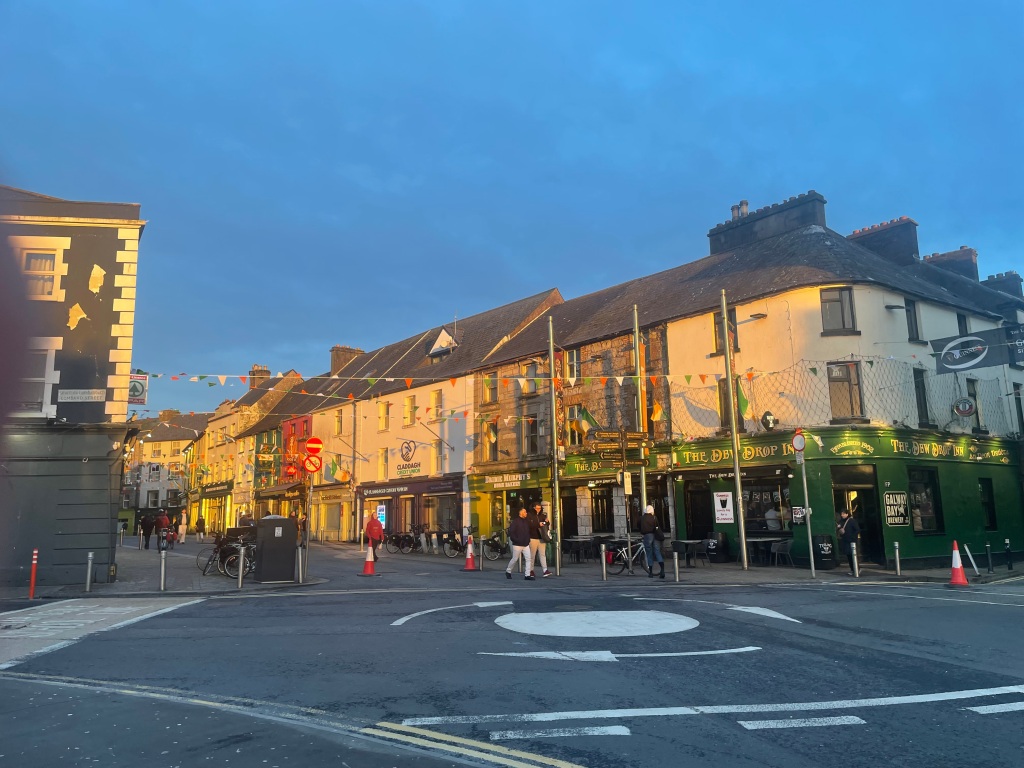
My arrival to Ireland brought the realisation that I had definitely not packed for the weather. I arrived in Galway early in the morning by train from Dublin just past the middle of winter. With my hostel not allowing check in before 5, I decided to drop off my luggage and explore the town. After walking out to a headland overlooking the ocean, the weather took a sudden turn for the worse, sleeting rain and a cold wind, at this point I trudged back into town damp and suffering from the distinct chill.
On arrival to a small local pub, I learnt the hospitality of the Irish.
I was soaked to the bone and wanting nothing but to warm up. After seeing my plight one of the locals took it upon themselves to shout me a hot Irish whiskey complete with lemon and cloves. In exchange for a good conversation, I spent the rest of the day enjoying a relaxed atmosphere warm by a fire. This would set the tone for the rest of my exchange which I have thoroughly enjoyed.
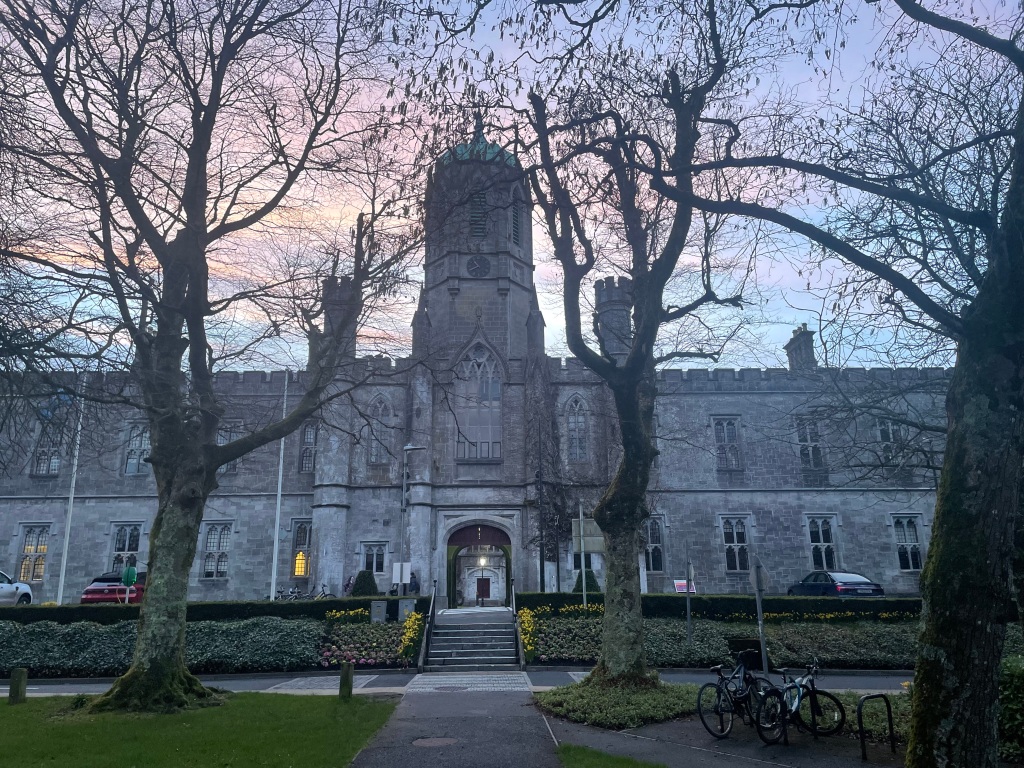
Over the next week before teaching began, I attended the orientation and was inducted into NUIG. The university may seem dated if you compare it to UTS and its state off the art technologies but you will find it more than makes up for it with history and student community.
Moving onto academics – I’m studying a Bachelor of Computing Science (Enterprise Systems major) but for my exchange I had 1 direct equivalent subject (Object Oriented Programming: Data Structures and Algorithms) and chose to use my free electives to study a more general knowledge subjects of systems outside my major. These were particularly interesting for me; the subjects encompassing forensic cybersecurity, distributed cloud computing, and critical real-time systems. These subjects were intended for students studying in their final semester which meant that they were somewhat more complex than I was used to and expected prospective students to have deep understanding of coding and relevant domain knowledge. This meant that I had to do extra study to expand my workable knowledge in these domains.
NUIG had a large focus on individual reasoning and understanding of the subject, when comparing to UTS tutorials which have a focus on in-class discussion and team collaboration, and clear focused goals for each tutorial. NUIG instead used its tutorials as individual study periods to work on assignments in which tutors would provide oversite if you required it. This meant that while there were no in-class set activities, the assessments were of higher complexity requiring more time researching the frameworks, running benchmark tests, and experimenting within that space before compiling your research and clearly indicating what you had found. After these subjects, I have found my ability to articulate the inner workings of systems and design principals has increased dramatically.
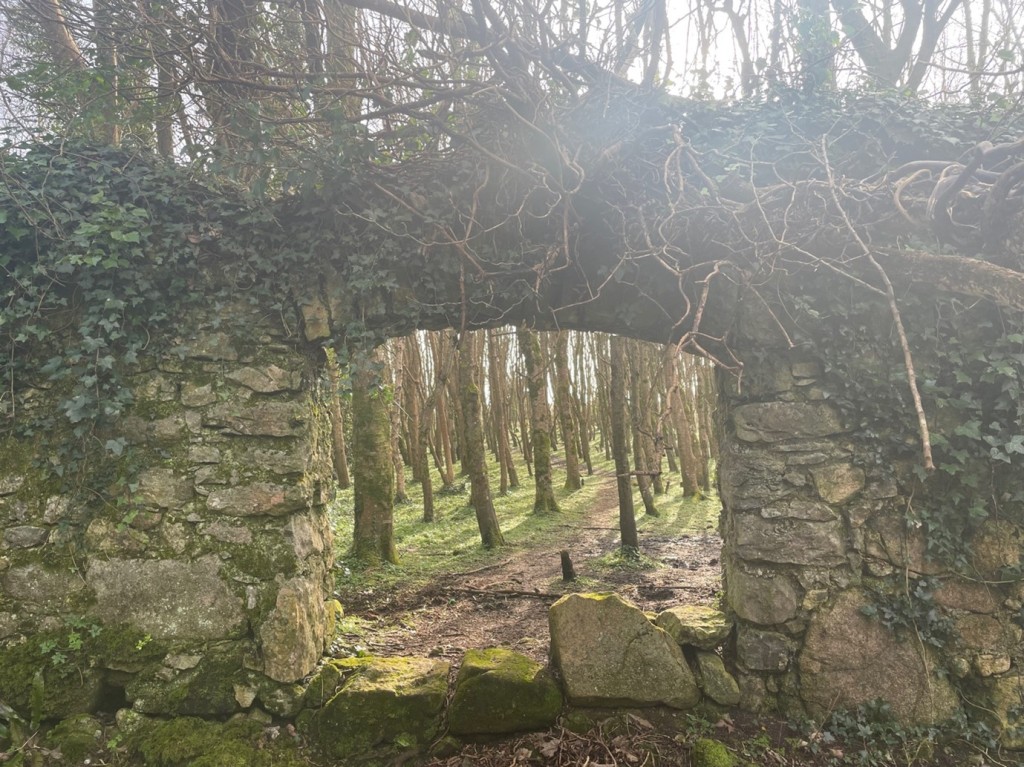
Galway as a city has a certain small town charm to it, and so I’ve heard the best night life in Ireland. With a range live traditional and modern music playing every night at the towns inviting pubs and taverns, you will never have to go far to find a warm and inviting place to shelter from rain that accompanies 90% of days here. And should you deem to explore, the town and surrounding areas only a short train trip away, you will find many enchanting places if you choose to tread a little off the beaten track.
When arriving and settling into your exchange should you choose to go, I would highly recommend attending as many of the orientation activities as you can as they will help establish your social sphere for the duration of your stay.
Throughout my time here I have enjoyed many interesting conversations and experiences and would wholly recommend going on exchange to anyone with even a slight interest. UTS’s global exchange team has made everything very easy to setup, and provided me with loads of support before and during my exchange, so a big thank you and thumbs up to them.
Griffin Frame-Szafjanski Bachelor of Computing Science (Honours) National University of Ireland, Galway (NUIG) Ireland
Studying abroad is often described as a life-changing experience, and my global exchange program with RMIT Vietnam was no exception. This journey not only allowed me to delve into fascinating subjects but also introduced me to the dynamic city of Ho Chi Minh and enabled me to explore breathtaking destinations across Vietnam.
In this blog, I’ll take you through my academic pursuits, my first impressions of the university, the city and its people as well as the incredible adventures I embarked on.
My time in Vietnam was not merely an academic journey; it was a cultural immersion that left an indelible mark on me. The renowned Vietnamese hospitality was evident in every interaction with the locals. Whether savoring delicious street food in bustling markets or seeking directions from friendly locals, I was consistently met with warmth and kindness. Learning about Vietnam’s rich cultural heritage through its people became a major highlight of my experience.
Ho Chi Minh City, often referred to as Saigon by locals, was my home for a few months. The city’s energetic vibe and deep historical roots never failed to captivate me. My initial impressions were a sensory overload – from the bustling and chaotic traffic to the tantalizing aromas wafting from street food stalls, and the juxtaposition of tradition and modernity in every corner. Exploring iconic landmarks such as the War Remnants Museum and the Cu Chi Tunnels provided me with eye-opening insights into the city’s history.
Immersing myself in the local culture was an integral part of my exchange program. From participating in traditional Vietnamese ceremonies to mastering the art of Vietnamese coffee brewing, each experience deepened my connection to this beautiful country.
Now let’s dive into the academic part of the exchange
During my time at RMIT Vietnam, I embarked on an exciting academic journey by exploring elective subjects that delved into the intriguing fields of supply chain and logistics, as well as financial technologies. These subjects marked a departure from my usual business and IT-focused courses at UTS, providing me with a unique opportunity for academic growth and offering a fresh perspective on my educational path.
As I set foot on RMIT Vietnam’s campus for the first time, I was immediately immersed in modernity and innovation. The state-of-the-art facilities left a lasting impression, reinforcing the university’s commitment to delivering a world-class education. The welcoming international atmosphere enveloping the campus made me feel at home from day one, setting the stage for an inspiring learning environment.
One remarkable aspect of my exchange program was the striking similarity in teaching styles between RMIT Vietnam and UTS. This congruence facilitated a seamless transition, allowing me to engage with my studies more effectively. RMIT Vietnam’s approach to learning, centered on blended learning, combined face-to-face tutorial sessions for interactive discussions and problem-solving with online lecture reviews that encouraged deeper exploration of weekly topics. This approach ensured a comprehensive learning experience.
Furthermore, one of the most enriching aspects of my exchange program was the opportunity to interact with students from diverse backgrounds. RMIT Vietnam prides itself on fostering a multicultural environment, and it was a fascinating experience to collaborate with classmates from various countries. Beyond academic collaborations, our interactions extended to the RMIT Buddy’s team, who went above and beyond to organize events, assist with rental arrangements, communicate with locals to book tours, and facilitate non-university-related activities such as beach trips, night outs, and transportation. These interactions not only broadened my horizons but also nurtured a sense of global perspective and camaraderie among international students.
Beyond the classroom, my global exchange program allowed me to explore various cities and regions throughout Vietnam, each with its unique charm and beauty.
South Vietnam:
Vung Tau: Known for its picturesque beaches and vibrant seafood markets.
Phu Quoc: An island paradise in the Gulf of Thailand.
Ho Chi Minh City: The bustling metropolis that served as my home base, rich in history and culture.
North Vietnam:
Halong Bay: Famous for its breathtaking limestone karst landscapes.
Ha Giang: A remote and stunning region offering some of Vietnam’s most dramatic scenery which is best experienced by a motorbike.
Ninh Binh: Known for its natural beauty and historical sites as well as the peacefulness that you experience being there.
Sapa: A trekker’s paradise with awe-inspiring mountain scenery, picturesque rice terraces and one of the few places where the ethnic groups of Vietnam is present
Hanoi: The capital city, blending history and modernity seamlessly.
Central Vietnam:
Hue: An ancient city with a rich imperial history.
Hoi An: A charming and historic town famous for its lantern-lit streets.
Da Nang: A coastal city known for its beautiful beaches and vibrant nightlife.
Dalat: The “City of Eternal Spring” with a mild climate and scenic beauty.
Nha Trang:A coastal gem with pristine beaches and a lively atmosphere.
So to conclude ı would like to say is that my global exchange journey with RMIT Vietnam was a remarkable blend of academic growth and unforgettable adventures. From exploring new subjects to immersing myself in a vibrant city and traveling to breathtaking destinations across Vietnam, this experience transformed me both academically and personally. It’s a journey that I’ll cherish for a lifetime, and I’m grateful for the opportunity to have embarked on this incredible adventure.
Pillay Shanendra Bachelor of Science in Information Technology Royal Melbourne Institute of Technology Vietnam
My name is Alessia Zuzza, and I am studying a Bachelor of Biotechnology/Bachelor of Business at UTS. I have decided to go on global exchange for the Spring Semester of my third year and am currently living in Honolulu and attending the University of Hawai’i at Manoa!
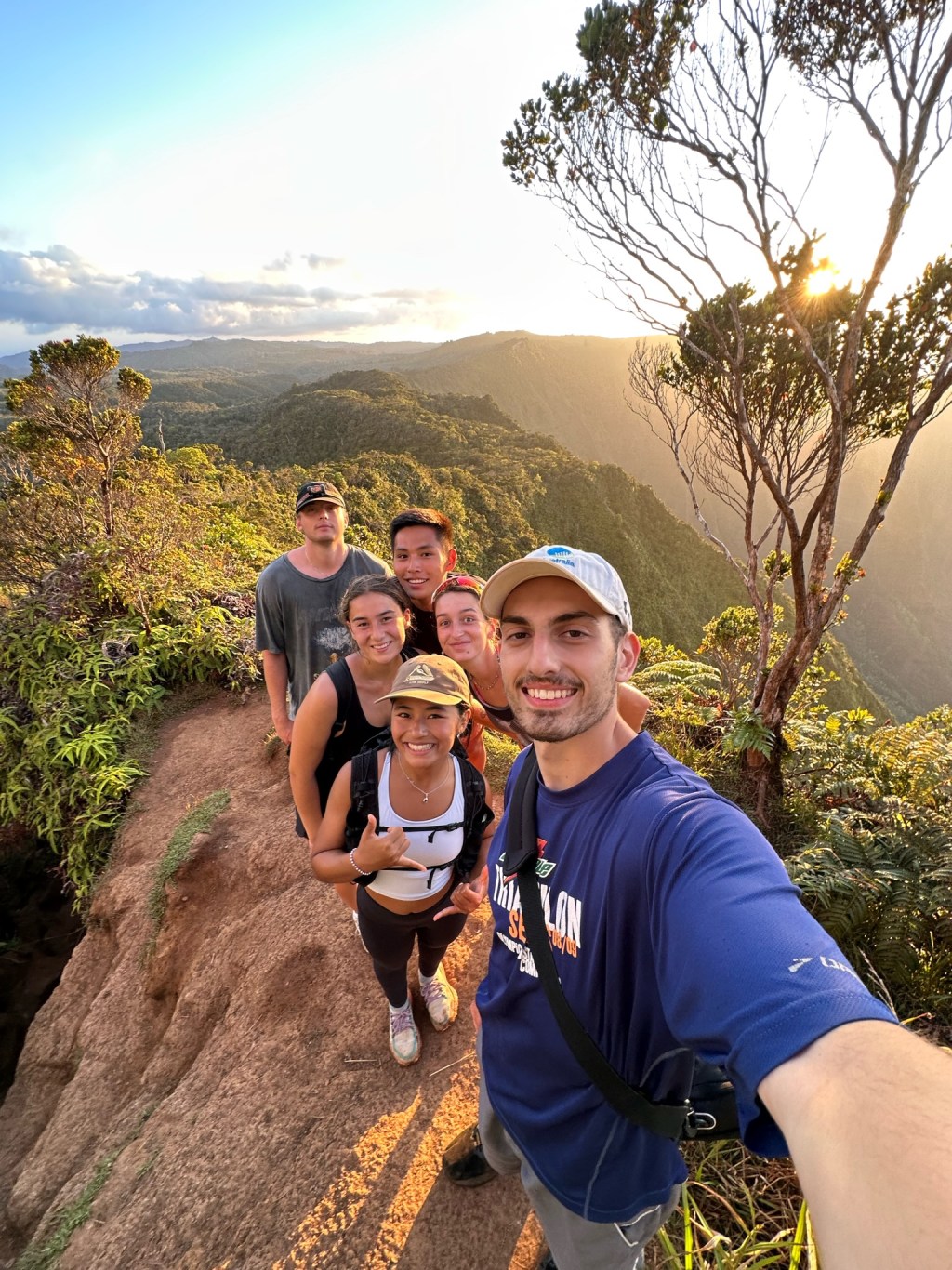
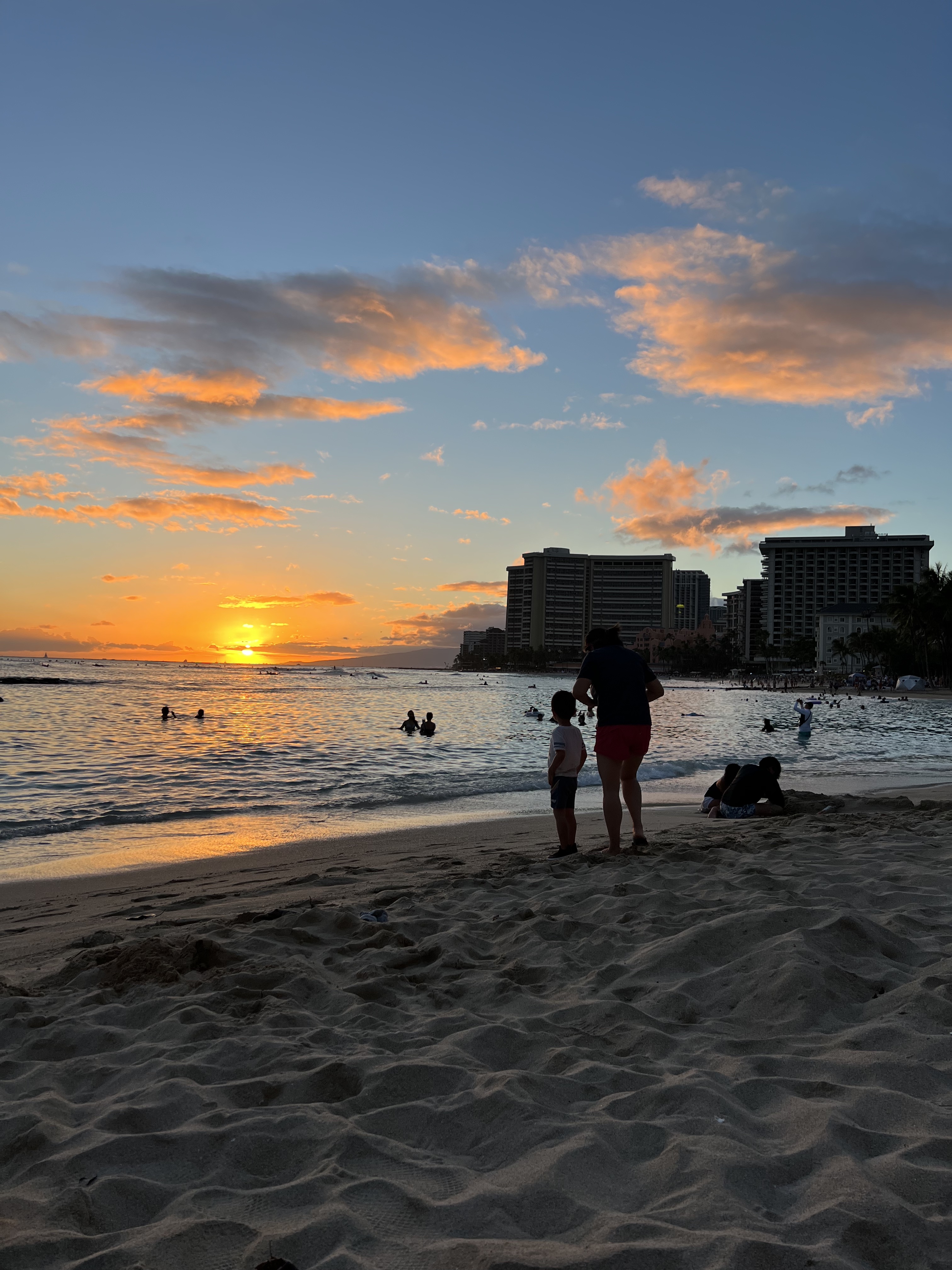
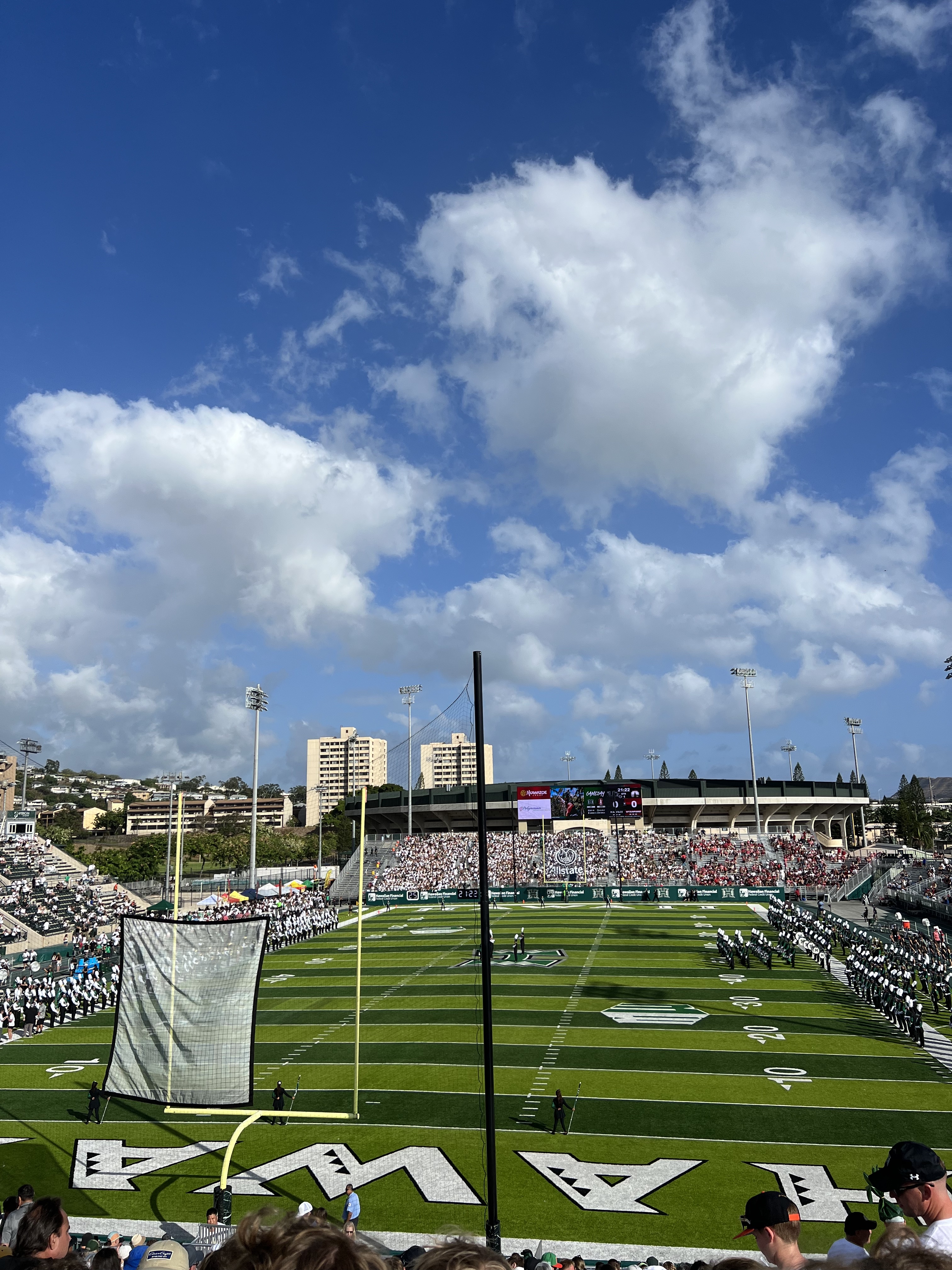
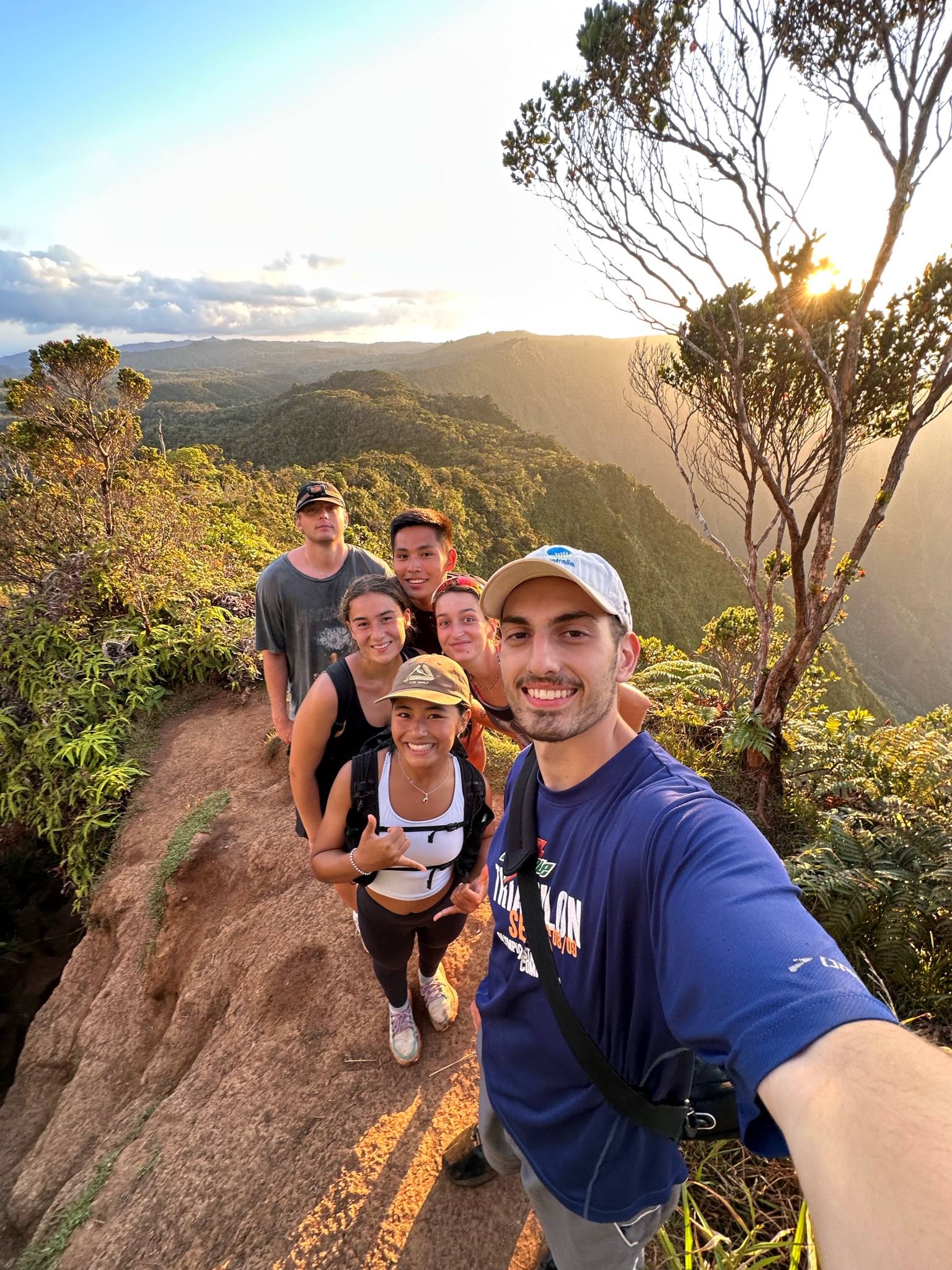
Hawai’i is an amazing place with so much to do, including beaches, hiking, surfing and more! I’m really enjoying eating local food like poke and learning to surf at Waikiki! The UH Manoa campus is huge and so different to the UTS city campus. It is so green and there are many outdoor spaces which can be used year-round due to the consistent tropical climate. There is an enormous gym with lots of equipment as well as volleyball/basketball courts, a big library, an NFL field and a sports centre where the volleyball teams play. One of my favourite things to do is watch the sports games, especially the volleyball! School pride is so big here and it feels like you’re in a movie!
The week before classes started, the MIX (Manoa International Exchange) program set up orientation sessions, which was where I met my closest friends here. We were told about where to shop for groceries, places to try local and Hawaiian food, and how to adjust to cultural differences like tipping which was so helpful. During this time we also picked up our student ID cards which we can use as a free bus pass to get around the island.
I am studying four direct equivalent subjects here: Ecology, Cell and Molecular Biology, Intermediate Microeconomics, and Intermediate Macroeconomics. I unfortunately did not have any free or restricted electives to use and so was unable to take any interesting or different classes than usual. However many of my exchange friends are taking Hawaiian Studies and find it really interesting, so I would recommend taking that if you can!
The teaching style here is very different to UTS. Rather than big hand-in assignments like at UTS, I have weekly homework and quizzes to complete, as well as midterms. This was a little hard to adjust to at first, but if you stay on top of everything then it is pretty easy to get everything done and still have time to explore and relax. I have classes Monday to Friday, however most days I finish by 12pm and can get homework done and go to the beach, surfing or hiking in the afternoon.
I am living in off-campus student housing called Hale Mahana, about a 10-minute walk from campus. It is extremely expensive in Hawai’i, especially Honolulu, and the current exchange rate makes it even worse. On-campus housing was slightly cheaper than Hale Mahana, however I was not accepted until about 3 weeks before I left Sydney! I had already signed a lease by then so was not able to accept it. If you’re coming to Hawai’i do some research on housing early as it is in high demand and I found it really difficult to find a place.
One of the biggest tips I would say is to make sure you have savings coming here, as it is so expensive even before you consider the (currently) terrible exchange rate. Housing and food are big expenses so make sure you can accommodate for that. However it is definitely worth spending for some experiences. I recently went snorkelling with sharks up on the north shore which was incredible, and have been lucky enough to go on a weekend camping trip to Kaua’i which was one of the best experiences ever. The inter-island flights are not too expensive which makes it pretty easy to do trips on long weekends and holidays! Overall, I am really enjoying my time in Hawai’i. I would definitely recommend going on global exchange in general and here to the University of Hawai’i!
Alessia Zuzza Bachelor of Biotechnology and Bachelor of Business University of Hawai’i at Manoa United States
Hola a Todo! I’m Miela Malyon (Ba of Photography in Design) currently studying at Tec de Monterrey in Queretaro (a small city about 3 hours drive north west of Mexico City).
Whilst I’ve studied photography for the past 3 years, here in Mexico I’m taking Spanish language classes and one philosophy subject in English both as free electives. Both my courses are in the form of tutorials and do not have separate formal lectures, this appears to be quite common for Tec. I’d highly recommend taking language classes, to aid with connecting to the country, making friends and socialising (for me my main motivation has been to enable me to work here as a photographer). In my philosophy class, I’m the only native English speaker, which proves challenging at times. If you can I’d highly recommend taking courses in Spanish, and getting your language proficiency up before going.
As a private institution, Tec is modelled off an American model of University (including a collage called ‘prep’) there is a ridiculous amount of extracurricular activities called ‘Life courses’ that you can take concurrently on top of your academic studies. There’s everything from Theatrical Acting to Taikwando. Furthermore, orientation for exchange students is jam packed! There have been various opportunities for catered tours to cultural sites (such as the famous Pyramids of Teotihuacan) which offer an easy opportunity to see more of the country and get to know other students. Tec also runs off a 5 week blocks with every 6th week being free of classes for ‘Life Weeks’ that offer further time for travel.
(Sunset from the middle of town in Queretaro)
In terms of living, Queretaro offers a tranquil option in comparison to CDMX, the city is fairly walk-able and very very safe by Mexican standards. For those wanting more nightlife, access to museums and metropolitan culture I would recommend the CDMX. But if you’re wanting somewhere a little more quiet to get your bearings Queretaro is a good middle-ground that isn’t too far away. Almost all of my weekends have been spent travelling to CDMX or other parts of the country for leisure and photo jobs.
Whilst Mexico does have a reputation regarding safety, I truly urge you if you’re thinking about exchanging here to come! Mexicans are incredibly friendly (if you think Australians are – it’s a whole different level here…) and very willing and eager to put time and effort into helping foreigners get where they need to go. Every time I’ve found myself struggling, I’ve been greeted with the same ‘No Te Preoccupes’ / don’t you worry from strangers and friends alike. Many have gone out of their way to help with the big little things that are sometimes difficult in a new country (finding a mobile sim, navigation) to more tricky situations (losing a phone/key etc).
(Tepoztlán Mountains and Museum of Anthopology CDMX are a must)
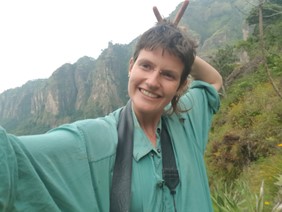
Last but not least! The other reasons I absolutely urge you to get your booty into this country is for the richness of history, art, food, and nature! Mexico has an incredible strength of traditional and contemporary culture, with each state having it’s own flavour. Everywhere you look (from the food, to murals on the sidewalk) there’s references to this explosive mix of contemporary subcultures, Catholicism and pre-Hispanic traditions (Mayans and Aztecs are only just the beginning… there is in fact 100’s of indigenous groups). In contrast to Australia, the way Mexico openly celebrates both traditions brought by ‘colonisers’ (the Castillanos) and indigenous practices is bloody inspiring, and paradoxical. I feel we would do well to take a leaf out of Mexico’s book. For any future students considering travel to Mexico, please feel free to reach out to me via socials, happy to answer any and all questions. Mexico is also incredibly diverse in terms of ecosystems…jungles, volcanos, mountains, beaches. You simply need to know where the locals go (or, you find it out on the way jeje). See below me hiking (solo) in the mountains of Tepoztlán, walking around a lagoon in the crater of a dormant volcano Sierra Nevada de Toluca, and dying of heat in the desert ecosystem of Baja California.
Miela Malyon Bachelor of Design in Photography Tecnologico de Monterrey Mexico
When I first told my friends at the University of Technology Sydney (UTS) that I’d be transferring to Sungkyunkwan University (SKKU) in Seoul, they thought I was embarking on a full-time K-drama experience. Little did they (or I) know how transformative, educational, and challenging this adventure would be.
Classes: More than just academics
At UTS, the atmosphere was laid-back and classes were a blend of lectures, group work, and presentations. However, upon entering SKKU, the first thing I noticed was the rigorous academic culture. It wasn’t uncommon to see students at the library during late hours, engrossed in their books or group discussions.
The teaching style was also different. At SKKU, professors seemed to focus more on rote learning and memorization. Although challenging at times, this method taught me discipline and the importance of dedication to my studies.
However, one of the best aspects of studying at SKKU was the vast array of subjects related to Korean history, culture, and language. This allowed me, an Australian Korean, to connect with my roots on a deeper level.
Culture: A blend of the old and the new
Coming from a multicultural hub like Sydney, I was used to a mix of cultures and traditions. Seoul was no different but in its unique way. Walking through the streets, I would pass by ancient palaces like Gyeongbokgung, only to turn a corner and find myself amidst towering skyscrapers and neon-lit streets.
Food was another revelation. While I grew up eating Korean dishes at home, tasting them in their place of origin was an entirely different experience. From the spicy tang of kimchi jjigae to the savory delight of bulgogi, every meal was a journey of flavors.
Yet, what truly surprised me was the pace of life. Seoulites lived in the fast lane. From the rapid speed of the subway to the bustling streets of Myeongdong, everything seemed to be on the move. It was a stark contrast to the laid-back vibe of Sydney’s beaches.
People
While the summer in Seoul was physically hotter than anything I’d experienced in Sydney (due to the humidity), the warmth of the people made up for it. Despite the language barrier (my Korean was rusty at best), many went out of their way to help me, be it with directions or recommendations for the best local eats.
However, forming deep friendships took time. Unlike the easy-going camaraderie at UTS, relationships at SKKU were built on trust and mutual respect, which often took time to cultivate. Over time, I forged bonds that I hope will last a lifetime.
In Conclusion
Transitioning from UTS to SKKU was not without its challenges. From adapting to a different academic system to navigating the nuances of Korean culture, every day was a learning experience. Yet, as I reflect on my time in Seoul, I am filled with gratitude. For the knowledge gained, friendships made, and for the unique opportunity to bridge the gap between my Australian upbringing and Korean heritage.
Tae Woo Lyoo Bachelor of Accounting Sungkyunkwan University South Korea
Last year, I graduated with a Bachelor of Engineering (Honours) (Software) and Diploma in Professional Engineering Practice, before beginning work as a graduate at my current workplace, Commonwealth Bank.
Despite completing my New Colombo Plan (NCP) Scholarship program last year, I still firmly believe that embarking on the program was one of the key highlights of my entire university experience. It has shaped memories that I will remember and draw upon for a lifetime.
Beginning in June 2022, I embarked on a program that spanned over the course of 10 months.
My experience consisted of the following:
2 months of intensive Mandarin training at the National Taiwan Normal University (NTNU) Mandarin Training Center in Taipei, Taiwan.
1 exchange semester at NTNU in Taipei, Taiwan.
3 months completing the Infosys Instep Global internship program in Bangalore, India.
1 month of Nepali language training in the Darjeeling region of India.
Throughout my upbringing, my parents have raised me to believe that diversity can serve as a strength rather than a weakness, and have always encouraged me to be open to embracing other cultures. Naturally, as I grew up I developed a strong interest in learning about different cultures across the world and how they possessed similarities or differences to what I was familiar with after being brought up in Australia.
I have always wanted to immerse myself in another culture for an extended period of time, and I felt that the New Colombo Plan Scholarship was the best way to do this as it assisted me in overcoming the financial barrier that comes with living abroad, while simultaneously being accommodating of my studies at UTS. In addition to the study exchange component of the program, I also valued the inclusion of a language training and internship component as I felt this would greatly assist in helping me develop a well rounded understanding of my host countries.
My NCP Scholarship experience was commenced by undertaking two months of intensive Mandarin training at the National Taiwan Normal University (NTNU) Mandarin Training Center in Taipei, Taiwan. This was then followed by an exchange semester at the same university.
My time at NTNU introduced me to a range of new experiences. A highlight for me was taking part in the ‘International Companions for Learning’ program, where I completed inter-cultural community service with a Taiwanese primary school in Yilan County.
As part of this program I was partnered with a Taiwanese student at National Taiwan University (NTU) to conduct weekly cultural exchange sessions with a class of Taiwanese children online.
I loved learning about different aspects of Taiwanese culture from my partner, who was originally from Taichung, and the children, while simultaneously being able to introduce them to Australian culture. The best part of this experience was being able to meet them in person during a school visit with my partner from NTU!
Throughout my time in Taiwan, I encountered some of the friendliest people I have ever come across. Despite being a foreigner and sometimes not sharing a common language, the people always went above and beyond to make me feel comfortable in Taiwan. On more than one occasion I had friends offering to show me around their hometown, introduce me to their family, and feed me delicious food. I will forever be grateful for their patience with my broken Mandarin when trying to communicate!
Despite this, it is not to say that I did not encounter my fair share of difficulties while living in Taiwan. Naturally, living abroad alone for the first time can be challenging, and I definitely found that the study load at NTNU was more intensive than what I had experienced prior at UTS. In retrospect, I feel that it is important to go into the experience with an open mind. Be prepared to work hard, but make yourself open to taking on new opportunities and you will be rewarded with experiences that you will carry with you for a lifetime.
Subsequent to my time in Taiwan, I relocated to Bangalore in India for 3 months to undertake the Infosys Global internship program at the global information technology consulting company, Infosys. This was followed by 1 month of language training in the Darjeeling region of India.
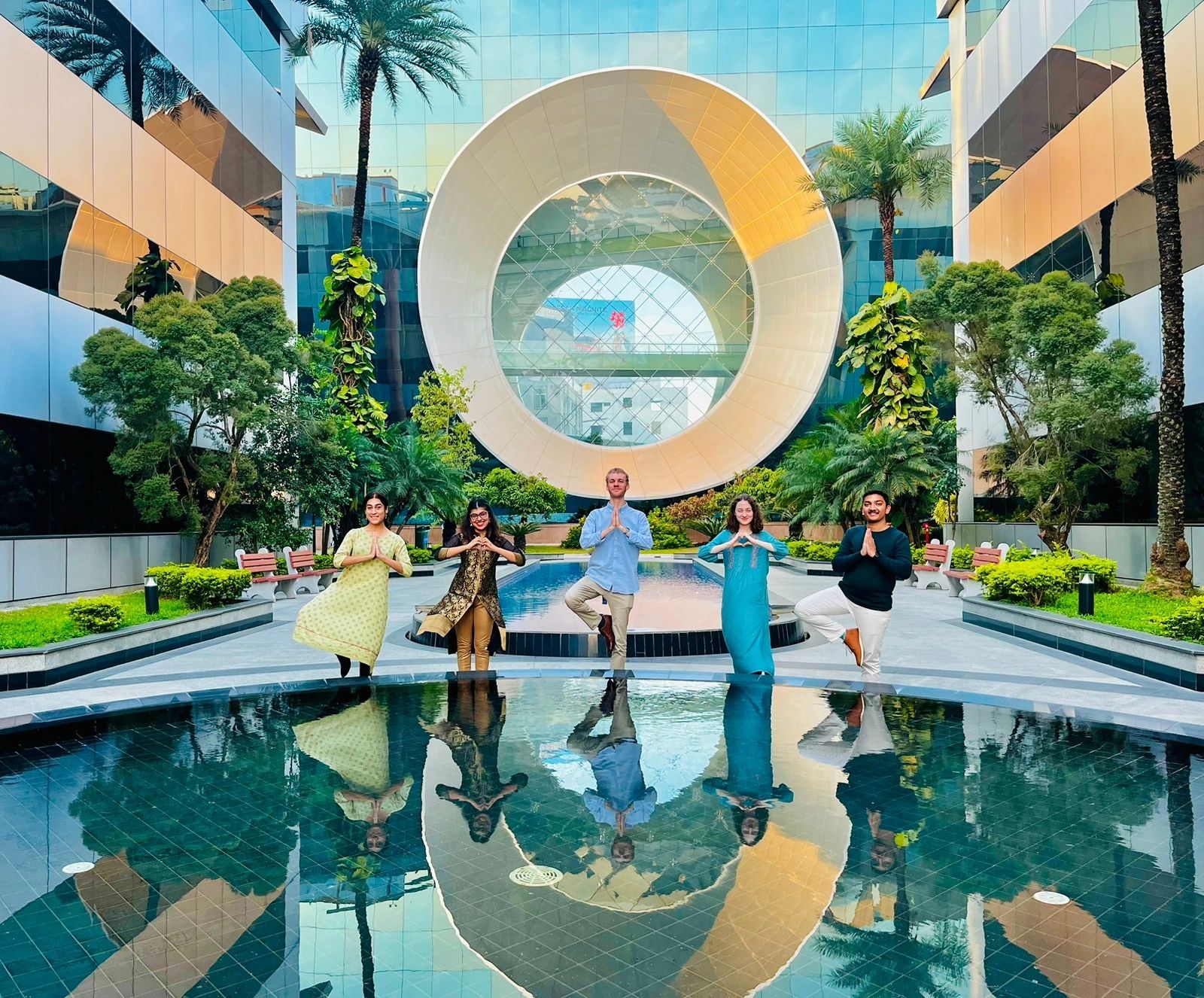
During my internship, I conducted research into the relationship between Fintech startups, financial institutions, and Infosys. I was joined during the internship by four other interns from different parts of Australia, who were also working on their own separate projects.
In retrospect, I honestly feel that my time in India will be forever remembered as one of the best parts of my entire life.
Infosys went above and beyond to introduce myself and the other interns to various parts of Indian culture, whether this was through excursions, so so much AMAZING food, or workshops. They made the transition of relocating to India as comfortable as possible. Additionally, I felt that myself, the other interns and the staff managing the internship all became quite close after all the time we shared together.
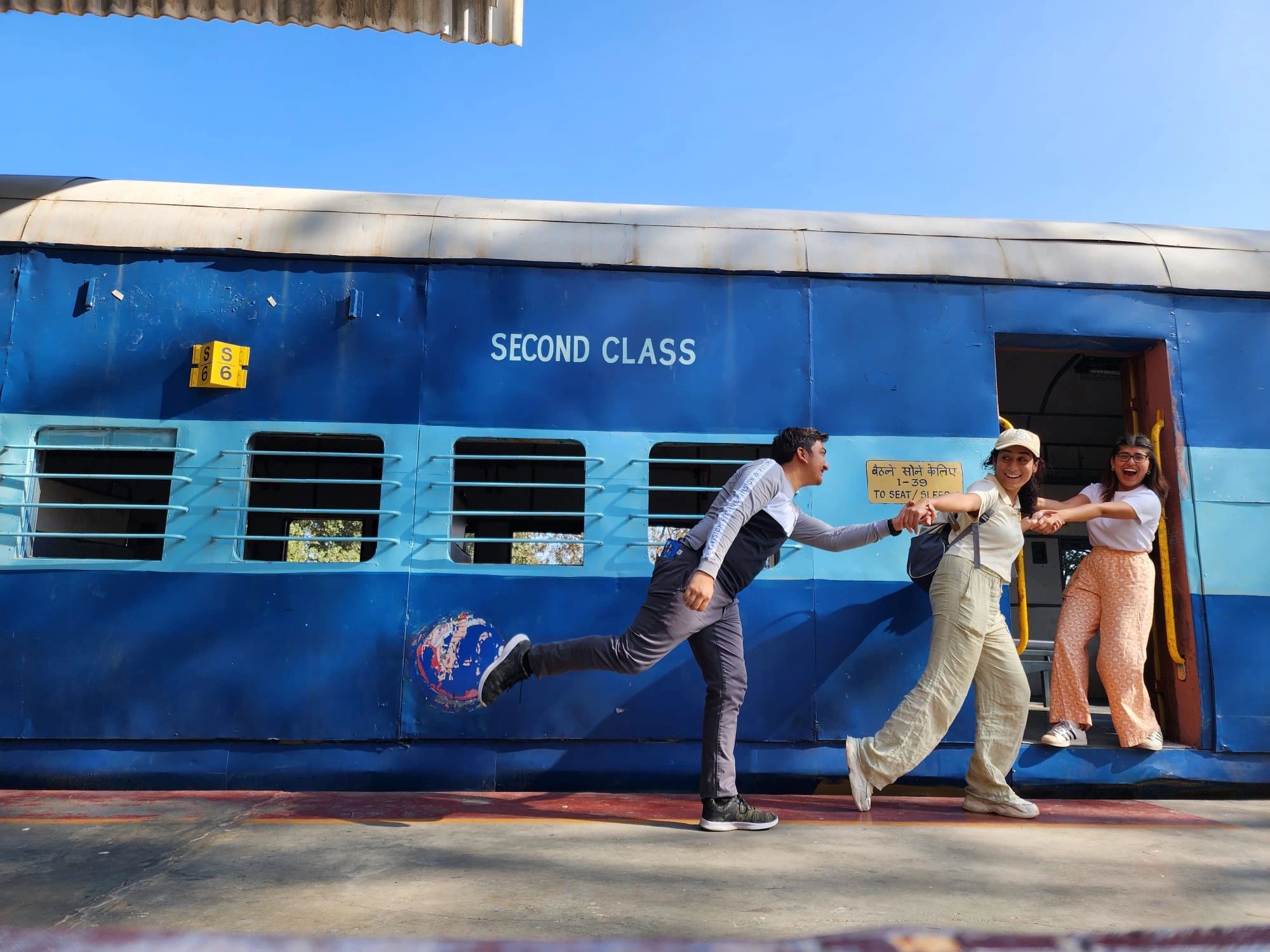
A highlight from this internship was being able fly out and explore different parts of India with the other interns on the weekends and learning about how vastly Indian culture can differ simply depending on the state that you’re in. On one occasion, another intern and I were able to connect with a staff member located in Jaipur, who showed us around and introduced us to his family. It was amazing being able to experience the city through the eyes of a local, who was happy to share different aspects of his culture with us.
Overall, my NCP Scholarship program experience was not without challenges that pushed me out of my comfort zone, but at the end of the day, it has all contributed to helping me grow as a person. I will always remember my time in India and Taiwan as being special opportunities that allowed me to grow so much in both personal and professional aspects. Most of all, I will always remember the wonderful, inspiring people I met along the way!
Vanisha Singh Bachelor of Engineering (Honours) (Software) and Diploma in Professional Engineering Practice National Taiwan Normal University Taiwan
Embarking on the Faculty-led Global Short Program to Beijing was an opportunity of a lifetime, offering a vibrant mix of educational enrichment and cultural immersion. I’ve returned with a treasure trove of memories, insights, and experiences that have deeply enhanced my academic and personal growth.
Our journey began with a warm welcome at a local Beijing restaurant, an intimate space brimming with laughter and the tantalising aroma of Chinese cuisine. Shared over steaming hot pots and an array of dishes, this meal was the first of many moments that fostered camaraderie among us (Image 1). The diversity of flavours mirrored the diversity of our group and set the tone for a program that celebrated differences and unity in equal measure.
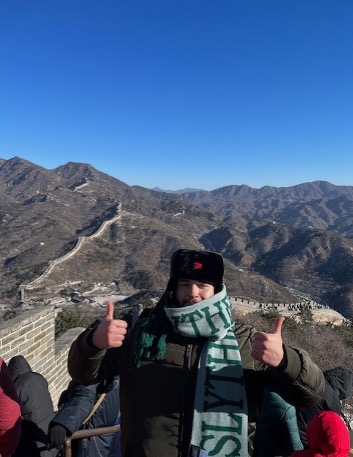
The Great Wall of China was another highlight, a testament to human endeavor and a symbol of the cultural legacy that courses through the Indo-Pacific. Standing atop this marvel, with the serpentine wall stretching into the horizon, was a humbling experience. It served as a palpable connection to the past and a poignant reminder of the resilience and ingenuity that continue to shape our world.
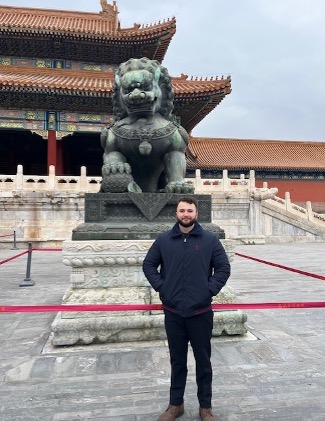
Equally striking was the visit to the Forbidden City, where history stands still amidst the bustling metropolis (Image 3). Walking through the vast courtyards and palatial buildings, I was struck by the grandeur and the meticulous craftsmanship of every structure. The Forbidden City served as a powerful lens through which to view the intricate interplay of power, culture, and art in shaping societal narratives.
Throughout the trip, lectures and discussions illuminated the complex layers of China’s legal and business landscapes. This deep dive into Chinese commercial law and finance, juxtaposed against the backdrop of China’s rich historical tapestry, provided invaluable context for my studies in law and business.
The immersive experience also extended to learning about everyday life in Beijing. Navigating the city’s streets, bargaining in local markets, and using the public transport system were exercises in adaptability and cultural intelligence. Each interaction, whether with a street vendor or a business professional, was an opportunity to practice language skills and understand the nuances of Chinese communication styles.
Perhaps the most profound learning was the realisation that the Indo-Pacific is not just a region but a vibrant canvas of stories, dreams, and pursuits. It’s a place where tradition and modernity coexist, where economic growth is as much a priority as preserving cultural heritage. As I reflect on this journey, I see it not as a finite program but as the beginning of a lifelong engagement with the Indo-Pacific. The relationships forged, the knowledge acquired, and the memories created are the truest measures of this program’s success.
Beijing has left an indelible mark on me, moulding my perspective as a global citizen and future leader. It has instilled in me a deep respect for the power of cross-cultural learning and an eagerness to continue exploring the vast, dynamic world we share.
Kenan Elustu Bachelor of Business, Bachelor of Laws Beijing Summer School Program at China University of Political Science and Law, China New Colombo Plan Mobility Grant recipient