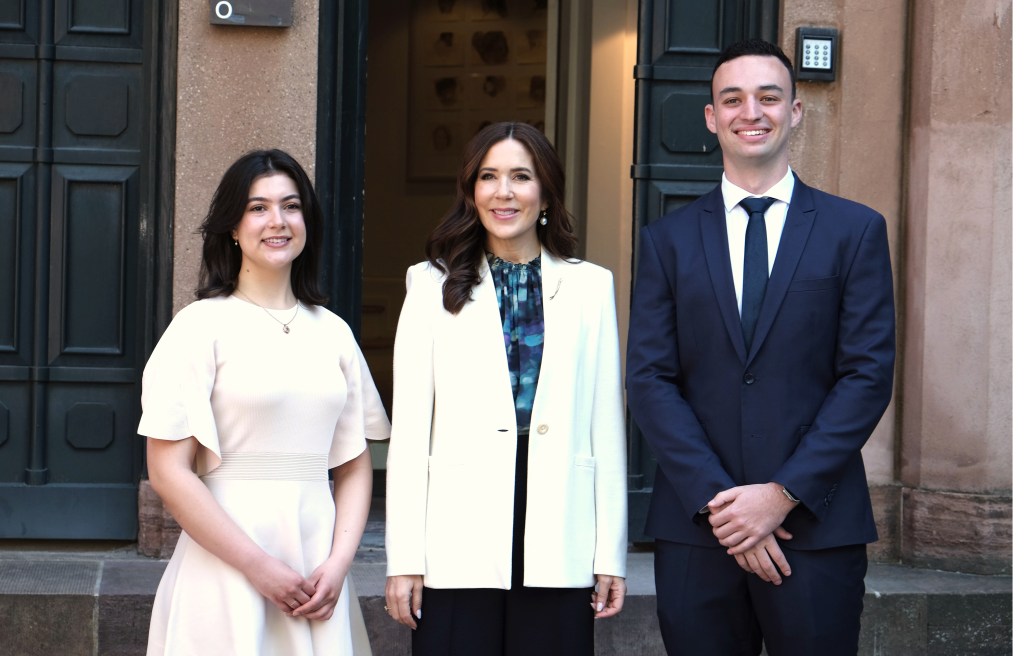
Matthew Joffe attends the scholarship ceremony to accept the prestigious Crown Princess Mary scholarship for his study in Denmark.
It was an honour and privilege to be one of the two recipients of the Crown Princess Mary Scholarship in 2024, presented by Her Majesty Queen Mary of Denmark, Her Excellency Kerin Ayyalaraju, Australian Ambassador to Denmark, and Professor Henrik Wegener, Rector of the University of Copenhagen.
The Crown Princess Mary Scholarship is awarded annually to two Australian students on an exchange program from Australia at the University of Copenhagen. On the wedding of Australian-born Queen Mary and King Frederik of Denmark in 2004, the University of Copenhagen gifted the annual scholarship to the royal couple. The scholarship awards each recipient with DKK 10,000 (approximately $2,200) to assist with the cost of living and studying in Denmark.
The ceremony was a highlight of my time on exchange in Copenhagen. It was a unique opportunity to speak with the Queen of Denmark, the Australian Ambassador and senior staff of the University of Copenhagen. Both the Queen and Rector made speeches at the ceremony, prior to an opportunity to speak with the Queen and other guests in attendance.
Her Majesty Queen Mary was incredibly down-to-earth and genuine, asking about my studies and more generally about my time spent in Copenhagen. It was clear that Her Majesty Queen Mary had taken time to read through the applications of the recipients of the scholarship, as she addressed our interests and respective degrees throughout the ceremony.
I am very fortunate to have travelled on a global exchange program, particularly to the University of Copenhagen, to experience and live in the diverse and unique culture that exists in Denmark. Being one of this year’s recipients of the Crown Princess Mary Scholarship has only added to the experience of my exchange program and I am grateful to both UTS and the University of Copenhagen for facilitating my semester abroad.
Matthew Joffe Bachelor of Business and Bachelor of Laws Københavns Universitet Denmark
Hey! I’m Liam and I’m now a month into my exchange to TU Delft in The Netherlands. In this post, I’m providing a quick recap of my first time in Europe at one of The Netherland’s best universities. Whether you’re interested in applying for Exchange to TU Delft, or a Dutch university in general, I hope this blog post will give you some useful information!
TU Delft
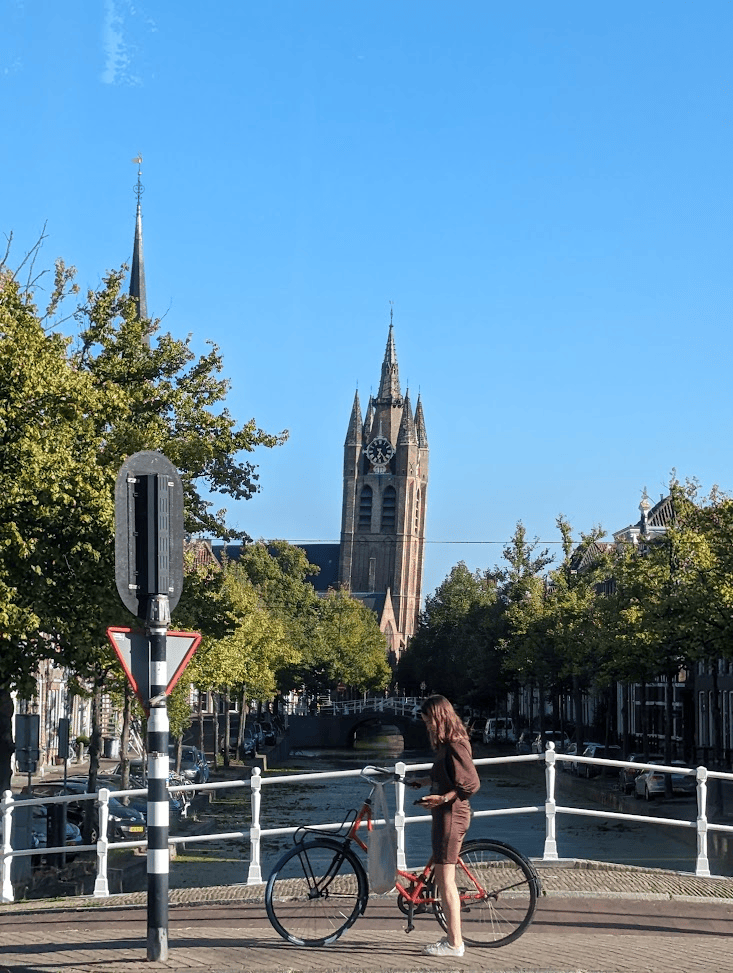
The University of Technology Delft is located in Delft, a small student town in The Netherlands located comfortably between Den Haag and Rotterdam. It’s about an hour outside of Amsterdam by train, but don’t let that persuade you thinking there isn’t much to do. Delft is straight out of a fairytale – the town is ringed with canals, beautiful walkways and the Nieuwe Kerk, a leaning church that has been standing before William Shakespeare was born.
I got here just before TU Delft’s Introduction Week period started, which is a comprehensive program for Master’s and Exchange students. It has a variety of activities which you do with your randomly-assigned group – everything from Campus Tours to Singalong Parties are sorted for you! I hope you like beer!
Take every opportunity that arises and you’ll meet tons of new friends from almost every country you can think of. You’ll learn a lot about cultures you’ve never interacted with, and learn tips from the locals about the best places to visit in their countries. The best part? I now know how to swear in Swedish. Don’t tell my mum.
Studying in Delft
TU Delft offers many courses for technical degrees, and it’s famous for it’s world-ranking Architecture and Aerospace faculties. It’s EEMCS (Electrical Engineering, Mathematics, and Computer Science) faculty isn’t far behind.
I chose the Electrical Sustainable Energy Systems, which is a course package that is planned for you – you don’t need to pick and plan exact classes. It includes a wide variety of renewable energy classes – we learn everything from hydrogen fuel cells to power grid cybersecurity. As an Electronic Engineering student back at UTS, this is right down my alley. The course quality is exceptional, but intense. There’s plenty of maths! Like UTS, TU Delft is a practically-focused university – practical work is first and foremost, so many subjects launch you straight into worked examples and lab sessions.
Something I found amazing was that each faculty has it’s own dedicated bar and study association and they’re busy every night with many students. It might have something to do with the 1€ beers! The Aerospace faculty bar has a table made from an airplane engine fuselage. Everyone here is very passionate about their fields, students and teachers alike!
Accommodation
There are many options available through TU Delft for accommodation, albeit competitive. I have absolutely loved the International Student House (Professor Schermerhornstraat) so far. I would highly recommend picking some form of shared accommodation.
Prof S. (so named because no international student can pronounce it in Dutch) is an awesome balance between a private and a shared space. You get a spacious apartment and private bathroom plus a shared kitchen among 8 roommates. It’s a great way to socialise and cook together while still maintaining a private space when you need it.
Our unit had a “cooking evening” where all of us cooked our country’s meals and made an absolute feast. It’s one of my favourite parts of humans as a species – we uniquely find joy and connection with cooking meals for each other. By far one of my favourite parts of my exchange so far!
Getting Around
The Netherlands is one of the greatest countries in the world for cycling lovers – there are 1.3 bicycles for every person here. And it shows. No helmets needed, The Netherlands has the most extensive network of bike paths on planet Earth, totaling in at over 35,000km of that iconic red asphalt. That’s nearly 90% of the way around the Earth’s equator!
One of the trickiest parts of getting around for Australian students is making sure to cycle on the right side of the path! There are dedicated cycleways absolutely everywhere, and the Dutch will get quite cross if you don’t use them correctly. Once you realise how integral they are to transport, you’ll start getting annoyed at people walking on them too!
And no, you don’t need to make the three-hour ride to Amsterdam if you fancy a weekend trip. The public transport, while on the pricey side, is exceptional. Trains are quiet, comfortable and makes getting to beautiful Dutch cities like Utrecht, Den Haag and Leiden a breeze.
It’s amazing how close parks and farms are to massive cities. You can take a 10 minute bike ride to visit beautiful nature reserves and see farm animals!
But why limit yourself to The Netherlands?
Outside Travel
The Netherlands sits in its own cosy little alcove on the northern tip of Europe, so it’s a piece of cake to visit Belgium, Germany and many more just by taking a train trip. Trains are so convenient that flying is often slower.
Grab yourself a Eurail Pass for unlimited train travel (for a specified number of days) and head absolutely anywhere you desire. You don’t need a plan.
Okay, maybe you sort of need a plan, because many trains require reservations, especially high-speed rail in France. Make sure to book these reservations in advance. You may also wish to book a couchette sleeper for longer trips, such as my overnight trip from Basel to Amsterdam. Book Hostels in any cities you want to visit – many are as cheap as 30€ a night and include breakfast for not much more. I’ve already been to Oktoberfest in Munich, Zurich in Switzerland, Brussels and Antwerp in Belgium and a bunch of other smaller towns that were gorgeous too.
Tips
I was fairly prepared before leaving for The Netherlands, but there are still a few things I wish I knew.
Bring Australian powerboards and AU-EU adapters. At least three of each. This might seem excessive, but it may surprise you when you realise how many things you need to plug in from home. Your phone, laptop, headphones, powerbank, iPad, and so forth. They’re cheap, so bring a few to avoid having to buy tons of adapters here.
Bring iconic Australian souvenirs! Vegemite and Tim-Tams are great to feed to your mates on Exchange. Just watch their face screw up when they try Vegemite. Bring an Australian flag for the TU Delft Flag Photo and maybe for a little patriotism too.
Disposable cameras are awesome. They’re an instant hit at parties and take incredibly nostalgic photos on your travels. Grab one. Or twenty. Your mates will love you. Protip: When you get your photos developed, ask for the negatives back – you’ll receive a film reel as an awesome physical memoir!
Book flights early. If you’ve just been accepted for exchange, book them now! Use code STUDENT with Emirates to get 10% off airfare, fully flexible flights, and a whopping 40kg of baggage allowance. You can thank me later.
Liam Davies Bachelor of Engineering (Honours) Technische Universiteit Delft The Netherlands
My experience in Auroville was consistently surprising and exciting. Immediately after landing in Chennai, we piled into taxis with no seatbelts and began our three-hour journey through loud, chaotic roads crowded with buses, cows, rickshaws, dogs, and motorcycles carrying up to five people at once. As the roads turned into red dirt paths, we arrived in Auroville and began our Global Studio experience.
While in Auroville, I attended sound baths, Pongal ceremonies, pottery lessons, women’s circles, meditation in the Matrimandir and a range of other rich and unique experiences. I learned about the differences in food between North and South India (not quite as much butter chicken and garlic naan in South India as expected) and was surprised to find that Auroville loves Italian food just as much as we do- there were more Italian restaurants than Indian on Auroville’s main road.
I rode an e-bike along busy roads, avoiding cows and over-crowded buses with no windows, I jumped in tiny rickshaws and had a go at steering when the driver allowed it (this was more often than you’d think). I made countless pots out of clay in wheel-throwing classes held by locals and gained so much knowledge and appreciation for the craft. I bought three different pashminas and tried my hand at bargaining with the sellers, ultimately relying on a friend to actually get the price down because I had no idea what I was doing.
Overall, my Auroville experience was entirely unexpected and focused more on personal development than career advancement- which is not where I expected my degree to take me but I’m extremely grateful that it did. I learned so much about my own beliefs that I’d never previously been forced to consider. I discovered new passions and made new friends whom I hope to be close with for a very long time. I gained a deep appreciation for the comforts we tend to take for granted in Australia and got so used to seeing cows everywhere that I find myself unconsciously looking out for them while driving through Sydney. I’ll never forget my time in Auroville and everything I learned.
Emerald Constance Slater UTS Business School Faculty-Led – BCII – Global Studio Auroville in India New Colombo Plan Mobility Grant recipient
I put down my preferences for my architecture studio not knowing which one I would get. I placed the studio which involved travelling to Korea in third place on my preferences list but I should have put it first! In the end, it did not matter because I was put in the studio and within the month I was off to Korea with the rest of my class to participate in the Seoul Biennale of Architecture.
We spent seven days around Seoul with a variety of activities planned by our professor. The major reason for our visit was to explore our allocated site which we were to design a building on. Our class site allocation was the Han River and we spent 2 days exploring the river and its surrounding suburbs to get a feel for the location.
As this was organised through the university, we also visited one of the local universities. We participated in a tutorial class with the local students where we had the opportunity to ask them more personal questions about their experiences, and their likes and dislikes of living in Seoul. Their responses would later help to guide us through the design process for our individual studio designs.
The rest of the days from around 9am-5pm were spent walking around both cultural and architectural landmarks around Seoul guided by our tutor. We also spent a day travelling to the northern border town of Heyri Art Village to see the houses designed by some of Korea’s most influential architects.
After 5pm however, the rest of the night was ours to explore. A large portion of my class stayed in the same hotel in Meong-dong and we spent many nights exploring the markets and food stalls around the area, while also hitting up some karaoke and eating fried chicken and beer (a must in Seoul).
This trip was my first experience in Korea and I can definitely say that I will be coming back! In relation to the studio, I would recommend that each student at UTS participate in a travelling studio at some point in their degree. It is a wonderful way of getting to know another culture on a deeper level than a traditional tourist, as you get to explore the life and habits of the local individual as you design a building for them and within their landscape.
Anna Klein Master of Architecture Manufactured Landscapes (the landbridge) in the Republic of Korea Global Short Programs Travel Scholarship
Let me take you on a journey back to a breezy April day in 2023. I was one of the selected students from UTS to participate in a once-in-a-lifetime opportunity to travel to Poznan, Poland. I and 20 other peers from the IT and Engineering Faculty were invited to join the International Strategic Management Workshop, held in the picturesque University of Technology Poznan.
The learning aspect of the workshop was very enriching. The workshop delved deep into the nuances of International Strategic Management. In teams of 8-10, we explored various aspects of global business operations, market analysis, and strategic planning. The culmination of our efforts was a presentation where we showcased our newfound knowledge, highlighting the critical takeaways from the workshop.
Beyond the classroom, the workshop also offered a rare opportunity for networking and camaraderie. Meeting peers with different backgrounds from all over Europe was definitely one of the highlights of this trip. I would never have crossed paths if it wasn’t for this workshop. Bonds were forged, perspectives were broadened, and friendships were made that will undoubtedly last a lifetime.
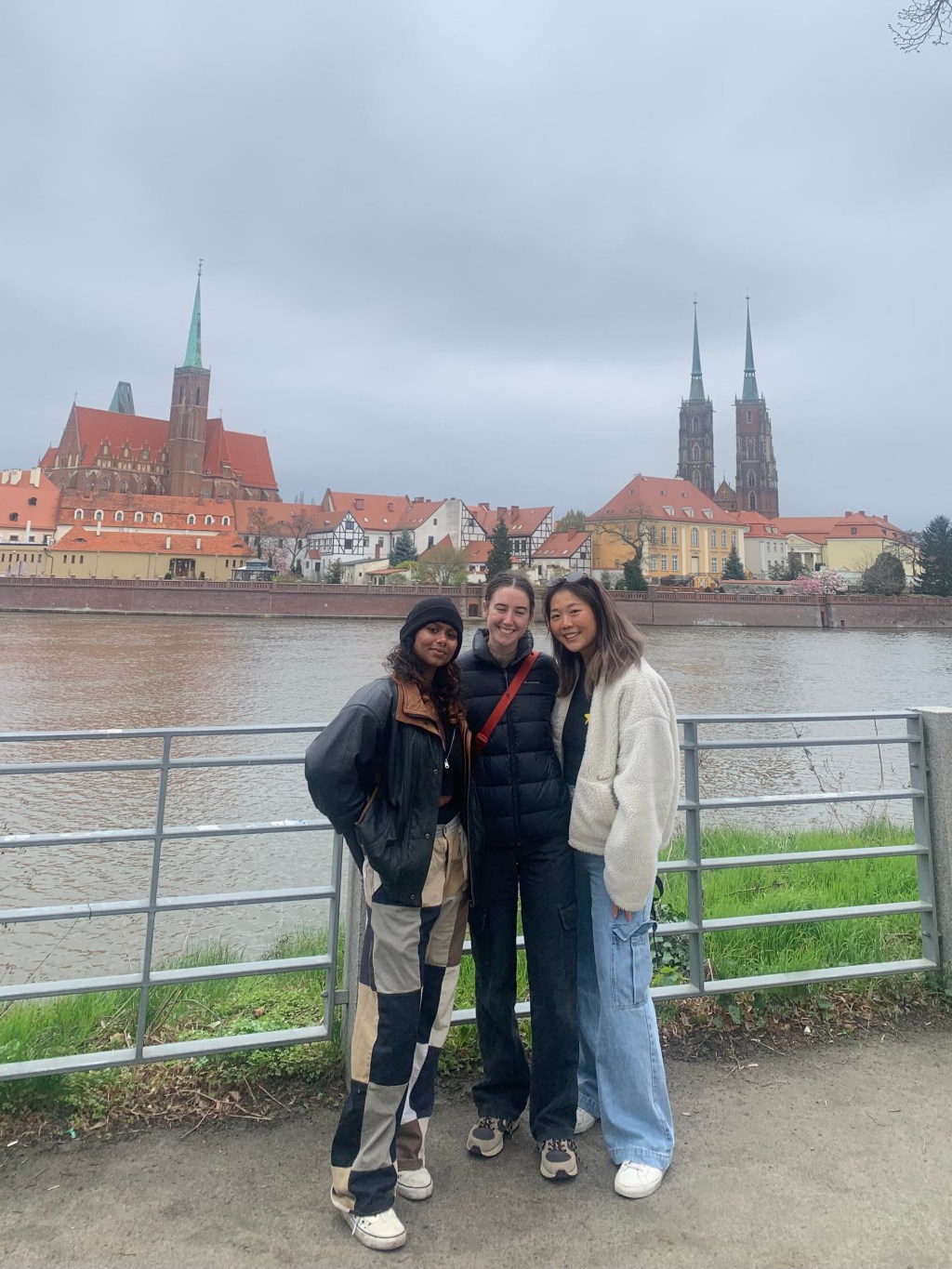
On our day off from the workshop, we embarked on an escapade to Wroclaw, a nearby city that oozed charm from every cobblestone street. Plot twist: some of us missed the train! But we did get on the next train out, and this hiccup turned into a valuable lesson about punctuality. Polish trains, unlike the ones in Sydney, were on time, teaching us the art of you snooze you lose.
The best thing about traveling is definitely trying out local food! Polish cuisine, a delightful blend of flavours and spices, greeted our taste buds like an old friend. In the midst of savouring pierogi and kielbasa, we explored Poznan’s old town, marvelling at its intricate architecture that showcased stories of the past, despite the construction work that partially veiled its beauty.
Our adventure didn’t end in Poznan. After the workshop, I and two other UTS students decided to visit Warsaw, a city reborn from the ashes of World War II. I thought the old town in Poznan was beautiful but the reconstructed cityscape left us in awe, showcasing the unyielding spirit of humanity and the power of rebuilding together. The vibe of the city was truly amazing and hands down would recommend visiting.
But the true gem of this adventure? The friendships we made along the way. In a world often filled with deadlines and assignments, getting to know peers from our own faculty felt like stumbling upon hidden treasure. Laughter, shared discoveries, and a bit of friendly competition brought us closer, reminding us that learning isn’t just about absorbing facts but about connecting with souls.
So there you have it, a glimpse into the magic of the International Strategic Management Workshop in Poznan will forever be one of the highlights of my university life.
Shiun Wong Bachelor of Computing Science (Honours) International Workshop on Strategic Management at Poznan University of Technology, Poland
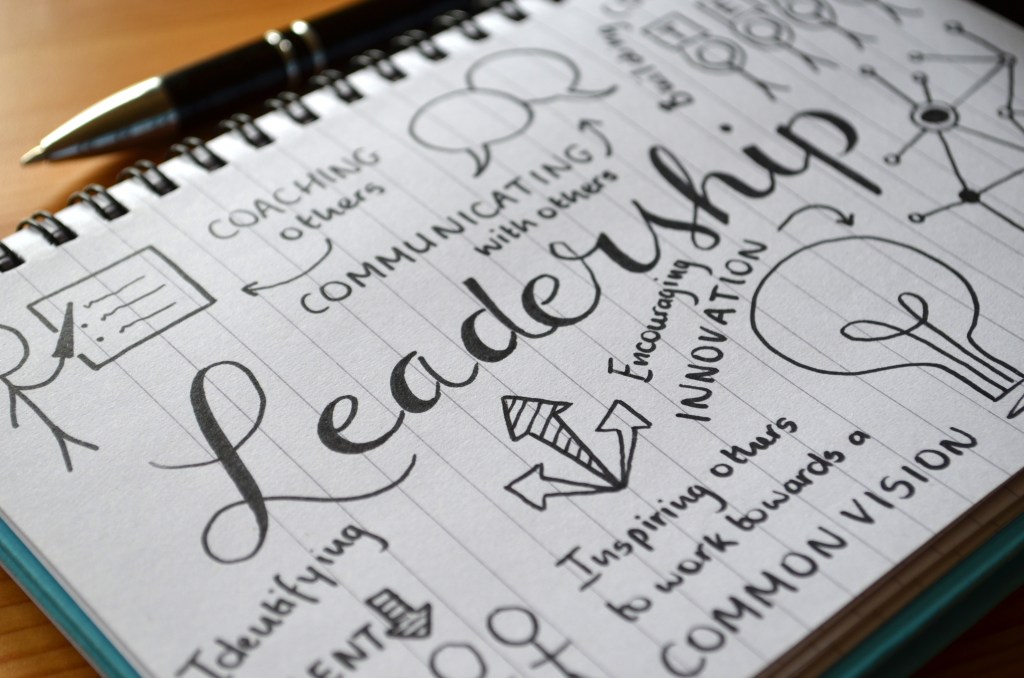
From managing group assignments, all the way to hopefully one day becoming an activist for social justice, the ability to be a leader is an essential set of skills that I need to master. At a workshop called ‘Introduction to Leadership’ with Franked.io’s Tina Wyer, I felt inspired after learning that leaders can indeed be made, as well as born.
Here are my three key takeaways from the workshop for the journey ahead:
‘Being a leader is not something you are, its something you do’
In the first breakout room of the session, we discussed the leaders that we admired, and I was struck by the fact that many of the leaders that were discussed were not world-famous; they were leaders in the community, at the small scale. Not all leaders have to lead world-wide movements to make a positive difference on the world. This made me realise that even without an official position of power, I have both the ability, and the responsibility, to make a positive difference in the world. Even if that difference is on the local level, it matters. Being a leader and global citizen does not mean you need to save the world by yourself, but it does mean that you listen to the needs of others and act, that you hear the suffering of the oppressed and do not turn away – that when you are called to serve your community, you lead.
‘Transformational leadership means being the leader you would follow’
Tina asked us to think about managers and leaders in our lives, and to consider the things we don’t like about them. We can all name a boss or a team leader who lacked empathy, lacked the conviction to get work done, and a host of different failings. I realised that from the experiences I have had as a follower, I already know how to be an effective leader – by being the type of leader that I would follow. One leadership style mentioned that really resonated with me was Transformational Leadership. It is based on a leader who challenges with a vision as well as the passion and determination to see it through. Their belief in the vision is such that it inspires others to follow them. The leader is involved in the process and help their team members to work to the best of their ability based on their individual strengths. They don’t just talk the talk: they are a role model and walk the walk of their dream for a better world.
‘Situational Leadership- there is no one-size-fits-all leadership’
One of the key themes throughout this workshop was that there are different ways to be a leader, but there is no one way that is correct, because it depends on the team, the situation, and the goals of the team. We talked about a case study of a group assignment and it reminded me of the many similar experiences I have had and how I could have used this information for a more successful outcome. As a leader your approach to a situation should vary based on factors like if the team-members are able to or want to do the work. To be successful, it is also important to prioritise relationship-building with the team. A great leader not only adopts a leadership approach based on their demands of the situation, but has the people skills to understand what the needs of the team are in the first place.
I have learned a lot about what it means to be a leader, and I understand that it is not something I will one day become – leadership is something I do day in, day out. Throughout my career, my leadership skills will grow and change based on experience. I am excited to apply what I have learned across my personal, professional, and academic life.
Emily Cathcart Exchange Undergraduate from Ireland
Hello! My name is Maggie Clifton, and I am in my final year studying a Bachelor of Forensic Science majoring in biology. Over the 2023 winter break, I had the fantastic opportunity to travel to England and study at the University of Leeds in their International Summer School (LISS). I attended a 2-week program and enrolled in a module on genetic engineering and genetically modified plants. Here is a little glimpse into my 2-week journey:
University life abroad was surprisingly different to UTS. Classes occurred every day from 9:30am – 12:30pm consisting of lecture content and three laboratory sessions. Lectures involved the social and practical implications of genetic engineering and modification in the agricultural industry to aid in global food insecurity issues. At the same time, the laboratory classes allowed us to explore genetic technologies such as genetic engineering and plant transformation. The module allowed me many opportunities to present my opinions on the highly debated topic of genetically modified organisms while learning new practical skills.
My time at the University of Leeds and in the laboratory
The best thing about my study abroad was all the fantastic people I met along the way. People from all over the globe had assembled in Leeds to undertake one or two of the twenty-four modules available during that time, and everyone was equally excited to meet new people. It was intriguing to engage with young adults from Mexico, the United States of America, Canada, Singapore, Hong Kong, South Korea, and Japan, to name a few, and share our collective experiences of growing up in our home countries. The differences between school/university systems and social and cultural practices were eye-opening.
Excursions with my friends from around the world
To encourage everyone’s social life, LISS organised a vast range of activities and excursions almost every day after classes for us to enjoy. Some social events included: welcome parties, comedy nights, pub runs and games evenings. Adventures to the surrounding Yorkshire regions, such as Knaresborough, Whitby, Harewood House, Harrogate and York, were all highlights of my trip and displayed the UK’s beautiful countryside, architecture, and history.
York, Knaresborough & Harewood House
I enjoyed every minute of my global short program and was so sad to say goodbye to all the fantastic people I met along the way. I encourage anyone considering studying abroad to do it, even if it’s just a 2-week short course as I did. As I keep telling everyone, the people you meet, the lessons you learn, and the experiences you have, are like nothing else, and I wish my bachelor’s degree were a year longer so I could do it all again!
Maggie Clifton Bachelor of Forensic Science Genetic Engineering and Genetically Modified Plants at University of Leeds, United Kingdom Global Short Programs Travel Scholarship recipient
Travelling abroad to Seoul was an incredibly enriching part of my Masters of Architecture Design Studio. My Design Studio was run under the 4th Seoul Biennale of Architecture and Urbanism 2023, Land Architecture, Land Urbanism: City of Mountain Ranges, Waterways, and Wind Breezes— Drawing of Seoul’s Next 100 Years.
Our studio was centered around proposing a new land bridge across the Han River in Seoul. The trip became not only an enriching opportunity to shape our design proposal for the remainder of the semester, however, it also allowed me to greatly expand my understanding and appreciation of architecture as an emerging architectural graduate.
This allowed me to explore the city’s deep history and fascinating architectural design. As a student of architecture, I was eager to learn more about the culture and history of Seoul, and South Korea and experience how that shapes some of the city’s most famous building and design practices.
Throughout the week we visited famous architectural buildings and practices whilst also immersing ourselves in the rich culture and delicious food of Seoul. We visited remarkable buildings and public spaces such as EWHA Women’s University by Jean Nouvel,
Amorepacific by David Chipperfield, Seoullo by MDRVD, Seoul National University Gallery by OMA, and Mimesis by Alvaro Siza. One of the highlights of the trip was a day trip to Heyri Village, which is a fascinating epoch of contemporary architecture.
I was particularly compelled by how the architecture of Seoul balances between a strong recognition of its rich past and history, whilst designing and planning for the future. This was especially highlighted in Won Buddhist Temple by MASS Studies, which shifts between a traditional Buddhist temple, and also becomes a contemporary spatial device that brings together and links the city.
My trip to Seoul provided an initial glimpse into the fascinating ways in which practice shifts in different countries, contexts, and firms. Travel was harnessed as a potential way to develop our projects, propose alternative ways of thinking, and immerse ourselves in the history and styles of architecture. It is a special opportunity that I hope I will be able to have key takeaways that I can bring back into my work as I commence the next stage of my career.
Lily Cannon Master of Architecture Manufactured Landscapes (the landbridge) in the Republic of Korea Global Short Programs Travel Scholarship recipient
I recently had the most incredible and rewarding experience at Aarhus University, Denmark where I undertook an intensive summer semester studying ‘Managing Language in International Organisation’.
The university environment was informal and interactive not too dissimilar to Australia, where you develop close friendships with peers and teachers. All our assignments involved group work, which allowed me to connect and collaborate with students from all over the world and get insight into the disparities in our cultures.
Our daily classes finished at 1 p.m., which was followed by a seasonal, vegetarian buffet lunch provided by Aarhus University, where we would all sit at communal tables and chat. On Thursdays, they also had an ice cream van that would come around and hand out free ice cream, making the uni week much more enjoyable.
Before arriving in Aarhus, my expectations of Danish society were shaped by the idea that it would resemble Australia’s warm and laid-back culture, characterised by strong bonds of friendship and camaraderie. However, while both cultures embrace a sense of community, this ethos manifests in very distinct ways. The most noteworthy contrast lies in the Danish concept of “hygge”, which emphasises creating an atmosphere of cosiness, comfort, and enjoying life’s simple pleasures. I loved getting to know the locals who showed me this way of life by taking me out for weekend picnics and hikes and having great conversations over a glass of natural wine.
Whilst I love Denmark and everything it has to offer, I must admit, I underestimated how high the cost of living is. If you’re looking to do this awesome program, I would recommend putting together a budget to ensure you have enough funds to make the most of your experience.
As the first country to implement environmental law, my experience in Denmark offered me the perfect opportunity to witness and interact with integrated sustainability initiatives. Throughout my time in Aarhus, I rode bikes everywhere I went, shopped only at their amazing vintage clothing stores, and tried their seasonal and sustainable restaurants.
Studying comparative systems of governing society was fascinating… I cannot wait to import the underlying values and political ideas within Danish society into my studies and future professional career. I enjoyed observing how Danish society successfully challenges the nexus of fashion and sustainability by emphasising the circular economy.
Maela Kornhauser Bachelor of Arts in Communication (Public Communication) Bachelor of Law Managing Language in International Organizations at Aarhus University, Denmark Global Short Programs Travel Scholarship recipient
My recent trip to Milan for a university exchange at the Universita Cattolica del Sacro Cuore was very memorable and I really enjoyed the two weeks I spent exploring and learning in a new city
My first time seeing the very impressive Duomo!
I arrived in Milan, my new home for two weeks, after spending the previous two weeks travelling other parts of Europe with some friends. I had very few expectations for the “What makes us Global? Cultural and Political Interconnectedness” course that I was going to participate in, particularly as the descriptions online were quite vague and I was told that I would ‘know more’ during orientation on the first Monday of the two weeks. I was very excited to complete this course in Milan, particularly as it was renowned for its culture, fashion and entrepreneurial innovation. After setting up at my Airbnb and starting the week, I was quite nervous as I had not met anyone at orientation who was enrolled in my course, however I tried to remain open minded and reminded myself that it was good to step out of my comfort zone.
The city of Milan was extremely walkable and had a lot of history and unique architecture like the impressive Duomo, which left me in awe. In the mornings and afternoons before and after class, we had complete freedom to explore Milan. My favourite neighbourhoods included Brera, Isola and Navigli, which all had great food, markets, shopping and nightlife. The fashion in Milan was as good as expected and i loved going to these specific vintage thrift stores throughout the city called “Humana Vintage”. A highlight was our class trip to the Campari Museum. I got a peek into their marketing world in a ‘behind the scenes’ class there and we got to see how they blend tradition and innovation.
Inside the famous ‘Campari Museum’
Meeting people from different backgrounds was unforgettable and my class consisted of 10 American political science students, a Turkish student, and a Mexican student. It was interesting to learn about their countries and culture in class discussions and we bonded outside of class over dinners, Aperitivo’s and lunches.
Exploring the city at night with my classmates
During the two weekends I did small trips to Cinque Terre and Lake Garda. Cinque Terre’s colourful villages on the coast were breathtaking, and Lake Garda’s calm was a welcome break from the city. I also did an afternoon to Lake Como, which was extremely fancy. Food was a highlight too and I tried a lot of different Italian dishes like pizza, bruchetta, pasta and gelato.
The most delicious pesto pasta I’ve ever had!
Weekends away to Cinque Terre and Lake Garda and afternoon trips to Lake Como!
Looking back, navigating the city and transport of Milan and adapting to a new life showed me how resilient I can be. Furthermore, embracing a new language and culture made me more independent and confident in my own abilities to travel in the future. Milan, with its mix of history, innovation, and friendships will always have a special place in my memory. I’ll remember the unique learning experience, the diverse friendships, and the weekend trips that made this experience unforgettable.
Olivia Russell Bachelor of Business, Bachelor of Creative Intelligence and Innovation What Makes Us Global? Macro-trends and Effective Management of Cultural Interconnectedness – Università Cattolica del Sacro Cuore, Italy Global Short Programs Travel Scholarship recipient