UTS Think Global

Dream. Explore. Discover.

Disclaimer: All blog posts are written by students and do not necessarily reflect the views of UTS staff.

  • Upskill Bali Short Course: Sport & Environment

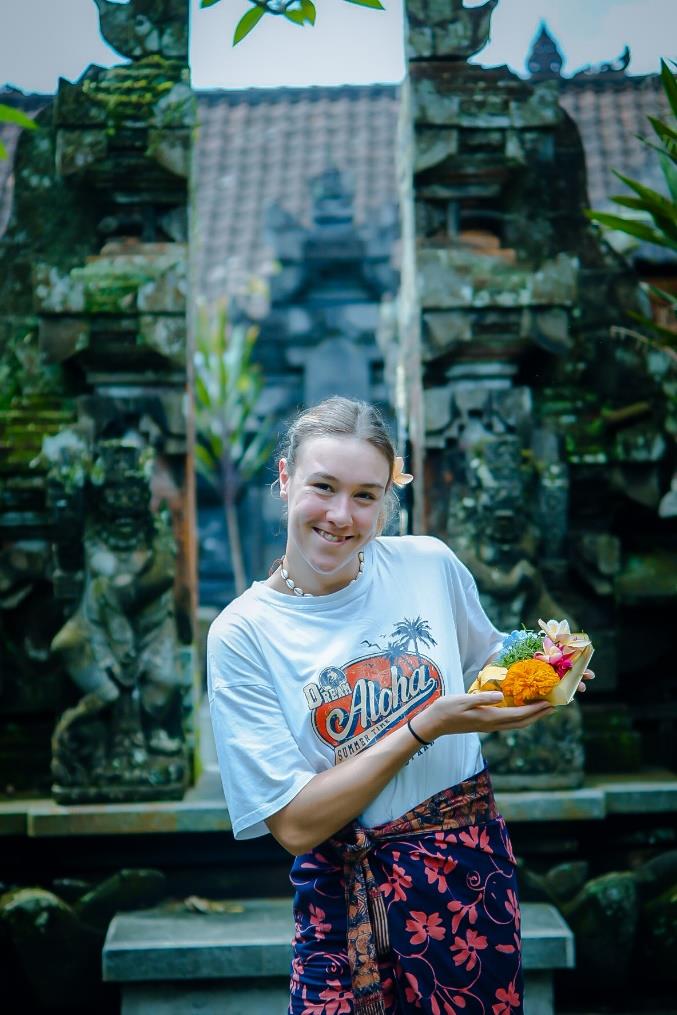
    In July 2024, I had the privilege of participating in the UpSkill Bali Sport and Environment Short Course, a four-week intensive program in Bali, Indonesia. This unique opportunity allowed me to explore the relationship between sports and environmental sustainability while immersing myself in Balinese culture. As a university student aspiring to become a physiotherapist, this experience was invaluable in shaping my understanding of sustainability and the importance of holistic approaches in both health and environmental contexts.

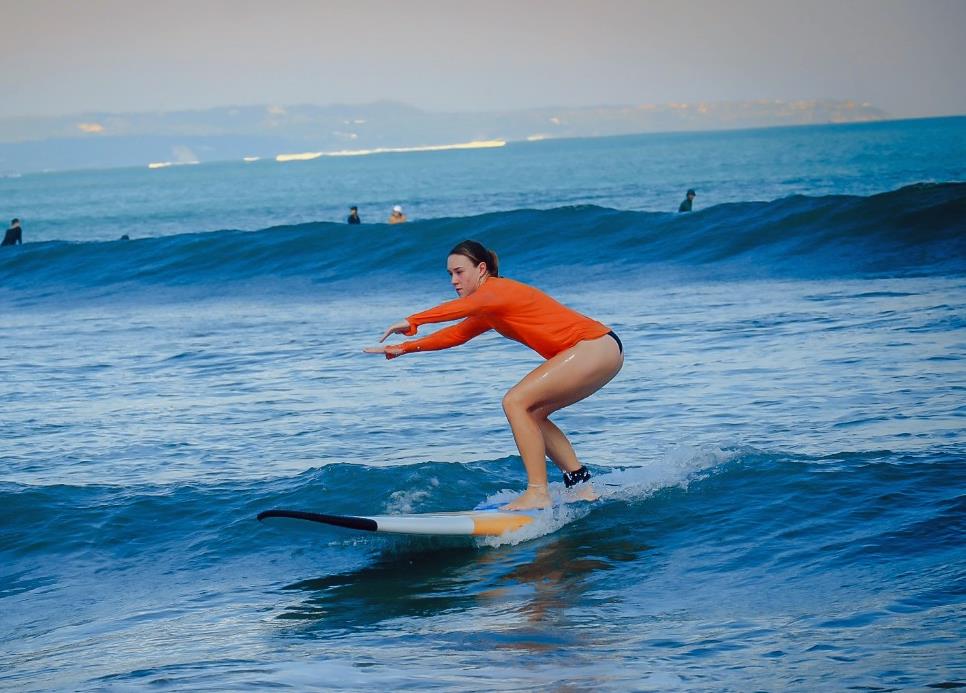
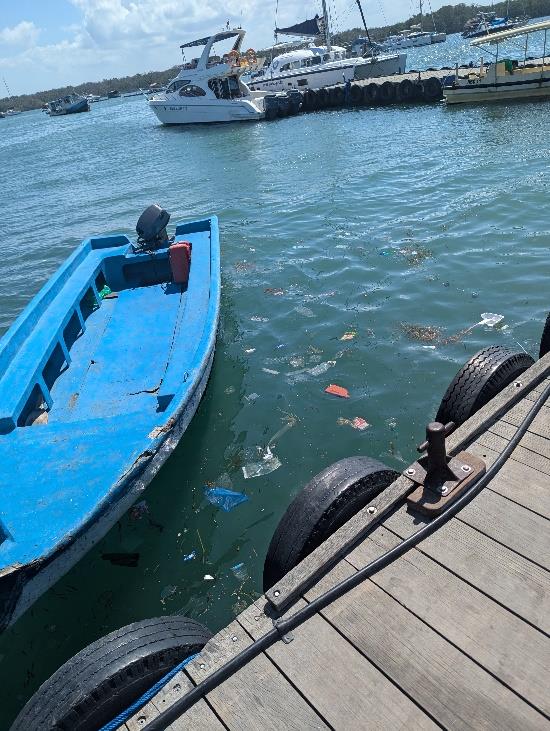
    One of the most impactful moments of the program was my participation in a scuba diving expedition with the Biorock Indonesia team in Pemuteran. This hands-on experience gave me a stark look at the damage caused to coral reefs by pollution, unsustainable tourism, and climate change. I witnessed firsthand the fragility of marine ecosystems, with bleached coral and floating debris underscoring the urgency for environmental action. This experience deepened my understanding of how environmental degradation directly affects human health and well-being, especially in sports like diving, surfing, and snorkelling, which depend on clean, healthy oceans.

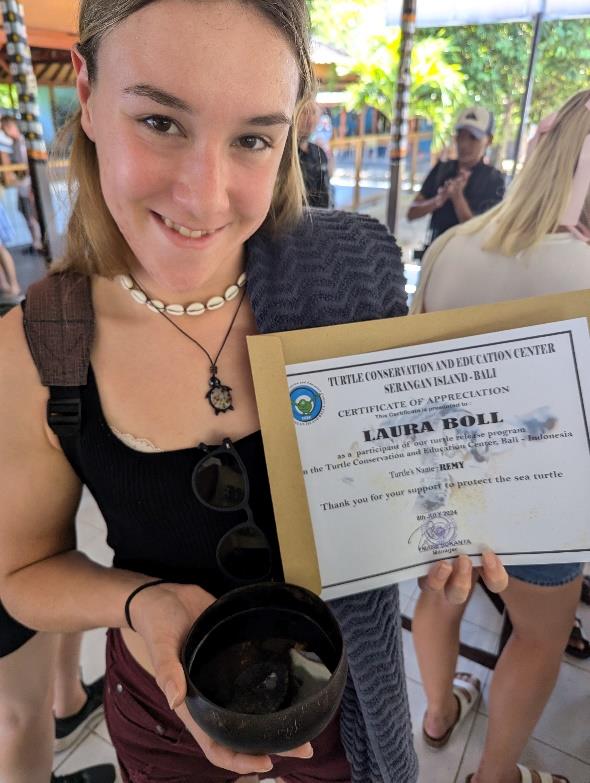
    The program also introduced me to sustainable sports practices through various workshops on coral, mangrove, and turtle conservation. These activities highlighted the importance of integrating environmental stewardship into sports and tourism industries. Learning about coral preservation through innovative techniques like Biorock installations opened my eyes to the possibilities for promoting sustainability in fields beyond environmental science—something that will resonate in my future career as a physiotherapist, where I hope to advocate for holistic, sustainable practices in sports rehabilitation.
    Cultural immersion played an essential role in my learning journey. Engaging with Balinese locals allowed me to appreciate their collective “we” mentality, contrasting with the individualistic approach common in Western cultures. I found that the respect for community, hierarchy, and tradition in Bali aligns well with the values I hold as an aspiring physiotherapist—where patient care often requires collaboration, respect, and understanding. The Balinese philosophy of Tri Hita Karana, which emphasizes harmony between people, nature, and the divine, inspired me to reflect on how balance and mindfulness can enhance health and well-being, both physically and mentally.

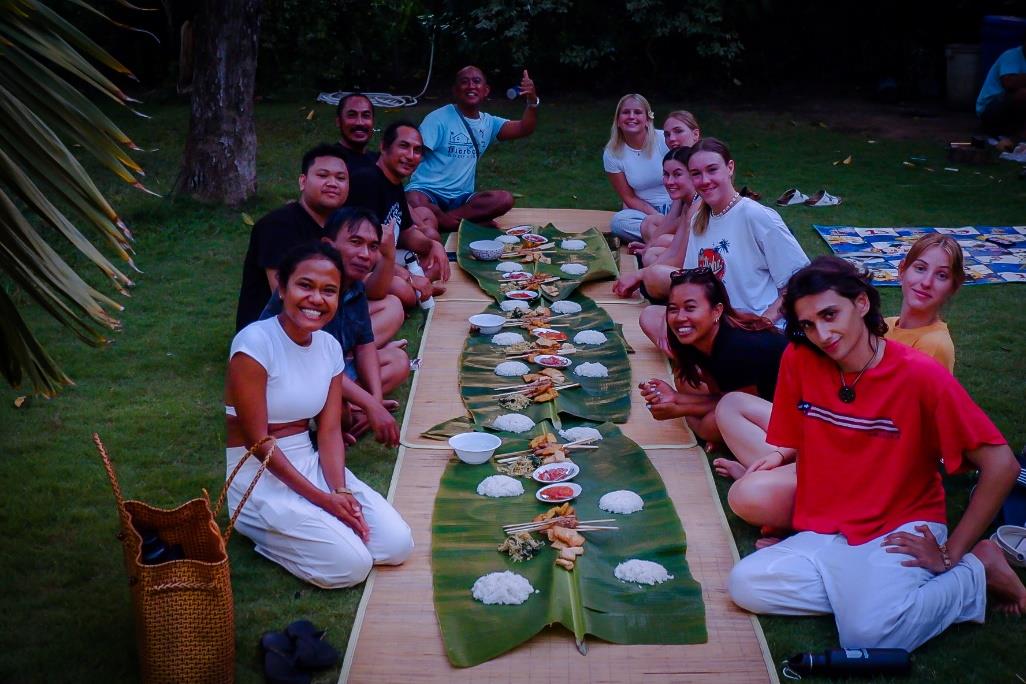
    Surprisingly, I found that many of my initial concerns around navigating cultural differences, such as religious customs or market interactions, were alleviated by simply being open and respectful. I had anticipated difficulty adapting, but asking questions and engaging with the locals fostered a welcoming environment that facilitated learning. This experience further reinforced the importance of communication and cultural sensitivity—skills that are vital for patient interaction in physiotherapy, especially in diverse communities.

    Overall, the UpSkill Bali Short Course was a transformative experience that expanded my understanding of sustainability, cultural awareness, and adaptability. It not only enhanced my professional development but also inspired me to apply these lessons to my future workplaces in healthcare, where I can contribute to promoting well-being in both individuals and the environment.

    Laura Boll
    Bachelor of Sport and Exercise Management

    Universitas Udayana, Indonesia
    New Colombo Plan Mobility Grant

    For more information about the UTS Global Short Program visit: www.uts.edu.au/thinkglobal

  • Exploring Sustainability through My Global Short Program: A Journey of Learning and Connection

    Earlier this year, I had the incredible opportunity to participate in a Global Short Program, an experience that deepened my passion for sustainability and offered me insights into working within an international, values-driven environment. My internship took place at The Orangutan Information Centre, working closely with their subsidiary the Bukit Mas Permaculture Centre (BPC), located in the heart of Indonesia. BPC is focused on sustainable tourism and environmental conservation, making it the perfect place for me to align my academic interests with real-world challenges.

    One of the highlights of the program was the meaningful connections I made with both work colleagues and fellow interns. Working alongside individuals who were just as passionate about sustainability as I was not only motivating but also incredibly inspiring. These relationships made the learning process much richer and helped me understand how sustainability efforts differ across cultures. I particularly enjoyed the collaborative environment where we shared ideas, developed strategies, and worked towards common goals in the realm of sustainable tourism.

    Another key aspect of my experience was being immersed in the local culture. It wasn’t just about working in the office; it was about understanding the bigger picture—how sustainability impacts the local community, the environment, and even tourism. Through fieldwork, I gained practical insights into how conservation projects are managed on the ground, and how communities can be empowered to take part in sustainable practices. I also had the opportunity to learn a few phrases in the local language, which enhanced my interaction with the team and locals, further enriching the overall experience.

    What I found particularly valuable was witnessing firsthand how sustainability efforts are implemented in a developing country. The emphasis on balancing environmental preservation with economic growth made me realise the complexity of such initiatives. I saw the critical role that businesses, NGOs, and local governments play in creating long-term sustainable solutions that benefit not only the environment but also the community who rely on it for their livelihoods.

    In summary, my Global Short Program taught me how to apply my passion for sustainability in a practical context. It also expanded my understanding of global environmental challenges and inspired me to continue exploring sustainability both locally and internationally. This experience reaffirmed my commitment to creating a positive environmental impact, and I look forward to applying the lessons I’ve learned in future projects.

    Abby Gray
    Bachelor of Business Bachelor of Sustainability and Environment

    Environmental Internship – International Internships
    New Colombo Plan Mobility Grant

    For more information about the UTS Global Short Program visit: www.uts.edu.au/thinkglobal

  • Aarhus School of Architecture, Denmark

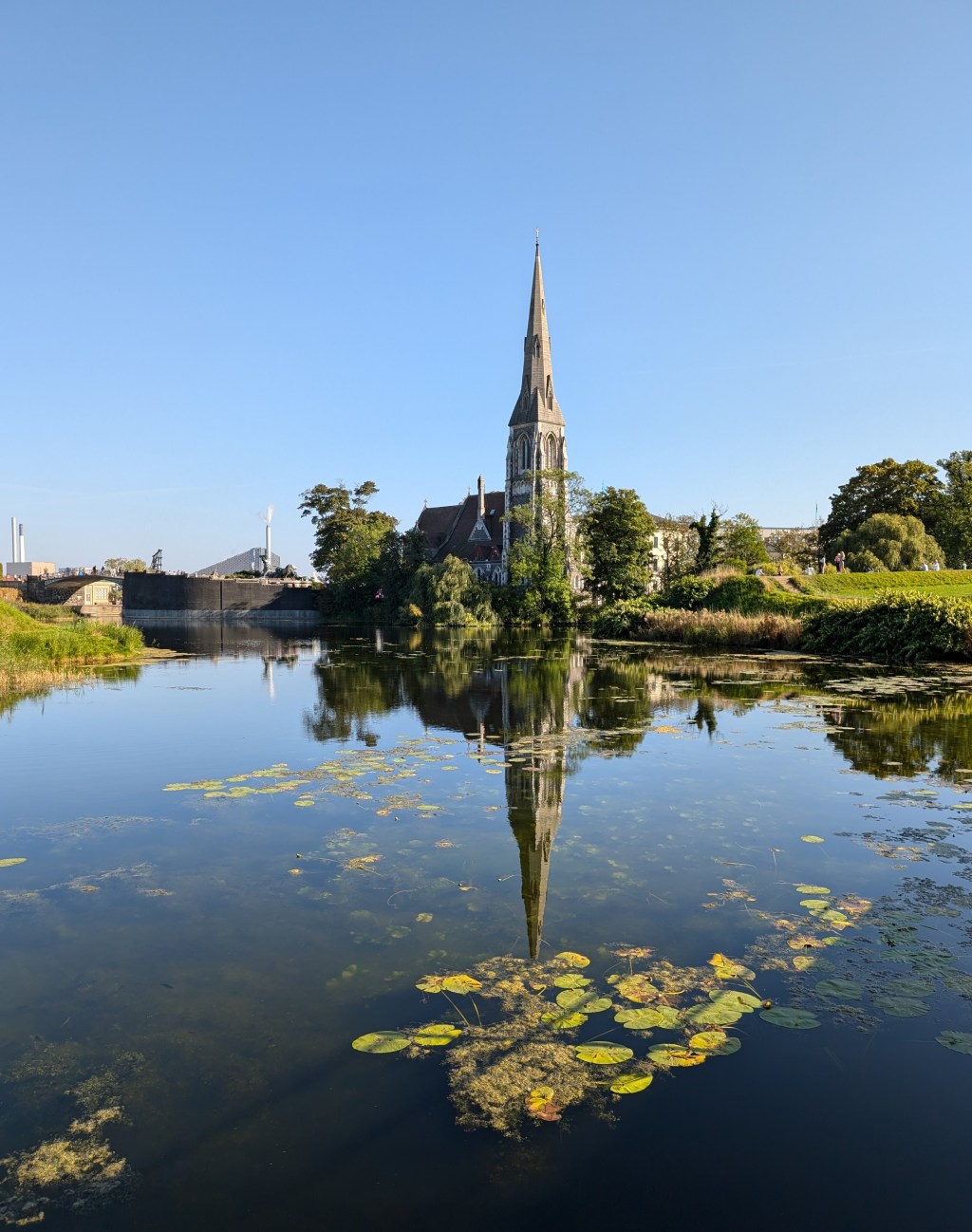
    This summer I commenced a semester abroad at the Aarhus School of Architecture in Denmark. Unlike UTS, the school solely focuses on the discipline of architecture, resulting in an educational environment that intensely revolves around all things design and creativity. The school operates in a similar manner to a 9-5 workday with the expectation that all students are on campus for the 8 hour period and slowly work through their assigned work in a self-directed manner with lectures and workshops interspersed throughout the week. This has created a really strong and interconnected community amongst both the exchange students and the full-time students as there is always somebody around to talk to and work with. Each day there is a designated lunch hour where everyone stops work to eat together and break up their workday. It’s started to get warmer and sunnier so we often sit outside and have a picnic lunch to enjoy the weather 🌷⛅️

    Each unit in the bachelors course operates around different projects, student housing, a rural research centre, a library, community housing, just to name a few. The school is actually changing how they structure the classes for the next school year as they are finding there is too much disparity between the classes and their associated knowledge so I assume the new curriculum will be similar in structure to Studio 4 for the upcoming semesters.

    So far the workload has been less in comparison to home so there has been lots of time to explore the city and make really good friendships. The type of work is also very similar. We have complete creative control over our work with a large emphasis on abstract and conceptual thinking with minimal technical expectations. Some units work individually with 3-5 day workshops in groups and other units work completely in groups. Unfortunately we didn’t get to choose which unit we wanted to do and we’re randomly assigned. I was lucky enough to go on a field trip to Larvik in Norway whilst others got to go to Copenhagen and Malmö, in Sweden, to further their studies.

    It has to be one of my favourite things about studying here. The school really uses all of its resources and knowledge to educate the students in situ, rather than just choosing a convenient site near the college campus. We have also have had several talks from firms like 3XN GXN, C. F. Møller & Link Arkitektur explaining their processes and ethos, which has been really interesting and provided us with lots of connections within the field which coincidently also have practices in Australia. Outside of uni we spend lots of time riding our bikes around the city, going to Friday Bars, thrift shopping, winter bathing and travelling. I’ve managed weekend trips to Norway, Sweden and Germany and other friends have done London and Paris too ✈️🚆🚌

    Alexandra Reed
    Bachelor of Design in Architecture / Master of Architecture
    Aarhus Arkitektskolen, Denmark
    Global Exchange Scholarship

    For more information about the UTS Global Exchange program please visit: www.uts.edu.au/thinkglobal

  • Universitat Autónoma de Barcelona, Italy

    Attending a three-week summer school at Universitat Autònoma de Barcelona was one of the best experiences I’ve had as a student. From day one, I was immersed in the lively culture of the city and met students from all over the world. I arrived just in time to watch Spain’s Euro Cup final victory over England on the big screens in Plaça de Catalunya. The atmosphere was electric, with people climbing on bus stops and statues to get a better view and flares going off in the crowd, whilst the police watched on calmly. Despite the high energy, the crowd was surprisingly well-behaved, and I felt very safe. I remember walking quite some distance across the city at the end of the night and seeing cars with Spanish flags beeping all the way down the street, which added to the thrill of celebrating such a major event in the heart of Barcelona.

    The crowd goes wild at Placa de Catalunya

    In my Animal Law class, I made friends with law students from China, Macau, the US, and Switzerland, and they became my companions for exploring the city. I wanted to experience more than just the tourist highlights, so I joined two run clubs and went bouldering at three different climbing gyms. Running through Barcelona’s diverse neighbourhoods was a fantastic way to see the city. I’d highly recommend these kinds of ‘ordinary’ activities for anyone on exchange; they gave me a real insight into what it’s like to live in Barcelona, not just visit, and it’s much easier to connect with locals.

    Another highlight was a paella and sangria cooking class, which also took us through the city’s historic markets filled with incredible local produce. It was a hands-on way to learn about the region’s food culture, and the paella we made was delicious! I also attended Barcelona’s Pride parade and concert, where I saw Jessie J and some amazing Spanish artists perform. The celebration was so much fun and a perfect way to experience the city’s inclusive spirit.

    Learning the art of making the perfect seafood paella

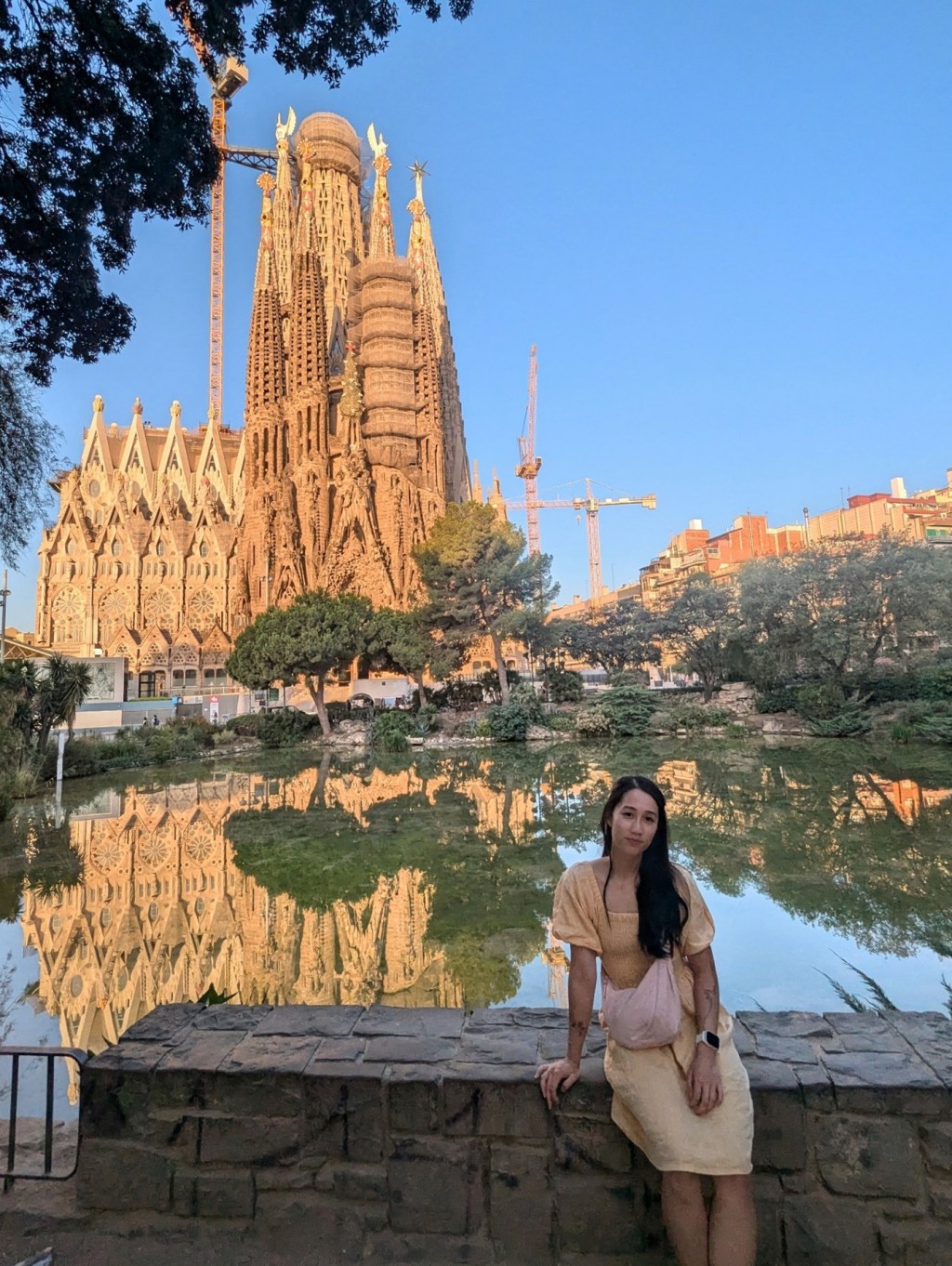
    Barcelona is an incredibly walkable city, with something beautiful or interesting around every corner. People take their children and dogs out for walks late into the night and you often see people spending quality time with their friends and loved ones My favourite moments were seeing the Basilica de Sagrada Familia at sunrise, where the early light on the intricate architecture was breathtaking, and Plaça d’Espanya at sunset, which was an equally stunning view of the whole city.

    One funny moment I experienced was going to the beach with my new friends, and having very mild culture shock after I started slathering on sunscreen and taking off my outer layers to get into the water – it was then that I found out that, for the locals, “going to the beach” was more akin to going for drinks at the pub, rather than to do any swimming.

    Adapting to a different language and culture and meeting people from around the world was challenging yet extremely enriching and rewarding. My one regret is not learning more Spanish beforehand, although almost everyone I encountered spoke English. Barcelona is a beautiful city with an enviable lifestyle, and I felt so fortunate to experience it just a glimpse of it. I will definitely be back for more!

    Lily Nguyen
    Juris Doctor

    Universitat Autónoma de Barcelona, Italy
    Global Short Programs Travel Scholarship

    For more information about the UTS Global Short Program visit: www.uts.edu.au/thinkglobal

  • “a taste of a tertiary experience different to my own”

    During the winter of 2024, I attended a Global Short Program at the University of Leeds in the UK for 2 weeks to study bacterial genomics and the increasing impact of antibiotic resistance. As a third-year student in the last year of my undergraduate degree for a Bachelor of Forensic Science, I chose to undertake an exchange in order to get the most out of my tertiary experience. As someone who had done very little international travel, the University of Leeds was perfect as it was in many ways similar to life back home in regards to language and way of life. This was a comfort heading into the exchange alone however I soon connected with individuals from all over the world, whether that be on the bus from the airport, the numerous activities and social gatherings arranged by the program each day, or simply in class.

    The short exchange program at the University of Leeds was organised incredibly well, with there usually being little time when there wasn’t activities to attend. It created an environment for socialisation and promoted sharing of stories and future travel plans. A highlight of the trip for me was the daytrip on the first weekend to York. Leaving early, buses were organised to take us to the town where we were given the freedom to explore the city and all the quaint historic sights it had to offer. From high tea at Betty’s to pictures with the gorgeous York Minster, it was the best day, that led me to return a week later after my exchange had ended.

    Overall, despite the brevity of the exchange, it was a taste of a tertiary experience different to my own. Putting the academic experiences aside, the trip upon reflection now, woke me up to a few important lessons.

    Following the first week of classes I woke up on the weekend, and finding that my new friends weren’t available, I went for a walk. Through a park and along a main road I walked and took in a part of the city I hadn’t yet seen. Despite being alone I was content to just feel comfortable with only my own company. This coincided with the newfound feeling of independence, in that I was half-way across the world from my life and I could decide how I wanted to spend my afternoons. Often this was spending time with the new friends I had made, but it also affirmed that despite the opportunities available there was no guilt in taking a night off or spending an afternoon to rest.

    Overall, undertaking an exchange enriched my UTS experience and gave me the opportunity to connect with individuals from all over the world, and further develop my sense of self in a different environment. Though the program was only for 2 weeks for me, the short program also gave me the opportunity of further travel, where I spent the following 3 weeks travelling the UK and Ireland. I will always be grateful for the opportunity and experience of the exchange and how it has altered me for the better.

    Jade Alexander
    Bachelor of Forensic Science

    University of Leeds, United Kingdom
    Global Short Programs Travel Scholarship

    For more information about the UTS Global Short Program visit: www.uts.edu.au/thinkglobal

  • Global Exchange in Beijing Institute of Technology, China

    The past 2 months have really flown by with juggling my studies to visiting tea/spa houses (one such tea house pictured below), travelling to different cities, finding new cafes and tasting the specialties of each region. Everything still feels fresh – the convenience stores around every corner, the huge malls, the dorm lifestyle, the cityscape, the weather, the people, and it’s quite evident Beijing is home to many historical sites.

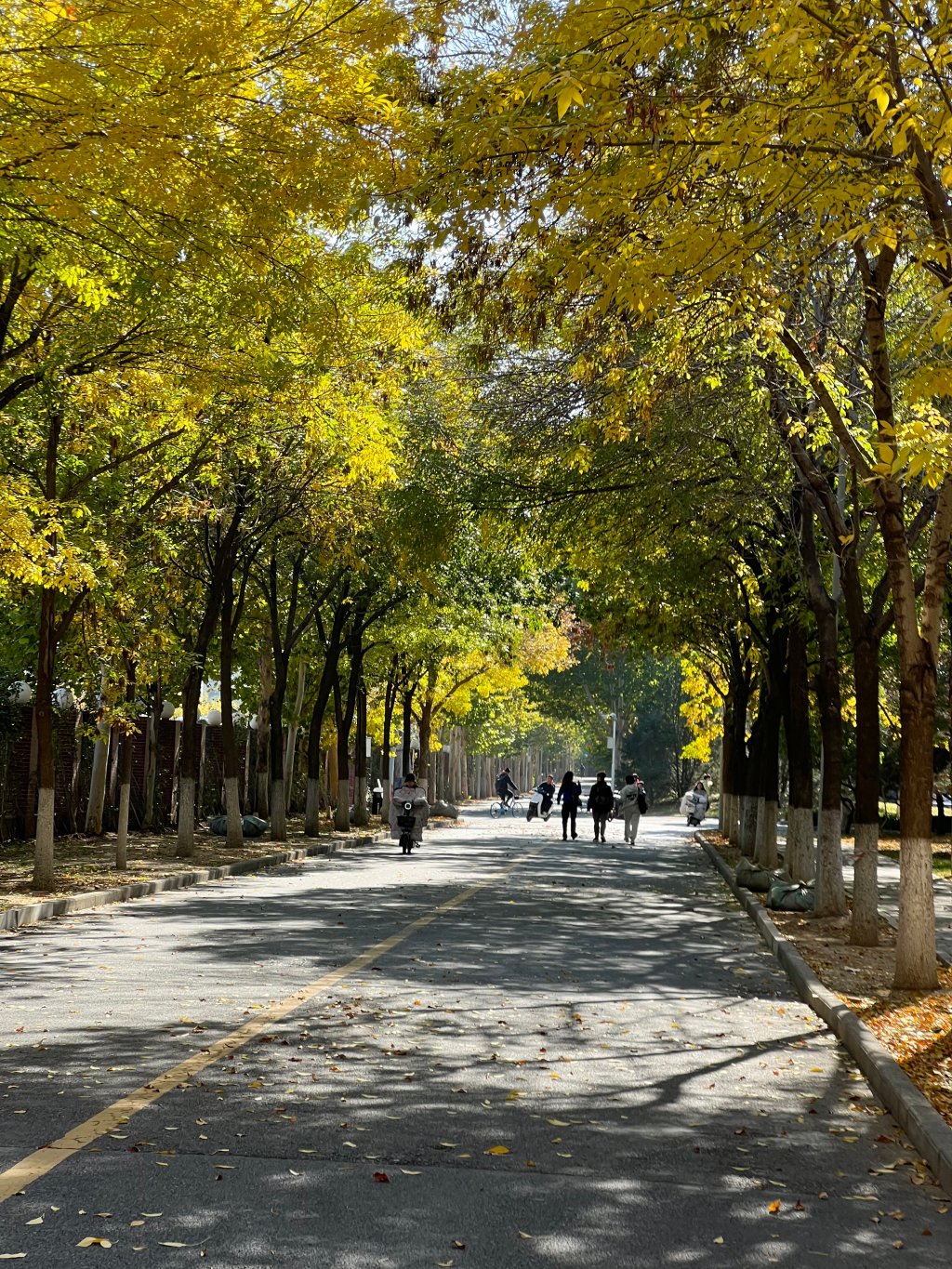
    Before arriving in Beijing, I’d heard that their Summer is sweltering with consistent ~35-degree heat, where their Winter is freezing and goes into the negatives. Honestly, arriving here during their Autumn season was perfect. I got to feel the heat for the first 2 weeks and then the lovely fall breeze, and later I’ll experience however cold it will get. Be prepared for all seasons. Currently, it’s the start of November and all the trees are turning a warm yellow as pictured below of our campus trees.

    I study a Bachelor of Accounting and used my free electives to go on a semester of exchange to Beijing, China. Over here, I chose to study the Chinese Language Program offered by BIT which varies in difficulty depending on your level. They do a placement test in the first week to properly assess you. We have lessons five days of the week (Mon-Fri), essentially two UTS tutorials a day, and after class you’re free to do whatever. I really wanted to improve my Chinese, so I’ve been enjoying this course – as an L3 student personally I really like my teachers, they teach in a logical way and the content is useful. Regarding other courses, i.e. computer science, engineering, etc, I believe their schedule is different and you can choose which lesson times you want from the availabilities, with subjects lasting differing amount of weeks depending on content.

    BIT has two campuses, one in Haidian close to city centre and one in Liangxiang which is an hour and a half by metro to the city. For this semester, students studying Chinese Language have been placed on the Liangxiang campus to study. It’s a really pretty campus, has a few canteens and has many courts catering to all types of sport. You can even ride a bike around campus because it’s so big – one of my favourite parts of campus life. I also participated in their culture festival and sports day which was cool.

    I’m lucky to be rooming with three wonderful girls, in a student dorm that’s close to campus and I’ve experienced and learnt so much with and from them. The canteen food is pretty good and soo cheap!! (as is most things compared to Australia) You can usually get a meal between 10-25 RMB. Although, as a vegetarian, the first few weeks were a struggle especially being relatively far out from the city and having a language barrier. Hot pot and Meituan egg fried has become my comfort meals when in doubt.

    If I could give my past self some advice, it would be to appreciate the days where smog is sparse, and the sky is a clear blue; to travel into the city centre more after classes; to plan in advance some weekend trips but to not stress out about it, and to use xiaohongshu to find places of interest. Also, it makes life a lot easier when you open a bank account in China so you’re able to pay people back and get better discounts. Although we’re now able to link a visa travel card with Alipay and WeChat, there’s currently still no way to transfer money or send red pockets to people with an international card. And as a final tip, be prepared to buy an air purifier especially if you’re sensitive to air quality.

    Wishing all future exchange students the best of luck!!

    Yopi Yong Ping Wang
    Bachelor of Accounting
    Beijing Institute of Technology, China
    New Colombo Plan Mobility Grant recipient

    For more information about the UTS Global Exchange program please visit: www.uts.edu.au/thinkglobal

  • A perfect blend of academic life and laid-back coastal culture

    Studying abroad at San Diego State University (SDSU) has been a unique experience for me, especially when it comes to academics. I’m currently enrolled in four subjects spanning Communications (COM103), Sociology (SOC101), Exercise science (ENS330) and Economics (ECON 406). These subjects are not direct equivalents to what I’d typically study at UTS, but I deliberately chose a mix of electives to learn some new things and enjoy myself. The facilities here at SDSU are great. There’s a large recreation centre with a gym and basketball courts, and the campus is massive, with plenty of green space, a library and plenty of cafes and food places. My classes are fairly like UTS, with most classes having a large lecture and a small section (essentially a tutorial). One thing you’ll likely enjoy is that the classes are more social, as is pretty much anything here at college in the USA. The orientation and check in was quick and easy and gave us an opportunity to meet other international students, and the admin staff that help us out on exchange.

    Living as a college student in San Diego offers a perfect blend of academic life and laid-back coastal culture. With year-round sunny weather, you can balance your studies with outdoor activities like surfing, hiking, or just relaxing on the beach. Being so close to Mexico, there’s great Mexican food everywhere, and the college area has a great vibe. I’m currently living off campus in an apartment complex which has a lot of other students in it. There’s lots of different off campus buildings for students, as its rare to get accommodation on campus. Living in the USA is somewhat similar to Australia, so don’t come expecting a huge culture shock, but the uni life is different to back home, as most people live on campus, so the college campus is where everything happens.

    Some tips I would give for incoming USA exchange students is to:

    1. Budget: I’ve found that a lot of things are 1.5x more expensive than in Australia, if something in Sydney is $5, its $5 in San Diego, but one USD ≈ 1.5 AUD, so budget carefully!
    2. Do as much as you can: Try to get involved with anything you can and make as many plans as possible. Don’t waste any time and experience as much as you can.
    3. Travel: While its great to experience as much as you can on campus, take being in another country to your advantage and plan some trips around the US!

    Good luck with your applications!

    Josh Finkel
    Bachelor of Business Bachelor of Creative Intelligence and Innovation
    San Diego State University (SDSU), United States
    Global Exchange Scholarship

    For more information about the UTS Global Exchange program please visit: www.uts.edu.au/thinkglobal

  • Lund University, Sweden – Global Exchange

    Hej!

    As of writing this, autumn has fully set in here in Sweden. The days are getting shorter, trees are glowing with vibrant shades of orange, and the warmth of a sauna is increasingly tempting.

    I’m now halfway through my exchange and have completed two subjects. The teaching style here feels quite similar to Sydney, but with more emphasis on student-led discussions and peer feedback. However, a notable difference would be in the exam formats, as I am yet to have a traditional sit-down paper. Instead, assessments have mostly included class presentations, take-home assignments, as well as a one-on-one oral exam. Although the Swedish system of focusing on less subjects for a shorter duration might seem more intense, I haven’t once felt overwhelmed by the workload.   

    Since arriving in Lund, I’ve had the opportunity to participate in a wide range of activities. From hikes and club nights during the orientation weeks, to recently attending a mushroom foraging event. Whether you want to cycle to the beach for the day, go to parties, or just stroll through the picturesque streets, there is something for everyone in Lund.

    As for making friends, I had a bit of a slow start. Thankfully, even after the orientation weeks it’s still very easy to meet people, assuming you say yes to everything. I eventually found a WhatsApp group for people interested in bouldering which has been a great way to meet others, even for non-climbing activities. Another great way to meet people, and build valuable skills, is to be active in a nation.

    As many blogs have already pointed out, housing being competitive is an understatement. I wasn’t able to secure any form of student housing and only found accommodation the day before I arrived with a local family in Lund. Initially, this was quite disappointing as I’d been looking forward to the corridor room experience for a while. However, looking back, I’m very happy with my situation as I have my own bathroom and kitchen, which is perfect as I love to cook. Beyond the space though, this has allowed me to live in a quiet, scenic part of Lund that I wouldn’t have otherwise seen. Therefore, my advice for finding housing would just be to keep an open mind as every option has its pros and cons, even if this means looking outside of Lund.

    For some general tips, I recommend getting a bike as soon as possible, be prepared for the wind, and don’t fear going to events by yourself. And if you’re worried about the cost of Sweden, shopping at Lidl, learning to cook, and eating vegetarian are great ways to save money.

    I found reading these blogs to be the most helpful resource when narrowing down my selection, so hopefully I’ve been able to demystify this exciting and daunting adventure. Feel free to contact me if you have any questions!

    Dylan Kelly
    Bachelor of Business
    Lund University, Sweden
    Global Exchange Scholarship

    For more information about the UTS Global Exchange program please visit: www.uts.edu.au/thinkglobal

  • Discovering Culture and Connection in New Zealand: My Faculty-Led Global Short Program Experience

    Participating in the Faculty-led Global Short Program to New Zealand was an eye-opening and unforgettable journey, filled with moments of cultural discovery, personal growth, and meaningful connections. Over the course of the program, I had the opportunity to immerse myself in the rich and vibrant Māori culture, explore the breathtaking landscapes of Aotearoa, and collaborate with a diverse group of students.

    The trip began in Wellington, where we visited the Te Papa Museum. The museum was incredible, blending Māori and wider New Zealand cultures to showcase the country’s rich history. Having a Māori tour guide added depth to the experience, offering unique insights into the cultural artifacts and stories. This visit significantly enriched my understanding of Māori heritage.

    One of the standout highlights of the trip was learning directly from local students and Māori community members at both the University of Waikato and Auckland University of Technology. Their generosity in sharing their stories, traditions, and knowledge made the cultural immersion experience truly special. From participating in workshops that taught traditional crafts to witnessing performances, I gained a much deeper understanding of Māori values. It was inspiring to see how their traditions continue to thrive and adapt in modern times, reinforcing the importance of preserving one’s heritage.

    The most memorable moment of the trip was experiencing a formal Māori cultural welcome at the University of Waikato in Hamilton known as a ‘Powhiri’. Walking into the Marae, a main structure where important cultural talks and meetings take place, was both beautiful and emotional. Sitting in the Marae and listening to the University’s chancellor introduce himself, express his appreciation for our presence, and explain spiritual aspects of the culture in te reo Māori was like no other experience I have had. I felt extremely immersed and interested in the Māori culture, whilst also experiencing emotions relating to my own Aboriginal heritage. It was such an honourable experience that I will be forever grateful for. 

    The natural beauty of New Zealand was another unforgettable aspect of the trip. Exploring the stunning landscapes was awe-inspiring and provided a clear understanding of how closely connected the Māori culture is to the natural world. Each location we visited had a story tied to it, reminding me that the land is not just a resource but a part of cultural identity. This connection resonated with me deeply due to my own Aboriginal heritage and made me feel quite emotional.

    Another valuable part of the program was collaborating with students from diverse backgrounds. These interactions created opportunities for meaningful discussions and unique perspectives. Whether we were working together during cultural activities or simply sharing stories over meals, the friendships formed added a special dimension to the experience. It was a reminder of how much we can learn from one another when we approach different viewpoints with an open mind. I also got closer with the other Indigenous students who participated in the program, and these relationships will be with me forever.

    In the end, this program taught me the value of cultural understanding, the importance of collaboration, and the profound relationship between people and their environment. It was a journey of discovery that not only enriched my knowledge but also sparked a sense of responsibility to continue learning and connecting with cultures, both near and far. I am immensely grateful for this experience and the lessons it brought, and I will carry these memories with me as I continue to grow both personally and professionally.

    Alana Brennan
    Bachelor of Laws Bachelor of International Studies (Honours)

    Auckland University of Technology, New Zealand
    Global Short Programs Travel Scholarship

    For more information about the UTS Global Short Program visit: www.uts.edu.au/thinkglobal

  • Humanitarian Design Summit Timor-Leste

    Participating in the Global Short Program in Timor-Leste was a transformative experience that has left a lasting impact on me. This program offered a unique opportunity to immerse myself in a new culture, learn about humanitarian design, and develop valuable skills.

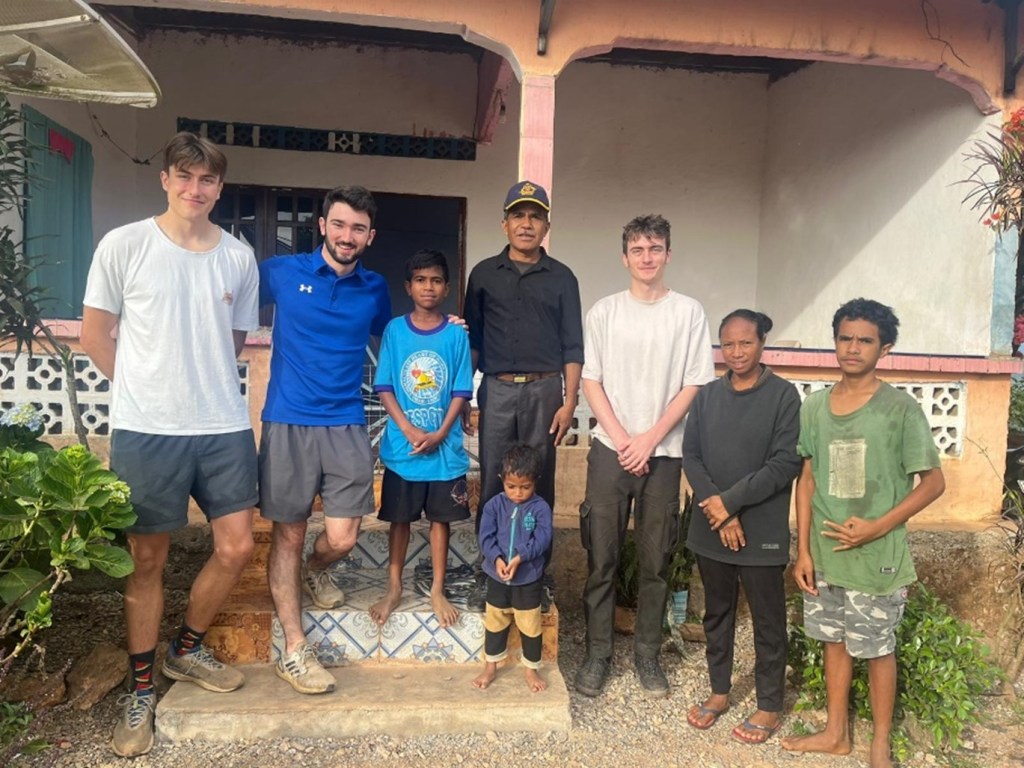
    Meeting and engaging with the local community in Timor-Leste was one of the most enriching aspects of the program. The genuine warmth and hospitality of the people allowed me to form meaningful connections. I had the opportunity to participate in a homestay and share meals with my host family and learn about traditional customs, practices, and their daily lives. I had a language lesson on the initial days of the design summit; however, I could not speak much or understand the language. Although it did not seem to matter, and they would laugh when we would try to say words and phrases. I learnt that there is a lot to be said without words. We were also lucky that some members of the family spoke a bit of English which helped a lot.

    After meeting them I made a conscious effort to study and learn basic phrases in Tetun and managed to pick up some basic conversation. You could tell when speaking to people in their own language they were surprised and happy. The experience taught me the importance of patience, empathy, and creativity in communication. These skills are invaluable, especially in a multicultural environment.

    Through this program, I gained profound insights into the life and culture of Timor-Leste. I learned about the country’s struggle for independence, its ongoing development challenges, and the resilience of its people. These experiences have broadened my perspective and deepened my understanding of the country as a whole.

    The program has equipped me with essential skills and knowledge that I am eager to apply in my future endeavors. It has also sparked a keen interest in pursuing further opportunities within Timor-Leste. I now feel confident in my ability to live and work in a multicultural environment.

    My journey to Timor-Leste was more than just an educational trip, it was a life-changing experience. I met so many amazing people and made some great friends. I am grateful that I was able to be a part of this incredible opportunity. By immersing myself in the culture, engaging with the community, and learning about humanitarian design, I have gained valuable insights and experiences that will stay with me forever. If you have the chance to participate in a similar program, I highly encourage you to take it. It is certainly an adventure.

    Jacob Ayres
    Bachelor of Engineering (Honours) Diploma in Professional Engineering Practice

    Engineers Without Borders (Timor-Leste)
    New Colombo Plan Mobility Grant

    For more information about the UTS Global Short Program visit: www.uts.edu.au/thinkglobal