I have now been living in Bern for six weeks, and have experienced all the ups and downs of an exchange student – I think. Downs: It’s cold, I don’t speak the language and I miss my friends and my family. Ups: the city is truly magnificent (it has been voted the most instagrammable city in the world), I am constantly making new friends from all over the world and Europe is right at my fingertips. Ups (cnt’d): I live in Switzerland!!! The centre of Europe and have had some beyond amazing trips in the short time I have been here. I will admit the first two weeks were a total blur of jetlag, getting lost and being a bit lonely and homesick. But I quickly found my feet and now feel totally comfortable here.
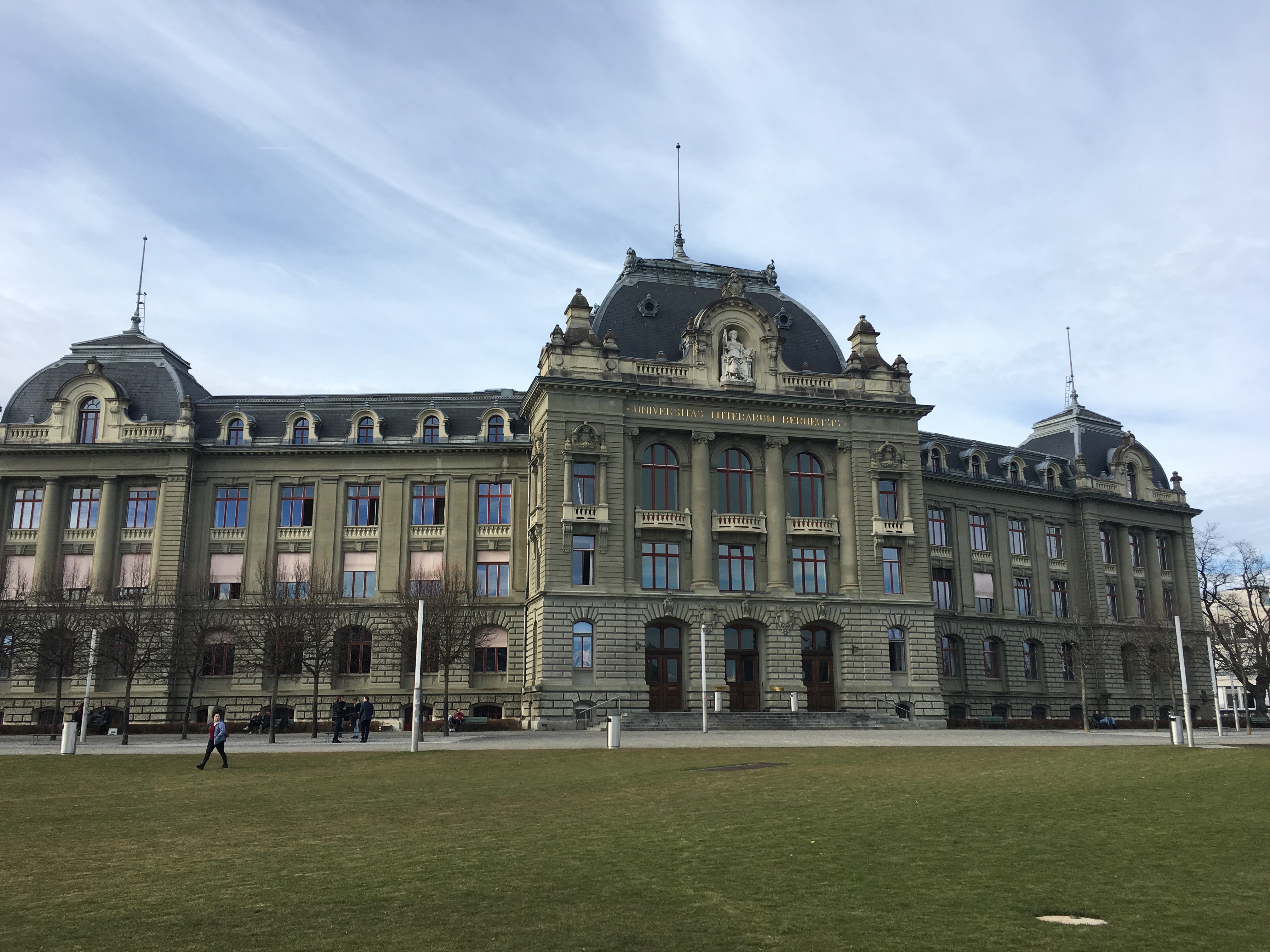
The University of Bern is seriously amazing. All my subjects are taught in English, they are super interesting and I am learning things that I had never even thought about before, particularly about law and trade in the European Union. Bern itself is quite small, only 130,000 people live here but it is a World Heritage UNESCO site and it definitely deserves that honour – it is beautiful. I live in student accommodation, which is great because there is always something going on and other exchange students around who are in the same boat as me – here to make some amazing friends, have amazing experiences and do a little study in between.
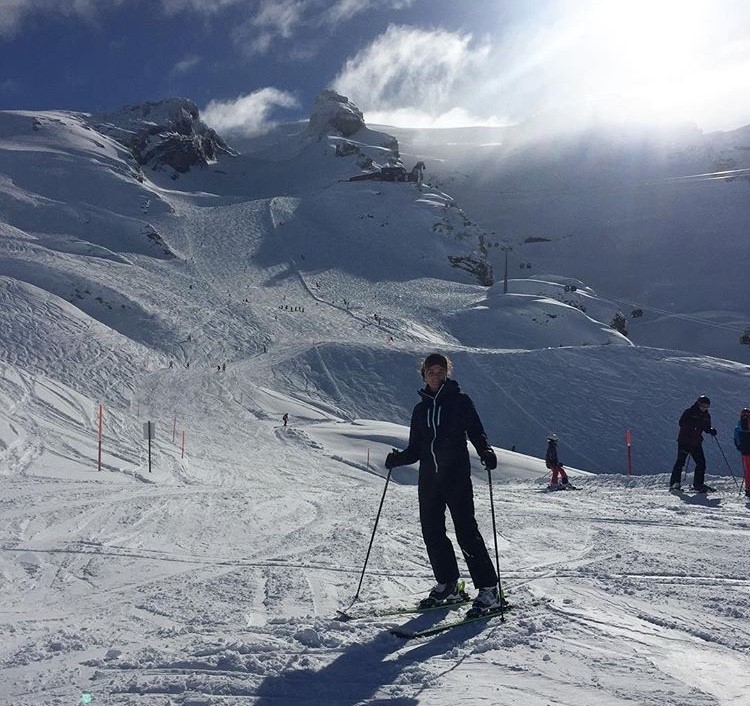
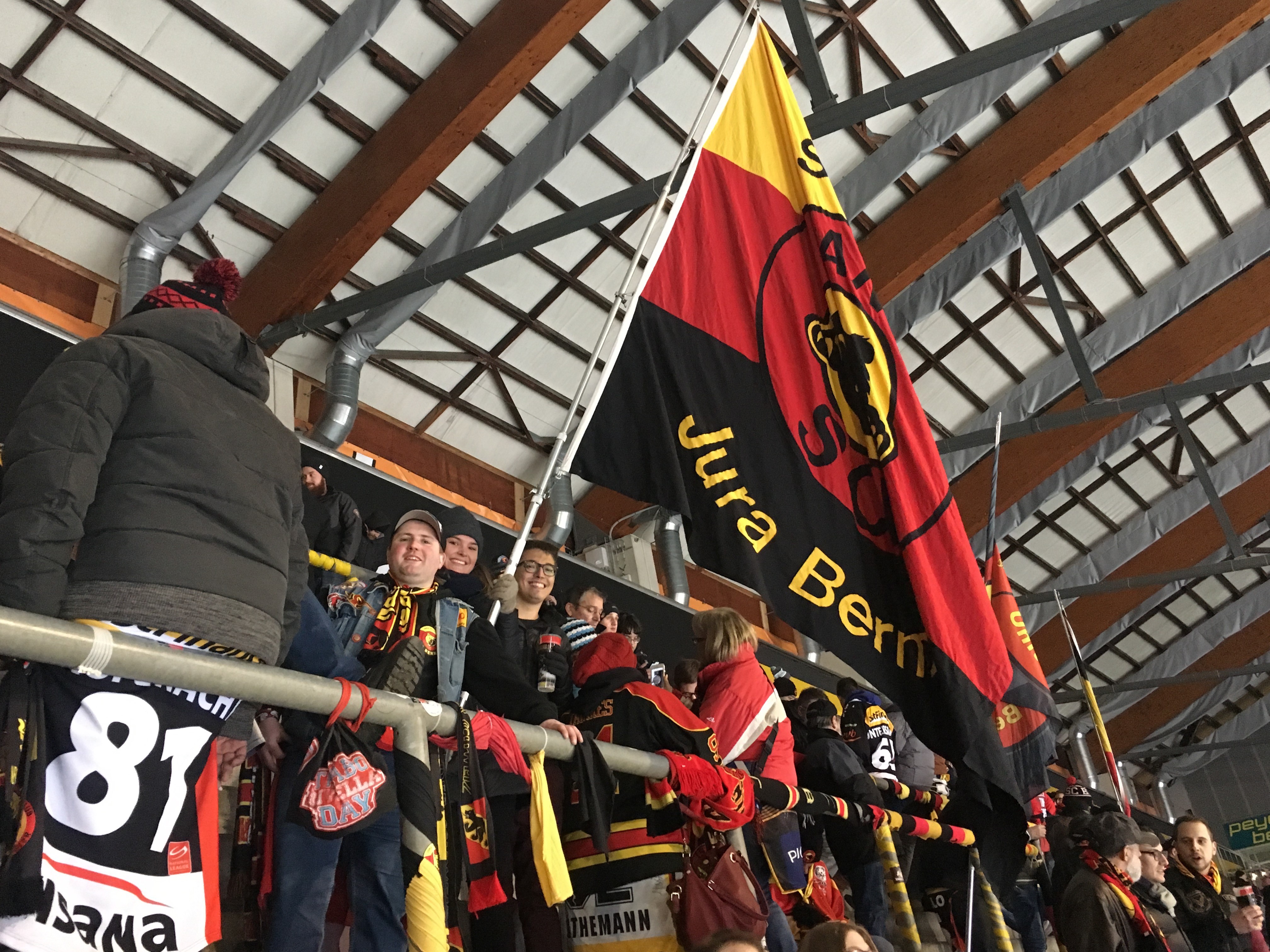
So far, I have been skiing in the Swiss Alps (you cant live in Switzerland and not ski!), to London for a weekend, skiing again, to an ice hockey game, to a Swiss Chocolate factory, to Edinburgh for St Patrick’s Day and that is all in the space of about six weeks. Can we just read that sentence again?! I have joined the gym and am imitating my way through Spin classes and Pilates classes taught in German and I am cooking and sharing food with people of so many different backgrounds. Six weeks has disappeared, so no doubt six months will do just the same – my priority now is to travel and experience as much in as possible to make the most of this amazing opportunity. Switzerland, although super expensive, is a truly stunning country and being quite small it means that so many beautiful cities, landscapes, mountains and activities are right at my doorstep.
Annabelle King 11706025 Bachelor of Law University of Bern Switzerland
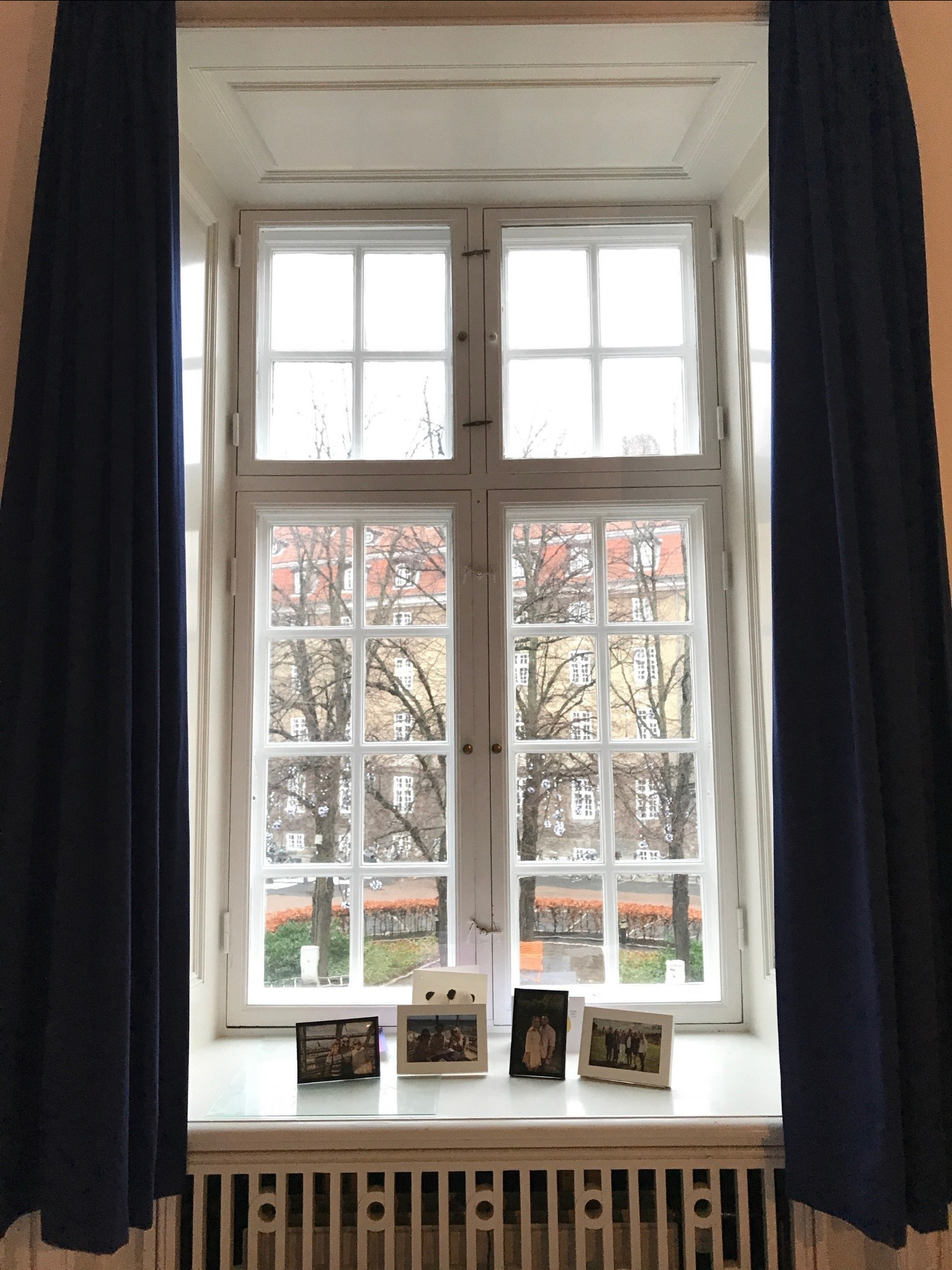
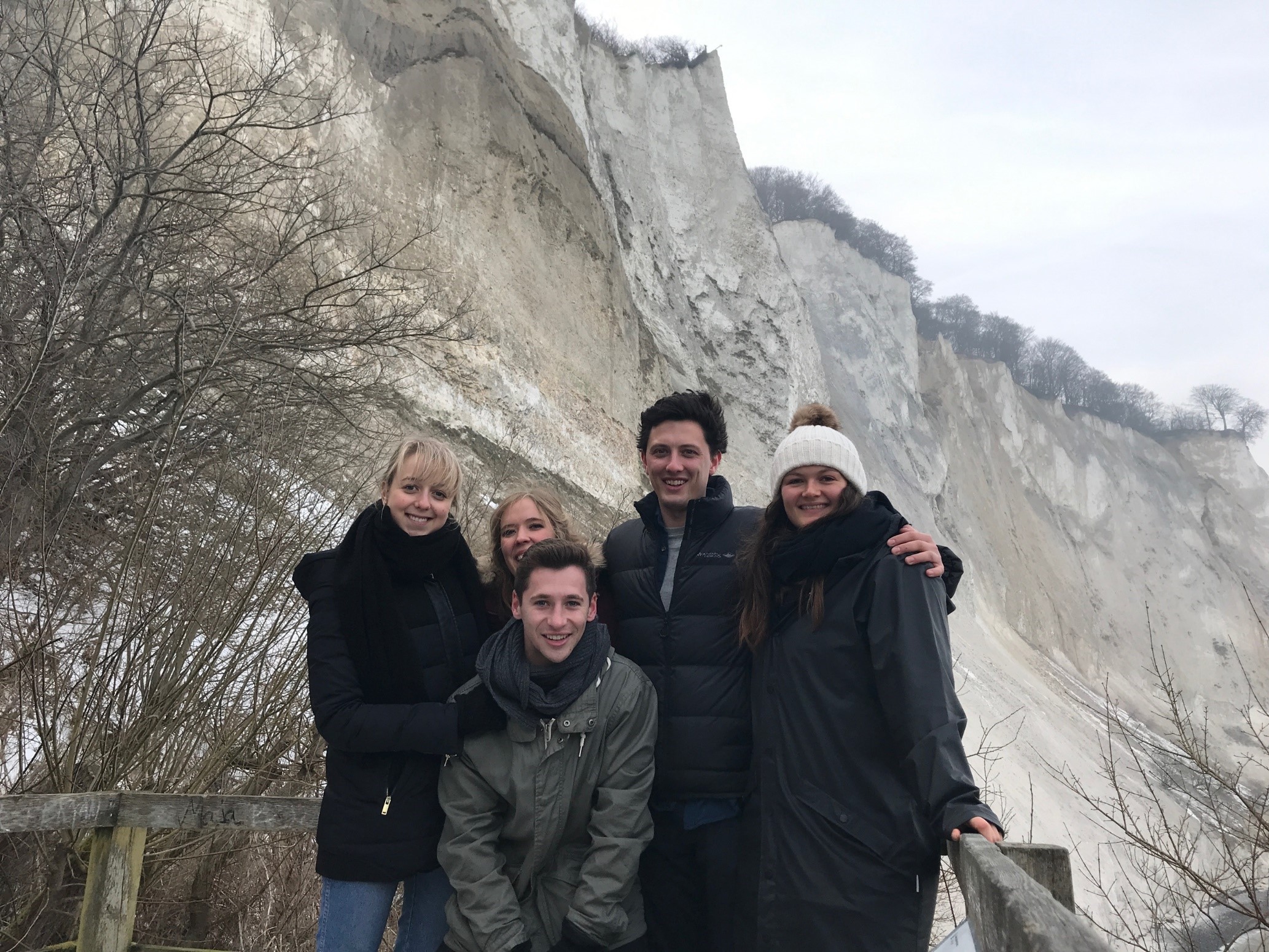
Hej from Denmark! I am now 7 weeks into my time abroad and am loving setting up a life in the beautiful and vibrant city of Copenhagen. We have experienced some of the coldest temperatures known to the country in years (-10 degrees!), and I cannot wait to start wearing less layers and appreciate 20 degrees as ‘summer weather’ just as the locals do! Then again, watching the snow float down outside my window and walking across a frozen lake are unique memories I’ll never forget.
I am absolutely in love with my housing – I am staying at Basecamp a late 1700s military barracks turned student accommodation in 2016.
My bias aside, our building is situated in one of the best locations in the city- opposite the Kongens Have (the King’s Garden) and Rosenborg Palace (see picture) and also close to shops and nightlife. I have met a number of great people, lots of Aussies and Kiwis admittedly and they’re already making my time abroad the best 6 months of my life. Group dinners are lots of fun as well, I cannot wait to do this more when I return home
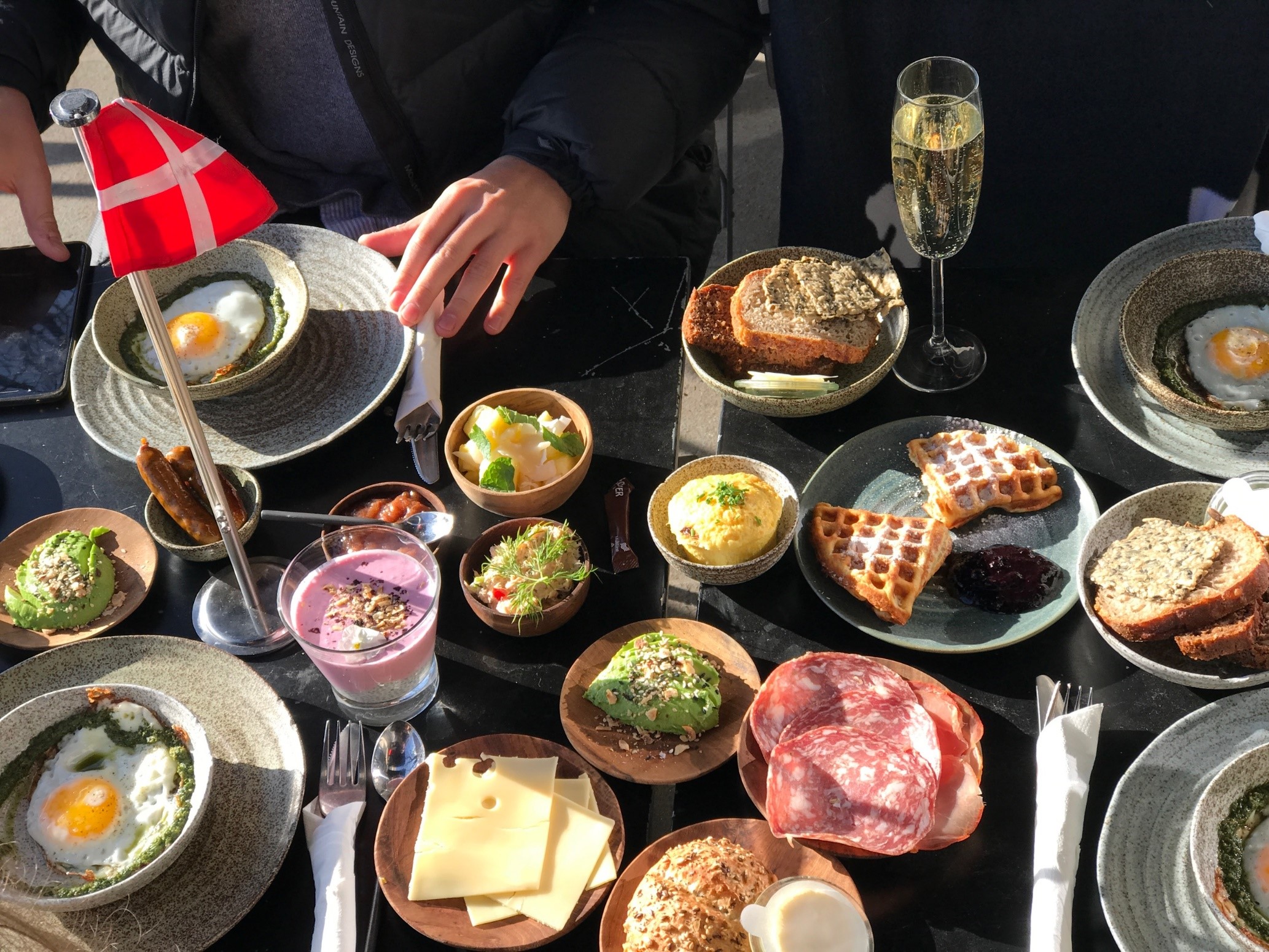
What I am yet to get used to is the price of coffee in Denmark- at an average of $7 a coffee and being on a student budget, I have had to make friends with instant coffee. However, I have tracked ‘home’ priced coffee at a café along Copenhagen’s lakes called Zaggi’s – 15dkk coffee (approx. $2.50-$3AUD). Be sure to visit if you make it to Copenhagen. Also, be sure to experience a Danish brunch where you order around 20 little plates to feed a table of 4 – it’s the best way to sample the whole menu.
I also encourage you to attend your Host university’s orientation day/week. It is the best way to meet other students and learn the ins and outs of life in your host city, for instance, learning how not to annoy the Danish locals when cycling around the city. Speaking of, when purchasing your bike ensure you have someone who knows a thing or two about bikes to come along with you or you can risk being sold a dud.
Finally, become a ‘yes’ person- mingle with the locals and international students as much as you can, try many new things and go away on weekend trips whenever possible and you’re sure to have an incredible time abroad.
Leaving behind family and friends was not an easy decision but to say no to an opportunity to live and study abroad with relatively minimal commitments is something I could never turn down and I know I will be forever grateful to myself for taking the plunge.
Please email me if you have any questions about studying abroad in Copenhagen!
Laura Bernhardt 11417779 Bachelor of Laws and Communication (Public Communication) Kobenhavn Universitet Denmark
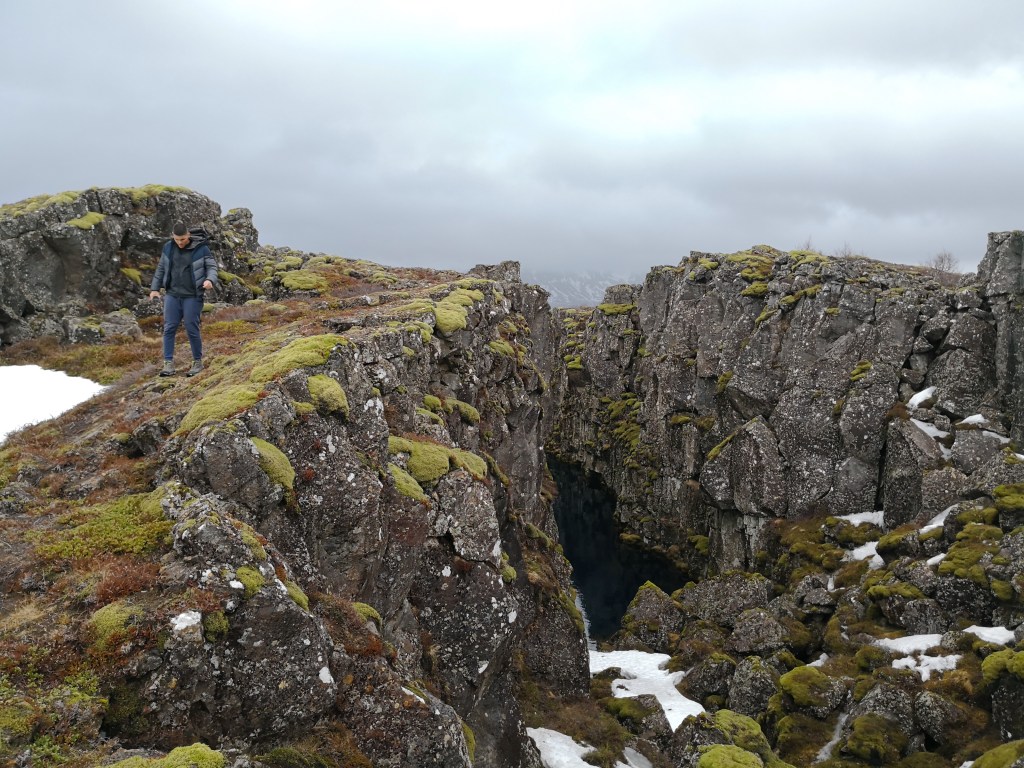
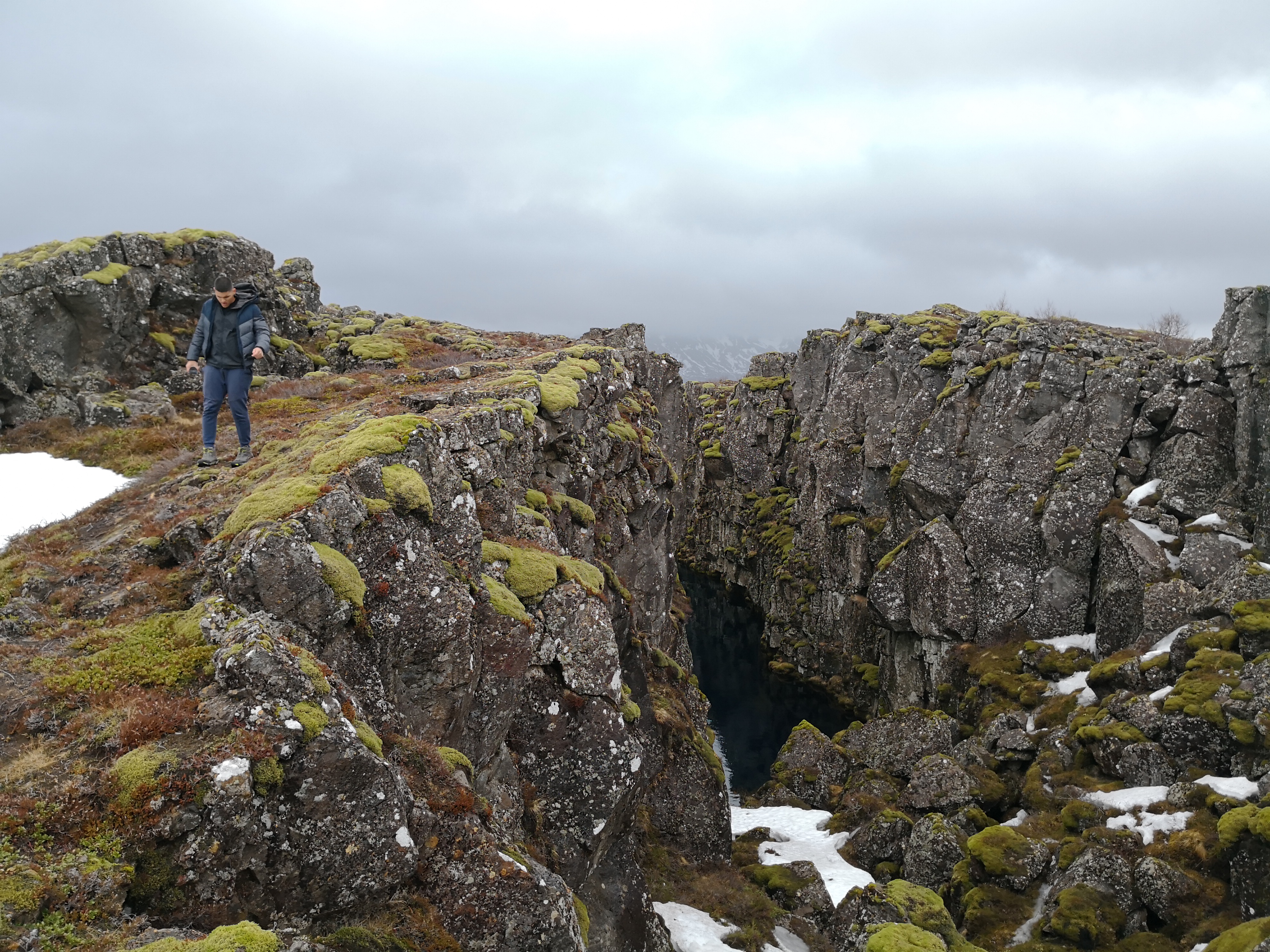
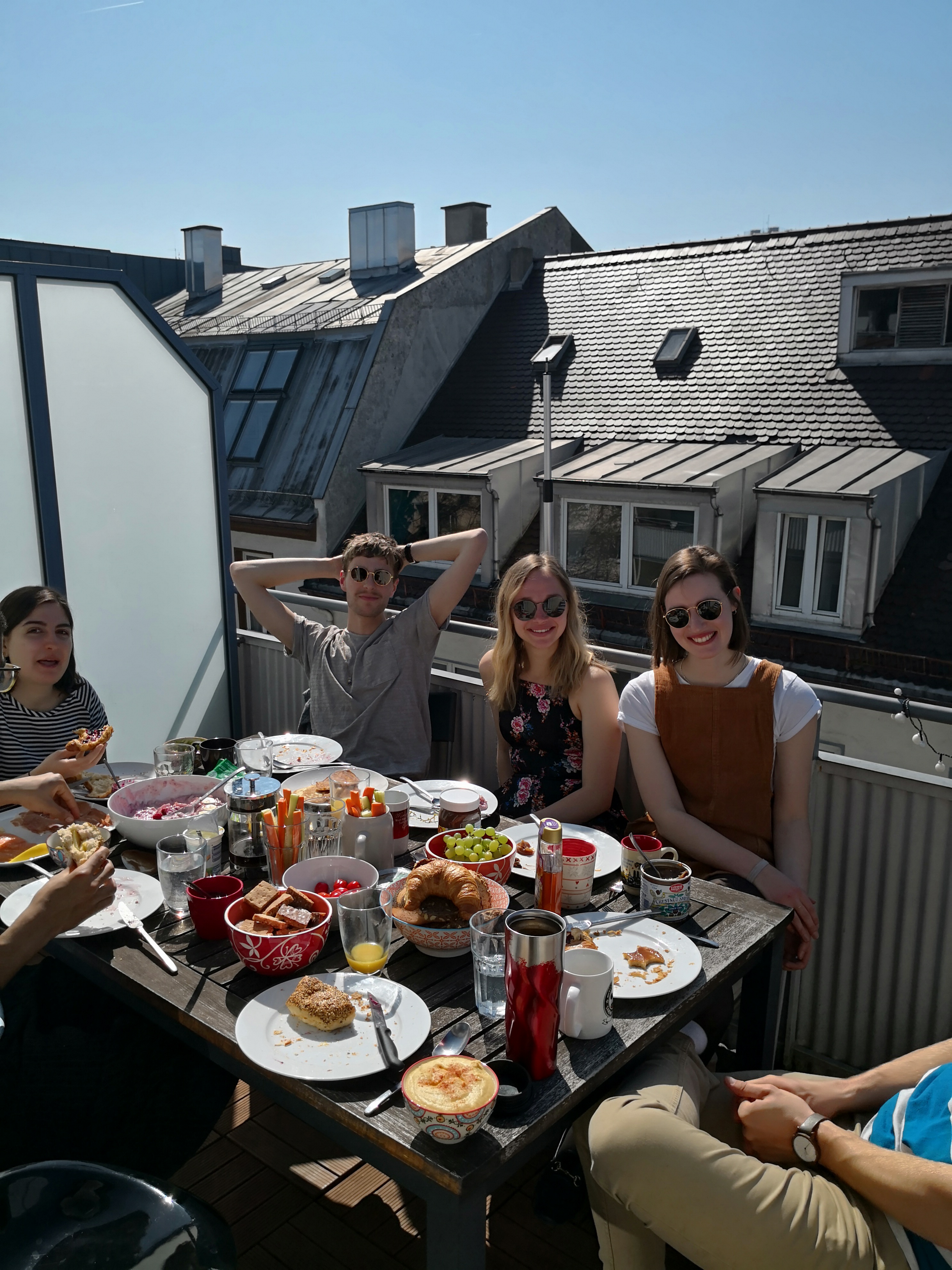
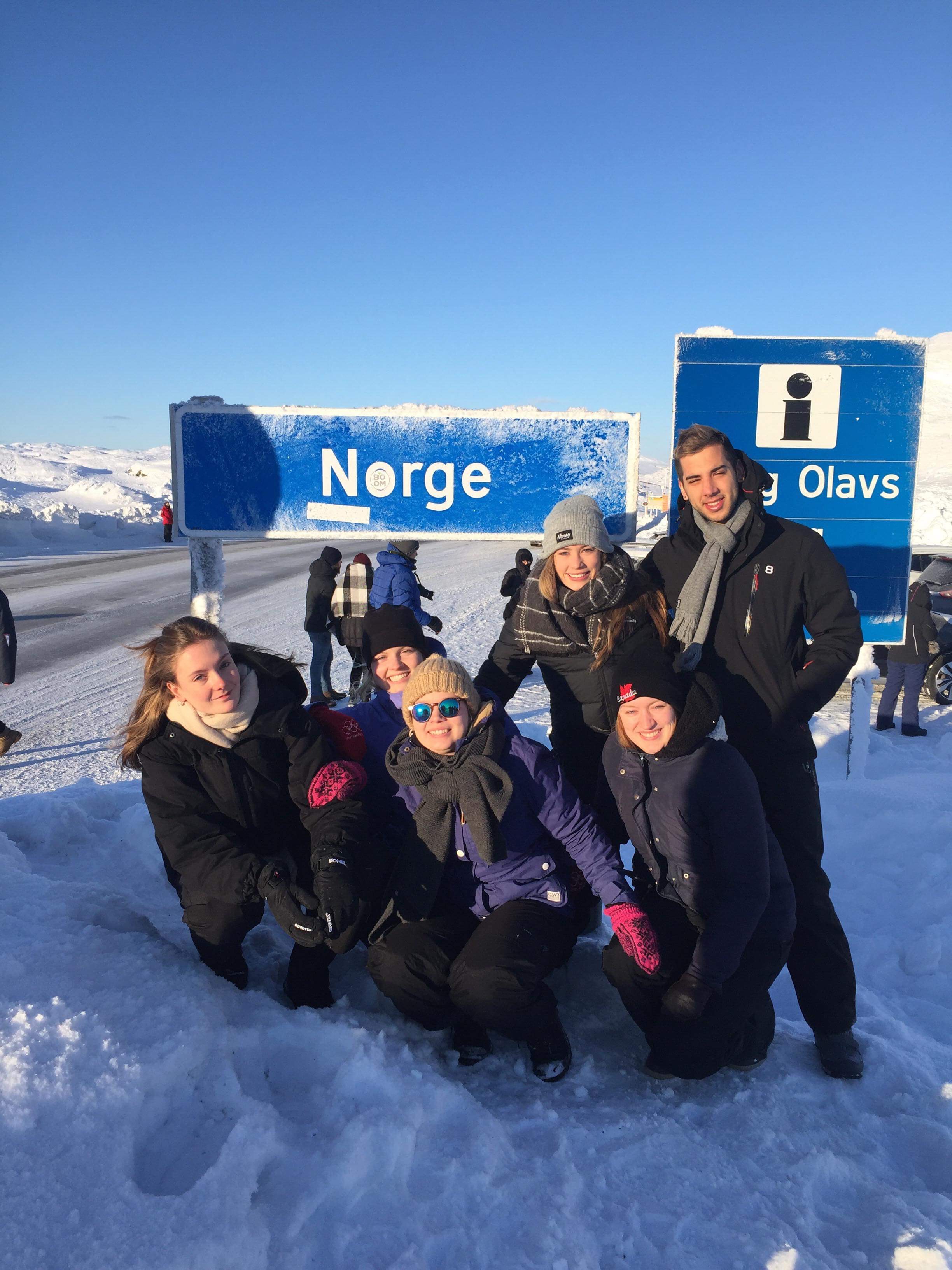
I’m headed to TUM in Munich for exchange, where I’ll be studying mostly architecture equivalent subjects. German unis don’t start until early/mid April (finishing early August) so I had to do any major travelling beforehand. I chose to fly to London and work my way up through the UK before heading to Iceland for 8 days which is where I currently am. I’ll then be heading to Norway, Denmark and Berlin before making my way to Munich. In terms of exchange I would suggest completing any and all admin well before you depart! I’m still struggling to coordinate my German national health insurance which is even harder to do on the go – my enrolment has already been delayed. Not to worry though! The staff member coordinating my exchange at TUM has been very helpful via email and I’m sure I will be able to sort everything out when I arrive a week early in Munich.
Accommodation in Munich sounds like it will be great –staying at the Olympic village with students from all universities in the Munich area. Germany’s central European location is also ideal, allowing for this trip beforehand as well as the ease of being able to link up with many Sydney mates on exchange in Northern Europe.
Travelling beforehand has prompted Munich to feel more like home to me – an unexpected reaction, living out of a suitcase gets tiring (far from a complaint when you are driving around the wack Marscape of Iceland though) and I find myself looking forward to ‘settling down’ in what will hopefully become a homely space in Munich.
I originally enrolled in 5 subjects however I intend to only take 3 (my core equivalent subjects) this will probably extend my degree at UTS by one semester however after visiting friends on exchange in England I realised it would be a waste of time to be completely swamped by study for the length of my exchange. I guess this comes down to what I want out of exchange which is really just a break from the bustle of UTS and a doozy of a location to travel Europe.
Edward Cook 12590345 Bachelor of Design in Architecture Technische Universitat Munchen Germany
If you’ve ever thought about going on exchange, don’t just think about it, go for it! Exchange is an amazing experience of independence, community, and culture.
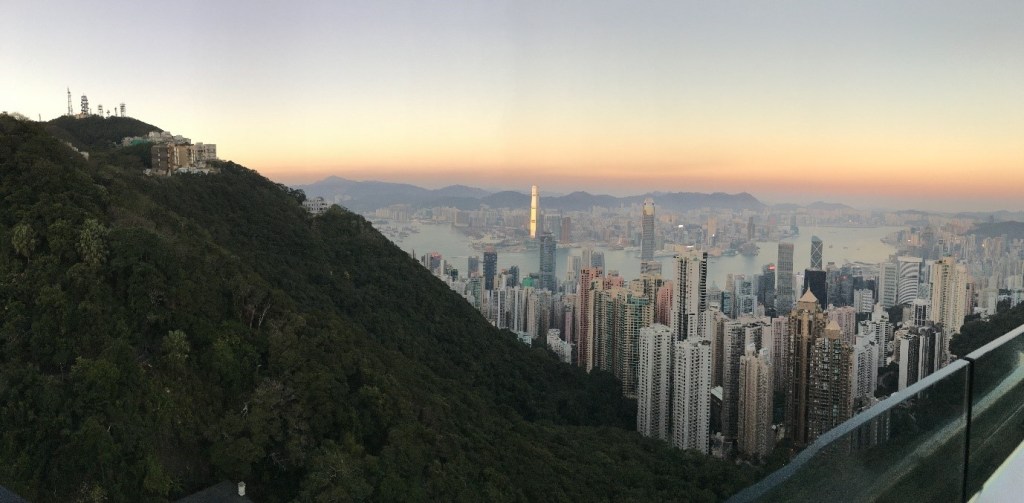
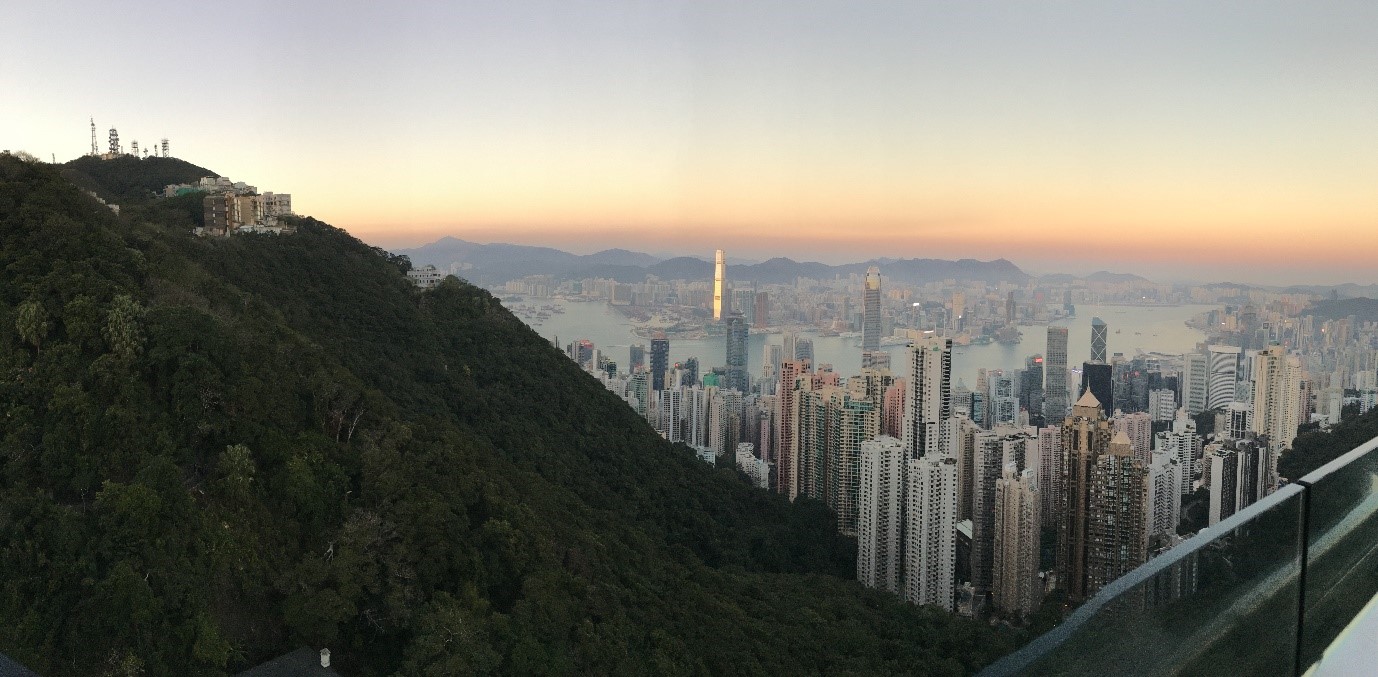
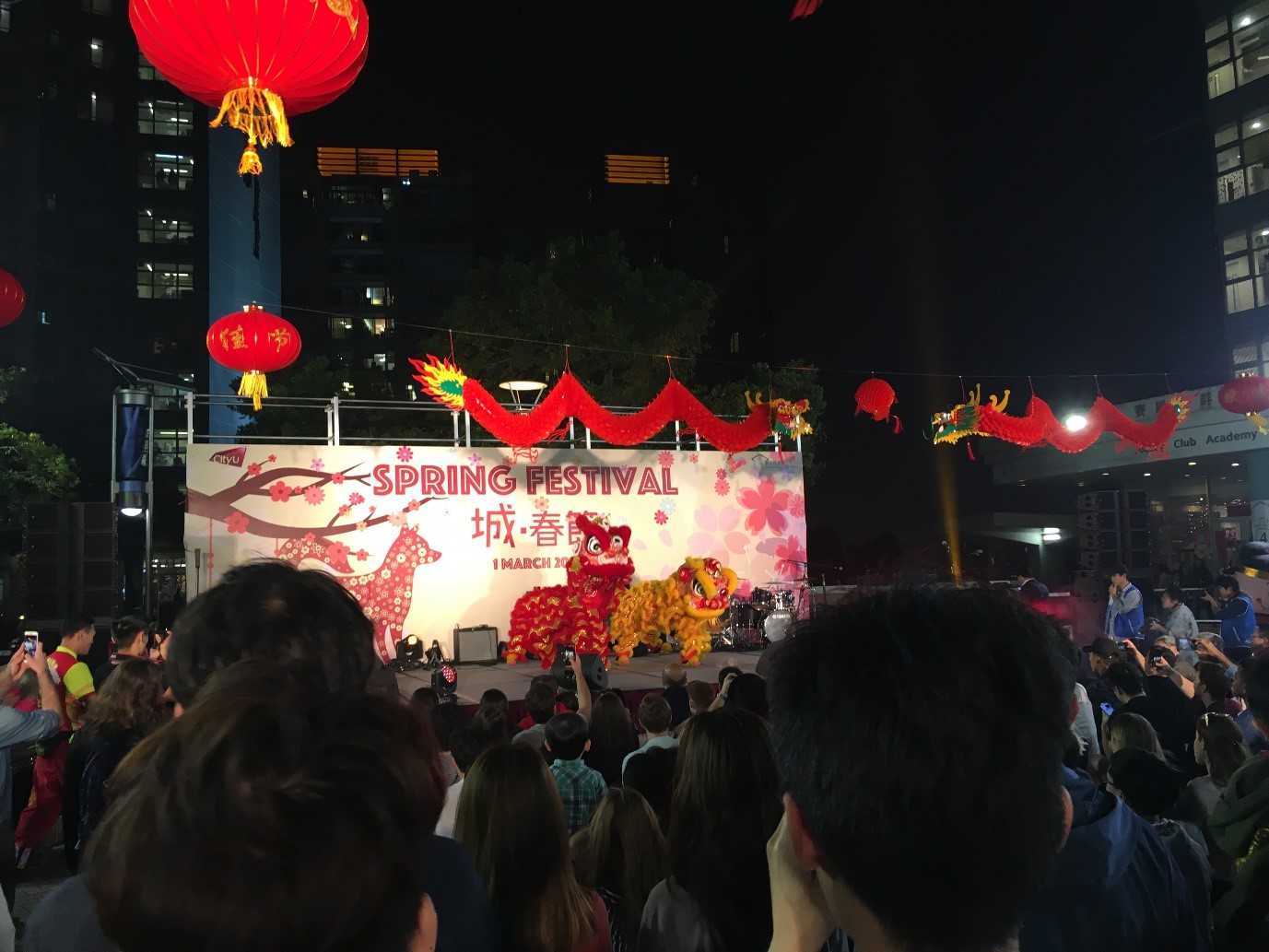
I’ve recently just passed mid semester at the City University of Hong Kong and I’m honestly astounded by how fast time has flown by!
I really encourage you to get your hall applications in as soon as possible! CityU has a really colourful and active hall life, the student residence is always organizing activities, field trips, and unique opportunities to try something new. There are also frequent inter-hall competitions from basketball, to singing and gaming. It’s also a great chance to meet both international and local students.
I’ve really been lucky to have secured a place in Hall 10 of the student residence on campus and if you’re studying any creative media subjects in the Creative Media Building, getting to class is a breeze because it is literally right across the road from the hall. The other three main academic buildings are also only mere minutes’ walk away.
But don’t stress if you don’t manage to secure a place in the student residence, I’ve heard great things from students living off-campus. Living right in the midst of it all exposes you to local life which I think is such a unique experience.
CityU is an incredibly exchange-student friendly and multicultural university. They give you plenty of opportunities to meet locals and fellow exchange students through various events organized by the Global Student Office, so you’ll never be short of opportunities to meet new people and learn more about different cultures around the world.
Of course, although you can get away mostly with just speaking English, if you get the opportunity I definitely recommend taking up the chance to learn Cantonese! A few weeks into the semester I really felt that it helped me assimilate a little better into the local life, even if it’s just knowing how to order food, recognizing your order number or saying hello to the friendly locals.
As soon as you get the chance, befriend a local and ask them to take you to a good “Hong Kong style café”. If you’re living at the student residence in Kowloon Tong it only gets better. Sham Shui Po, Mong Kok, Prince Edward, are all places with great food and markets, all just a few MTR stops away or a 20 minute walk (trust me, you’ll want to take a good walk whenever you can because using the MTR to get around everywhere else is just too convenient!). It’s really relaxing to go out for a meal with good friends and good food, and walk off the meal in the evening. Night life is a big thing here in Hong Kong, and restaurants tend to open till late. The variety of food is endless, and I’ve found myself drawn particularly to traditional Hong Kong desserts!
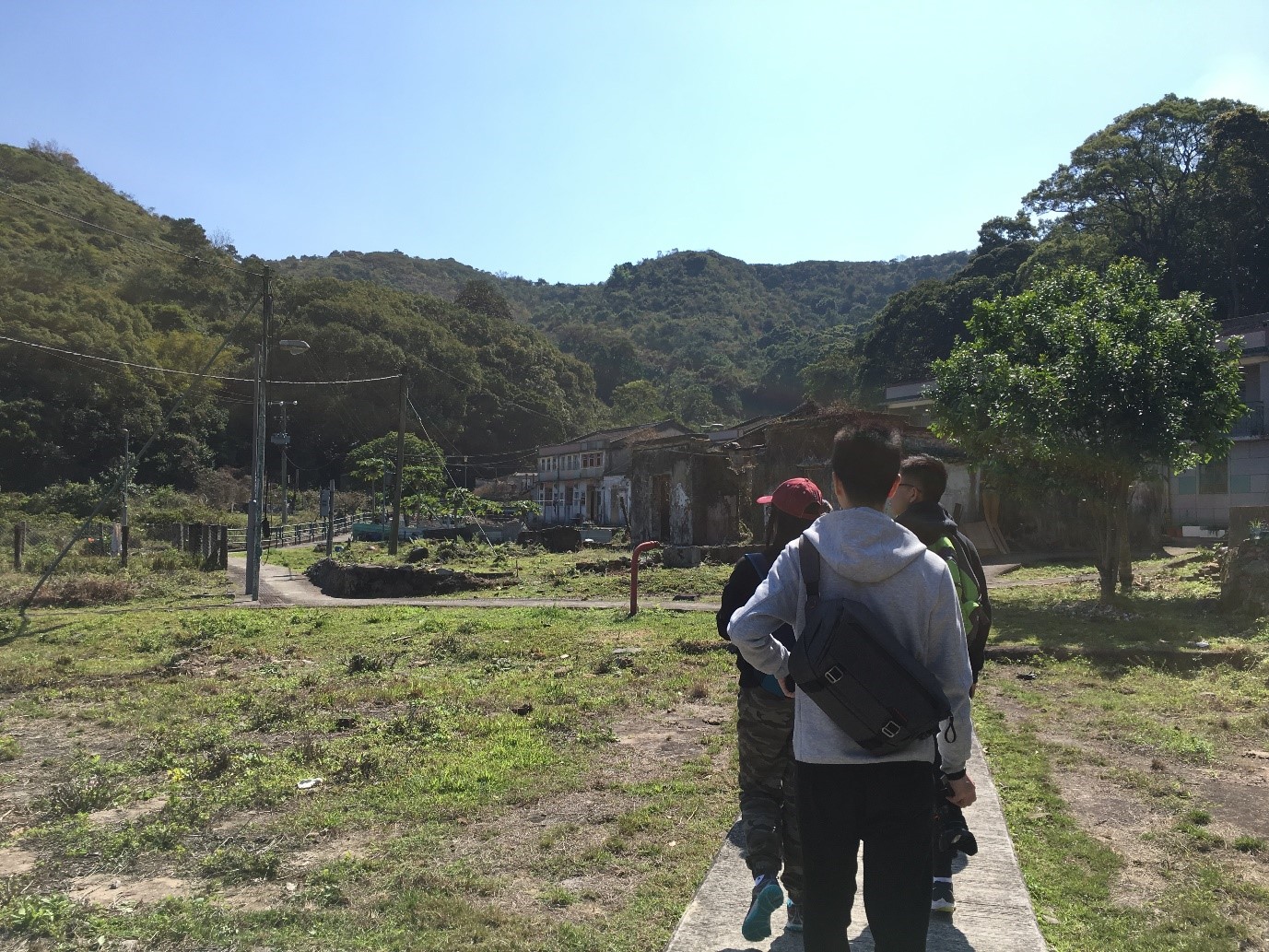
If you’re an avid hiker, I’d say Hong Kong’s your place to be! With Hong Kong’s numerous landforms and interesting landscapes, there are many hiking trails to explore. I recently joined a hike hosted by the student residence to Kuk Po where we visited a few old villages. It was a nice change in pace to take a breather from the bustle of university and the city.
To think I only have a month of study left here, I’m really going to miss Hong Kong. It was really easy to settle down here, Hong Kong definitely feels like a second home to me. Definitely try exchange at Hong Kong if you get the chance!
Luane Qin 98131131 Bachelor of Design in Animation City University of Hong Kong Hong Kong
Australian Government New Colombo Plan Mobility Grant recipient.
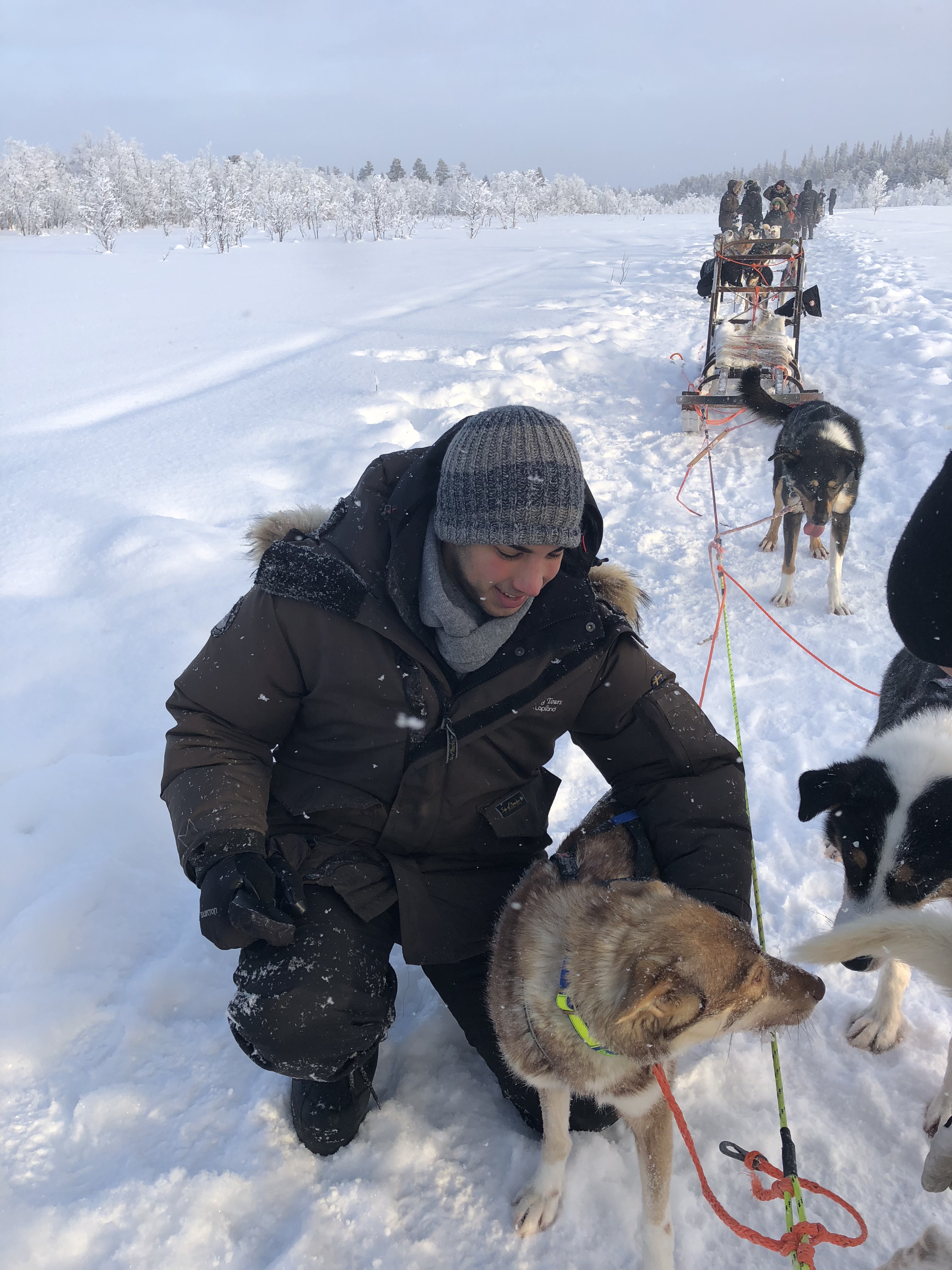
I’m currently on exchange at Uppsala University in Sweden. Uppsala is Sweden’s 4th largest city and it’s about 40 minutes outside of Stockholm. Studying and living in Uppsala is a completely unique experience, one that is completely different to Sydney. For one, Sweden is one of the coldest countries in the world – it has been snowing here practically non-stop since I arrived in January, and even though it is Spring now that has yet to stop. I live in student accommodation that’s about a 10-15 minute walk from all my classes, which is quite different to the hour commute I normally take to UTS. In Sweden, each semester is broken up in halves – you study half your subject load in the first half and the rest in the second. This makes focusing on each subject easier as you only have one or two at a time, and I found this made study and uni life far less strenuous.
One of my favourite aspects of Swedish life is something called ‘fika’. Both a noun and a verb, fika basically means to take a break for some coffee/tea and pastries. As a coffee addict, this appeals to me greatly, and going for fika is something I’ll most likely take back to Australia.
Living in student accommodation is also quite exciting – I’ve met so many people and made so many great friends just because we live in the same residence. My accommodation has a common area, café, gym and a common kitchen – and therefore plenty of opportunity to meet new people. Everyone is looking to make friends which makes the process a whole lot easier.
While living here I’ve also decided to take up biking as a means of transport, which can be fun but at the same time quite challenging, particularly if it’s snowing. One morning I thought it would be a great idea to bike 5kms to the migration office at 8am (on an empty stomach). I didn’t pay too much attention to the weather forecast so when I rode out of the bike garage to heavy snow, I knew I was in for a wild ride. I couldn’t be late to my meeting and I didn’t have time to figure out the bus schedule, so I had no other option. When I arrived, my earphones had completely frozen over. For someone who has only seen the snow once at Perisher Blue, this was a bizarre (yet fun) experience.
Overall, my life in Uppsala has been dramatically different to my life in Sydney – and that is exactly what I was looking for. Being thrown into a completely new environment has led to considerable personal growth, and I’m super excited for the following months!
Follow my Instagram if you’d like to see more photos from my adventures in and outside Sweden! www.instagram.com/sasazekzi
Sasa Zekanovic 11710353 Bachelor of Business, Bachelor of Laws Uppsala University Sweden
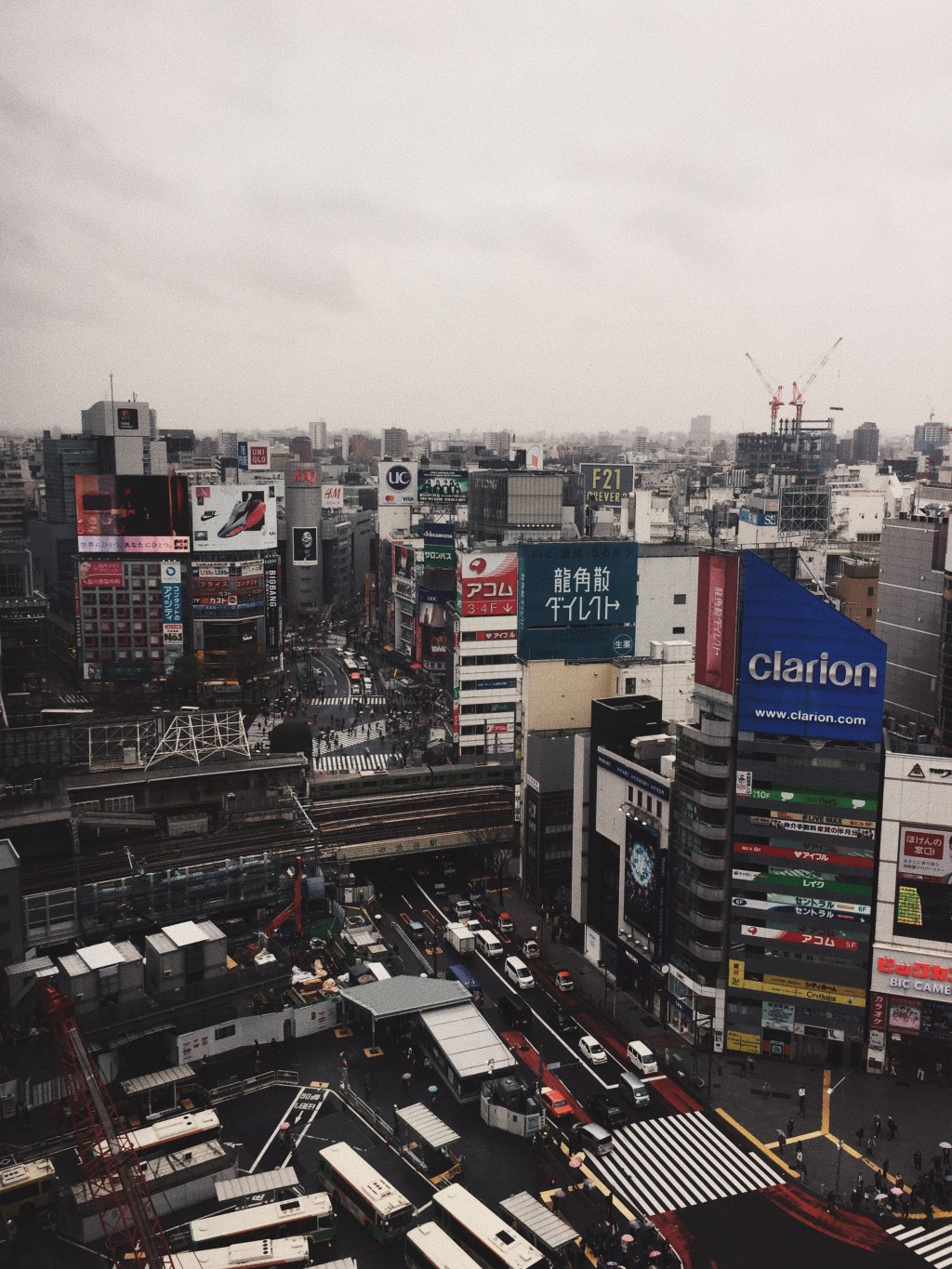
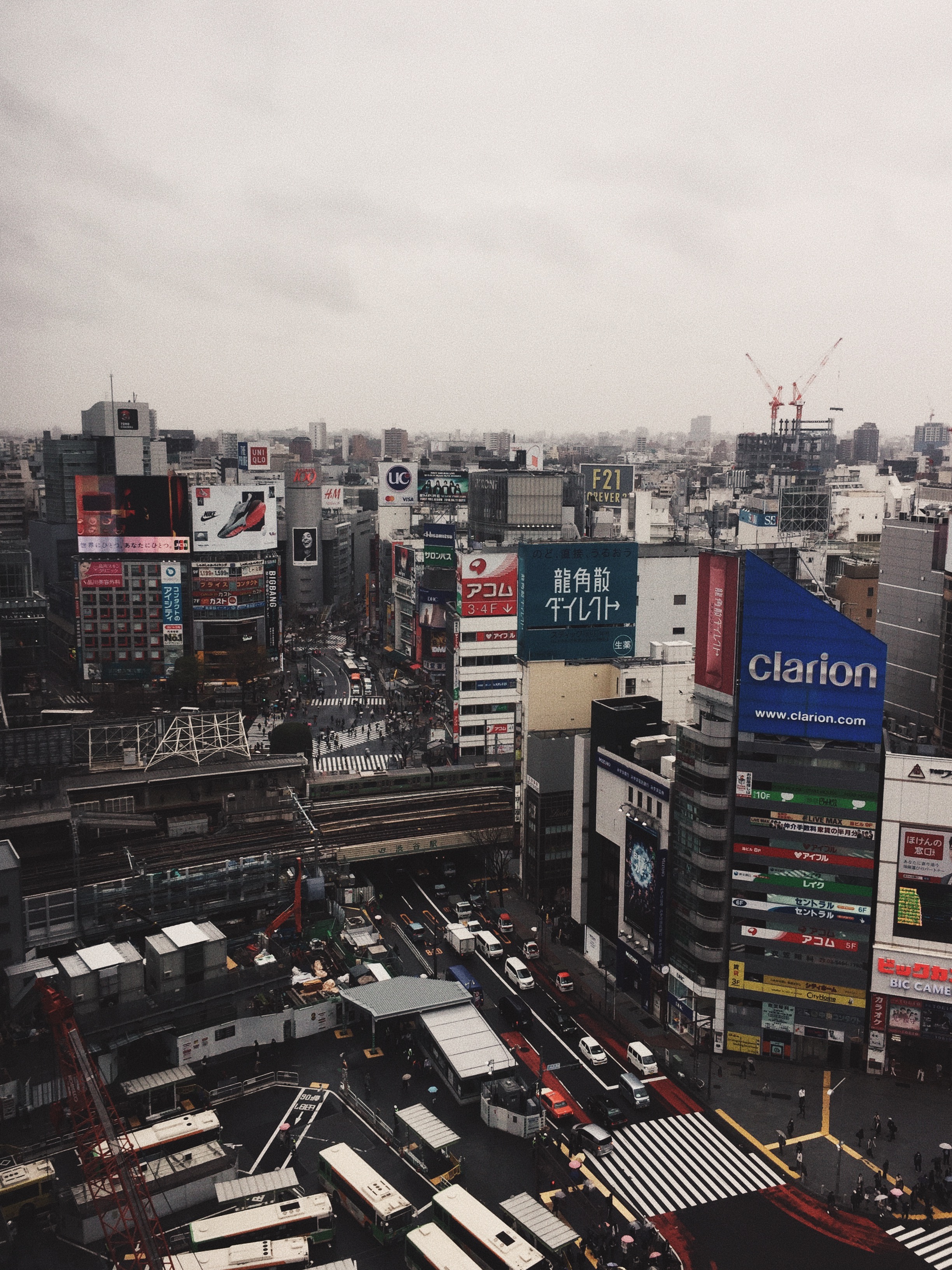
I am writing this blog post from a Starbucks cafe in downtown Tokyo, stealing their Wi-Fi and sheltering myself away from the snow. The warmth and familiarity of Starbucks has come at the right time, after what has been the most stressful 24 hours of my life. I’m sure I will look back on this experience and laugh, but right now, my exchange so far has pushed me to the limit physically and psychologically.
I flew into Narita airport around 6.45PM on a Tuesday night. The whole process from travelling from the airport into the city centre went relatively smoothly (I caught the Keisei Skyliner, which took about 40 minutes from Narita to Ueno – you can buy the ticket online too). From Ueno, I caught the train into Shinjuku, aka the epicentre of Tokyo because I had to pick up a sim card that was waiting for me at the post office. Tokyo isn’t the easiest place to navigate on this planet and Shinjuku is characteristically known for its winding alleyways and crowds – two factors which aren’t exactly luggage-friendly (If you plan on travelling with luggage, shove everything into a coin locker. There should be lockers at every station). By now, my phone was at 30% charge and I was following a screenshot of a map trying to make my way from the station to the post office. But that number jumped down to 6% and before I knew it, my phone died. My power bank also died.
Oh! And my phone had all the details on how to get to Nishi-Ogikubo, where I planned to stay the night with my boyfriend’s family for the night.
So here I was, stuck in the middle of Shinjuku, freezing to death with no map or phone to contact anyone. Panic started to set. The great thing about Tokyo though is that everyone is always trying to help you out. I frantically started asking around in Japanese where the post office was, but soon gave up because it was getting late. If there is one tip I can give, it’s to practice a bit of Japanese or learn a couple of key phrases. Everyone here is so patient, even if there is a massive language barrier. I stumbled across another Starbucks in the middle of Shinjuku and decided to sit outside in the cold and charge my phone from my laptop for about an hour.
But still, it didn’t have enough power to turn on. By now, it was 10.30PM when I decided to catch the train from Shinjuku to Nishi-Ogikubo. The train was packed and throughout the whole entire trip, I was praying that his family were waiting for me at the station. But they weren’t there.
I wandered around for a bit, trying to find a warm place to come up with a Plan B. I found McDonald’s just around the corner from the station – thank goodness McDonald’s in Japan is open for 24 hours too just like in Australia. The crispy apple pie was my first meal in Tokyo – and it was a depressing one to say the least. At this point in time, I wanted to break down into tears and even pondered at the thought of sleeping in McDonald’s.
I managed to get in touch with my boyfriend’s cousin and she picked me up and drove me to her place in Nishi-Ogikubo. It’s a quaint and residential area, but the streets made no logical sense geographically speaking. To say the least, I was relieved to find a warm roof over my head and a place to sleep after what was probably one of the worst nights of my life. The next morning, I ventured out into Shinjuku trying to find the post office to pick up my SIM Card. I then caught the train to Shimo-kitazawa, where I plan on living in a share house.
Shimo-kitazawa is a suburb in downtown Tokyo and is about a 10 minute train ride from Shinjuku (If I had to give a Sydney equivalent, it would be Newtown). It’s a trendsetting area for youth culture and the vintage shopping here is great too! But just when I thought things were going to run smoothly, it turns out that I can’t move into my share house until the 23rd of March, so I have to find a place to sleep for another two nights.
But before we part ways, here are some tips:
– Don’t rely on technology, for it will most likely fail you in times when you need it most. – – Always write important details down, like phone numbers and addresses.
– Learn some Japanese before you get here. Don’t assume that all locals speak English, even though Tokyo is relatively tourist-friendly.
– Always have a Plan B. Book a hostel if you need to before you get to Tokyo! (If you are travelling in the Spring, note that you should book accommodation early because Tokyo will be filled with tourists admiring the cherry blossoms here).
– Try not to stress out! If you find yourself panicking, find a warm place to wind down to reevaluate your options.
Everyone who comes back from exchange says that it’s a massive learning curve and you’ll really learn how to be independent. I must say from the get-go that I was pushed into the deep end. But be open-minded as to what’s going to happen, even if it feels like the entire world is against you. You’ll come out of the experience, 1000 times stronger! It doesn’t exactly feel like that for me right now, but I have to keep telling myself that this is all part of the learning experience. You’ll never get to feel this way in the comfort of home.
It’s time for me to brace myself and walk into the cold to find a roof over my head for the next two days so for now, じゅああね。
Amy Tong 98039908 Bachelor of Communications (Journalism) Sophia University Japan
Australian Government New Colombo Plan Mobility Grant recipient.
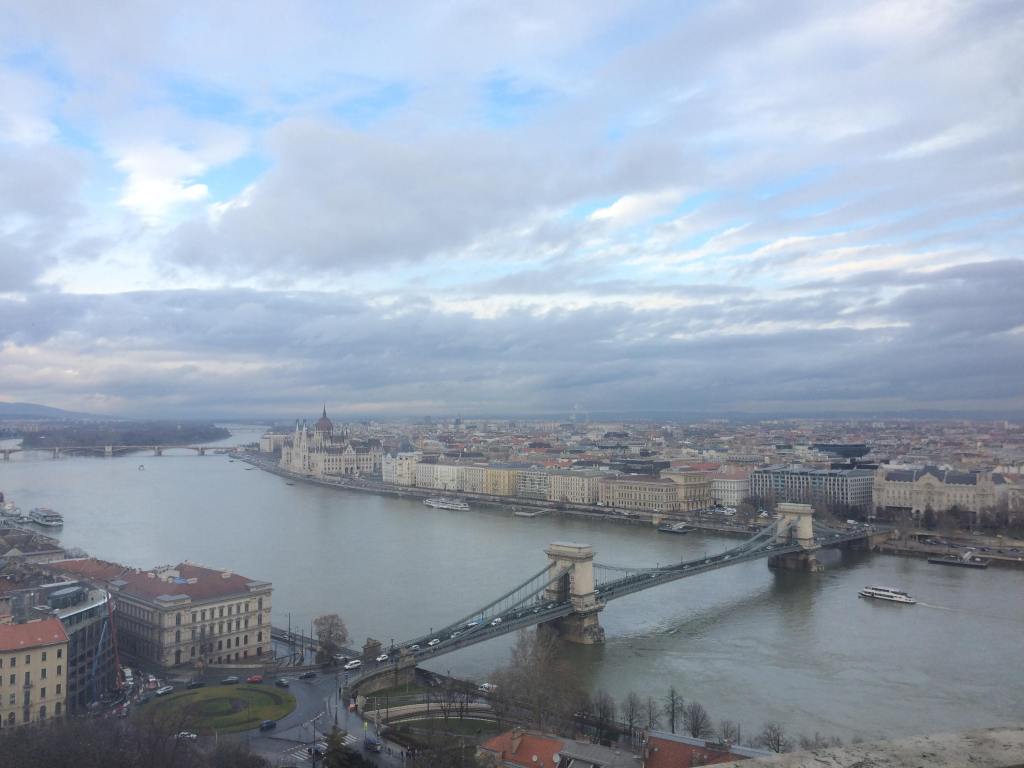
So far Budapest has easily surpassed all of my expectations. The architecture, the food, the nightlife and the particularly friendly people that make the city. I can’t speak highly enough of it for anyone considering it as an exchange option.
The university itself, while quite different from UTS, is very accommodating to exchange students as they receive a lot every semester. They hold orientation workshops to help you set up your classes, to get to know your way around the uni, meet new friends at icebreaker-type events and even hold flat searches to help you find accommodation, as there is no on-campus student housing. The ERASMUS Program is quite strong all throughout Budapest so you will most likely find yourselves making friends with not only people from your own university but from all over the city.
Aside from the university, there is plenty to do in Budapest. It is filled with beautiful sights, museums, parks and restaurants. Everything is either within walking distance or a few tram/metro stops away (the network is very easy to work out). The nightlife here is absolutely captivating. There are great places dotted all over the city however the so-called ‘party district’ (VII) is where it’s at. From life drawing to stand up comedy to open-mic nights, you’ll never have a boring night! (I just recently went to an underground rave in an abandoned church on the banks of the Danube). Budapest’s most famous nightclubs are definitely the ‘ruin bars’ though. Essentially they are a collection of bars connected by shared courtyards built into old decaying buildings.
Although you could easily spend the whole exchange program in Budapest alone, I think the complete experience involves taking the opportunity to travel around to other European countries. So far I’ve already visited Vienna and Rome on weekend trips and gone snowboarding in Slovakia and met a bunch of cool people along the way. The insanely cheap cost of living in Budapest and efficient transit connections between surrounding countries have made these decisions a no-brainer, despite my meager budget.
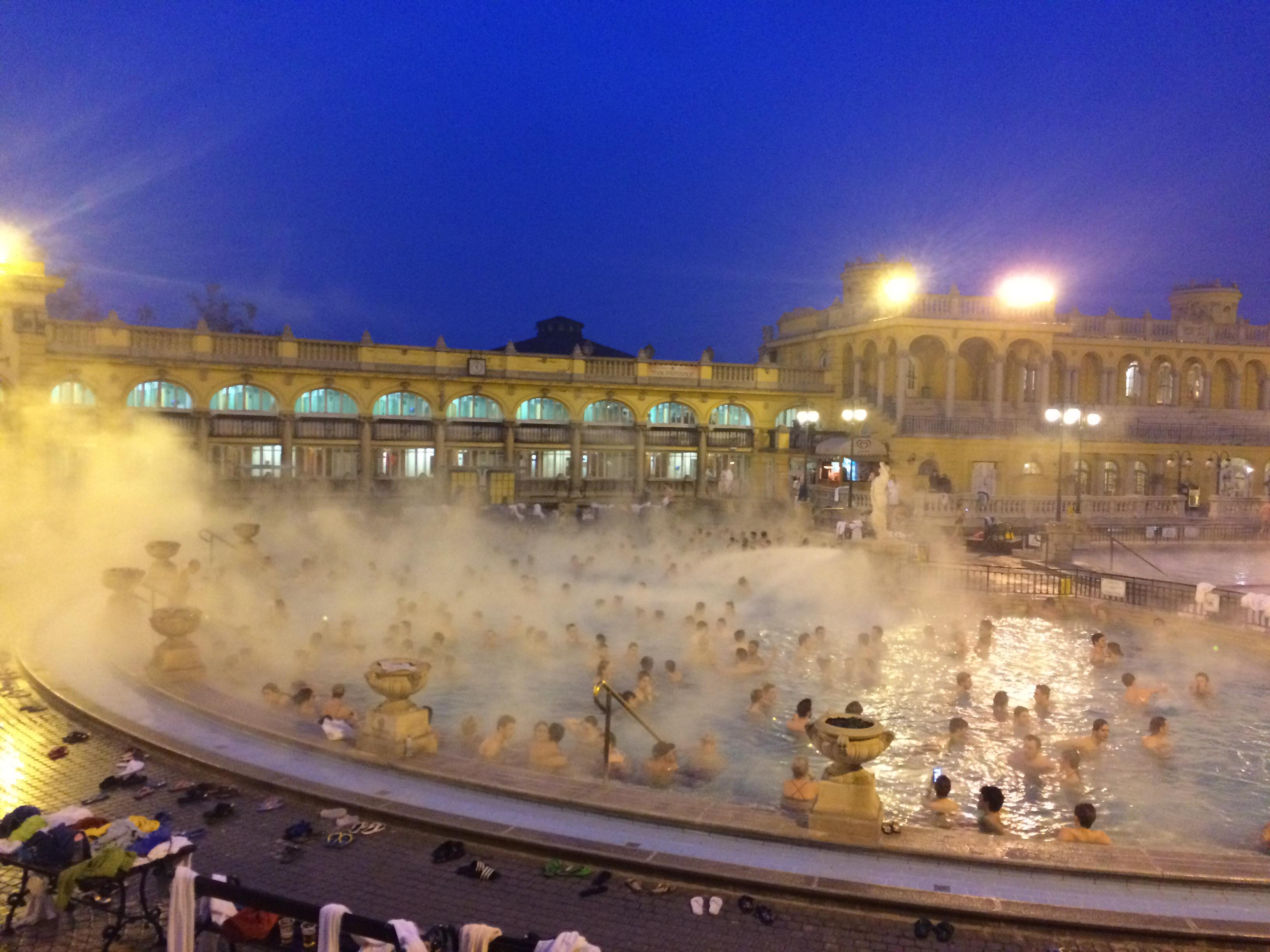
Just a few last pieces of advice, bring some warm clothes (it can get colder than you expect!), try the thermal baths in the winter (Szechenyi is my favourite), never jump in a random cab and definitely try the goulash soup!
Viszlat!
Troy Fenton 12597252 Bachelor of Design in Architecture Budapest University of Technology & Economics Hungary
Applying for exchange is only the beginning!! What’s to come is far more difficult, being in a country that doesn’t speak English and being completely on your own can be daunting but it’s all part of the experience!!
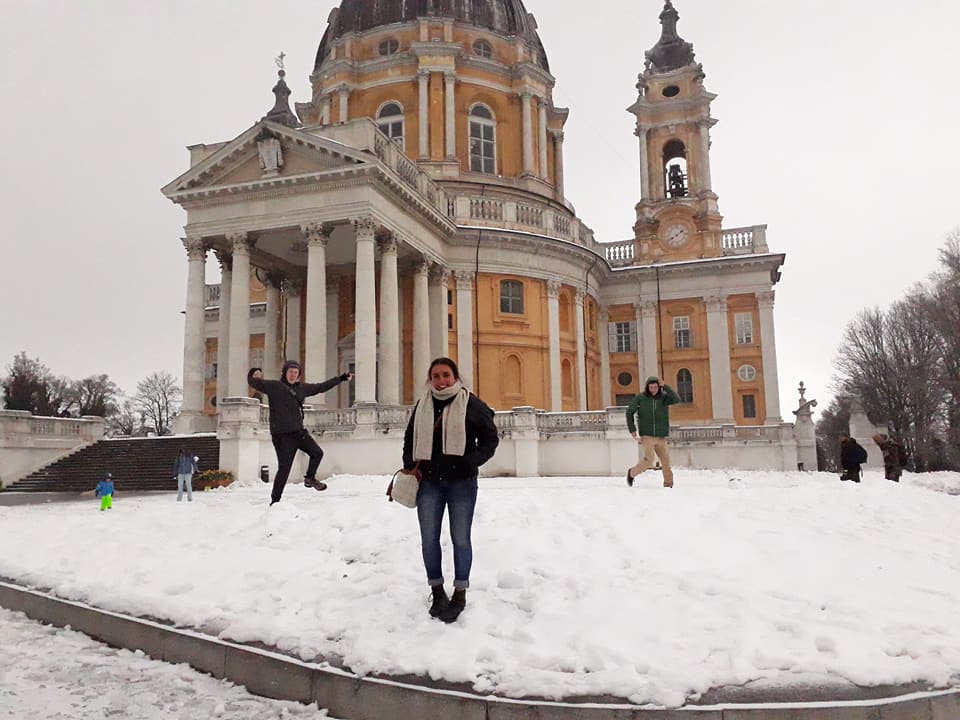
Well my trip actually began in Colombia, South America, where I had just been in the humid coastal city of Barranquilla so it was a big shock to arrive in winter at an averaging temperature of -10˚ to 10˚and snowing. I was fortunate enough to run into some other students on exchange on the plane – little did I know we would later all become friends.
Something I did not know previously is that European students seriously love to go out, and there are lots of events for exchange students no matter what day of the week. Knowing English, Spanish and Italian I am at a great advantage because I am able to communicate with people from all over the world! I have met and gotten to know so many amazing people.
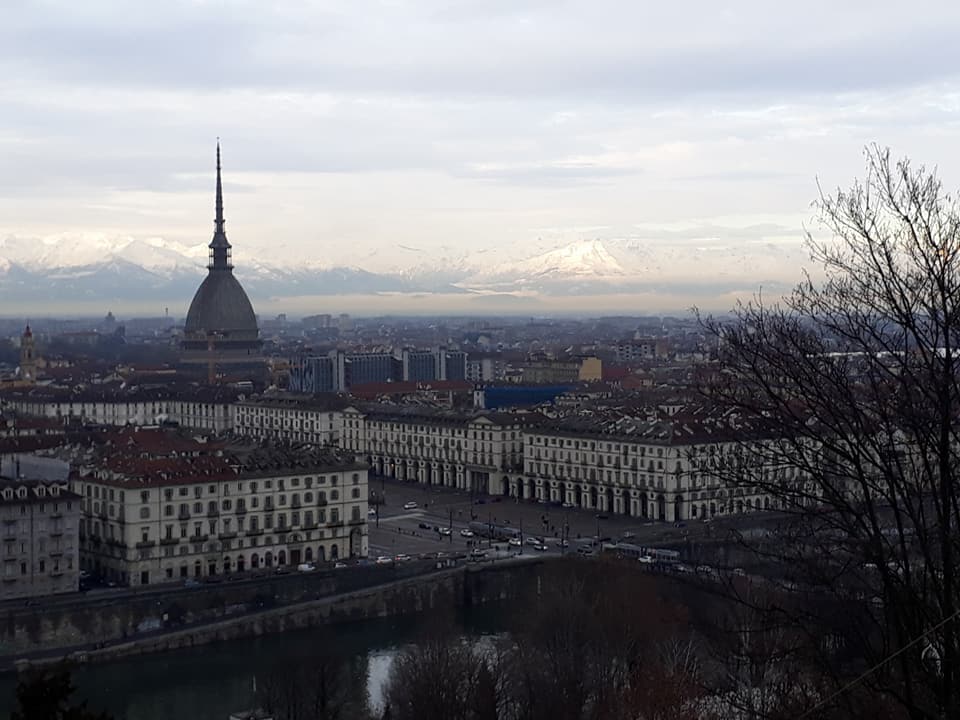
It’s been a month now since I have arrived and I am already in love!!! It’s such a beautiful city, although very easy to get lost which I have done several times but Google Maps is a savior!! One thing I must say about Torino is that it takes getting used to crossing roads because even if there’s a green man cars still don’t let you pass.
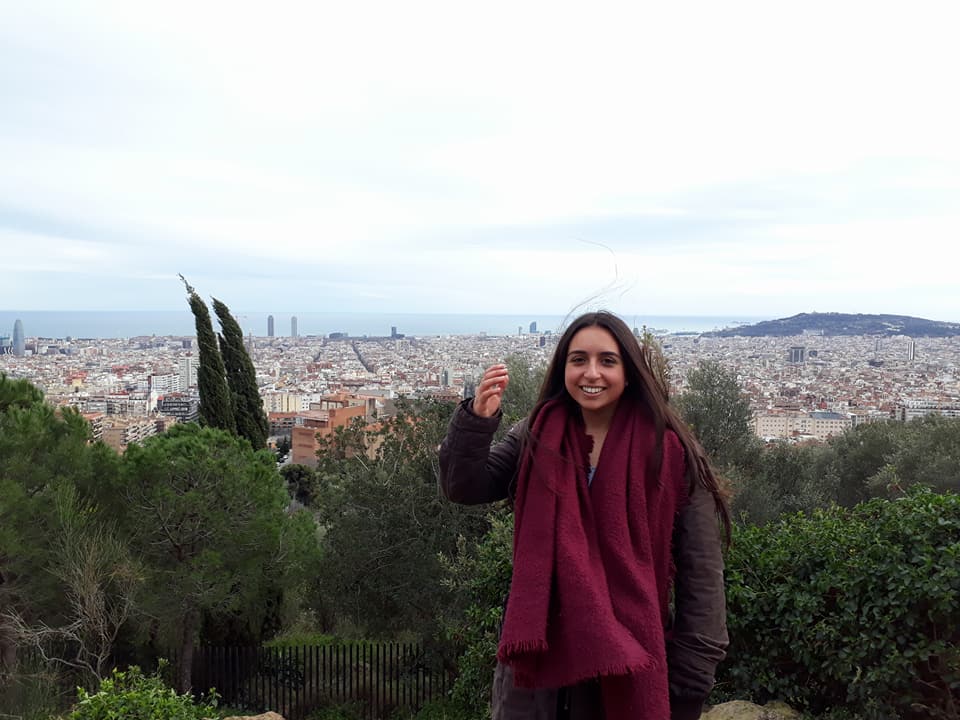
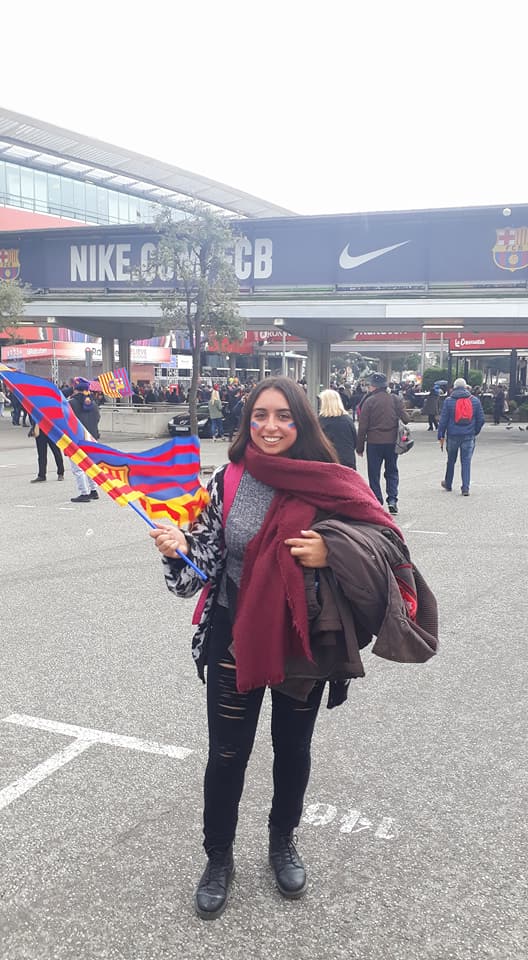
Being in Europe makes it so easy to travel around to other countries at an affordable price. I was able to go to Barcelona for 5 days just before university started and that was amazing. Such a beautiful city and the weather was much nicer as well so I was able to enjoy the wonderful architecture that city contains and even decided to buy tickets on the day to go watch a football match between Barcelona Vs Atletico de Madrid.
Now having completed a few weeks I have noticed that content is extremely diverse. Being a predominantly engineering university, most of the subjects are extremely mathematical rather than creative and conceptual like at UTS, which I miss. It’s been a challenge because it’s physics, chemistry and mathematics that I have never seen so it’s been difficult to get used to.
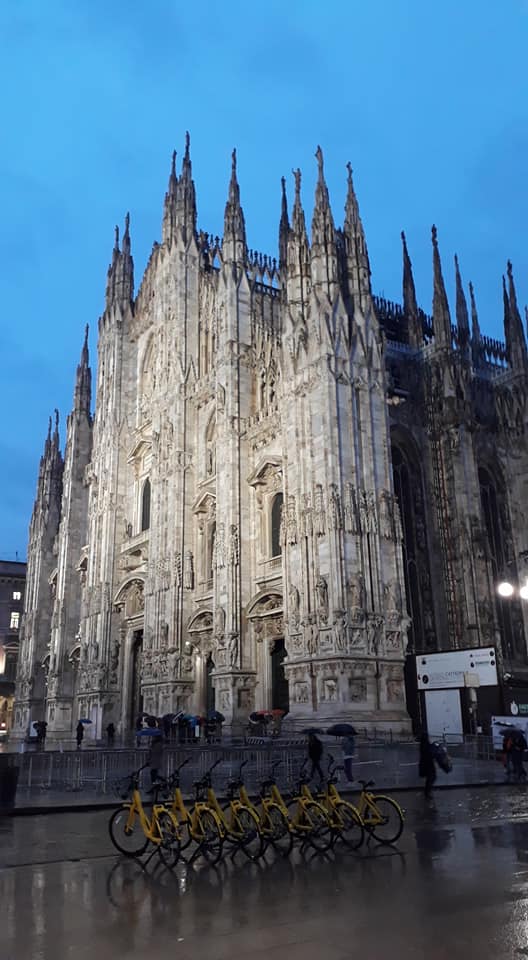
Being a country of such rich history it allowed for the class to have a field trip to Milan and Como over last weekend. The objective was to be able to see precedents we looked at in class about the Fascist and Rationalist period as well as to do a site analysis of the site in which our design project will be based. This I thought was amazing to be able to actually visit places we have studied and look at the design process and actual drawings by the architects.
My experience so far has been absolutely amazing. I now have friends from all over the world, I can’t to see where the next 12 months take me !!!
Laura Cimilio 12913517 Bachelor of Design in Architecture Politecnico di Torino Italy
Those were the three main questions I was asked when I told people I was going on exchange to Weimar in Germany. As soon as I responded, “Bauhaus” most people then seemed to understand where I was talking about (or at least acted like they did).
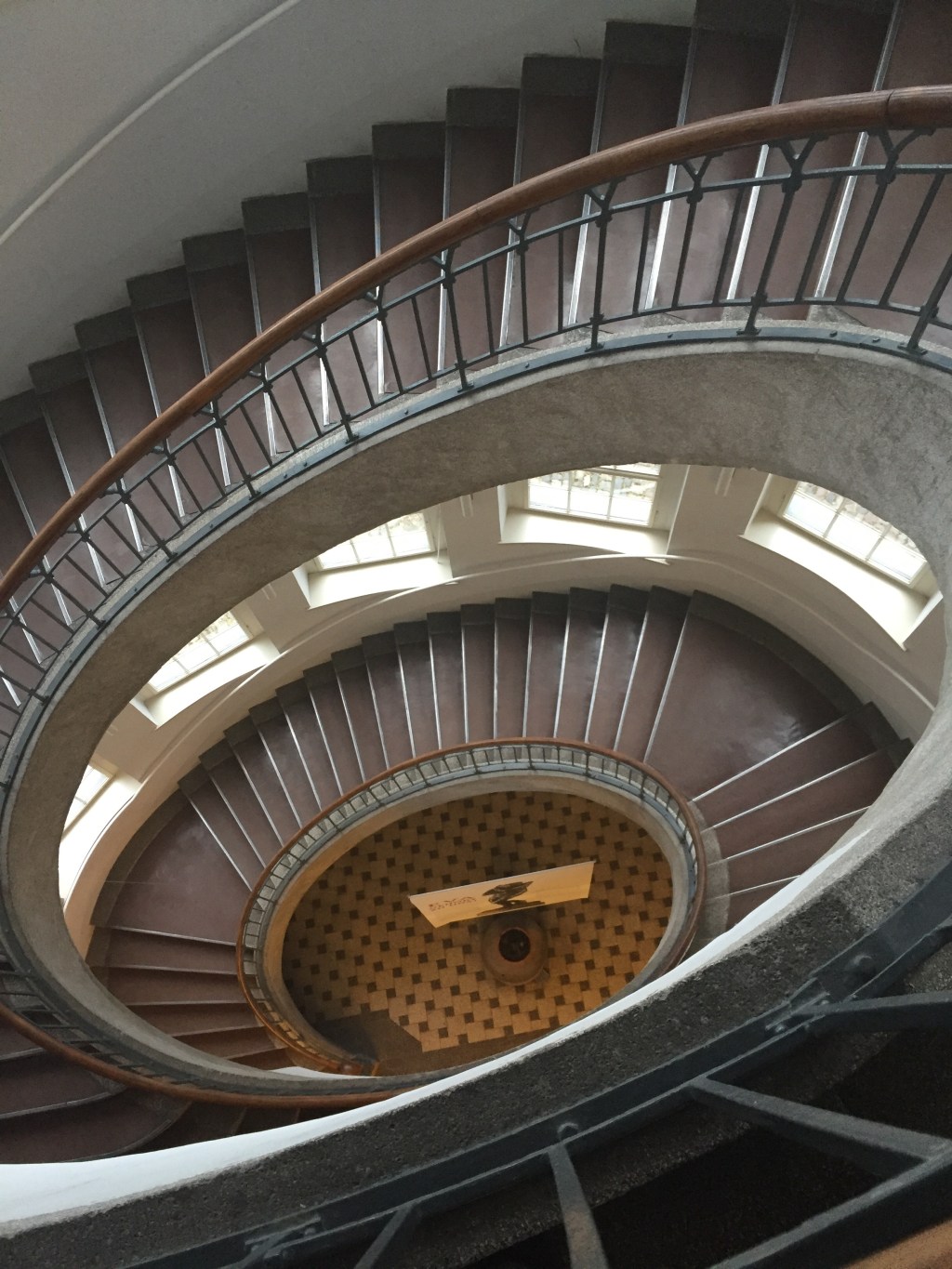
I’m studying Architecture at Bauhaus University, Weimar. For those wondering, it’s about 2-3 hour by train from Berlin and smack bang in the middle of Germany.
Before arriving in Weimar, I did some travelling. Having flown all this way to Europe I now have so many countries and new cities at my doorstep – Prague, for example is closer to me than Berlin. I first landed in London and spent three weeks there. It was absolutely freezing. It snowed for the first couple of days and the city could not cope. Next was Berlin, which was even colder. That cold was unlike anything I had ever experienced. Thankfully, the bars are warm! After two weeks of this freezing weather (and having to remove five layers of clothing every time I went indoors), it finally warmed up upon my arrival in Weimar. But then, it started snowing again.
I’ve now spent two days in Weimar and I’m really enjoying it. I wasn’t sure what to expect but it’s a very relaxed, student town. Uni doesn’t start until April, so students are only just starting to arrive back from the winter break. Exchange/erasmus need to arrive three weeks before classes start which has given me the opportunity to get to know the place, hang out with other students and just chill before I start the hectic life of the architecture student. I’m lucky because I managed to find a place in a share flat, so have had the luxury of having German Bauhaus students show me around – like to the best places for cheap food, where to do your grocery shopping and even all the uni stuff like where to get printing done, buy cheap materials and importantly, where to have a coffee or a beer after a long day. My flat is 15 minutes walk to uni (which is considered a long walk around here) or five minutes by bike. I’m lucky to have a bike with my flat share.
I’m really looking forward to starting the semester and seeing if architecture is just as intense here as it is back home. If you have any more questions or are interested in studying architecture at Bauhaus, feel free to email me hope.glover@student.uts.edu.au
Hope Glover 98114919 Bachelor of Design in Architecture Bauhaus University, Weimar Germany
The Yamanashi Summer Program for Japanese Language and Culture was an amazing experience which allowed me to learn and make friends while being away on a holiday! I applied for the course because I wanted to further improve my Japanese language skills first-hand, be absorbed in the Japanese culture and have a productive holiday. The program ran for 20 days at the University of Yamanashi in the city of Kofu, Yamanashi Prefecture. It provided a wonderful opportunity for me to experience everyday life in Japan in a smaller city, away from all the tourist attractions.
The program put us up in hotel accommodation by the main station in Kofu, which was a 20-minute walk away from the university. At first I was annoyed that our accommodation was so far away from the university, however after living there I began to appreciate the fact that our accommodation was so close to central Kofu, allowing us to conveniently enjoy the city during our free time.
The course also put us in a buddy system, assigning each of the foreign students with 2 Japanese buddies to become acquainted with. This was a mutually beneficial arrangement which saw the improvement of my Japanese conversation as well as the English conversation of my buddies by the end of the course. I also often met up with my Japanese buddies outside of university time for meals or karaoke, where I was exposed to elements of the Japanese lifestyle and entertainment.
Although, I am usually the opposite of a morning person, the schedule of the course however had fixed my sleeping pattern for the better for the duration of the 3 weeks. The course generally consisted of Japanese language class from 9am to midday, a lunch break at midday where we mostly met up with our Japanese buddies for lunch in the cafeteria and a culture class after lunch. The culture classes consisted of a range of traditional and modern activities such as ikebana (flower arrangement), tea ceremony, tofu making and judo. Furthermore, the course also took us on multiple exciting and scenic excursions by bus to Mount Fuji, lavender fields by the lake, peach picking and more. The range of Japanese cultural activities allowed me to truly understand and value the depth and complexities of the Japanese culture.
The course was a truly magnificent experience and I had a lot more fun than I expected. I was enjoyably busy for the entire 3-week period with the schedule of the course keeping me busy during the days, and hanging out with the other students and exploring Kofu city and its activities during the nights.