UTS Think Global

Dream. Explore. Discover.

Disclaimer: All blog posts are written by students and do not necessarily reflect the views of UTS staff.

  • Spice Up Your Life: My Data-Driven Exploration of Penang’s Heritage and Culinary Wonderland

    In January, I had the privilege of participating in the two-week Tropical Data Science School (TDSS) organised by the Universiti Sains Malaysia.

    The program blended the study of data analytics with cultural immersion, offering a well-rounded experience. Field experts shared their knowledge and insights, guiding us to develop skills in visualising data through powerful tools like Tableau and PowerBI. We also touched on machine learning and neural networks with RStudio and TensorFlow. The combination of theoretical insight and practical application provided a robust foundation to continue developing as a data analyst.

    In addition to our technical coursework, we were fortunate to engage with Dr. Hari Narayanan, the former CEO of Motorola Penang, who shared invaluable insights and his wealth of experience in fostering an innovative workplace culture. Our learning extended beyond the classroom as we visited Intel in Malaysia, where we gained firsthand knowledge about their cutting-edge hardware and software developments that have been crucial in advancing agnostic technological growth in our digital landscape.

    A standout feature of this journey was our buddies – an incredible group of local students. Beyond serving as cultural ambassadors, they played a pivotal role in guiding us through Malaysia. From answering our questions to sharing invaluable insights, our buddies became a reliable source for navigating the local landscape. The buddies introduced us to various facets of Penang’s unique and diverse cultural tapestry by immersing us in activities such as Batik Canting, Chinese Calligraphy and Holi. Their recommendations for hidden culinary gems added a flavourful touch to our experience, making the entire program unforgettable.

    On weekends, we embraced the freedom to explore Penang. One of our journeys led us to Malaysia’s National Park, a captivating forest teeming with wildlife encounters. Commencing at 9 am, we travelled up to the northern point of Penang Island and embarked on an hour-and-a-half hike to the pristine Kerachut Beach, an idyllic stretch of white sand with a Turtle sanctuary at its far end. The beach’s focal point was a long jetty, though the allure of a swim was tempered by the presence of box jellyfish in the waters.

    We had arranged for a boat to transport us from Kerachut Beach to Monkey Beach, renowned for the primates that lent it its name. We had been warned by multiple people to guard our belongings closely in the presence of these mischievous inhabitants. The beach was dotted with food stalls and kayak rentals, which allowed us to enjoy the beautiful location.

    The Tropical Data Science School (TDSS) left a lasting impression, exposing me to Penang’s rich cultural heritage and deepening my understanding of pivotal technologies within the data science field. The connections I had the privilege to foster with individuals during the program and the diverse places I got to explore have significantly enriched my perspective.

    I wholeheartedly recommend TDSS to anyone keen on evolving as a global citizen.

    Alicia Hastie
    Tropical Data Science School at Universiti Sains Malaysia
    Faculty of Engineering and Information Technology
    Destination Australia Cheung Kong Exchange Program (DACKEP) grant recipient
  • Say ‘Konnichiwa’ to Kumamoto

    I am currently studying abroad at Kumamoto University in Japan as part of the STEP program. As part of this program, I am taking a range of classes, including Japanese language classes and English-taught classes in subjects like politics, environment, and science.

    The teaching styles for each type of class are different. English-taught classes are similar to lectures at my home university, but the Japanese language classes are structured differently, with separate classes for reading, grammar, and speaking. This approach to language learning is providing me with a unique experience.

    In addition to the language classes, I am also taking classes in politics and historical/anthropological studies. These classes are giving me a better understanding of Japan and helping me develop skills that will be useful in my future career in environmental and urban policy.

    One of the things that stands out to me about my time at Kumamoto University is the kindness and openness of everyone I have met. Even when I am out in the city, people are patient and willing to speak to me in Japanese instead of switching to English. This creates a supportive learning environment that helps me improve my language skills.

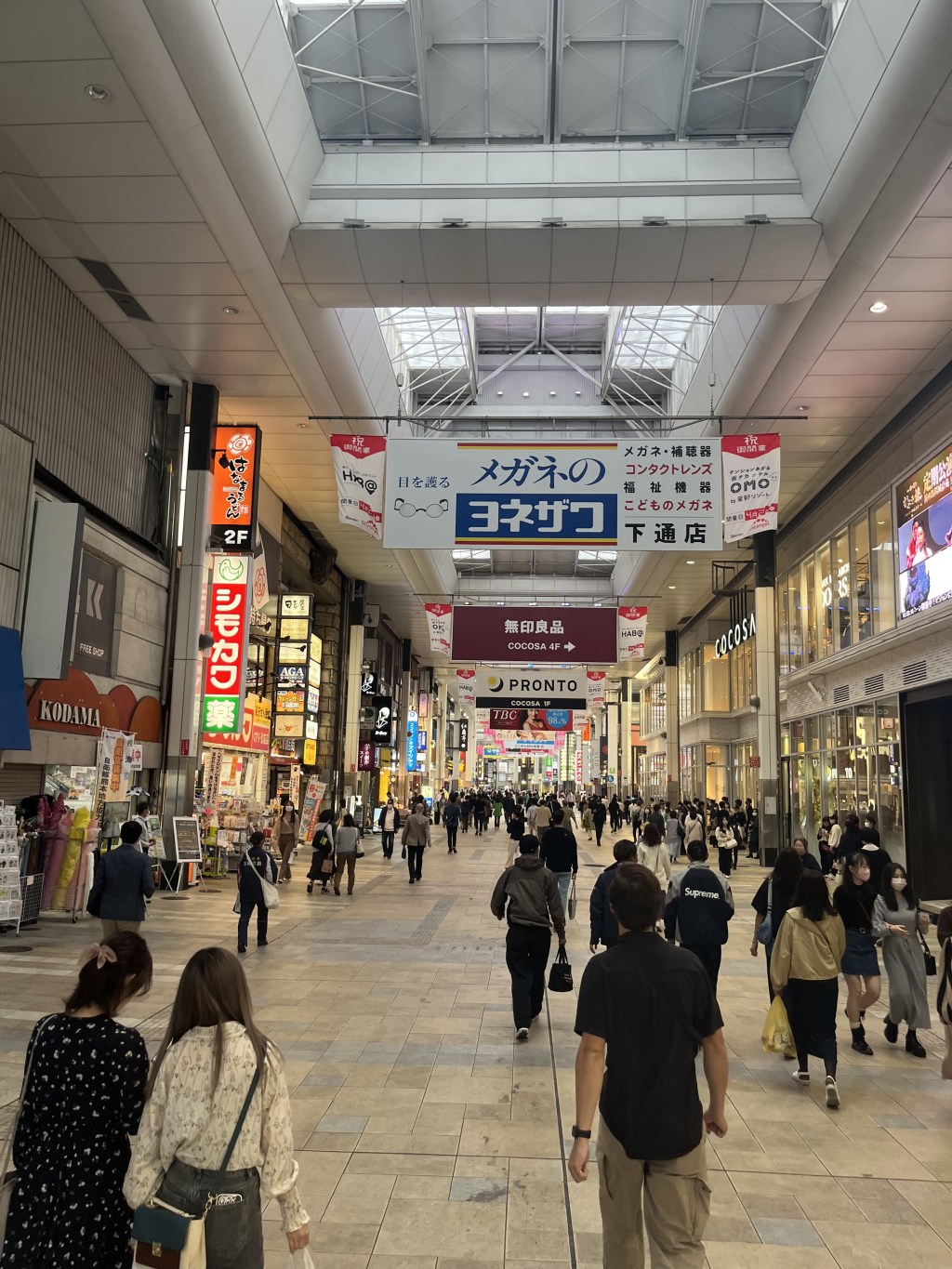
    Living in Kumamoto has also been a unique cultural experience. I am adopting the custom of saying “いただきます” before every meal, and I am still getting used to the differences in grocery stores, which tend to focus more on food items than household products. Although the climate in Kumamoto is similar to Australia, the city is surrounded by beautiful mountains and lies in a flat valley, making it easy to get around by bike. The bus system is reliable and almost always on time, which is convenient for traveling around the city.

    One thing that I would advise future exchange students to keep in mind is the potential language barrier. While many Japanese people do speak English like employees at convenience store chains, it’s not always the case, especially in more rural areas. Learning some basic Japanese before arriving can be a great help, and it can also show the locals that you are trying to integrate into the local culture.

    During my pre-study holiday in Japan, I took the opportunity to explore the country’s unique culture and traditions. One of my most memorable experiences was visiting Kobe, a national centre of sake making. During my visit to the last sake brewery of the day, I had the chance to taste some sake and learn about the brewing process.

    As I started tasting, I was asked some questions in English by the staff. However, I responded in Japanese, surprising both the other visitors and the staff. I explained that I was a foreign exchange student studying in Japan, and we ended up having a short conversation in Japanese about my future experience living in Kumamoto.

    Despite not always understanding every word spoken, the interaction was certainly fun and interesting. I even had the opportunity to speak with the head brewer about the history of the brewery, which never would have happened if I hadn’t taken the time to learn Japanese.

    Overall, studying abroad in Japan at Kumamoto University is providing me with an invaluable experience. From the supportive learning environment to the unique cultural experiences, I am gaining a wealth of knowledge and skills that will benefit me for years to come.

    For future exchange students I highly recommend being open-minded and adaptable; Studying abroad in a country-like area in Japan will likely be very different from what you’re used to. Be willing to try new things, embrace new customs, and be patient with yourself as you adjust to your new surroundings.

    Michael Clayden
    Bachelor of Science, Bachelor of International Studies
    Autumn 2023 session at Kumamoto University, Japan

  • Engineering Innovation in my now favourite city, Berlin

    In July of this year, I participated in a Global Short Program in Berlin, Germany, where I studied the subject of engineering innovation. My favourite parts of the experience included practicing the material I had been learning in my core degree in a new international context, exploring a new city, and forming friendships I still hold today.

    In my course, I was tasked with solving a problem in a team of individuals who do not have a background in transdisciplinary innovation. Due to this, I found myself in a leadership role that gave me confidence in the learnings I had obtained from my core degrees in Sydney. I not only enjoyed my learning experience but also felt inspired to pursue more international career options as I could see the value they hold in new contexts.

    Berlin is now my favourite city in the world. I loved watching people, trying food, drinking, smoking cigarettes, visiting markets, and everything else I had the pleasure of trying. Without the Global Short Program, I likely would not have spent as much time in the city. The structure of daily classes helped me hold a reasonable routine and opportunities to make friends to explore with outside of class time.

    And lastly, I enjoyed making friends with people I would otherwise have never met. In my course alone, there were people from at least 5 countries. If you include nationalities from other courses, that number would likely rise above 10. This kind of international exposure popped into my cultural bubble and exposed me to new worldviews. For example, most of the European people I encountered spoke at least 3 languages in comparison to my 1. Communicating with a small language barrier helped me develop interesting relationships while creating some very funny moments among new friends. I look forward to seeing them again in the future.

    My Global Short Program taught me to try things especially when the outcome is uncertain because you never know what may come out of it. If you have the opportunity to do a Global Short Program, I couldn’t recommend it more.

    Henry Pierce
    Transdisciplinary Innovation School
    Technische Universität Berlin, Germany

    Global Short Program Travel Scholarship recipient

  • Lens Focus on Nottingham

    When I first mentioned my upcoming travels to Nottingham for a Photography short course, I was met with blank faces or the occasional conflation of Notting Hill with Nottingham. Having never ventured into the UK before, most of England in my mind was either the bustling city of London or the picturesque yet sleepy countryside. To me, and perhaps most people, Nottingham was an enigma waiting to be uncovered. Occasionally, someone would mention its link to the Robin Hood legend, foreshadowing the rich tapestry of experiences that awaited me.

    The opening talk of the Global Short Program served as my initiation into Nottingham’s unique charm. Our course director introduced us to the town through a lively Kahoot quiz, revealing the town’s various inventions, famous alumni, and historical sites. Nottingham, I soon discovered, was a place of unexpected innovation. Most notably, I was surprised to learn that the very traffic light we often found ourselves bewildered by, as they didn’t face pedestrians or make any noise when changing colours, was invented right here in Nottingham. Furthermore, the inventor of Boots Pharmacy, a household name, was born in this unassuming town.

    As a student focusing on Photography and Heritage, my cohort and I had the privilege of spending the first week and a half on day trips, exploring the sites of Nottingham through the lens of our cameras. We embarked on journeys through the arts district of Hoxley, where vibrant murals adorned the walls and quirky op shops beckoned us to explore their treasures.

    The next day our knowledgeable tutors led us to the childhood home of the renowned poet Lord Byron, a historical site that provided us with insight into his colourful life. As we photographed the stunning estate with its duck pond, waterfalls, and heritage buildings, Byron’s world came alive before our eyes. Our journey continued to Matlock Bath, a place where Byron was known to frolic with his lovers, adding a romantic aura to our adventure. Of course, a trip to Nottingham would not be complete without venturing into the heart of Sherwood Forest, to visit the Major Oak tree and the site of the Robin Hood folklore. Each trip was imbued with a sense of whimsy and curiosity, particularly as I had the opportunity to experiment with a proper digital camera, and even a film camera. There was something so special about snapping a shot, and not knowing what I would find later in the darkroom as I developed the film in pools of chemicals.

    But beyond the sights and history, it was the people I met during my program that truly enriched my experience. I formed bonds with fellow students from both across the world, and from UTS, and together, we embarked on this incredible journey of discovery.

    In Nottingham, I learned that adventure lies in the most unexpected places. It’s a place where history and innovation coexist, where legends come to life, and where friendships are woven through shared experiences. My Global Short Program experience in Nottingham was a lens into a world I had never imagined, and it left me with memories that will stay with me for a lifetime.

    Ella Springer
    Faculty of Design, Architecture and Building
    Photography and Heritage at Nottingham Trent University, United Kingdom
    Global Short Program Travel Scholarship recipient

  • Unforgettable Adventures: My Faculty-led Global Short Program Experience

    Embarking on a Faculty-led Global Short Program was more than just a journey; it was a transformative experience that expanded my horizons and enriched my understanding of the world. From engaging speakers to global connections and immersive cultural exploration, every moment left an indelible mark on my personal and academic growth.

    Highlights of the Program:

    1. Diverse Perspectives through Inspiring Speakers: The heart of the program was undoubtedly the array of captivating speakers who shared their insights. From industry leaders to academics, each talk opened up new perspectives and sparked thought-provoking discussions. These sessions not only broadened my intellectual horizons but also provided valuable real-world insights that transcended the confines of the classroom.

    2. Global Networking and Delegates Interaction: One of the most cherished aspects of the program was the opportunity to interact with delegates from around the globe. Networking sessions provided a platform to exchange ideas, collaborate on projects, and establish connections that stretched beyond geographical boundaries. Engaging with individuals from diverse backgrounds not only enhanced my professional network but also fostered a deeper appreciation for the global community.

    3. Cultural Immersion: Beyond the confines of conference rooms, the program allowed me to delve into the rich tapestry of cultures in the countries visited. From exploring historic landmarks to savouring local cuisines, every cultural immersion was a lesson in itself. These experiences not only enriched my understanding of different traditions but also sparked a genuine curiosity to learn more about the world’s diversity.

    Reflecting on the Journey:

    The Faculty-led Global Short Program wasn’t just about acquiring knowledge; it was about personal growth. Navigating through unfamiliar environments and collaborating with peers from different cultures sharpened my adaptability and communication skills. It taught me the importance of embracing diversity and recognizing the strength that comes from varied perspectives.

    The program also challenged me to step out of my comfort zone, fostering resilience and a willingness to explore the unknown. Whether it was overcoming language barriers or navigating unfamiliar landscapes, each obstacle became a stepping stone in my journey of self-discovery.

    Closing Thoughts: As I reflect on my Faculty-led Global Short Program experience, I am filled with gratitude for the countless lessons learned, friendships forged, and memories created. It was not merely a program; it was a profound adventure that has left an enduring impact on my academic and personal life. The combination of inspiring speakers, global networking, and cultural immersion has shaped my worldview, making this short program an invaluable chapter in my educational journey.

    Whether you’re a student seeking academic enrichment or someone eager to embrace the global community, a Faculty-led Global Short Program is a gateway to unforgettable experiences and lifelong learning. Embrace the opportunity, and let the world be your classroom.

    Gourav Khedkar
    UTS Business School
    Faculty-Led – BUILD – Peace Summit of Emerging Leaders in Bangkok, Thailand
    BUILD Global Ambassador Grant recipient

  • Embracing Unity: My Journey through the Global Short Program Tapestry

    Hey there, fellow wanderers of the world! Today, I’m thrilled to unravel the chapters of my heartening experience in the Humanitarian Affairs Asia 3rd Peace UN Conference. This adventure wasn’t just a program; it was a soul-stirring expedition that reshaped my perspectives and set my heart ablaze for collaborative peace and cross-cultural connections.

    Picture this: a room filled with eager minds, absorbing stories of resilience and hope. Speakers shared firsthand experiences of the Khmer Rouge genocide, the Palestine and Israel conflict, and the Rwandan tragedy. These narratives transcended history; they became bridges connecting our hearts to the world’s collective struggles. It was in those moments that I felt the pulsating urgency for global unity.

    As an Australian peace delegate, I found myself surrounded by the vibrant hues of diversity. Conversations echoed with accents from 55 different countries, creating a symphony of languages and cultures. The summit wasn’t just a gathering; it was a celebration of our shared humanity. The amalgamation of backgrounds, ideas, and dreams forged a connection that transcended borders and ignited a sense of collective responsibility.

    The heart of the program beats with the rhythm of collaboration. Working shoulder to shoulder with peers from around the globe, we faced real-world challenges head-on. The projects weren’t just academic exercises; they were manifestations of our collective intelligence and creativity. It was a tangible reminder that when diverse minds unite, powerful solutions emerge.

    Beyond the formalities, the program was a carnival of cultural experiences. From participating in traditional ceremonies to dancing to the beats of global rhythms, every moment was a celebration of diversity. As an Australian peace delegate, I didn’t just share my culture; I embraced the richness of others’. These cultural exchanges weren’t just events; they were threads woven into the fabric of lasting connections.

    Reflecting on this journey, it’s clear that the Global Short Program wasn’t just an academic pursuit; it was a personal odyssey. The friendships forged and the lessons imbibed have become integral parts of my identity. The commitment to promoting peace and understanding isn’t just a statement; it’s a flame kindled during those transformative days.

    As I navigate the road ahead, the echoes of engaging discussions, the thrill of collaborative projects, and the warmth of cultural exchanges will guide my steps. This experience has not just broadened my horizons; it has fuelled a personal mission to be a catalyst for change.

    The Global Short Program has been my flight, propelling me towards a future where unity, understanding, and peace prevail. Join me in weaving a tapestry of hearts that beat as one, transcending borders and embracing the beauty of our shared humanity.

    Anthony Cao
    UTS Business School
    Faculty-Led – BUILD – Peace Summit of Emerging Leaders in Bangkok, Thailand
    BUILD Global Ambassador Grant recipient

  • The Power of Storytelling: A Journey as a UTS Peace Ambassador

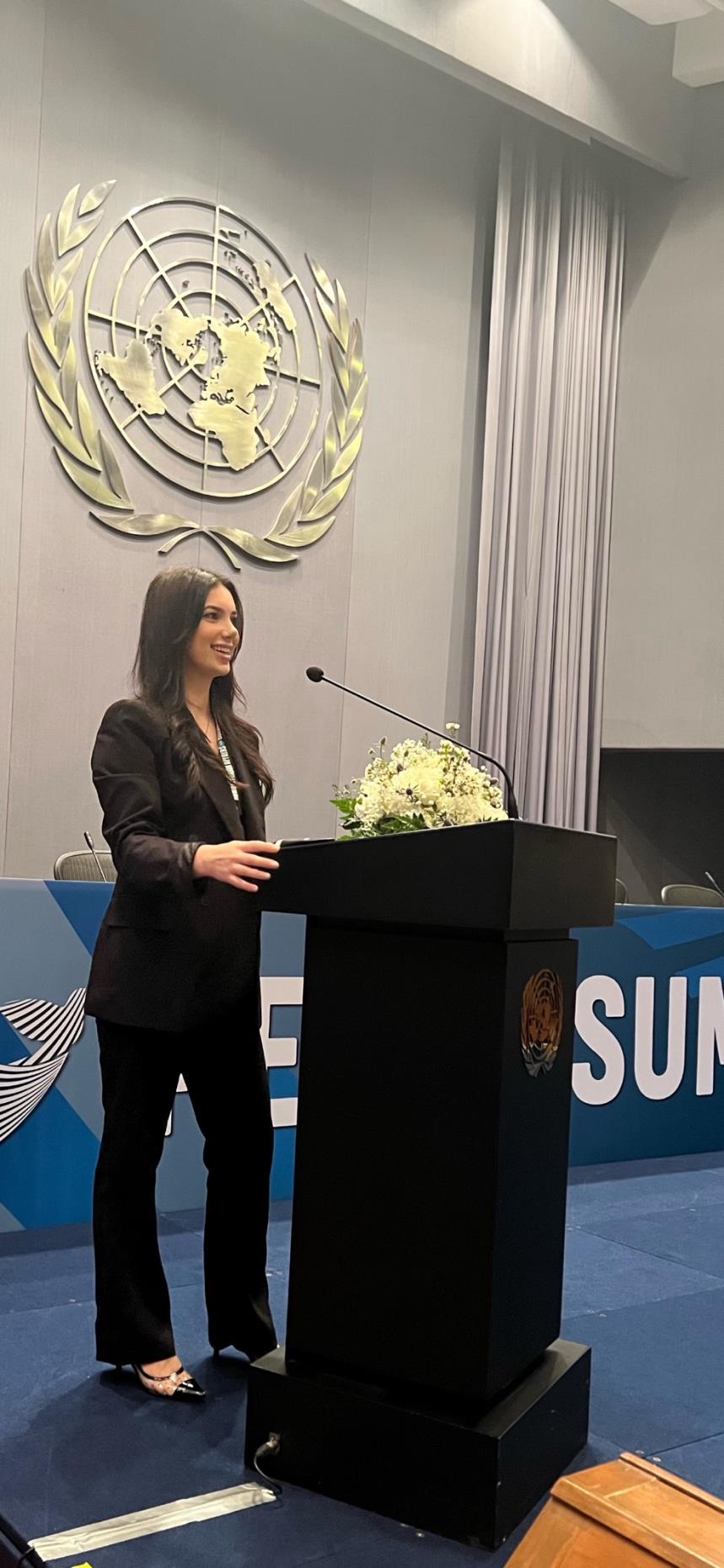
    In the heart of global diplomacy, at the 3rd Global Peace Summit for Emerging Leaders held at the United Nations conference centre in Bangkok, Thailand, I found myself amidst 350 delegates from 47 countries. The atmosphere was charged with anticipation, and little did I know that the power of storytelling would unfold as a transformative force during this remarkable event.

    The summit featured a lineup of influential speakers, each sharing their unique narratives to foster understanding and unity. Among them were two individuals whose stories resonated deeply with me, Hassan Akkad and Loung Ung. Their narratives, while diverse, shared a common thread of resilience and courage that struck a chord with the audience.

    Hassan Akkad, a Syrian refugee and award-winning filmmaker, brought the stark reality of conflict to life through his personal journey. His firsthand account of fleeing war-torn Syria and seeking refuge in the UK painted a vivid picture of the challenges faced by millions around the world.

    Loung Ung, a survivor of the Cambodian genocide, captivated the audience with her poignant tale of loss, survival, and eventual triumph. Her ability to convey the unimaginable hardships she faced, combined with unwavering hope, left an indelible mark on the hearts of everyone present. As an Assyrian woman, the echoes of displacement and persecution felt all too familiar, and I couldn’t help but draw parallels to the historical persecution my community has endured over centuries.

    What made these narratives truly powerful was their relatability. Despite our diverse backgrounds, the stories of Akkad and Ung transcended cultural boundaries, emphasising the universal nature of human struggles. I felt a profound connection to the speakers and their narratives, realising that our stories, though different, were intertwined by a shared resilience in the face of adversity.

    The summit highlighted the transformative potential of storytelling in fostering empathy and understanding among diverse communities. It served as a reminder that, regardless of our origins, we are bound by our collective humanity. As a peace ambassador, I left the conference centre with a renewed sense of purpose, inspired to amplify the voices of those who, like me, hail from marginalised backgrounds.

    In the end, the summit became a testament to the enduring power of storytelling – a force capable of transcending borders, connecting hearts, and fostering a global community united by the strength of shared narratives.

    A sincere thank you to the UTS BUILD program (Beyond UTS International Leadership Development) for granting me the opportunity to represent the university as a delegate in the 3rd Global Peace Summit. The program’s commitment to fostering international leadership development has been instrumental in expanding my horizons, fostering personal growth, and refining my leadership skills.

    I would highly encourage students and future leaders to engage in such transformative experiences, UTS BUILD is making a profound impact on shaping the leaders of tomorrow. The summit served as a platform for me to witness the power of diverse narratives and develop a global mindset, instilling in me a deeper understanding of the importance of cross-cultural collaboration.

    Elina Isaac
    UTS Business School

    Faculty-Led – BUILD – Peace Summit of Emerging Leaders in Bangkok, Thailand
    BUILD Global Ambassador Grant recipient

  • My Experience at the Humanitarian Affairs 3rd Global Peace Summit at the United Nations in Bangkok, Thailand

    In January 2024 I was given the opportunity to attend the Global Peace Summit for Emerging Leaders at the United Nations in Bangkok, Thailand which was hosted by Humanitarian Affairs Asia. As one of the delegates from the University of Technology of Sydney I joined 350 young people from 47 countries in learning how to cultivate a more peaceful world. 

    I arrived in Bangkok a couple of days before the conference as I was selected to be part of the Leadership Team at the conference. My roles including welcoming the delegates at the registration desk, helping with the coordination of activities, and taking part in an interview on why it is important for young people to engage in peacebuilding.

    Throughout the conference we listened and asked questions to several extremely remarkable and passionate people who shared their stories and their messages of how we can strive for peace in an increasingly divided and complex world. Some of the speakers included Nivine Sandouka who is a Palestinian Peace Activist and Regional COS of Middle East Peace, Hassan Akkad who is a Syrian refugee rights activist and filmmaker and Loung Ung who is a Cambodian Genocide Survivor and author of ‘First They Killed My Father’. Their resilience and dedication to promoting peace was extremely inspiring and made me feel empowered that I can make a positive difference. I learned about the importance of promoting active listening, understanding and empathy in order to have meaningful dialogue and support peacebuilding.

    Connecting with other young people who want to make a positive impact on the world was an amazing and special experience. Outside of the conference I had fun exploring Bangkok with other students I met, including students from Singapore, Australia, USA, Canada, China, and lots of other different countries! I also celebrated my 21st birthday with the other delegates I met by exploring the infamous Khaosan Road in Bangkok which had loads of stalls, pubs and an amazing energy.

    Following the conference, I went solo travelling in Thailand for a few days which included Phuket and the Phi Phi Islands. I spent my time exploring, eating delicious Thai food, taking boat tours around the islands, snorkelling, swimming and relaxing.

    Overall, I had an amazing experience at the 3rd Global Peace Summit, and I also made some great friends from Sydney and Adelaide who I’m looking forward to catching up with. I would really encourage everyone to take up this opportunity as I have learnt so much about the mechanisms and tools which support peacebuilding and it was amazing to meet so many other passionate students. As a delegate I will also be taking on the role of a Humanitarian Affairs Peace Ambassador during 2024 which involves undertaking peacebuilding initiatives in my wider community, and I am excited to see what other delegates do to promote peace in their communities. 

    Zara Horton
    Faculty of Law
    Faculty-Led – BUILD – Peace Summit of Emerging Leaders in Bangkok, Thailand
    BUILD Global Ambassador Grant recipient

  • Spending my autumn discovering Taiwan’s gigs and art shows

    I’m currently undergoing a Bachelor of Science Bachelor of International Studies at UTS, majoring in Physics and Chinese. I came to Taiwan in order to immerse myself in a Mandarin-speaking environment and improve my Chinese, also hoping to experience some of the local Science faculty while I was at it.

    Because I was the only person travelling from UTS to Taiwan, I started off my exchange as a solo traveller. For those of you that are in a similar position (and like me at the time might not be too confident in your mandarin) fear not for almost everything here in the major cities and tourist spots is doubled in English, and even when it’s not the people are incredibly lovely and willing to help out (though I do of course still recommend practicing your mandarin). The dormitory that I had the opportunity to stay in had four people per room, which for me was perfect because it meant that I instantly made 3 great friends, and it was also incredibly cheap compared to other housing options (from memory I paid roughly $850 for the entire 5 months that I am staying here). However, I found that it was quite easy to find like minded people outside of the dormitory and classes too if dorms are not your thing.

    If you are studying at National Taipei Normal University (NTNU), they allow you to take a free, non-credited course at the Mandarin Training Centre (MTC) which is a world-renowned centre for teaching Chinese. And it truly does offer some great lessons and teachers, however, personally I found that it was a bit tricky to organise my timetable at NTNU in accordance with the MTC. This is because they are two separate entities and at times operate on different schedules, despite being on the same campus.

    NTNU itself is quite a diverse university in terms of courses though it is mostly known for its humanities, unlike NTU which is also in Taipei but is more known for science and engineering from what I understand. Despite this, I enrolled in the Department of Earth Science, and I must say my Marine Biology class has been my favourite so far in the semester. It seems that a pretty common aspect of the classes here is to go on field trips, and I highly recommend taking a class if field trips happen to be in the syllabus because they offer an easy way to see parts of Taiwan that you might not otherwise get to see. Also, if you are going to NTNU, keep in mind that many of the classes that show up on the class list that you are given before you are in Taiwan don’t actually end up running, and I personally ended up having to change every single class that I thought that I was going to take because of this fact, or timetabling/bureaucratic issues.

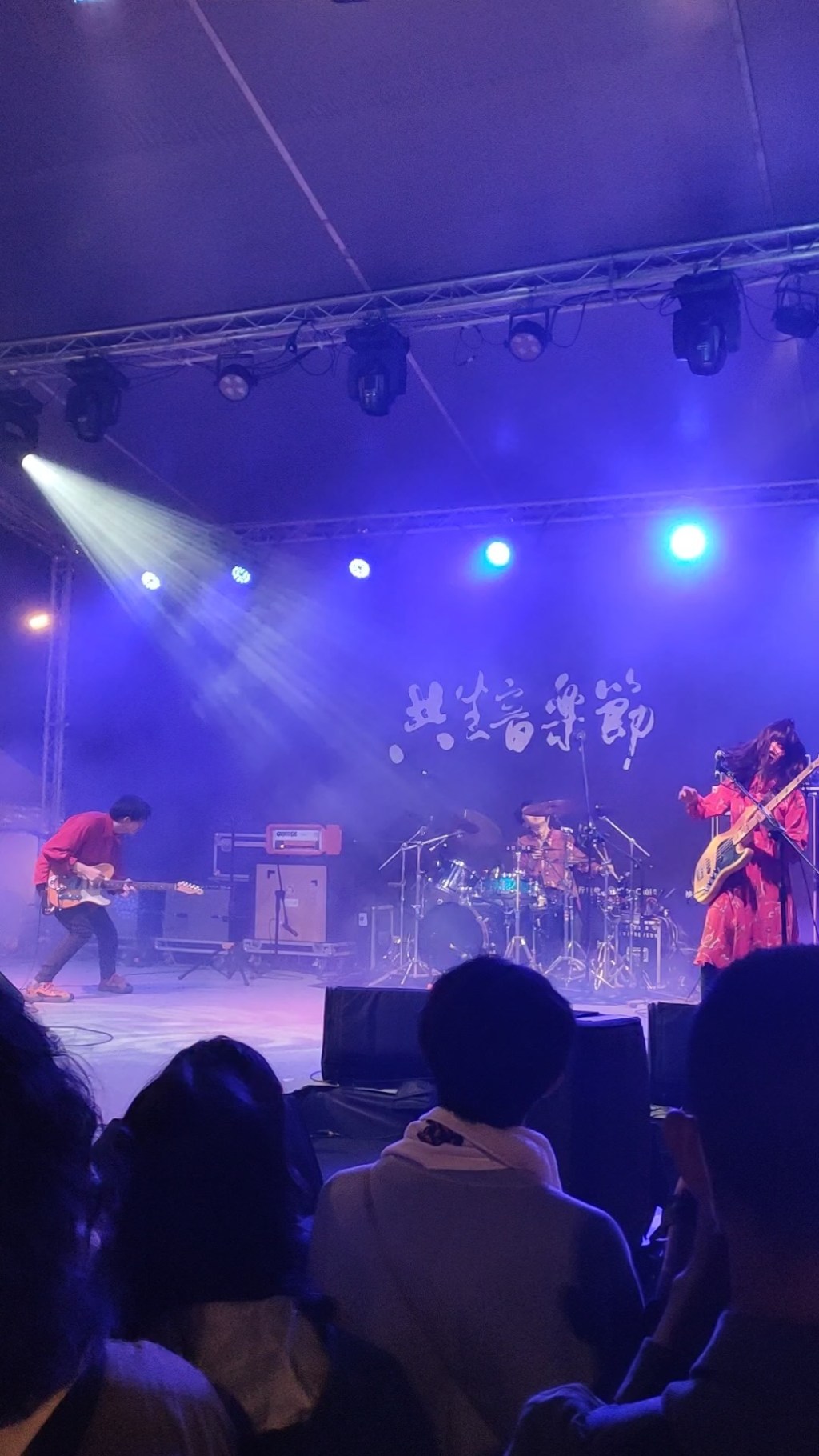
    Lastly, what has really struck me during my exchange during Taiwan, is the amount of young people contributing to art, music and culture, whether it’s underground, experimental or mainstream. I’m personally a big music fan and have found that if you want to come to a country where gigs and art shows are commonplace and easily accessible day and night, weekday and weekend, Taiwan is the place for you. I can readily say that this is what I have enjoyed about Taiwan so far in the 3 months that I have been here.

    Small and more intimate music venues are all over Taipei and after talking to locals you will quickly discover some of the best (out of the ones I have been to, I recommend the Witch House if you’re looking for somewhere to sit down and chill with a drink, or the Wall which is more of a standing/dancing venue and happens to be right next to the university). Often such venues simultaneously hold art shows which is also a great way to discover up and coming young Taiwanese artists. Festivals are also commonplace, and I highly recommend visiting Kenting in the south of Taiwan to catch the Taiwan Music Fest if you’re here at the right time.

    Luckily, the public transport will take you all over the country. Travelling with my newly found friends that come from both Taiwan and also all over the world has given me some of the best memories and most ridiculous, but fun moments. Apart from the metro within each of the major cities, there are also intercity trains and buses, as well as a high-speed rail, meaning that you are spoilt for choice in terms of how quickly and cheaply you want to get anywhere. That said, I do recommend booking these things far in advance because during holiday periods, tickets sell out quick. I also must have an honourable mention for the self-service rentable bike stations all over the city that have honestly been a pillar of my exchange trip so far. These bikes are great to rent and travel with all over because not only are they incredibly cheap, but the cities here are relatively small in surface area compared to Sydney, so you can definitely get from point A to point B without much trouble for the most part.

    Valeriya Karmazina
    Bachelor of Science, Bachelor of International Studies
    Autumn 2023 session at National Taiwan Normal University, Taiwan

  • Transformative Italian Journey

    Stepping into a new environment can be both exhilarating and intimidating. For most of my life, I had been content within the confines of my comfort zone, hesitant to push my boundaries. However, when the opportunity to participate in a global short program in Milan came my way, I saw it as a chance to break free from this pattern and embark on a journey of personal and academic growth.

    To ensure I made the most of this experience, I knew I needed a well-defined strategy. Setting clear learning objectives became my roadmap for navigating the unfamiliar territory that awaited me in Italy. These objectives served as a foundation to bring structure and purpose to what initially seemed like a chaotic adventure.

    My four primary learning goals were:

    • Cultural Immersion: I aimed to immerse myself fully in the local culture, understanding customs, traditions, and social norms. I wanted to develop effective cross-cultural communication skills and engage in activities that would provide me with firsthand experiences of daily life in Milan.
    • Language Proficiency: Language is a key to understanding a culture, so I set out to enhance my language skills by conversing with native speakers. My goal was to attain a specific level of fluency in Italian by the end of the program, expanding my vocabulary and grasping idiomatic expressions for more natural communication.
    • Academic Achievement: Being in Milan wasn’t just about exploration; it was also an opportunity for academic growth. I set precise targets for my performance, aiming to actively participate in class discussions and achieve specific academic results.
    • Personal Growth: Stepping out of my comfort zone was a challenge in itself. I wanted to cultivate adaptability and resilience by navigating uncharted territory and surmounting obstacles. Additionally, I sought to gain heightened self-awareness by reflecting on my personal values, beliefs, and how I evolved throughout the program.

    As my journey unfolded, these objectives became my guiding lights, coloring my experiences and decisions along the way. Each day brought new insights, challenges, and moments of unity as I mingled with diverse cultures and deepened my understanding of the world.

    However, something unexpected happened as I delved deeper into the local culture and values. My initial goals underwent a transformation of their own. I realized that cross-cultural interactions extended beyond mere communication and academics. The immersion in the daily lives of locals unveiled perspectives that challenged my preconceived notions, enriching my approach to problem-solving and innovation.

    In light of these shifts, my goals became more inclusive and holistic. My journey wasn’t just about personal and academic growth anymore; it was about fostering genuine connections, valuing diverse viewpoints, and embracing unfamiliar experiences. My goal of personal growth now encompassed greater empathy and cultural sensitivity, enabling me to navigate the complex tapestry of our global society.

    Overall, my global short program experience in Milan was a dynamic blend of achievements and challenges that transformed me into a more culturally aware and well-rounded individual. The interplay between my learning objectives and the rich cultural tapestry of Milan reshaped my understanding of education and personal development. It taught me that stepping out of your comfort zone and embracing the unknown can lead to profound personal and academic growth.

    Ryan Cussen
    Faculty of Transdisciplinary Innovation
    Università Cattolica del Sacro Cuore, Italy
    Global Short Program Travel Scholarship recipient