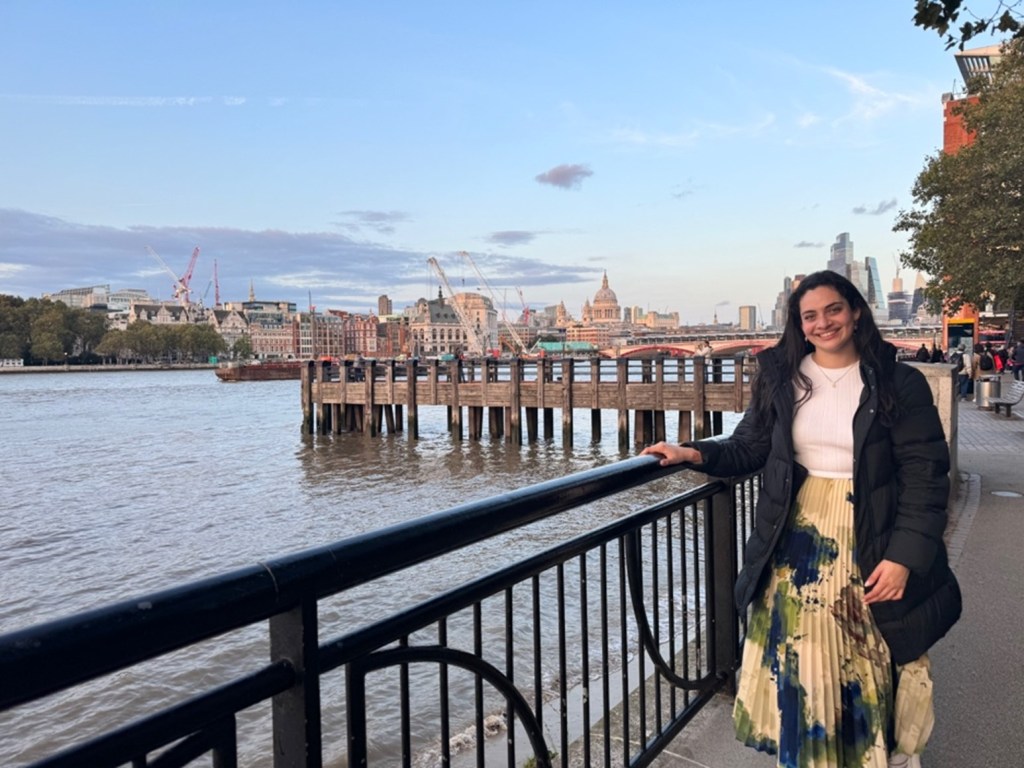
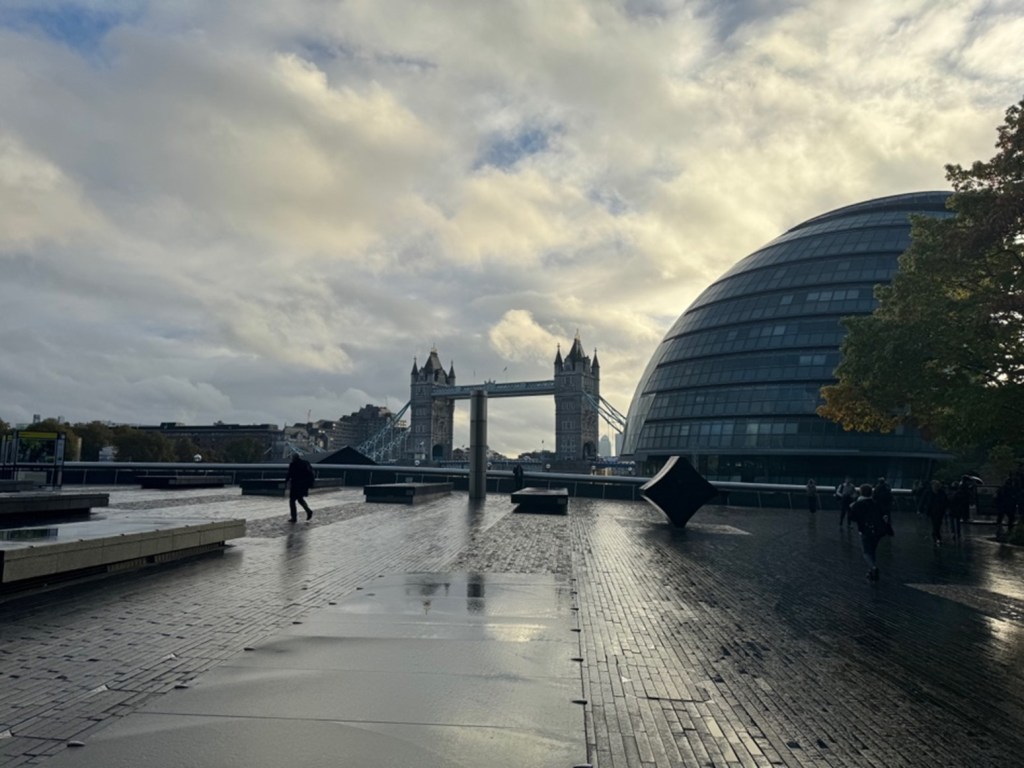
My name is Connee and I study a Bachelor of Economics and Bachelor of Sustainability and Environment at UTS. This is the story of my summer at the London School of Economics and Political Science (LSE).
In front of the National GalleryThe view of the National Gallery from Trafalgar Square
Global exchange was not something I had envisioned for myself when I started my university studies. To be honest, I was very comfortable with my life at home and wasn’t sure about how studying abroad would add to my life. After having just returned from a month of studying and exploring in London, I am very happy to say that I was proven wrong.
There were so many highlights from my session abroad but I have to give special mention to my amazing course and professor, and witnessing a performance of Shakespeare’s ‘Much Ado About Nothing’ live at THE Globe Theatre.
The subject I chose for my summer program was EC240: Environmental Economics and Sustainable Development, which was all about the economics of pollution control, natural resource use, international development and climate change. I absolutely loved this course and would recommend it to anyone interested in understanding the complexities of climate action, not just economics or sustainability students. Not only was it incredibly eye-opening, but my professor was so skillful in engaging us as students and always gave us context and perspective in what we were learning. Even though you could sometimes feel a sense of hopelessness learning about these things, we were always reminded of the importance of continuing nevertheless.
In my Environmental Economics and Sustainable Development class
I found that the most difficult thing to adjust to in London was the length of the days – oftentimes, the sun wouldn’t set until 10pm! That meant after classes finished for the day, we would have another 5-7 hours of sunlight to explore the city under. Here’s a photo of one of my favourite discoveries when I went exploring after class – the Southbank book market located under a bridge next to the National Theatre:
Finally, my trip would not have been complete without visiting the Globe Theatre. I was lucky enough to grab a standing ticket for the yard (for only £5!) on the second weekend of my course. It was an unforgettable performance of Shakespeare’s ‘Much Ado About Nothing’ all thanks to the phenomenal actors. Their liveliness and energy could be felt from the galleries and it made for a brilliant comedic atmosphere.
The gorgeous set of Much Ado About Nothing at Shakespeare’s Globe Theatre
If you are considering embarking on a global short program or similar exchange program, please take my advice and go for it. You will never experience something quite like it and you might just learn something new about yourself.
Connee Fung Bachelor of Economics Bachelor of Sustainability and Environment London School of Economics and Political Science, United Kingdon Global Short Programs Travel Scholarship
My time in Barcelona was a journey of growth, challenge, and discovery. I went with a few goals in mind—building independence, understanding a new culture, and learning about local innovation—but the experience turned out to be more complex and rewarding than I expected.
One of the biggest challenges was learning to live on my own. Back home in Australia, I’m used to a full house, so suddenly being by myself in Barcelona was a major adjustment.
Everyday tasks like cooking and navigating the city became lessons on independence. The first few days were tough, especially dealing with loneliness, but I quickly realised the importance of making new connections. I am definitely a people’s person, so when I realised that it’s literally just like talking to people back home. Once this realisation hit me, a very quickly was able to form friendships. My first friend I made was a bloke named Hishan, who was a German classmate, this helped me feel more settled.
Adapting to the local culture and language was another hurdle. With most people speaking Catalan and my Spanish being basic, communication was tricky at times. I learned enough Spanish to get by, though my Australian accent made things interesting—locals often had trouble understanding me. I had to adjust by slowing down my speech and toning down the accent, which made interactions smoother. Even dropping the Aussie slang that had been ingrained to me after living here all my life. It was funny but letting my friends try to guess what I was saying.
I found even that when people found out that I was Australian, they were very willing to assist me and ask plenty of questions. This helped with my interactions with locals, which I also had to adjust to the local way of communicating, which was often more indirect than what I was used to. Paying attention to non-verbal cues and listening more closely became essential skills.
A major goal for me was to learn about Barcelona’s approach to innovation, especially in areas like sustainability. Through conversations with my university lecturer and my own observations around the city, I gained a better understanding of how Barcelona is leading in these areas.
As the weeks went by, my goals evolved. My focus on independence shifted to include the importance of building a support network in a new environment. I also became more interested in broader cultural experiences, beyond just Catalonia, thanks to my interactions with people from across Europe.
Reflecting on my time in Barcelona, I can see how much I’ve grown. The experience also sparked new interests that I’ll continue to explore in the future, such as continuing the study of the Spanish language. I now have lifelong friends all around the world, which even sitting here writing that now is crazy! I am forever grateful for this opportunity, and I couldn’t thank UTS Global Short programs enough.
Angus Cunningham Bachelor of Business Bachelor of Creative Intelligence and Innovation Universitat Autònoma de Barcelona Summer School Global Short Programs Travel Scholarship
Unlike many global exchange students, my journey to Sophia University in Tokyo was not one I had originally envisioned. Initially set on completing a full year’s study abroad in Beijing, China, as part of my degree and as an ICS student, those plans were soon thrown out of the window with no great thanks to the COVID-19 pandemic. Nonetheless, sometimes an unexpected turn of events can lead to some of the most incredible adventures and experiences. So simultaneously thanks to Covid, Japan emerged as a compelling opportunity, and Sophia University became a great alternative for me to explore a culture vastly different from UTS.
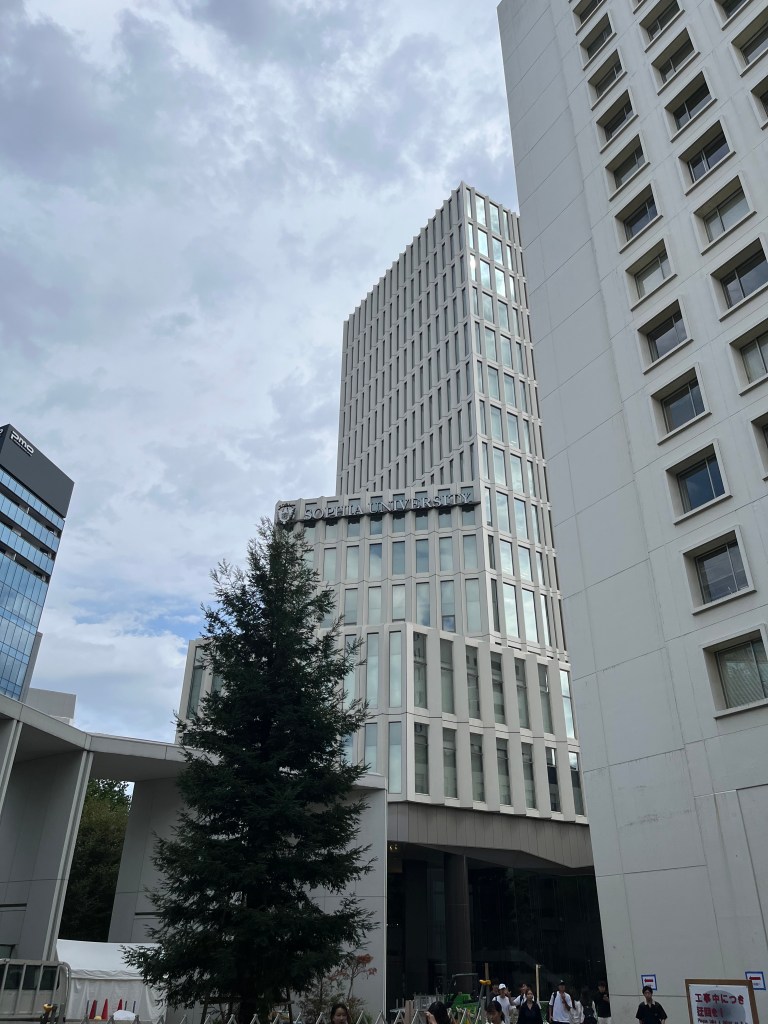
Sophia University
Life in Tokyo
At the time of writing this blog post, I’d already arrived in Japan about two and a half weeks ago, have started my classes, and have slowly begun adjusting to life in Tokyo, but I think a quick recap of my arrival is in order.
After clearing customs and immigration at Haneda Airport, I headed straight to one of the counters to pick up my SIM card which I had ordered online. I’m currently using a SIM card from Mobal, which I highly recommend for those who need/want a lot of data and are staying long-term. The activation process was simple, and within 30 minutes, I had 4G connection.
Since I’d been to Tokyo before on family holidays, I had some knowledge of Tokyo’s intricate yet convenient train lines. The train ride from Haneda Airport to my assigned dormitory wasn’t as difficult as I thought it’d be, apart from experiencing the incredibly humid 30-degree heat and having to carry a heavy suitcase in each hand. Within an hour or so, I’d made it to my dorm in Nakano-Sakaue – Dormy + Café Nakanosakaue to be exact.
I’ve chosen this dorm due to a few reasons, but mainly because of privacy, comfort and accessibility. Although the dorm is one of, if not, the most expensive option out of the selection of housing provided by Sophia, having a private bathroom, private shower, and being a 15-minute commute to Sophia University makes it entirely worth it. (Thanks mum and dad for helping me pay for my room!) However, if you’re someone who wants to meet other students and interact with people, I wouldn’t recommend this dorm as there isn’t really a communal area for people to socialise in. Dormy + Café Nakanosakaue’s building used to be a business hotel that had been recently renovated into a dormitory, so you can expect the sort of privacy a regular hotel normally has. The café next door does serve free breakfast though!
Ichiran
In these two short weeks, I haven’t experienced Tokyo as much as I’ve wanted to, which will hopefully (no doubt) change in the future. The dorm is situated 2 stations away from Shinjuku, so exploring, shopping, and eating has been relatively easy. My first proper meal in Japan was at Ichiran, a popular and affordable chain ramen restaurant famous for their rich pork-based broth. You order what you want from a unique vending machine and get seated at these individual booths – perfect for introverted people! One quick tip, if you have enough room in your belly, make sure to order a bowl of rice and dump it in your leftover broth. Thank me later 🙂
One of my earliest adventures in Tokyo was ascending to the top of the Tokyo Metropolitan Government Building in Shinjuku at night. I’d met up with another UTS student who is also currently attending Sophia University, and when figuring out what we should do whilst sat in a Starbucks in the middle of Shinjuku, we thought it’d be a fun idea to witness the city’s skyline at night. The views from the observation deck were amazing, especially for a place where you don’t need to buy a ticket or line up to go to the top! Being able to see Tokyo’s skyline at night was such a memorable experience, and I know for sure I’ll be visiting more observation decks in the future.
Tokyo Metropolitan Government Building Observation Deck
Life at Sophia University
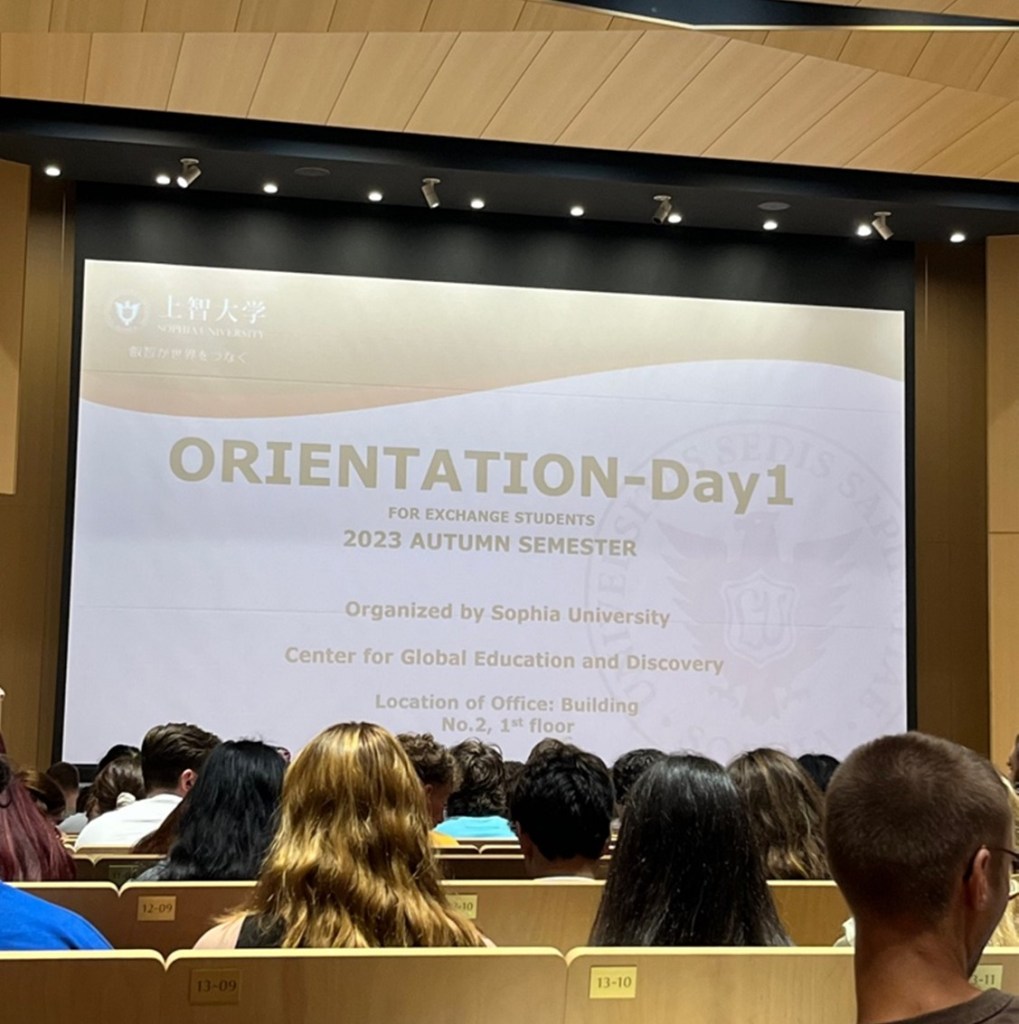
Sophia University prepared 2 orientation days which were both mandatory for exchange students to attend. These sessions were extremely helpful and provided a lot of important information regarding subject/course/class registration, how to use Moodle (UTS Canvas equivalent), and any safety procedures. We also received our student ID cards and had to pay 800yen for some sort of ‘Personal Accidental Insurance’. Be sure to use this time to meet and socialise with other exchange students.
Orientation Day 1
I’m currently studying 4 subjects at Sophia (or 16 credit points), which is equivalent to 24 UTS credit points. These subjects include Modern Japan, Japanese Popular Culture, Chinese Cultural History, and Introduction to Cultural and Social Anthropology, all of which are under the Faculty of Liberal Arts (FLA). Do note that all subjects in FLA are taught in English. Each of these subjects have 2 classes per week, making a total of 8 classes a week which is great as exchange students are required to take a minimum of 10 hours of classes or 6 classes a week as required by the student visa. If you decide to change subjects (which you can only do within the first week of classes), make sure to decide quickly as you’ll still need to send UTS an eRequest to have those subjects approved, otherwise you won’t be able to withdraw from any extra subjects you may be enrolled in at Sophia until the withdrawal period, which is about 2 months into the semester.
Classes and teaching styles differ quite a bit from UTS. First off, classes follow the format of periods, much like high school in Australia, which makes queueing up at the cafeteria for lunch a rush as all students try to take advantage of the cheap food that Sophia offers at the same time. Class attendance is also fairly strict. In most subjects, attendance and participation make up a certain percentage of your final grade, and being late to class can also affect those grades. Unlike UTS, classes at Sophia are more like seminars and don’t follow the UTS structure of having both lectures and tutorials. This means some subjects may have over 100 students whilst others may only have around 30 – entirely dependent on the popularity of the subject.
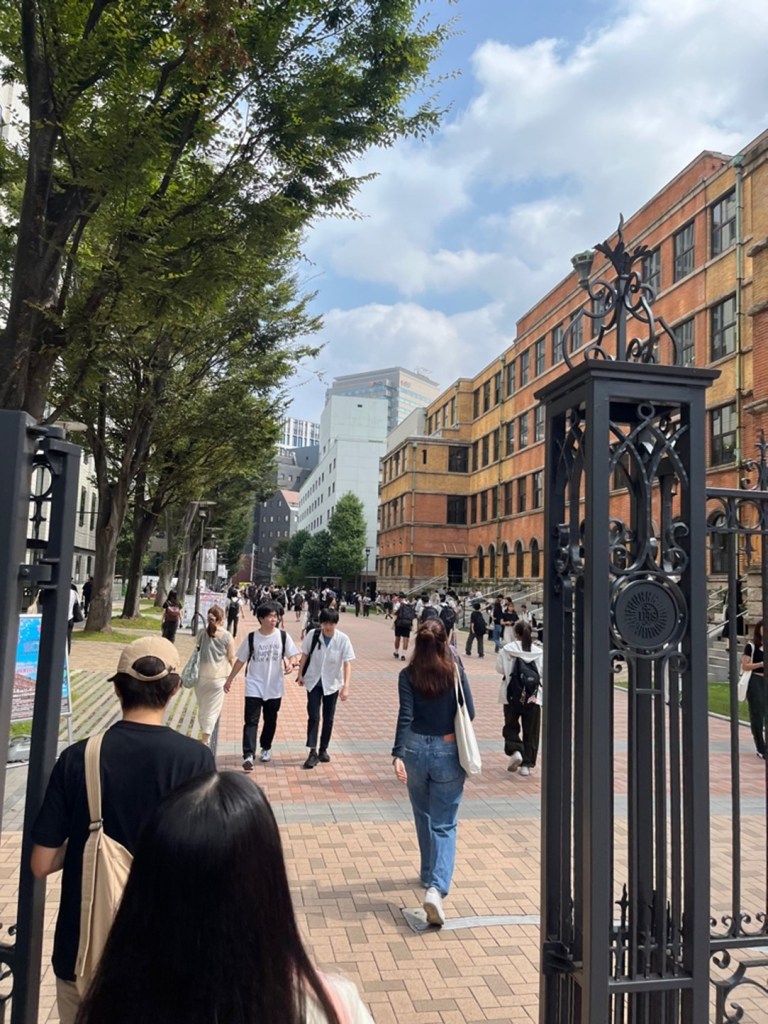
Sophia’s campus feels a lot like UTS’s and is situated right next to Yotsuya station, making it very easy to commute to. There are a few cafeterias on campus which all sell incredibly cheap food, averaging about 500 yen or less for a meal set, great for us students on a tight budget. There are also a variety of food trucks scattered around campus during lunchtime, which serve as a great alternative if you don’t want to wait in line at the cafeterias, a 7-Eleven on campus, and other food options located close to and around the university.
Sophia University Campus
Final Tips
Although I’m only a couple weeks into my exchange, everything I’ve experienced has been valuable, memorable, and no doubt makes me want to continue exploring and immersing myself in Japan.
Do make sure to prepare all your documents ahead of time, especially when you’re in the process of applying for Sophia University. Exchange students are also required to register their status of residence and apply for the national health insurance at the local city office within 14 days of arrival. The process may feel difficult, but I’ve found that the workers at the city office are all extremely diligent and helpful, even if they don’t speak any English.
Remember to buy a student commuter pass as soon as you received your student ID card, which you can do at any station office. You can travel for free between your dormitory and the university campus and can also go to any of the stations in between for free! As for bank accounts, I don’t really have a lot of knowledge on different banks, but I currently have a HSBC account which is great as you can transfer your AUD into JPY, and have your account hold your JPY until you want to spend or withdraw any of that money.
Finally, put yourself out there! Yes, you may feel nervous as it 100% feels like the first day of school all over again, but everyone is in the same boat as you, so be proactive and try talk to other students. If you’re planning to go on exchange, make sure to relish the opportunity and appreciate being able to study abroad! Most importantly, have fun! 🙂
Lucien Kuang Bachelor of Public Communication and Bachelor of International Studies Sophia University, Japan New Colombo Plan Mobility Grant Recipient
My name is Nicolas Sanchez Sepulveda, I attended a three-week class called “The European Union: Challenges, Crises, and Solution Approaches” imparted by the Ludwig Maximilian University of Munich in collaboration with Central European University in Vienna.
Two months before my trip, when looking at football calendars from multiple European leagues I noticed that the Italian Series A was back from their break the weekend before classes commenced. This was ideal with Munich’s proximity to Italy, as Munich is located in the South of Germany. After a completely bias search for flights, I realised that flights to Rome and then catching a train to Munich were in fact cheaper than getting on multiple planes to Munich.
I landed in Rome on a Wednesday night and by midday on Thursday, I already was on a train on my way to Turin, where I watched Juventus defeat Salernitana by 6-1, the day after that I was already at Bologna watching Bologna versus Genoa which ended in a tie, on Saturday I made my way to Milan to attend the game between Inter and Hellas Verona which Inter won 2-1, I also tried to make the most of the day walking over 30km in the city before leaving for Reggio Emilia to watch Sassuolo defeating Fiorentina by 1-0. After four football games in four different cities in three days I made my way to Munich to start my educational enrichment.
When I got to Munich I was struck by the fact that I had a roommate, when I got to my (our) room he was already there, and after a brief exchange of words we got along really well, we became friends almost instantly.
Munich is the coldest place I have ever been with temperatures reaching -12 degrees Celsius. I underestimated how cold it was going to be, I definitely should have packed warmer clothes.
The first couple of classes were a bit harder than expected, as it was a lot of information coming at me at once, but nothing that I couldn’t get used to if I tried, once I got the hang of it I started liking the topics even more (I was interested in them beforehand).
I went to two football games in Germany, first, it was Bayern München defeating Hoffenheim 3-0, and the second was Augsburg’s loss versus Bayer Leverkusen where I convinced my roommate to come with me.
One of the highlights of my trip was when they took us on a ski trip to the Alpes where I went downhill on a track of around 6-7km full curves on a sledge around 7-8 times.
While my week in Vienna I went on post-class afternoon trips to Hungary and Slovakia because of how close it was.
On the last day of classes I had to conduct a presentation and after working on a topic for a week I put it in the bin and started from scratch on a different topic the night before the presentation was due. After a long afternoon and night, I finished at 4 am (my roommate finished his 30 minutes before me). After conducting my presentation at 9 am, I was fully convinced that I made the right choice as I’m really happy with how it turned out, which a month later was ratified when I got my marks back.
I then went back to Rome for four days and watched Lazio vs. Napoli drawing 0-0, explored one of the most wonderful cities in the world and headed back home.
Long nights shared with my classmates created memories and friendships that I will never forget and will treasure forever, if I had the chance to go back and have this experience again I would take it a thousand times again, this was one of the best academically and life experiences of my life.
Nicolas Sanchez Sepulveda Bachelor of Communication (Journalism) Ludwig-Maximilians-Universität München, Germany Global Short Programs Travel Scholarship
Last summer break, I participated in a Global Short Program in Indonesia, facilitated by Intentional Internships. In the 4-week program I was joined by an amazing group of peers from a mix of Australian universities and a few Indonesian students as part of an Environmental Internship with YAGASU, a mangrove restoration not-for-profit organisation. Living in Indonesia, a country so different to Australia despite being geographical neighbours, was one of the most rewarding and enriching experiences in my university career thus far.
The program began in Jakarta on the island of Java, where all the Australian interns were to remain for a week. The group participated in a cultural orientation and visited famous landmarks such as the National Monument and the National Library of Indonesia. We also made a variety of visits to different organisations and companies such as the Australian Embassy of Indonesia, WWF Indonesia, the Centre for International Forestry research (CIFOR), and the Ministry of Environment and Forestry.
After the initial week in Jakarta, my new friends and I flew north to Medan in North Sumatra for the final three weeks of our internship. During this time, we were partnered with our host YAGASU, a not-for-profit organisation that helps with restoring and monitoring mangrove ecosystems across North Sumatra and Indonesia. We participated in workshops, listened to various presentations outlining the work of the company and even got to complete fieldwork which mostly involved thick mangrove undergrowth, thigh-deep mud, and a Pit Viper or three! During the fieldwork my team learned how to measure carbon stocks, take soil samples, and how to navigate mangrove restoration areas.
Outside of internship hours, I was able to explore Medan and the rest of North Sumatra with my internship buddies. From spending an unforgettable weekend at Lake Toba, to climbing a stratovolcano at 4am to watch a breathtaking sunrise, these experiences allowed me to engage with nature and the beautiful landscapes of Indonesia between the busy internship days. I was also lucky enough to go to Bukit Lawang, a breathtaking village near the border of the Gunung Leuser National Park, to go jungle trekking, river rafting, and we even got to see the incredible Sumatran Orangutans in the trees of their natural habitat.
Interning abroad has been nothing short of extraordinary. This experience could not have happened without the New Colombo Plan Scholarship Program, financial assistance that I am extremely thankful for. The NCP grant allowed me to experience working abroad within chosen my field of study with like-minded people from different backgrounds and life experiences.
Alice Hewett Bachelor of Science Bachelor of Sustainability and Environment Global Short Programs – International Internships Indonesia – Environmental Internship New Colombo Plan Mobility Grant
For two weeks in January, I was lucky enough to participate in a data science program with USM in Malaysia. Over the trip, we engaged in multiple cultural activities and attended data science lessons, which expanded my knowledge about customer trends and data graphing.
USM was kind enough to allocate Malaysian Buddies to take care of us throughout the program. Our buddies led us through various different cultural activities including henna, holi, calligraphy, Chinese New Year noodle tossing, Batik Chanting, and more. They also accompanied us to cultural sights including Balik Pulau for bike riding, Penang Hill, and Georgetown.
On the weekend, a couple of us went to the escape water park. The escape water park has the longest waterslide in the world at 1.1km, which took four minutes to slide down. The park was empty that day, so we got to experience a whole water park with no queues!
Throughout the trip, USM had multiple professors and industry guests, including the former CEO of Motorola, present lectures on data science, statistics, leadership, innovation, and customer behaviours. From these lectures, I was able to expand my knowledge in data science and recognize how data is graphed and analysed to predict product trends and customer behaviour. We were also able to visit the Intel office in Malaysia where we were given a talk from leading IT and AI experts about the future of AI, as well as a demonstration of Intel products and how they are designed to simplify the process of future upgrades.
The Malaysian food was one of the most enjoyable aspects of Malaysia. Nasi Kandar, Luksa, Pan Mee, and the local fruits were some of my favourite dishes. Every day was a new experience of finding the most popular restaurants and dishes in the area.
Near the end of the trip, students from the University of Western Australia arrived at our hotel for their own three-week exchange with USM. We gathered at the hotel pool, ate pizza, and swam for three hours, playing games and splashing each other.
Overall, my trip to Malaysia was one of a lifetime. It was my first overseas trip away from family and will most likely be the most memorable. Thank you, Malaysia, for having us!
Georgina Chan Bachelor of Engineering (Honours) Diploma in Professional Engineering Practice Universiti Sains Malaysia, Malaysia Faculty Led – FEIT – Tropical Data Science School
If someone had told me I’d be shipping off to some quaint English town three hours away from London for an exchange, I would have looked at them as if they were insane. If you ask me about it now? Best decision so far.
Hiya! I am Siona, and I am currently studying industrial design at Loughborough University. Loughborough is ranked 7th in the UK overall and 1st for product design. Getting nominated here was a great opportunity as a second year at UTS, I had to study with 3rd years at Loughborough. I was first taken aback to see the university was in a market town in Charnwood Borough of Leicestershire. With the constant hype of London in the UK and moving here from Sydney, I wasn’t sure if I would be enjoying this at all. Don’t let the town fool you; it has cute cafes, has literally every shop you would need, and campus buses every 10 minutes. Don’t even get me started on how cheap the groceries are.
I live on campus in Telford accommodation. I have got great flat mates who have now become my found family. From daily cooking sessions to random trips, life here couldn’t be more delightful. The local students here were super sweet and welcoming. They have taught me so much in workshops; the way final years present, and their experience has been insightful. Renowned as the UK’s leading university for sport, Loughborough has produced countless Olympic and Paralympic athletes, so there are multiple sports matches and tryouts which were new and fun to me. I mean UV volleyball? Sign me up! Since this is a student town, we ended up meeting other exchange students from other accommodations and let’s say our weekends are mostly unforgettably forgettable clubbing times in 1 degree.
The subjects at Loughborough are interesting and the workload is more laid-back compared to UTS, which is giving me enough time to experiment baking and having tea the British way with my flat mates. We currently have at least 8 different types of teas on our shelves. We have been spending most days working late at night at the library after dinner, having tea and scones, Tesco runs, eating British breakfast (beans are not it), and laughing till we can’t breathe.
So, here’s the scoop: if you’re thinking about an exchange, stop thinking and start applying! Dive headfirst into the unknown, try sports you’ve never even heard of, join societies, hop on that flight/bus, chat with strangers, and for the love of all things delicious, raid the free food stash at uni!
Trust me, you won’t regret it. Just do it, mate!
Siona Dutta Bachelor of Design in Industrial Design Loughborough University United Kingdom
Embarking on a Faculty-led Global Short Program was an adventure that surpassed all my expectations. From immersing myself in new cultures to delving into academic subjects in an international setting, every moment was filled with learning and discovery. In this blog post, I’ll take you through the highlights of my experience and share some insights I gained along the way.
Discovering New Cultures:
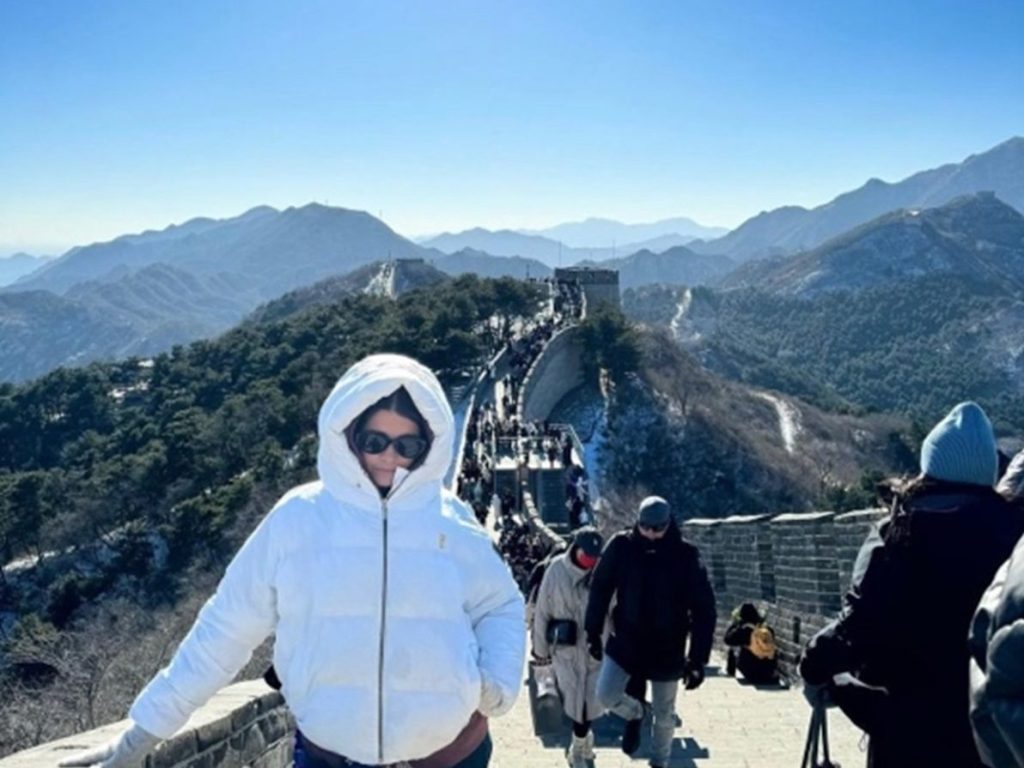
One of the most enriching aspects of the Global Short Program was the opportunity to immerse myself in a new culture. Whether it was trying exotic cuisines, exploring historical landmarks, or interacting with locals, every moment felt like a new adventure. From the bustling streets of Beijing to the serene landscapes of Kyoto, each destination offered a unique glimpse into the rich tapestry of global diversity. Engaging with local communities not only broadened my perspective but also fostered a deep appreciation for the beauty of cultural differences.
Academic Exploration:
Beyond cultural immersion, the Global Short Program provided an invaluable academic experience. Led by knowledgeable faculty members, the program offered a comprehensive understanding of subjects ranging from international business to environmental sustainability.
Through engaging lectures, hands-on workshops, and insightful discussions, I gained a deeper insight into global issues and their interconnectedness. Whether it was studying the intricacies of Chinese commercial law or examining sustainable development practices in Southeast Asia, every topic broadened my intellectual horizons.
Personal Growth:
Perhaps the most significant aspect of my Global Short Program experience was the personal growth I experienced along the way. Stepping out of my comfort zone and navigating unfamiliar territories challenged me to adapt, learn, and grow in ways I never thought possible.
From overcoming language barriers to forging friendships with people from diverse backgrounds, every obstacle became an opportunity for growth. Through these experiences, I developed resilience, empathy, and a greater sense of global citizenship.
Reflections:
Looking back on my Global Short Program experience, I’m filled with gratitude for the unforgettable memories and invaluable lessons learned. From exploring ancient temples to debating pressing global issues, every moment was a testament to the transformative power of international education. As I return home, I carry with me not only a wealth of knowledge but also a newfound appreciation for the beauty of our interconnected world.
The Global Short Program has not only shaped my academic and personal journey but has also ignited a lifelong passion for global exploration and cross-cultural understanding.
In conclusion, my Faculty-led Global Short Program experience has been nothing short of extraordinary. From cultural immersion to academic exploration, every moment has left an indelible mark on my journey. As I continue to navigate the complexities of our globalized world, I do so with a renewed sense of curiosity, empathy, and appreciation for the diverse tapestry of humanity.
Charlotte Wardell Bachelor of Business & Bachelor of Laws Faculty-Led – Law (China) – Beijing Summer School Global Short Programs Travel Scholarship
During July, I had the privilege to participate in a global short program at the University of Zurich, Switzerland. The course was focused on international sports law, specifically, the legal challenges in the fight against doping in sport.
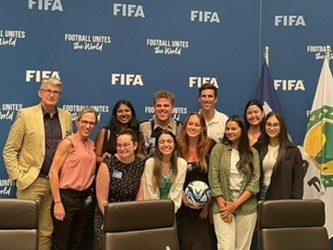
The course was well run and although we were required to be at Uni Monday – Friday, there was a mix of theory and practical excursions, which allowed us to explore the city. During the course, we had a range of guest speakers from World Anti-Doping and FIFA, as well as the opportunity to visit FIFA headquarters and the FIFA museum. We also did a day trip to the Olympic Museum in Lausanne. For our assessment, we did a group Moot trial at FIFA, involving a scenario of a doped athlete.
The University also planned several events that allowed us to meet students from different course programs at the Uni. These included a welcome BBQ, where they informed us of what to expect in the upcoming few weeks. The social programs offered included a Zurich City Tour, Day trip to Bern, Traditional Swiss Dinner and a BBQ on campus.
I was lucky enough to have accommodation in the city centre, which meant daily river swims after class. The city felt very safe and was clean and quiet and we were lucky with beautiful warm weather. On the weekends, I made the most of my time in Switzerland and did several hikes in Lauterbrunnen, Murren, Mount Rigi, Grindelwald and Interlaken. The nature was amazing and I will definitely be back.
I am so grateful for the opportunity and feel as though I gained a solid understanding of sports law whilst meeting some amazing people from UTS and all over the world. I would absolutely recommend participating in a global short program to Switzerland.
Olivia Dixon Bachelor of Business & Bachelor of Laws (Honours) University of Zurich, Switzerland Global Short Programs Travel Scholarship
It is not often one gets to say that as part of their clinical experience for their master’s degree they get to go overseas. I was fortunate to be accepted and organise my final placement of my master’s degree to Guy’s Hospital in central London. It required lots of emails and logistics, but the process to get to this international experience was most certainly worth it.
I was situated as a student genetic counsellor in one of the busiest public Genetic Services in Europe, if not the world. There were about 25-30 genetic counsellors working in this service which extended from Cancer, Prenatal, General and pre-implantation genetic diagnosis for in-vitro fertilisation. Additionally, there were 10 Clinical Geneticist (doctors) who were also working in the service.
Before this placement, I was expecting very similar health systems between Australia and the UK. However, there are specific differences from the perspective of the health systems at large in additional to the clinical genetic services offered. Firstly, the clinical genetic services are divided into two streams, a clinical stream for genetic counsellors and a stream for clinical geneticist. This meant that the Genetic Counsellors in the service had their own autonomy and ran clinics as independent practioniers. Currently in Australia, we have the genetics services largely embedded meaning that the autonomy for Genetic Counsellors is more limited even in the public service. I have been able to reflect on the value of these systems and importance in an Australian context.
Furthermore, the training system for Genetic Counsellors in the UK is moving towards a training program with a university component but mainly on the job training. This means that by the time the genetic counsellors finish their traineeship (Scientific- Training Program) they are fully certified genetic counsellors unlike the clinical certification process in Australia. I think for this professional there are valuable options for the training program through the hospital, but also acknowledge this profession requiring research and counselling skills which are well explored and discussed in the Master’s program here at UTS.
Lastly, the hybrid health system in Australia which has private and public options for genetic counselling is greatly valuable as those who have the means to be seen sooner and privately can offer public health system spaces for patients who required and depend upon the public health system. The length of clinical waitlists were a problem throughout my placements experience which gave me the opportunity to reflect on the way our system works.
From my international placement experience I was able to immerse myself in a different health care systems where I was able to see different styles of counselling and various genetic conditions which I have yet to see in Australia. I was also able to develop resilience and adaption to different changes and challenges in the Genetics Department. Overall I am grateful for UTS Global Short Programs for contributing to my overseas experience. If anyone would like the opportunity to do a placement for Genetic Counselling overseas, I highly recommend it!
Samantha Sandelowsky Master of Genetic Counselling International Internships – HEALTH – United Kingdom Global Short Programs Travel Scholarship