UTS Think Global

Dream. Explore. Discover.

Disclaimer: All blog posts are written by students and do not necessarily reflect the views of UTS staff.

  • SILC SUMMER SCHOOL 2017

    When thinking about the BUiLD abroad programme I just completed, I now realise that there are a lot of things I have to reflect upon. A few key memories come to mind at first, from visiting Hangzhou a city nicknamed the city of heaven to sitting around the largest lazy Susan I’ve ever seen with so many new faces. This programme has definitely been one of the most rewarding experiences I’ve ever taken part in. I will never forget my time at Shanghai University’s SILC Summer School.

    The first day started out a little rocky; I remember feeling anxious to meet the people I will be spending the next three weeks with and I wasn’t disappointed! Everyone on the trip was kind and interesting, but most importantly, eager to make new friends and explore new experiences, just as I was. We all quickly became acquainted and by the end of the first day, we felt as though we had been friends for a while. We celebrated the end of our first day of class by going to Japanese BBQ where we quickly warmed up to each other over a few (many) bottles of sake!

    The classes were interesting and engaging and covered a wide range of topics like Chinese economic policy to Chinese logistics and entrepreneurship. Alongside these practical classes, we had Mandarin language classes which enabled us to meaningfully interact with the cultural setting. I found myself amazed that after only a few lessons I was confidently navigating my way around Shanghai and ordering food and drinks without hesitation.

    At the university, we were grouped with local students who acted as our buddies throughout the programme, some of whom we became quite close to by the end of it, forming meaningful friendships that we still maintain even today now that we’re back in Sydney. They joined us on planned events and outings and came with us when we wanted to explore the city. They proved invaluable as guides and as friends.

    The academic staff at the university were kind and welcoming to all of us, and over the course of the trip, their official roles became more like the roles of mentors and more maternal. Emma and Fei Fei were the two mentors we had the most contact and interaction with, and I will admit it was hard to say goodbye to them after everything that they had done for us.

    The activities we participated in helped to shape my new and informed view of China as a whole. Before this trip, I can now confidently say that my view of China was very superficial. I had been to Hong Kong before with family but that in no way prepared me for an authentic experience of Chinese culture and Chinese people. There was an element of culture shock which I’m sure many of us experienced upon arriving in China. To put it simply, in China… anything goes!

    The people we interacted with live a very carefree life, there are many times we would come across whole masses of people dancing in public all seamlessly in time to each other. On street corners, people sat and engaged in many leisure activities. Life looks simple but it looks good, with an emphasis on the small things and not at all caught up in the fast-paced constantly on the go cultural phenomena we’re used to in Sydney.

    In the third week of the programme, we had a change of scenery as we ended our classes and headed to Beijing for a week of Chinese cultural immersion. We visited historic sites such as Tiananmen Square, the forbidden city, the great wall, as well as local Hutong communities. Our trip to Beijing is one that I will never forget as it provided us with an insight into a different aspect of life in China. Shanghai and Beijing are polar opposites in terms of international cultural influence, with Shanghai being a global city with many cultures being represented and Beijing being a more traditional Chinese city. The differences between the two are immeasurable but both provided a unique experience for us as cultural observers.

    Reflecting upon this experience I can say that I have come out of it a changed person. Interacting with people on the programme from Australia and the UK and USA helped develop my interpersonal skills while engaging with the foreign landscape and culture helped me refine and develop my cross-cultural communication skills and helped me broaden my sense of global citizenship. Skills that I believe I will be able to utilise and demonstrate throughout my life.

  • Hola: Tecnun University San Sebastian

    So a bit about myself; My name is Carolyn I am of Burmese background and migrated to Australia when I was 2 years old. So basically raised in Australia and English was my first language. I am bilingual and speak Burmese however not fluently as I wish I could. I am an engineering student in my final year, hoping to pursue a career in construction engineering and management. I have a loving family and I am the eldest of 3 children. Family is a big aspect of my life and without their continual love and support I would not have be here today. After doing my HSC, exam stress caused me to have epileptic seizures and damage to my frontal lobe impaired my speech and thinking. However I recovered and started my engineering degree in 2011.

    Six years later (slowly making my way) I am at the end of my degree. My main drive in the past six years was to prove to myself that I could do it. Now that I’m close to finishing my degree I wondered what my purpose after the degree was. I had been to graduate interviews where I was stumped by the question “What is your passion?” On the surface it is easy to say money is my motivation however I don’t think that has ever been the truth. It may sound naïve but I’ve always wanted to make a difference and help others. I started the BUiLD program hoping I gain leadership skills and confidence in myself as a leader in the field of engineering. By going to Spain I hoped to put myself out of my comfort zone and maybe regain my purpose and passion for engineering.

    On the first days of travelling by myself the language barrier and having to communicate to others who did not speak the same language was the most challenging. I wished I was multilingual and knew basic phrases of Chinese and Spanish. Another challenging aspect was being by myself. I was lonely and homesick and wished I had someone I knew with me. Also having no choice but to stay in a hostel with bed bugs was probably the most depressing part of the first few days. However Spain was beautiful. History and architecture have always interested me and Spain was full of both. The gothic architecture and the way the city was planned out were amazing. I loved walking down the streets imagining the stories and the lives that were lived in those streets. I felt overwhelmed with how creative human beings were and the man made beauty we are capable of. This brought me to my religious roots and reminded me of how we were created to be creative.

    At the University Program in San Sebastian I met students from UTS and students from Universities in the USA. Our timetable was filled with Tapas tours, hikes up mountains and learning about the Basque culture. Our course was on Engineering Across Cultures and the lecturer was Greg from the University of Michigan. I learnt the importance of understanding a culture before implementing designs for the country or area. For example, I have always looked back at Burma and wondered why the transport system was so terrible and why they couldn’t just simply just implement systems used in Singapore or even in Australia. I realised each culture and country have different ways of life, beliefs and history and what may work for one country may not work for another. I felt a certain duty as an engineer to realise this and integrate this thinking towards the way I design and work.

    For our main assignment we were to come up with a cultural case study for San Sebastian and an engineering idea that might benefit the San Sebastian community. Our group came up with an App that would connect tourists with local tour guides. We came up with this idea due to our interviews with locals that were concerned that the younger generations might miss out on international globalisation due to the fact that they don’t speak fluent English. Also due to the violent history due to racism we saw that it was important for the San Sebastian community to connect with others and have peaceful relations with international communities. I believe our idea was what the culture needed. At first we came up with beach lockers and night transports however we realised these were more of a tourists problems rather than a locals problems therefore we listened to our interviewees and what was important to them.

    After the two weeks in Spain I have more of an appreciation for engineering and the opportunities that I have. I have always wanted to make a difference or build something that has value. During the daily grind of university and trying to get that competitive graduate position I may have forgotten why I have chosen this career. I realised I want to be a part of creating buildings that have significance to others where it may be a house for a family or offices where people start their businesses. I would like to thank BUiLD UTS for this opportunity. It will be one of the most memorable experiences in my life.

    Carolyn, Global Short Programs Student

  • How to pack for exchange

    Written by Elyse Popplewell.

    6 months! A variation of climates! Adventures you haven’t yet planned! One bag?

    One bag or two?

    • I took one checked luggage bag abroad and it’s suited me quite fine. To give you context, I’m in Italy, where it was really cold upon arrival but has given me some hot days lately, so I’ve experienced both ends of the climate. I still managed to fit everything I wanted in one bag. For 6 months, one bag is definitely enough if you pack with consideration!
    • The benefits of one bag:
      -Easier to transport to and from the airport when you’re family aren’t there to help you.
      -Cheaper than two checked bags.
      -Forced to think carefully about what you actually need.
    • The benefits of two bags:
      -You’ll have enough room to bring back all the things you accumulate on the way.

    (more…)

  • One year on… Drishtee Immersion Program

    Immersion: breaking down assumptions, realising your own biases and forming raw, empathic connections. When I applied for the program, I knew the three weeks would be challenging and I fully expected to be taken out of my comfort zone. We experienced jarring cultural differences, heard heartbreaking stories from locals and were presented with constant internal struggles. What I didn’t expect, is that these challenges would last longer than three weeks, or that I’d still be dealing with some of them over a year later.

    The village, Saurath was liberating. It was terrifying. It was inspiring. It was as if we had travelled back in time, almost into an alternate reality where nothing from our world seemed to matter. The kids our age were not busy curating their social media profiles, worrying about how many likes they got on an Instagram post or complaining about slow wifi. Instead, some wondered if their families would let them go to school, they worried the monsoon season would not bring enough, or too much, rain, and they all complained about the cows stopping play in the middle of the cricket pitch. Despite what seemed like stark differences in our worlds, we were strikingly similar. We laughed
    together when we mispronounced words, blushed when someone complimented our smile and cherished the new friendships that we made.

    Every day in the village was a rollercoaster of emotions. As we faced extreme challenges, we tapped into the best of ourselves, surprising each other by how much we were capable of. The program wasn’t just a chance to understand the people in the village; it was a look into our naked selves. It was an opportunity to reflect on who we were and who we wanted to be. We lived everyday hyper-aware, empathetic and, came out the other side as better people. But did it last? Over a year on, I know I still make snap judgements of strangers on trains or make assumptions about a person’s character based on the way they drive. Where is that person who lived without bias and judgement?

    I came back from the program questioning my most fundamental beliefs; beliefs so deeply embedded I didn’t even know they existed. I no longer had an internal compass to guide my actions. I was now trying to justify everything to myself; asking myself ‘why’ at every step, for every action, every day. I went to India with what I thought was a clear sense of purpose driving me, but when we got back, it felt as if I was going through a perpetual state of limbo.

    Upon returning, I co-led a series of emotional intelligence workshops which helped students apply empathy in their personal and professional lives. Did this make me a hypocrite? Preaching something I hadn’t mastered and didn’t always practice? For a long time I thought yes, and that was a painful thought to live with. But now, after many nights spent in my own head, I’d like to think it doesn’t. It’s not about being perfect every day, it’s about trying. It’s about being aware and noticing when you do make assumptions, when you let your biases influence your decisions; something we have to practice every single day. It was naive of me to think that a three-week program in India practicing empathy would be enough to last a lifetime. It’s a process, one we must continually engage in. Over a year on, I’m glad I’ve finally come to that realisation. It has helped me avoid the trap of thinking I’m a finished product, when in reality we’re all a perpetual work in progress.

    One thing the trip did bring to light is what I value most in my life, and that’s the people in it. It’s surreal to think that by the end of the trip we’d all known each other for only three weeks. We had become family, closer than I ever thought possible. I can say with certainty that the lessons I’ve learnt and friendships I’ve formed will not fade anytime soon; and no matter what my reflection of the trip happens to be in the next five years, there’s no doubt it will leave a lasting impact on my life.

    Utkarsh Somaiya

    Global Short Programs Student

  • Language & Culture in China

    From reading about the SILC Business Program on UTS’s BUILD Abroad website, I was interested in being able to learn Chinese from a beginner’s level whilst sightseeing and learning about the business culture within China’s biggest financial hub. From the day I left Sydney the buddy system implemented by the SILC team was tremendously helpful – from organising my taxi pick up service at the airport to making sure I had a point of contact with a local at all time via WeChat. The stress of arranging accommodation, transportation to and from the airport, researching places to visit, learning Chinese, communicating with hotel staff was drastically reduced since SILC’s staff and buddies provided prompt and useful information and helped solved any problems which arose – even the not so pleasant issues such as a clogged toilet. SILC’s friendly atmosphere made me fall in love with Shanghai because although there are some unpleasant Chinese people, there are many more lovely and caring people who go above and beyond to help during difficult situations. My buddy was extremely helpful and kind enough to take time out of her weekend to take me and those who arrived early around the Jiading district. We got to know one another as we took a stroll inside the gardens which encircled the Confucius temple and had a banquet lunch where we got to try tea infused with slices of carrots, apples and other fruits. It was weirdly refreshing.

    The day finally came when we had to start class. I don’t think anyone of us wanted to wake up at 7am but the free breakfast buffet at our hotel was enough incentive to drag us out of bed. The classes we had were not at all what I imaged. The relaxed, interactive classroom environment made it easy to engage with what our lecturers were saying. It was fascinating and eye-opening to learn about China’s lifestyle, such as traditional tea ceremonies. For instance, we not only learnt, but witnessed, WeChat being used as the main method of payment rather than cash and credit cards.

    Other than mere classes every weekday, the SILC team arranged tours with the lovely FeiFei as our guide. Her  friendly and happy personality made every trip with her so much more enjoyable. One such trip was to Su Zhou – a city known for its canals and bridges – where we were given free time to meander through the various lanes of traditional architecture.

    Additionally, the program provided us with an opportunity to enter a kind local’s home and enjoy the delicious homemade feast prepared by a local mother. Such an opportunity to interact with the locals on such a personal level opened my eyes to the lifestyle of a local. Shanghai’s lifestyle was not only limited to this, we were also able to experience the rush of lunch time at Shanghai university as students scurry left and right to snatch up the food before it’s gone. By joining in with the local retirees at the retirement centre in activities such as dancing, ping pong and singing it was an unforgettable memory as we wouldn’t have been able to live like a local for a day without this program. The students  from Shanghai University’s music campus in Baoshan were so talented and exposed us to the traditional musical instruments which are now rarely played.

    Overall, SILC’s program exceeded my expectations because the classroom environment was not like quiet and boring classes I normally take – both the business and especially the Chinese lessons were interactive, funny and most importantly made me want to learn more. The tours and trips we were taken on were unforgettable and are an experience of a lifetime. Not many tourists get to first-hand experience and immerse themselves into the life of a Shanghai local!

     Helen Ngo

  • My incredible Indian experience

    My time in India was an unbelievable experience, we were meet at Delhi airport by two of the most incredible people who were there to guide us through India. Nothing can compare to first time you drive through Delhi traffic, what an experience. We arrive at our apartment at 1am had a very quick dinner than straight off to bed for a well-earned sleep. A few hours later we were up to go visit the offices of the Drishtee organisation where we were given a tour and got to meet one of the founders of the organisation. Following this we went shopping to buy all of kurtas to wear in the village. What a load of fun we all had dressing up with fantastic colour of Indian clothing. It was then off to the Delhi train station for our overnight sleeper train to Patna, Bihar. I was very apprehensive about this train ride, but it ended up been a fantastic experience. We were met by friendly people on the train and staff that wanted to make sure we had a great experience on the train.

    After a 6-hour drive from Patna we final arrived in Saurath the village that we would be spending 2 and half weeks living in. we drive in and there’s a lot of interest in us from the village people. We meet our cooks and some of the translator we will be using, and rest for lunch before going for a walk around the village. The place is so beautiful and much larger than we expected.

    We spend the next 4 days exploring different aspects of life in rural India, by visiting schools, hospitals, farms, and religious leaders. It was so interesting to be able to go a talk to people about how the systems work and all the different problems they were facing. I took particular interest in the health systems. From this I went on to spend the rest of my time talking to health works and family’s about HIV education. What I found was that the systems put in place by the government where great ideas, however stigma on the topic and a lack of education of the people in charge of doing the educating and the village people led to a miscommunication.

    Once I believed that I fully understood the root of the problem, I set to work with my partner on trying to find a solution to the problem, this is no easy feat. What we came up with was a picture based informational sanitary pad liner that you peel off. When we presented this to the village the people really got behind the idea and found it a great way to learn and very informative.

    My whole experience in India was amazing, making friends with the children that lived next door, doing morning yoga every day, becoming friends with some amazing people from UTS, meeting people from all different castes and most of all building deep emotional connections with some of people we spend so much time with. The only thing I would change about my experience is having it end.

    Catherine Walsh

    Global Short Programs Student

  • Management Centre Innsbruck (MCI) Winter School 2017

    In February I travelled to Innsbruck, a small mountain city located in the western part of Austria. While I was there, I participated in the winter school program organised by Management Centre Innsbruck (MCI). MCI is a relatively young university which focuses on practical learning with a modern approach. Over the course of three weeks I completed 3 different subjects, Business Ethics, Renewable Energy and Water Pollution Control.

    Colourful houses of Innsbruck and the river Inn

    Although I only spent a short time at MCI, the amount of theoretical knowledge and practical skills I gained was phenomenal. As a part of Business Ethics, we learnt different ethical theories and how to deal with ethical dilemmas in the workplace, an essential skill for any professional. Through Water Pollution Control, we learnt about treatment methods of drinking and sewerage water, urban drainage design and membrane technology.

    Furthermore, in Renewable Energy, we discussed methods of generating clean energy and developed renewable energy concept plans for different cities around the world. Laboratory classes and an excursion to the local water treatment plant allowed us to reinforce knowledge learnt in the classroom and experience it in real life applications.

    Another exciting aspect of the winter school program was the opportunity to meet students from all over the world. There were students from countries including Italy, Turkey, Taiwan, Malaysia, Mexico, Canada, Russia, Germany, Switzerland, Finland and Austria. It was fun working on group projects with them and learning about their different cultures.

    It was not all study and classes though, we still had the weekends off and one/two days off during the week. During my days off I explored Innsbruck with my new friends and went on many day trips. We visited Munich, the capital of Bavaria, Salzburg, the city in which Mozart was born, the lakeside village of Hallstatt and Mittenwald, a small picturesque town located on the border of Germany and Austria. Some pictures from these trips have been included below.

    A view of Salzburg’s old town from the Hohensalzburg Fortress
    Hallstatt Village. Had to catch four different trains and a ferry, a total of 5 hours traveling, to reach this small lakeside village. It was worth every minute

    Being able to experience Austrian food and culture was also a big highlight of my trip. Simple foods such as bread were so much better, with many different varieties available at the local bakery. Desserts were also amazing, especially the traditional sacher cake and apple strudel. Main dishes were hearty and filling, with one of my favourites being Käsespätzle, a dish consisting of home-made egg noodles with melted cheese and caramelised onions.

    Overall, the winter school program was one of the best experiences of my life. I made countless new friends, learnt so many interesting concepts, experienced Austrian culture and explored numerous cities, towns and villages. I would also like to extend my thanks and gratitude to the UTS BUiLD team and MCI International Office for providing me the opportunity to participate in this program and all the hard work and effort they put in to ensure the program ran smoothly.

    Muhammad Ayub

    Bachelor of Engineering (Civil Construction)

  • Tilburg University: A New Experience

    As something that had been at the top of my bucket list since starting University, exchange has been an experience that has well and truly lived up to my expectations. For the last three and a half months my home away from home has been Tilburg, a small town in the south of the Netherlands.
    (more…)

  • Exchange of …

    Just yesterday, I submitted my 3 months notice of leave to my landlord. Wow, time really does fly when you’re having fun!

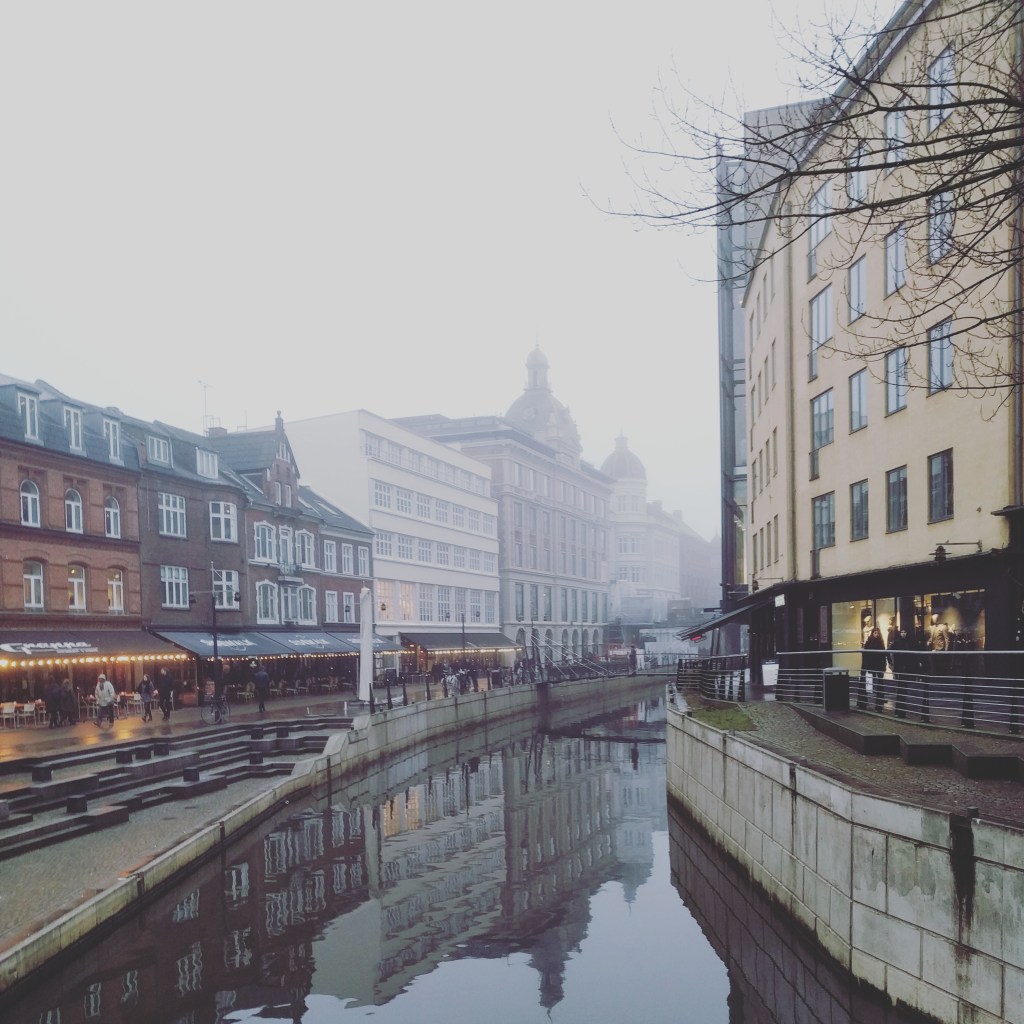
    Throughout the past 3-4 month of my exchange experience in the small but beautiful city of Aarhus, in Denamrk, I have learnt so much, not only about this city, the Danes or architecture, but mostly about myself. (more…)

  • What I’ve learnt from being in Munich for 2 days

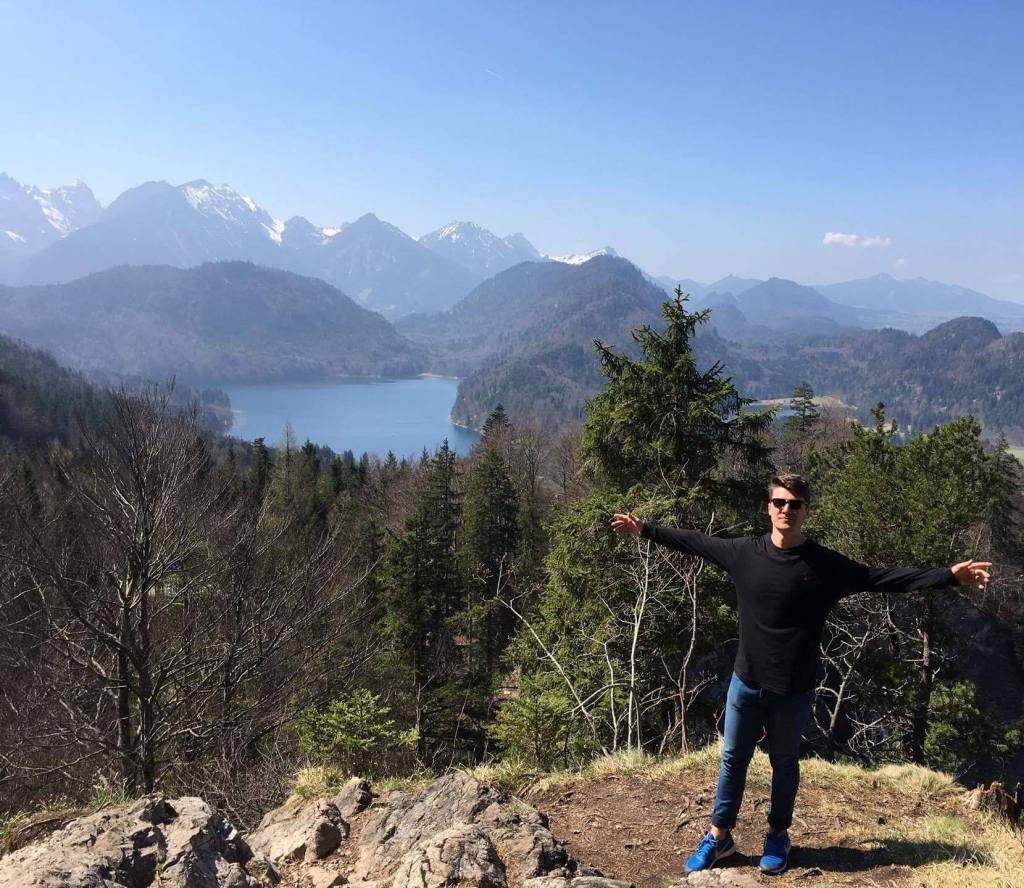
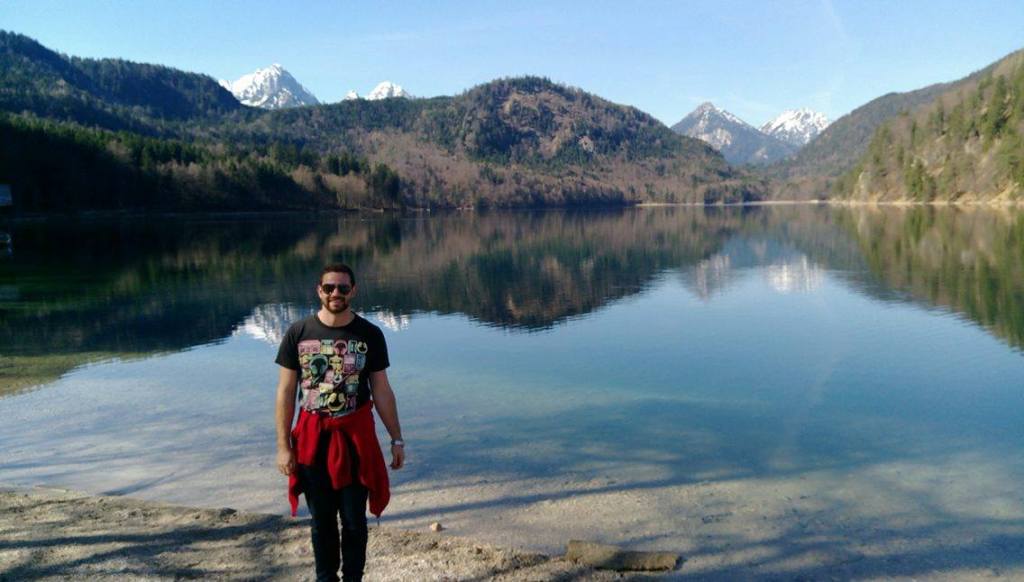
    I just moved into my new student accommodation 2 days ago after spending 7 weeks travelling around Germany visiting friends and family. I’ve visited castles, lakes, mountains, ski slopes and the zoo and have been part of the Carnival. I’ve travelled about 40 hours on trains and 15 on busses, and saw some people I hadn’t seen in 5 years. And now I’m at my destination, Munich. (more…)