UTS Think Global

Dream. Explore. Discover.

Disclaimer: All blog posts are written by students and do not necessarily reflect the views of UTS staff.

  • 初めまして (Nice to meet you)

    TIP: I recommend keyword searching [Command F] for specific topics in this blog because I go in depth about many things 🙂

    1. Kansai Gaidai University
    2. Academics
    3. Campus + Dorm
    4. AUS → JAPAN transition
    5. Final tips

    Hi guys, it’s Maya! You may have already seen me on the Think Global Instagram, but if not, 初めまして (nice to meet you). Here are some key things I want to share with you for context, before we get into the details:

    • I’m halfway through my exchange, so a huge question I’m dealing with is: how am I going to spend the rest of the semester?
    • The most difficult thing about exchange has been finding a balance between building relationships, exploring the country, and exploring myself
    • My experience of Japan so far; convenient, affordable and accessible

    Kansai Gaidai University

    KGU is a university of foreign languages. Many local Japanese students come here with the intention of studying another language and/or studying abroad some day, so it makes sense that KGU heavily encourages international and exchange students to undertake their Asian Studies Program (which is what you’d most likely do if you came here).  At orientation, they told us that they take over 400 exchange students every semester (with over half of them being from the USA). With this in mind, I was nervous that I wouldn’t get an ‘authentic’ Japanese experience here and expected to be surrounded by mostly international students only. I’m happy to report, however, that this has not been the case and that I have a great mix of both Japanese and international friends.

    Academics

    On exchange, I’m using 18 UTS credit points (3x restricted electives) which equals 14 KGU credit points. My subjects are:

    • Japanese 1 (5cp)
    • Kanji and Readings 1 (3cp)
    • Documenting Japan: Film and Photography as Cultural Description (3cp)
    • Japanese Design: Aesthetics and Visual Culture (3cp)

    I love my classes, especially in the context of exchange. The workload is light and there’s minimal homework, meaning I have a lot of free hours in the week. I often compare KGU’s teaching style to high school because you have to come in from Monday to Friday (not full days though) and all the classes are tutorial style (teacher speaking to us and/or facilitating discussions). I think my degrees at UTS have a way more hands-on and progressive teaching style, however, I’m enjoying revisiting old ways of learning with physical worksheets, pen and paper.

    Side note: I wanted to use 24 UTS credit points on exchange and do five KGU subjects, instead of four. But I mixed up some enrolment dates and subjects, so had to apply for late withdrawal of UTS ‘Exchange Subject D’ without financial and academic penalty. Thankfully, the UTS international team were very helpful in resolving this. Be thorough and organised before you go!

    Campus + Dorm

    There are two KGU campuses, Gotenyama – where the dorms are located – and Nakamiya – where you’ll have most of your classes. If you come to KGU, you’ll most likely stay in the on-campus dorms called YUI Global Commons and have a breezy 15 minute walking commute to school everyday. It’s great.

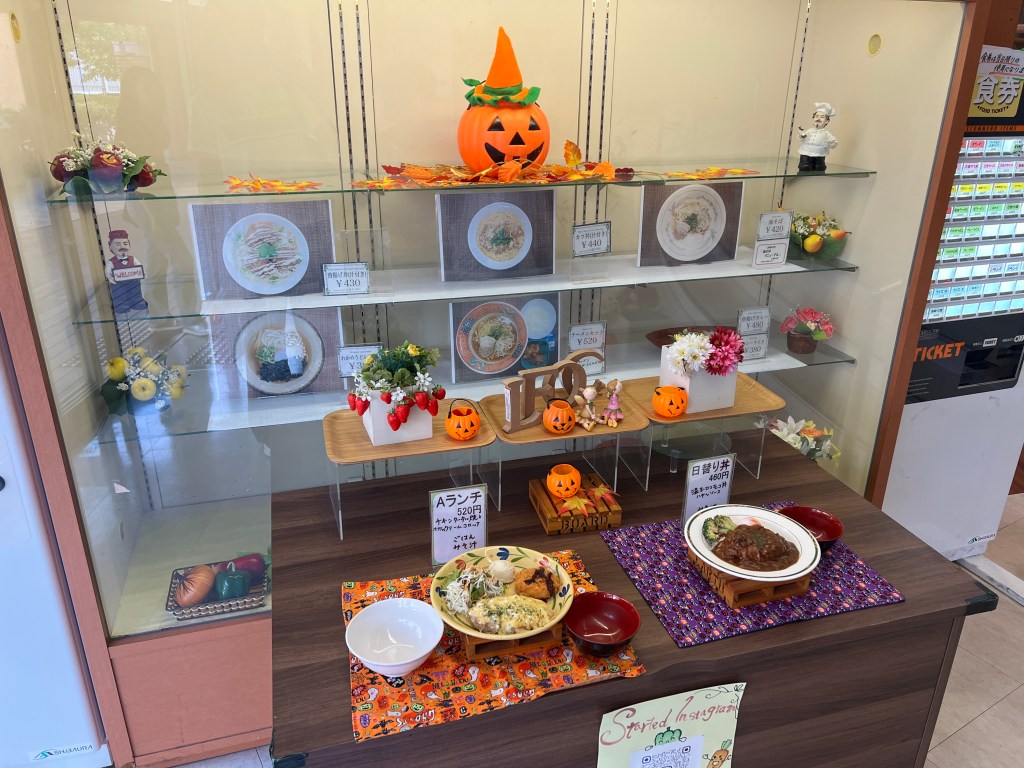
    Both campuses are beautiful. Low rise brick buildings, modern interiors, luscious greenery and plenty of study spaces. My favourite place is the rooftop garden which overlooks the town. The on-campus cafeterias are THE BEST and SO CHEAP (≈ $5AUD for a meal set + Happy Monday lunches for $2!).
    The dorms are amazing. Clean, modern, private and thoughtfully designed. Everyone has their own (small) bedroom which includes; single bed, closet, study desk, mini fridge, window, drying rack. Each unit shares a bathroom, kitchen and lounge area. My bathroom has four showers, five toilets and a row of sinks (similar to a mall restroom), and the space gets professionally cleaned every weekday! The kitchen is well equipped with appliances and dishware. Depending on your unit you may be lucky to have more supplies left over from previous residents.

    My unit’s lounge is often busy with people studying, chatting or chilling. I’m really grateful for my roommates and to have this welcoming atmosphere. There are other units, however, that have different dynamics (i.e. less friendly + don’t use the lounge space), so it’s really up to luck. But it’s never a bad idea to make the first move!

    AUS → JAPAN transition

    As mentioned, KGU has a huge intake of international students and are well-prepared to ensure you have a smooth transition. During pre-departure, they were always extremely communicative and helpful. The fact that they had an airport pickup service really set the tone for how accommodating the uni is. We had a week worth of orientation activities which covered basic topics like uni rules, public regulations and general housekeeping. It was nice to see all these new people, all at once. I was grateful that the uni had arranged for different local SIM providers to pitch their products to us, so we didn’t even have to leave campus to get a SIM. Throughout the semester they also organise a few field trips and events.

    I’ve found Japan (Osaka) itself to be very liveable. The language barrier hasn’t been as much of a problem as I’d expected and the cities are well equipped with English signs. Everything is cheaper than Sydney. Food is great (but I miss Aussie fruit and veg). I also miss Sydney’s blue beaches and blue sky (it took my Aussie friend and I a three hour train ride to reunite with the beach). Google maps will be your best friend!
    General tips:

    • Get to know the public transport ASAP
    • Open your heart/mind to different people and experiences
    • GET A HEAD START ON LEARNING THE LOCAL LANGUAGE, even if it’s just online (this has made my Japanese class soooo much less stressful and more enjoyable)
    • Reflect on what you want out of the exchange experience (because I’ve fallen into the trap of doing things because other people are doing them)
    • Release all expectations and don’t be too hard on yourself when things don’t turn out the way you thought… REJECTION IS REDIRECTION!

    Final tips

    • If you have a full licence, I recommend getting an international licence. You have to get this before you leave (in Aus). Some parts of Japan are best explored with a car and not having one has prevented myself and others from accessing some amazing places. In saying that, Japan’s public transport around the city areas is notoriously great, so there’s still plenty to see and do.
    • New Colombo Plan grant!!! – GO TO ASIA
    • Let yourself experience all the emotions. There’s been good and bad days here in Japan, but you can’t have one without the other. If you’re feeling down, just know that those feelings will pass and if you’re feeling great, enjoy the moment while it lasts. Some quotes that keep me going:
      • “When in Japan [fill in the blank]” : (what can I do that’s unique to this place?)
      • “If it’s not a hell yes, then it’s a no” : It’s easy to get swayed into doing stuff you wouldn’t usually do, so stay open to new experiences but also know your boundaries.

    You can find more of my field notes @utsthinkglobal Instagram. Please let us know what you’d like to know more about and I’d be happy to share 🙂

    Wishing you all the best,

    Maya

    Maya Bienstock
    Bachelor of Communication (Media Arts & Writing) Bachelor of Creative Intelligence and Innovation
    Kansai Gadai University, Japan
    New Colombo Plan Mobility Grant Recipient / Think Global Ambassador

    For more information about the UTS Global Exchange program please visit: www.uts.edu.au/thinkglobal
  • Bee-ology lessons in Barcelona

    Over the Winter [ break I had the incredible opportunity to study bee biology and bee keeping in the vibrant city of Barcelona.

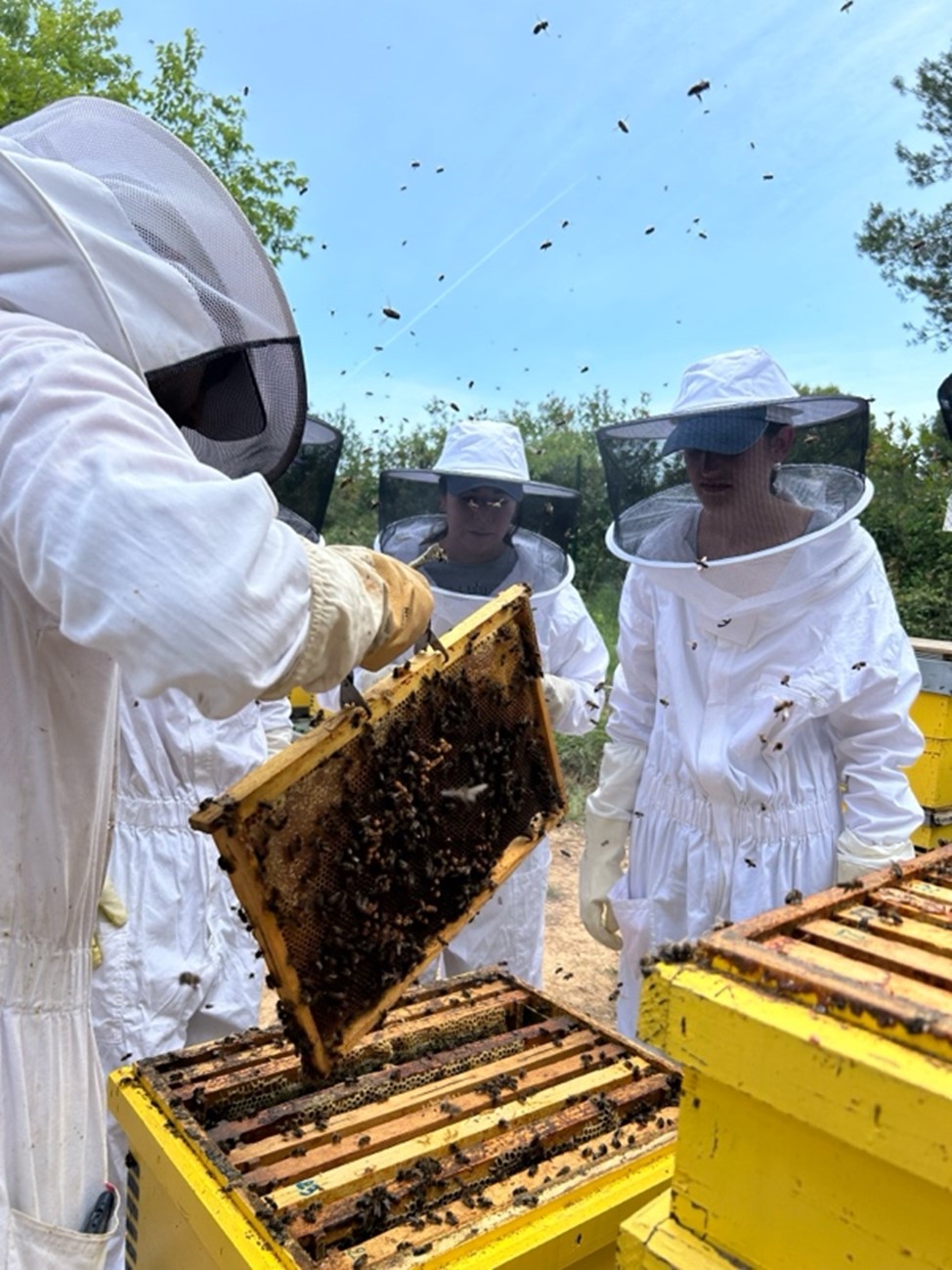
    The hands-on aspects of the class were the most memorable experience of my trip, we were able to suit up in our beekeeping outfits and venture into the apiary to see the bees in action. It was amazing being able to experience the whole process from setting up the hive frames to extracting the honey and even tasting it!

    I learnt so many fascinating things about bees like how they communicate using dance and can even do basic math such as adding and subtracting. As a biology student, I found the class and theory highly engaging, the content we covered flowed on from what I had learnt the previous semester at UTS, making this the perfect summer class. It was also interesting to develop new lab skills that I hadn’t learnt before such as pollen analysis and being able to test the quality of honey.

    When I wasn’t at class or in the apiary I was exploring the city. The city of Barcelona quickly became one of the highlights of my trip. Over the month I was there I developed a love and appreciation for the city and its beautiful architecture, delicious food and lively atmosphere. As it was nearly the peak of summer in Spain festivals were in full swing and food stalls filled the street. I wandered around the different neighbourhoods spotting Gaudi’s iconic buildings and enjoying endless tapas and tinto de verano with my new friends. I even managed to fit in day trips to nearby seaside towns with my friends where we had cocktails by the beach, the scorching weather making this even more satisfying.

    I was also part of the UTS BUILD program which was especially rewarding as I could put into action all the things I had learnt about global citizenship and intercultural communication in the workshops. The biggest takeaway from the experience was living independently in a city so different from Sydney. I found this a super fun and it helped improve my time management, planning skills, and confidence. Overall, this was an amazing experience and one that I highly recommend to anyone thinking of doing a global short program. Through this experience I was able to connect with students from all over the world and learn from the knowledgeable professors at UAB. This course went through everything you would need to know to get started with your own hive and lead me develop an appreciation for bees and beekeepers.

    Paloma Soysup
    Bachelor of Environmental Biology

    Universitat Autónoma de Barcelona, Spain
    Global Short Programs Travel Scholarship

    For more information about the UTS Global Short Program visit: www.uts.edu.au/thinkglobal

  • Erasmus University Rotterdam, The Netherlands

    Hi! My name is Grace and I am a second year Journalism student currently studying at the Erasmus University Rotterdam in The Netherlands. Rotterdam is the second largest city in The Netherlands, and about an hour train ride (or a 4 euro flix bus) away from Amsterdam, home to many cute thrift stores, markets and events. The city was rebuilt after WW2, hence its more modernist architecture compared to other cities in The Netherlands.

    Academic life

    Term 1 has just finished for the communications school, and we are all about to embark on a small break. Much unlike Australia, a two hour flight will put you in another country, rather than just up to the Gold Coast, and we all plan on exploring a few countries before the start of term 2. I thoroughly enjoyed both subjects I completed in Term 1, which were both electives, History of Western Arts and Culture and Media Campaigns. History of Western Arts and Culture greatly differs from anything I have studied in Sydney, which is typically more journalism or strategic communication based. My course at UTS involves only assignments, and no exams, so the three hour exam I had to complete for History of Western Arts and Culture was definitely a shock, since the last time I experienced a three hour exam was for the HSC. Next term I am studying three subjects, Feeling Orange, World Politics After Empire and Globalisation, Culture and Place. Feeling orange is a subject surrounding perspectives on Dutch culture and will offer a more in depth approach, and a greater chance to fully immerse within The Netherlands.

    At Erasmus, the tutorials are 2 hours and 45 minutes, but they do give you a few ten minute breaks in between. However, next term I only have lectures, which will definitely be interesting to experience. The campus is of a similar size to UTS, but all the buildings are much closer together, and you will not have to walk around aimlessly looking for that pesky building 5! The campus is now covered in red leaves as the trees quickly shed their leaves for winter. It is already around as cold as it gets in Sydney, so I am preparing to brave the even colder weather that is soon to arrive. The campus also has a student bar that many of us accidentally stumble upon after a long study day but much to everyone’s despair is closing down over winter for renovations.

    Despite being in a non-English speaking country, practically everyone speaks perfect English, with so many people being multilingual it definitely makes you feel underachieved! All classes for exchange students are taught in English, which is beneficial as the only Dutch words I know are the ones that are very similar to English, such as Hello (Hallo) and Sorry (Sorry).

    Culture shock

    One culture shock about the Netherlands is definitely bike riding. Unfortunately, I may be the Netherlands worst cyclist and when google maps says a 20 minute cycle I have to plan ahead for my 30 minute ride. However, cycling is definitely a must over here and The Netherlands is so cycle friendly, with completely separate lanes for bikes. Overall it is a great way to get around and many exchange students over here, including myself, picked up our rental bikes at Swapfiets within our first week here.

    Unfortunately, I was not able to secure on-campus accommodation, however, I was lucky enough to have requested a co-allocation for exchange with my friend and we were able to search for off-campus accommodation together. In The Netherlands, there is currently a housing crisis, making it exceedingly hard for students to secure accommodation. Yet, we managed to find a brand new, recently built apartment around a 25 minute cycle from uni, with the building built solely for expats, including international students, who are only staying 6 months, through a platform called Holland2Stay.

    Overall, going on exchange is a once in a lifetime opportunity, and all the stresses of housing, subjects and organisation before going seem so worthless now. Honestly, one of the best decisions and I am definitely in no rush to come home! For any future students contemplating coming to Rotterdam I would recommend it in a heartbeat, as it is the perfect location with plenty of little day trips to other quaint cities in The Netherlands and in proximity to many other countries. I have already done day trips to Belgium, an Oktoberfest trip to Munich and a mini euro summer beforehand, with many more tips coming up! So absolutely submit an application for exchange to experience a once in a lifetime opportunity, meet so many new people and create so many memories!

    Grace Newton
    Bachelor of Communications (Journalism) Bachelor of Creative Intelligence and Innovation
    Erasmus University Rotterdam, Netherlands
    Global Exchange Scholarship

    For more information about the UTS Global Exchange program please visit: www.uts.edu.au/thinkglobal

  • Poznan University of Technology, Poland

    I had the honour of taking part in a faculty-led global short program on strategic management in Poznan, Poland, earlier this year. In addition to being intellectually stimulating, the experience gave me the chance to interact with teachers and students in a lively, historically significant environment. This program provided me with a view into Poznan academic life and helped me develop my strategic thinking and problem-solving skills.

    Poznan Old City

    Classes

    Our work on a strategic management case study at Poznan University of Technology served as the program’s central component. With the help of this case study, we were forced to apply strategic frameworks to actual issues and work in groups to come up with creative fixes. It was a practical experience that mimicked how corporations make decisions, which improved my ability to solve problems.

    Our conversations were enhanced by working with kids from various academic and cultural backgrounds. We looked at how businesses address comparable strategic problems globally, and it was evident how much the cultural backdrop affects corporate choices. One of the best parts of group work was the idea sharing that gave us a deeper grasp of resource management, market positioning, and competitive strategies.

    Our instructors provided guidance through the difficulties of strategic management, and their criticism forced us to exercise critical thought. The event brought theory to life and emphasized how crucial strategic planning is to any company’s success.

    Visiting Poznan

    Even though the academic component was demanding, we found time to visit Poznan, a stunning city. Our tour of Poznan’s Old City with a guide was one of the highlights. As we meandered around the streets, we took in the breathtaking architecture and discovered the depth of the area’s history, which included important sites like the Imperial Castle and Town Hall.

    We also got to sample some classic Polish pierogi, or dumplings, as part of our culinary exploration of Poland. Having a taste of this well-liked regional cuisine was a delightful way to get a taste of the customs while also adding a personal touch to the cultural experience.

    The historical significance and hospitable atmosphere of Poznan contributed to the unforgettable cultural immersion experience. Understanding the history of the city while taking in its energy now gave depth to our comprehension of the ways in which culture influences local company operations.

    I now have a much deeper understanding of strategic management thanks to this curriculum. My understanding of strategic decision-making and how to address business difficulties in various markets has improved as a result of working on the case study. My communication, cooperation, and flexibility abilities were further refined by the chance to interact with people from different cultural backgrounds.

    Personally, I learned from the training how crucial cultural sensitivity is to international company plans. In an increasingly globalized world, knowing the local context—whether it is through cuisine, history, or customs—is crucial for making informed strategic decisions.

    The faculty-led Global Short Program I participated in in Poznan was a fantastic synthesis of academic and cultural immersion. It reaffirmed my love for strategic management and gave me valuable abilities that I may use in my next job. This curriculum has shown me that knowing the people, communities, and cultures involved in a business plan is just as important as evaluating data and markets.

    I am excited to put these realizations to use as I pursue my education and future profession in global business management.

    Stuti Bhatt
    Bachelor of Computing Science (Honours)

    Poznan University of Technology, Poland
    Global Short Programs Travel Scholarship

    For more information about the UTS Global Short Program visit: www.uts.edu.au/thinkglobal

  • Humboldt University: My time in the heart of Berlin… and Football?

    I undertook the course ‘European Constitutional Law: National Identities Between Unity and Plurality’ at the Humboldt Universität zu Berlin over June and July [last] year. The course was incredibly rewarding, albeit very expensive, and finally showed a glimpse of the university experience I had been looking for throughout my degree.

    Australian University culture really fails to formulate friendships and connect people, largely because it’s uncommon to move on campus for your degree. There’s a real herd mentality that’s affecting Australian universities, and so in degrees like law when there’s such a large cohort, and students will predominately socialise with people they knew in high school, it makes for a very lonely university experience.

    This was not the case in Berlin.

    I have made unforgettable connections, from quite literally all across the globe. My social circle had roots in South Korea, Switzerland, Spain, France, Chile, Russia, the Netherlands and so much more. The course itself was great, but the people really made this experience the highlight that it was.

    And so now to the second part of this post… the football (or soccer as we so graciously call it). Whilst I was studying, the UEFA Euro Championship 2024 was hosted in Germany. The atmosphere of the entire city was incomparable to anything I could have ever experienced here in Sydney (it even beats the Blues winning Origin). All 51 games of football I watched with fellow students at bars, biergartens and fan zones (with pints for $3.50 if you weren’t already convinced to go to Germany) in different country’s sports jerseys I’d thrifted from local flea markets.

    For five weeks, I lived and breathed football, and I wouldn’t have changed it for the world. I was so indescribably lucky to have found my people in a place that was so beautiful, my classmates and I even made a pact to reunite for every Euro football championship. UK and Ireland we’re coming for you in 2028!

    I had never been so far away from home, and yet felt like I was exactly where I was supposed to be. If you’re contemplating completing a Global Short Program, I would recommend it immediately, but I would also warn you; prepare to become a fundamentally different person when you come back to when you left.

    Brooklyn Rullis
    Bachelor of Laws

    Humboldt-Universität zu Berlin, Germany
    Global Short Programs Travel Scholarship

    For more information about the UTS Global Short Program visit: www.uts.edu.au/thinkglobal

  • International Internships Indonesia: Environmental Internship

    Throughout my international internship I have enjoyed working in a new environment, adapting to different working customs and immersing myself in a vibrant culture. I loved engaging with local communities and learning about sustainable practices employed in the local agricultural and tourism industries. The hands-on experience in conservation efforts, such as wildlife protection and eco-friendly tourism initiatives was incredibly fulfilling. It was amazing to collaborate with like-minded individuals who were passionate about the environment and made the internship a truly memorable and impactful journey.

    A cultural highlight was visiting the Tjong A Fie Mansion, which showcased a blend of Chinese, Malay and European architectural styles, reflecting Medan’s multicultural Heritage. A social highlight was being welcomed into local families’ home and being taught how to weave traditional baskets and make tempeh.


    The Indonesian workplace environment has shaped my view on professional relationship, encouraging a more personal approach of creating friendships between individuals to foster effective working habits instead of fast paced objective driven approach. Learning Indonesian was super fun, it was a great way to connect with locals. Working within an Indonesian office was a great way to practice.

    It was an honour to work with and be mentored by people who were incredibly knowledgeable and passionate about conversation.

    Jessica Wright
    Bachelor of Business Bachelor of Laws

    International Internships Indonesia – Environmental Internship
    New Colombo Plan Mobility Grant

    For more information about the UTS Global Short Program visit: www.uts.edu.au/thinkglobal

  • Cardiff University, United Kingdom

    I hadn’t originally set out on an exchange in Wales. My initial thoughts for a semester abroad in the UK was assuming I would be studying in England instead. However, I’m now halfway through the semester and very glad I ended up here at Cardiff University. Cardiff is a relatively small city, (especially if you’re used to Sydney!) but with four different universities, its very student based. It’s easy to navigate and completely walkable, and the city centre has dozens of historical arcades running through, giving the busy city life a much calmer feel.

    Exploring South Wales 

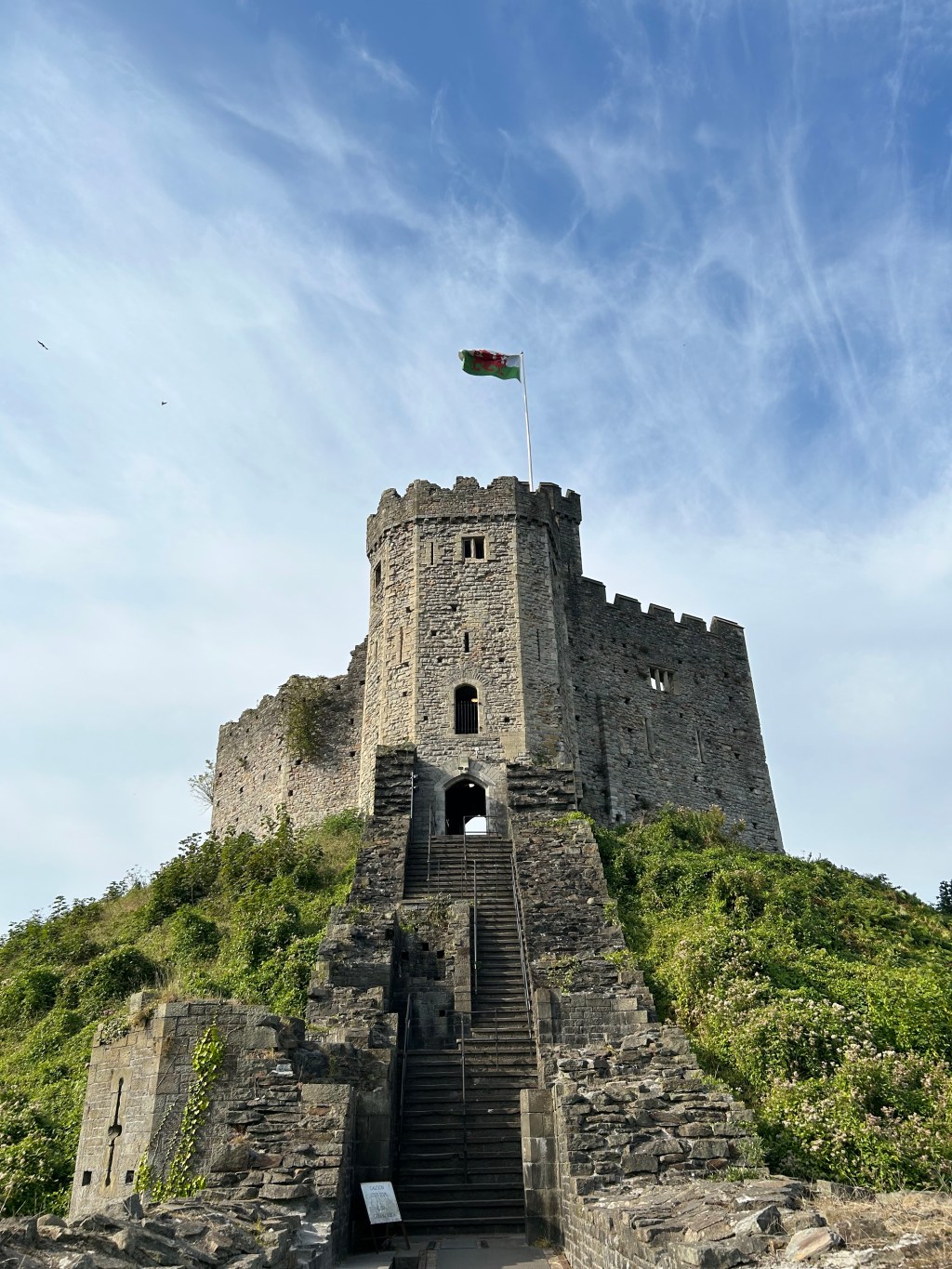
    Wales has a rich Celtic culture, which includes a love of dragons, sheep and beer, and the ancient Welsh language is kept alive throughout the country. Cardiff Castle sits in the middle of the city, with rich history dating back to the 1st century, surviving Roman occupation, Norman conquest, and WW2 – where the castle’s tunnels were used as bomb shelters, giving it an eerie feel as you walk through them. Wales has plenty of castles to visit; So far, I’ve visited Castle Coch, Caerphilly Castle, Chepstow Castle and Tintern Abbey – which are all within an hour or so of Cardiff. At Tintern, we also happened to stumble across a few filming locations for Netflix’s Sex Education! Cardiff is also known for being the filming location for BBC’s Dr Who.

    Life and Study at Cardiff University 

    I’ve taken the opportunity of an exchange to study a few subjects outside of my normal degree. I’m taking two English literature subjects and one studying linguistics. At UTS I study a B. Communications (Social and Political Science) with a second major in writing and publishing. These electives have some relevance to my home degree but are still areas of study I wouldn’t get to learn about at UTS. The structure of the classes is similar to what I’m used to, with each class having a lecture and a seminar, and the majority of the course being self-paced study. 

    Making friends in a new country is always daunting. I was lucky enough to get paired with another Australian exchange student in my accommodation flat, who is from Monash University in Melbourne. To my knowledge, the accommodation has done the same thing for other Australian exchange students, so most students have someone else from their country living with them. UTS also connected us with other students going to the same partner university. This has all been a massive help in getting settled into exchange, and the global exchange staff at Cardiff University have been very friendly and welcoming. There’s a wide variety of societies to join, and I’ve joined ice skating and aerial fitness, with society events usually running multiple times a week!

    The university additionally runs day and overnight trips every weekend – exploring all different parts of the UK! They are very reasonably priced and have a wide variety of options. So far, I’ve visited the Jurassic Coast with the famous rock formation Durdle’s Door. The university provides the coach for the trip, but everyone gets the opportunity to explore on their own. In the next few months, I’m going to visit Stonehenge, Oxford and Edinburgh with the university – which I’m very excited for! Other trips include Cambridge, the Cotswolds, Bath, and York. 

    Madeleine Edwards
    Bachelor of Communication (Social and Political Sciences)
    Cardiff University, Wales (United Kingdom)
    Global Exchange Scholarship

    For more information about the UTS Global Exchange program please visit: www.uts.edu.au/thinkglobal

  • 10 days in Da Nang City

    My 10-day Global Short Program in Da Nang City, Vietnam, was an amazing
    adventure full of cultural experiences, personal growth, and insights into the fashion industry there. From the lively streets filled with vibrant markets to the peaceful beaches, Da Nang was the perfect place for an unforgettable journey.

    From the moment I arrived in Da Nang, I was fascinated by the city’s energy and the friendliness of its people. Walking through the streets was amazing: the delicious smell of street food, the sound of motorbikes, and the colourful market stalls. One of my favourite experiences was visiting the local markets, where I got to try various Vietnamese dishes like Banh Mi and Pho. These moments weren’t just about tasting new foods but also about learning the cultural significance behind them. Not everything went as planned, though. On the third day, my phone was stolen, which led to an unexpected but eye-opening interaction with the local police. Despite the language barrier, the officers were incredibly helpful and kind. This incident taught me how to stay calm in stressful situations and highlighted the kindness of strangers in a foreign country. What could have been a disaster turned into a valuable lesson.

    One of my main goals was to explore the fashion industry, especially the sustainability of second-hand clothing shops. Vietnam has a strong tradition of recycling and repurposing, which is evident in its busy second-hand markets. Visiting these shops, I was impressed by the quality and variety of clothing available. It was eye-opening to see how sustainability is an integral part of daily life in Da Nang, which is very different from the fast fashion culture common in many parts of the world.

    Besides the cultural and personal experiences, the program provided a chance to learn and innovate. By talking to local entrepreneurs and artisans, I gained insights into the challenges and opportunities in the Vietnamese market. Their resourcefulness and creativity were inspiring, showing me the importance of sustainable practices in business. This experience reinforced my belief that innovation is crucial in addressing global challenges, especially in the fashion industry. I gained many different perspectives and knowledge during this trip. From the richness of Da Nang’s streets to the deeper understanding of sustainable practices, each moment added to my broader worldview. The photos and videos I captured will help immerse my audience in the vibrant atmosphere of Da Nang, bringing to life the lessons and experiences I cherished.

    New Colombo Plan

    Receiving the New Colombo Plan Mobility Grant significantly enhanced my experience in Vietnam. The social and cultural highlights included engaging with locals and exploring sustainable second-hand fashion shops. These experiences deepened my appreciation for Vietnam’s rich culture and commitment to sustainability.

    Additionally, I had the opportunity to participate in a short workshop at a local business specialising in eco-friendly fashion. This workshop provided practical insights into sustainable business practices and allowed me to collaborate with local professionals, enriching my understanding of the industry. The connections I made with local people were invaluable. From my peers at the workshop to the shop owners and artisans I met, these interactions provided a genuine insight into Vietnamese life and culture.

    I also took introductory Vietnamese language classes, which helped me navigate daily interactions and appreciate the nuances of the local culture. Through this program, I gained a profound understanding of Vietnam’s cultural heritage, social dynamics, and environmental initiatives. This experience has sparked my interest in potentially living and working in the Indo-Pacific region in the future. The grant allowed me to immerse myself fully in this transformative experience, shaping my global perspective and professional aspirations.

    The Global Short Program in Da Nang was more than just a trip abroad; it was a transformative experience. It taught me to embrace new cultures, adapt to unexpected challenges, and seek innovative solutions to global issues. Looking back on this experience, I am grateful for the opportunity and excited to apply these lessons in my future endeavours.

    Lucy Egan
    Bachelor of Sport and Exercise Science Bachelor of Creative Intelligence and Innovatio
    n
    FPT University, Vietnam
    New Colombo Plan Mobility Grant recipient

    For more information about the UTS Global Short Program visit: www.uts.edu.au/thinkglobal

  • My Trip To NTU Singapore

    My journey with the Global Short Program at Nanyang Technological University (NTU) in Singapore was unique and unforgettable. Singapore was an incredible opportunity to delve into social media marketing in one of Asia’s most dynamic hubs. In just two short weeks, I was able to explore a completely new country and experience a different culture.

    Here’s a look at the highlights of my journey.

    One of the most exciting aspects of this program was learning alongside students from around the world. Each day brought new perspectives as we explored how social media marketing strategies differ across cultures and industries. We didn’t just study social media concepts; we actively engaged in case studies, creative brainstorming, and presentations. It was fascinating to hear diverse views on trends like influencer marketing, content strategy, and platform optimization, which opened my eyes to the global potential of social media.

    As the subject was dedicated to international students, I met many people from various countries. This was one of the most exciting aspects of this program. Each day brought new perspectives as we learned how social media marketing strategies differed across cultures and industries. It was incredible to hear diverse views on trends and strategies from people with different backgrounds.

    A moment that stood out to me was our group assignment where we created our own fake company. We were able to apply what we learnt in class and test the social media marketing strategies on fake products we created . Our instructor provided invaluable insights into Singapore’s digital meida, which helped greatly with out task. I picked up important marketing strategies that I am excited to apply in future projects.

    My time in Singapore was not just confined in a classroom, NTU organised many events that were a perfect blend of learning and cultural immersion. They gave us a short tour of the city as well as hosted many social events that helped me meet other people from different cultural backgrounds.

    My experience with Global Short Program and NTU was an eye-opening experience that combined cultural engagement, self-discovery and academics. I left Singapore with a deeper understanding of e-commerce and social media marketing. I would love to apply these new skills and perspectives in my future career path. For anyone interested in expanding their skillsets, I would highly recommend studying in Singapore all while experiencing one of Asia’s most vibrant cultures.

    Nathan Cheng
    Bachelor of
     Design in Visual Communication
    Nanyang Technological University, Singapore
    Destination Australia Cheung Kong Exchange Program (DACKEP) Grant

    For more information about the UTS Global Short Program visit: www.uts.edu.au/thinkglobal

  • GEM Trailblazer Summer Programme 2024 @ NTU

    In July 2024, I escaped the cold, dry, Australian winter, to the hot, hot, HOT, Singapore summer. I arrived in Singapore a couple days before the course started, with my boyfriend and fellow student, and we explored the city before we started the intensive course: E-Startups and Social Media Strategies.

    The highlights:

    1. Hitting up the main tourist spots and taking cheesy photos
    2. Shopping too much, eating way too often and drinking dangerous amounts of bubble tea and soft drinks.
    3. The actual course content.

    Touring Singapore:

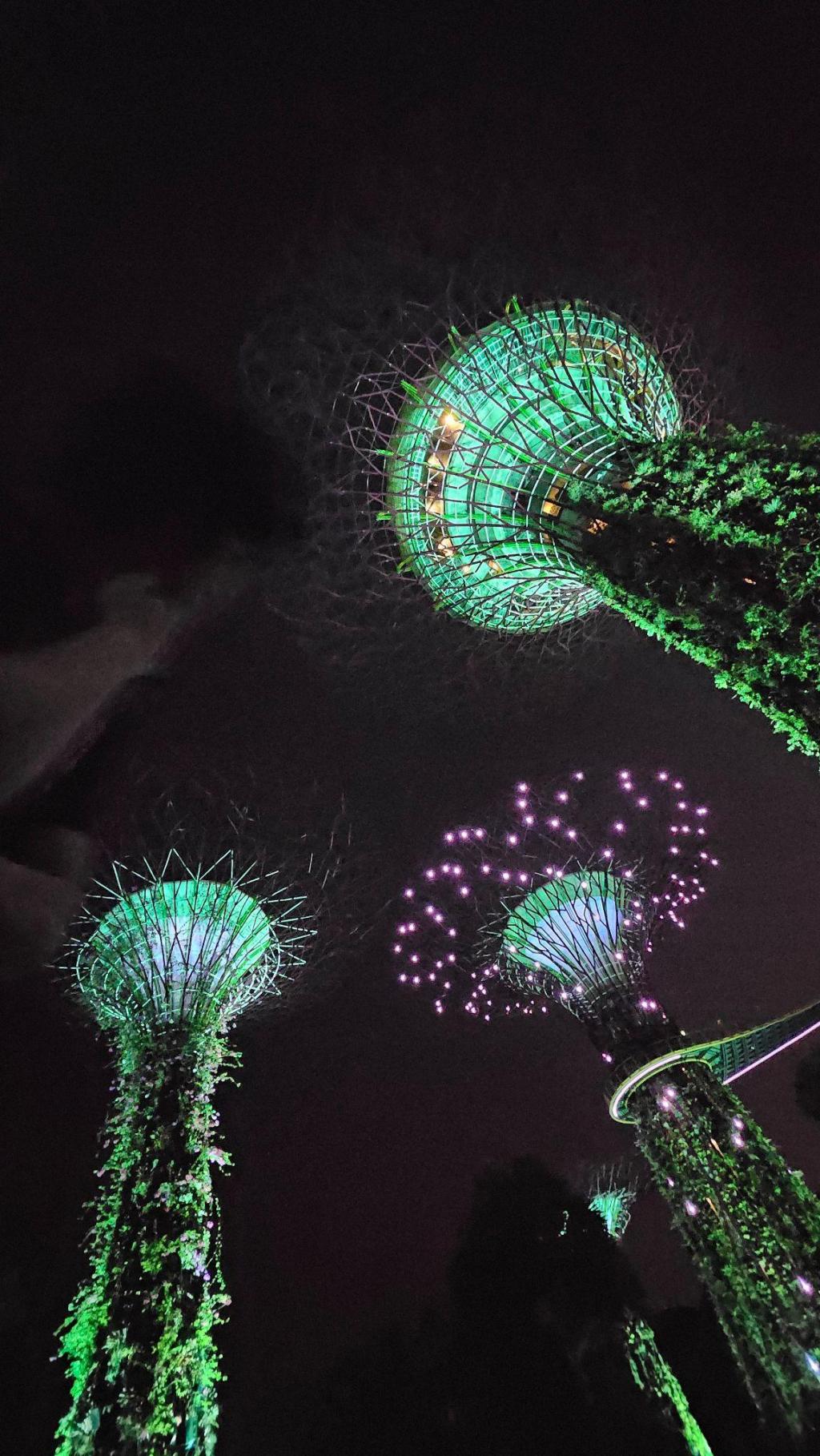
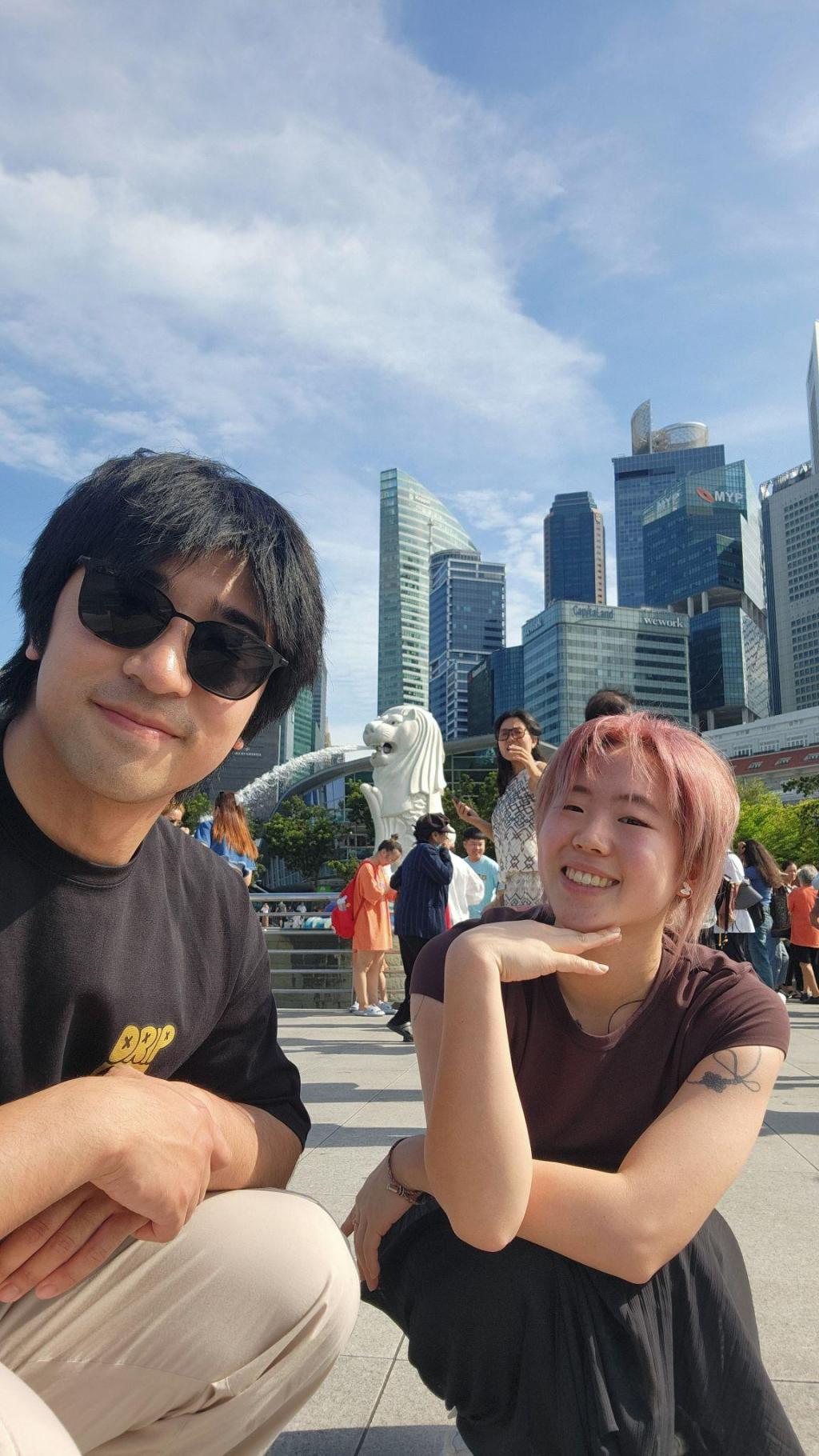
    The NTU GEM Trailblazer Summer Programme included guided tours around Singapore, however, since it was our second time here, we chose to forego it. We also prefer making our own itineraries since it allows more flexibility and therefore we could take our time without being rushed. On one of the days we took our time to walk to the Merlion and took many, MANY photos.

    Shopping, eating and drinking:

    Singapore is a huge cultural hub with amazing design products not found in Australia. In relation to this, Asia has fantastic fashion and other items, especially Fila. The Fila products in Australia are not close to being comparable to the Fila products in Asia. Some other shops we perused were The Paper Bunny for the cutest bags, Kinokunia for blind boxes that were three times cheaper than back in Sydney, and World Fishing Centre SG for fishing goods that were almost five times cheaper than Sydney!

    As for eating and drinking, everything was so much cheaper and nicer than back home, the only fault I found was the lack of vegetables in the meals. I’m not much of a veggie eater but I was craving them towards the end of the trip

    The course content:

    Our course was E-Startups and Social Media Strategies, taught by Lecturer Adrian, who is the CEO for his own company, Media Freaks. He and his guest lecturers jam packed the content but taught in a way that we could still follow along and understand. As someone who is interested in marketing and was upset to find that my degree did not allow for electives outside design or the pre-selection of transdisciplinary courses, it was like a gift from god to receive an opportunity to travel AND study something I had an interest in.

    Overall, I had an amazing time learning and travelling, and hope that everyone has and takes an opportunity to at least once, study and travel outside the comfort of their daily lives!

    Hannah Yim
    Bachelor of
    Design in Visual Communication
    Nanyang Technological University, Singapore
    Destination Australia Cheung Kong Exchange Program (DACKEP) Grant

    For more information about the UTS Global Short Program visit: www.uts.edu.au/thinkglobal