UTS Think Global

Dream. Explore. Discover.

Disclaimer: All blog posts are written by students and do not necessarily reflect the views of UTS staff.

  • I interned in Malaysia, and I can’t stop thinking about it…

    I love travelling. It is one of my greatest passions in life. When I found out there was an option to study, travel, and gain work experience through the UTS global shorts program – I jumped at the chance.

    But to be completely honest, Malaysia was not the first destination on my wish list. Nor was it the second, or the third, or… well, you get the idea. But how wrong I was! Embarking on an international internship in the beating heart of Malaysia, Kuala Lumpur, was an experience of a lifetime.

    I decided on KL as I wanted to the most of my winter break and knock over an elective that conveniently would whisk me away to the eternal summer of the sweltering tropics. As far away as possible from the creeping chill of Sydney’s bleak and damp winter.

    I found myself in one of the most dynamic cities in the world. KL is a vibrant late night kinda town. While it has all the makings of a relaxed southeast Asian city (hustle and bustle, street markets, incredible cuisine), it is also chic, modern and cosmopolitan. Historically, Malaysia was the epicentre of global trade and the reverberation of its history is evident through its diverse population, the majority of whom are Malay, Chinese and Tamil/Indian. There really is nothing quite like the melting pot of culture within KL.

    Here, I was lucky enough to intern with the Freedom Film Network (FFN), an NGO that empowers marginalised communities through the power of filmmaking to create social change and combat censorship issues in Malaysia. I was immediately drawn to work with FFN as they are a matriarchal organisation creating boundary breaking social justice reforms through storytelling. As a journalism and social & political science major, this work experience would be invaluable to my development as a future journalist.

    The women at FFN are strong, courageous, and smart as hell. They mentored me in so many ways, beyond career development. I learned how to archive, create content and how to create nuanced discourse about sensitive topics. All the while championing marginalised voices and effecting real change. Inspirational would be putting it lightly. Not to mention, Malaysians are the most kind-hearted and generous people I’ve ever met. They are always prepared to welcome you into their homes or take you to their favourite lunch spot. It was not hard to make friends with my colleagues who immediately welcomed me into their fold.

    A day in the life of an UTS intern in Malaysia is short of heavenly. I would leisurely start my mornings swimming in the pool of my hotel, looking out at the KL skyline watching the sunrise. Followed by my breakfast obsession of roti telur, a moreish flaky egg-soaked flat bread that got me out of bed every morning

    On my way to work, I would pick up my morning Starbucks and weave my way through the flurry of morning commuters to the train station. It was a daily ritual that cost less than $6 and made me feel like a wealthy ex-pat retiree.  

    Outside of the high-flying intern life, I made the most of the weekends exploring the cultural touchstones of Malaysia’s long and fascinating history. A particular highlight was my weekend in Penang, an old trading port. Exploring the colourful streets of George Town, a heritage listed part of town home to the mansions of the British India Trading Company. Traipsing through the ornate mansions of Peranakan families, peering into the rich history of the first Malay Chinese descendants that would come to create some of the most iconic Baba/Nyonya cuisine.

    All in all, Malaysia be on the top of everyone’s dream holiday destination. Better yet, combine it with an internship and spend 6 weeks completely immersed in one of the best cities in the world.

    Madeleine McWilliam
    Faculty of Arts and Social Sciences
    The Global Student – KL Internships, Malaysia
    New Colombo Plan Mobility Grant recipient

  • One summer day in Yukata in Tokyo

    Japan, the place I had wanted to visit for years, I’ve finally gone and seen it!
    This was the first time I had been in a different country alone, so it was a little daunting to begin with, but I was also very excited for it. The first few days felt like a dream. I couldn’t actually believe I was here. Lots of things were different and felt ‘out of place’ to me, but there were also a lot of similarities that made it feel like such a familiar place. After a couple of days and getting used to the train system I quickly started to feel like I had gotten the hang of things

    The first place I stayed at was Okayama. From there I visited Kurashiki City and Himeji City over the next two days. Both places were amazing, and although Himeji had its beautiful and famous castle, Kurashiki was my favourite. The historical area of the city was gorgeous, packed with shops and photo ops galore, had a park and a shrine and a ridable gondola, and was picturesquely quiet. I even made a friend and we got dinner in the town together.

    During my short program, I studied Japanese at Sophia University for three weeks. During that time, I met up with local and international students and we would sightsee around Tokyo, go to shops, and have fun at karaoke together. There was even a Yukata Day, where all the students were encouraged to wear yukata to the campus. There were also traditional activities being held to go with the event, such as a Japanese Tea Ceremony, which I was so happy I was able to experience.

    Another of my favourite experiences was visiting Asakusa with my Japanese friends. The street-lined shops on the way to the shrine were incredibly busy, but also exciting and fun. It was so tempting to buy all the knick-knacks I saw, and I couldn’t resist a few beautiful tokens of my journey. We all went to a sushi restaurant for lunch, and it was so delicious that I swore when I returned it would be the first thing I ate! Asakusa Shrine itself was magnificent. The courtyard around it, the pagoda and the enormous roof of the shrine, the serene garden around it, it was incredibly beautiful. And it was even better with my friends there to share the experience!

    Japan was an unforgettable place, and I’m so happy I was able to go there and see the country and meet the people there. I have so many wonderful memories to keep, and places I want to visit next time. I will definitely be back!

    Shanti Woodend
    Faculty of Science
    Summer Session at Sophia University, Japan
    New Colombo Plan Mobility Grant

  • A transformative experience studying buildings as a legal intern in Beijing

    Recently, I completed a Global Short Programme in Beijing. This left an indelible mark on my personal, academic, and career life. It’s a dream come true and a showcase of determination and hard work.

    China was always the location I wanted to work/study in; due to their rich culture and their global significance, this has captured my imagination for years and has been a goal I have worked towards since. To be able to embark on this journey was an incredible experience in itself. However, what made it truly exceptional was the impact it had on my career aspirations.

    The company I worked for was focused on IP laws, notability, copyright, trademarks, and patents. This company allowed me to understand just how big the IP law realm really is and where I would like to narrow my specialties within IP. Therefore, due to this experience highlighting this, this allows me to be more mindful of my plan and structure to achieve my career goals.

    Studying Chinese laws and regulations in their native context was an eye-opening experience. It allowed me to not only understand the intricacies but also the cultural nuances that shaped and continue to shape the Chinese legal system. This firsthand exposure was instrumental in broadening my perspective on not only local laws but also international laws and the global legal landscape.

    Although most of my time was spent researching and learning specifically about copyright law related to architectural works in China, I was able to accomplish the task of writing a 24-page paper discussing how China protects and implements laws around protecting their architectural work. This was more interesting due to just how many unique buildings China has. Despite this massive task undertaking, I made time to explore Beijing and was able to visit some of the case studies that I was researching for work. I was able to meet new individuals both inside and outside of work who all shared great stories, experiences, and advice.

    I made sure to not overextend myself to let everything evolve around just my studies and research, so while there were many that were able to offer my advice regarding my research, there was still much to be said about China culture in general, their experiences travelling, recommendations of food, drinks, places to visit, and much more. These stories really guided me in my transformative experience and really solidified the idea that I would love to work with/in Chinese companies during my career.

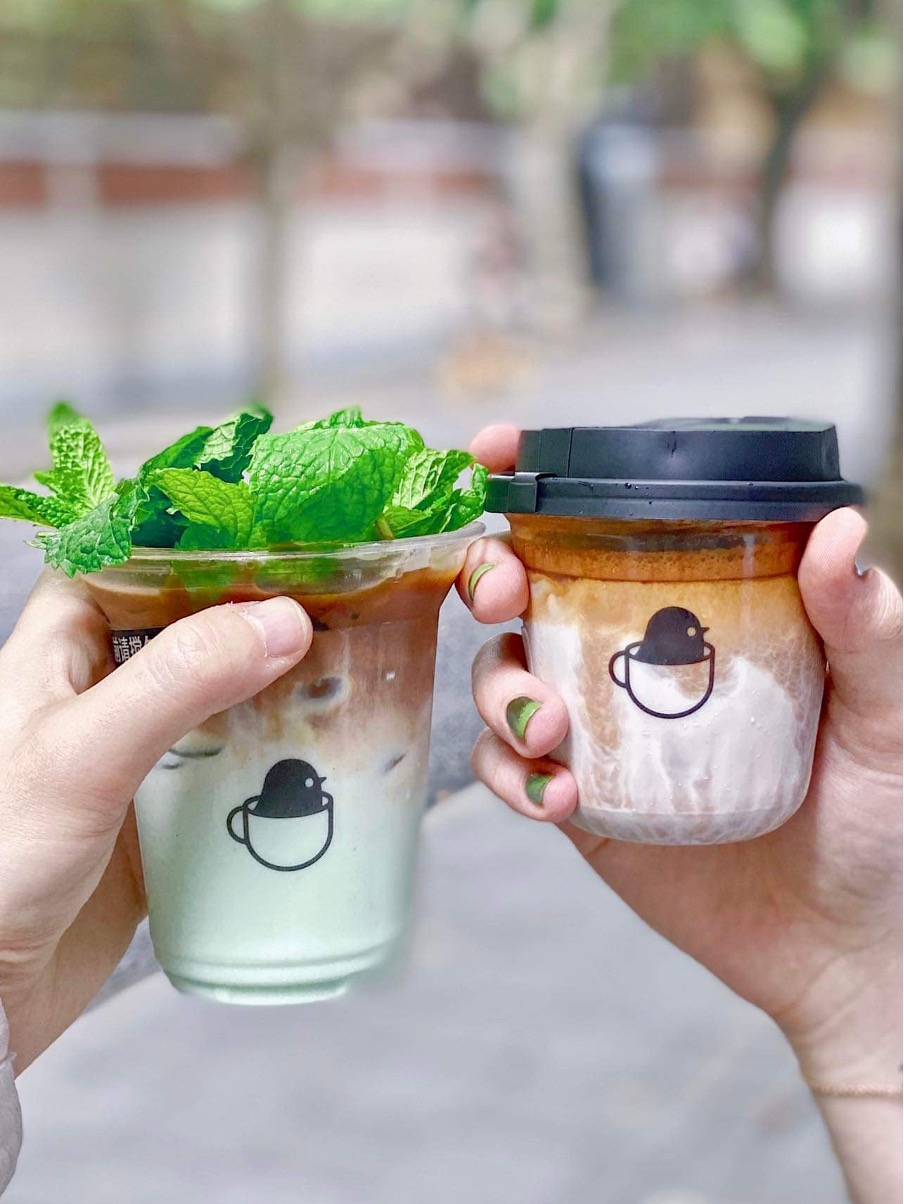
    On a side note, the iced lattes in China were next level, and I miss them greatly. They have so many unique flavours, and they are all just incredible. If you ever go to Beijing, go to ‘the woods’ and get the Mulberry Latte.

    Overall, I loved my time in China and will cherish all the inside and outside work experiences I had.

    Casper Swain
    Faculty of Law
    IPHouse Internship in Beijing, China
    Global Short Programs Travel Scholarship recipient

  • Artificial Intelligence at Centrale Supelec

    My time at the Centrale Supelec Artificial Intelligence summer school in France was both enriching and slightly flawed. The program offered an array of classes consisting of lectures and seminars, which were largely engaging and thought-provoking. However, a couple of instances stood out where language barriers hindered our understanding due to professors’ limited English proficiency.

    The scheduling was commendable, striking a balance between learning and leisure. Ample time was allocated for exploring Paris during the afternoons and evenings, enhancing the overall experience. This flexibility allowed us to not only delve into AI concepts but also immerse ourselves in the vibrant city’s culture.

    Interacting with fellow participants from different corners of Europe was one of the highlights. Sharing perspectives, ideas, and experiences was an eye-opening and rewarding aspect of the program. It was fascinating to witness the diverse backgrounds that converged for a common interest in AI.

    On the flip side, the accommodation situated a bit outside Paris proved to be a minor inconvenience. Commuting via train daily was manageable, taking roughly 30 minutes. Although the journey allowed for engaging conversations, a more centrally located accommodation might have amplified the overall convenience.

    The social and cultural events organized by the university, unfortunately, fell short of expectations. These activities lacked the engaging and immersive touch we had hoped for, but this shortfall didn’t deter us. Instead, we took the initiative to make our own memorable excursions around the city, forging stronger bonds among ourselves and experiencing the local life more intimately.

    In conclusion, the Centrale Supelec AI summer school offered a mixed bag of experiences. The intriguing classes, ample leisure time, and the opportunity to connect with an array of European peers stood out as positives. However, the language barrier in some lectures and the slightly distant accommodation were downsides. Despite the underwhelming organized events, the chance to explore Paris and create our own adventures compensated for any shortcomings. This summer school served as a unique platform for both intellectual growth and cultural exploration, leaving lasting memories of camaraderie and learning.

    Alexander Trobec
    Faculty of Engineering and Information Technology
    Artificial Intelligence at Centrale Supelec, France
    Global Short Programs Travel Scholarship recipient

  • A Mafia Story-Its Representation in Literature, Cinema and Television

    I developed strong relationships with other Egyptians in Milan, which significantly improved my travel experience. These connections provided a vital connection to my cultural identity and a platform for in-depth cross-cultural communication outside of my studies. Due to these relationships, the challenges of transitioning to a new environment took on a more approachable level. The powerful impact of shared cultural identity was highlighted by the created sense of community that cut across geographic barriers as a result of similar experiences and backgrounds.

    My new Egyptian friends allowed me to witness that they interacted with one another in ways  that went beyond simple social interactions; they connected with a common history, culture,  and set of ideals that cut across generations. Our shared past permeated the conversations, laughing, and moments of mutual understanding, which helped me feel like I was home,  although I haven’t visited Egypt since I was a little girl. 

    We embarked on a shared journey through the complexities of a foreign culture, providing each other with helpful advice and emotional support. By exchanging ideas and viewpoints, the difficulties of language, customs, and homesickness felt not as harsh. The unspoken bond of shared heritage offered comfort and served as a reminder of our unchanging nature during vulnerable times. For example, travelling with them, allowed me to speak more Arabic more often which is something I don’t do very frequently because I don’t have many Arab friends.

    These linkages highlighted the importance of cultural affinity and served as a reminder that our shared experiences, whether they be stories or meals, shape our shared history. They transcended boundaries and contrasts to capture the immense interconnectivity of humanity. These connections served as a powerful reminder that even as we embrace the future, the roots of the past continue to give us enduring strength, unity, and common ground.

    Jana Nouh
    Faculty of Arts and Social Sciences
    Università Cattolica del Sacro Cuore, Italy

    Global Short Programs Travel Scholarship recipient

  • Gaining greater insight of Thailand vs Australia midwifery operations

    Being given the opportunity to partake in the Global Short Program experience has been one of the best and most eye-opening experiences of my life. My experience with the Global Short Program gave my peers and I the opportunity to visit Thailand and gain insight to how midwifery is practiced overseas as well as develop and understanding of the similarities and differences between the practices and countries. Each country practices medicine differently or has different requirements that must be met in order to become a general practitioner, nurse, midwife, surgeon, and more.

    Our amazing hosts in Thailand, Mahidol University and the Faculty of Medicine in Ramathibodi Hospital, gave us an incredibly warm welcome to ensure that we felt comfortable and at home during our stay. The students were incredibly helpful and kind with many of them offering to take us out to visit different restaurants and areas.

    My clinical experience there was incredibly eye-opening as we spent several days visiting different historical medical museums, multiple hospital locations each catered for a different community, multiple Mahidol University campuses, as well as different cultural sites. It was amazing to see the difference in quality between newly developed hospitals compared to hospitals that have been in use for decades. The size, quality of equipment, staffing ratios, and method of operations were amazing to witness.

    As I learnt more about each hospital such as private and public, I was able to gain greater insight to the differences and comparisons between how midwifery operations work in Thailand vs Australia. For instance, in Thailand, women who labour are separated into rooms depending on which stage of labour they are in so women who are in the first stage of labour will wait in different rooms to women who are in the second stage of labour. I also found it interesting to see that partners and family members were not permitted to visit mothers who were labouring in hospital as in Australia, women are given single rooms to ensure privacy during their labour and birth period with their partner or family member being able to stay with them throughout the entire duration of their labour. Visiting the different Mahidol University campuses was also a great experience as it gave us an insight into the resources available at each campus and allowed us to experience learning as a Thai student would. We were given the opportunity to draw up medication using the method used in Thailand and were also taught how to cannulate using a fake arm and fake blood. I found this amazing as we had not yet learnt this in university ourselves.

    Overall, the experience has been amazing and I am forever grateful for the Global Short Programs for giving me the opportunity to be able to experience this. It is one that I will never forget and will continue to encourage future students to partake in as it truly is a once-in-a-lifetime experience for those looking to gain perspective into the international aspect of midwifery.

    Jennifer Sackprasit
    Faculty of Health
    Faculty-Led Program – Mahidol University Midwifery in Thailand
    New Colombo Plan Mobility Grant recipient

  • Break the barrier: The understated nature of  local Beijingers Good Samaritan

    My first experience with Chinese culture occurred before I’d even stepped on my flight, that being Chinese Bureaucracy. My visa was delayed an additional fortnight after already having delays which caused me to miss the first leg of my flight (cancelling the return trip, which I only found out 5 days prior my scheduled departure).  However, after you can get through this Trial of Job-esque visa application process and arrive in mainland China, the friction between state administration and foreigners lessens.

    Once in Beijing you truly appreciate the profound changes the country has gone through, both economically and culturally. Malls scattered everywhere, brutalist high-rise apartments framing the skyline, with Hutongs and parks nestled here and there. It is daunting at first but as you settle in you can navigate your way around this truly beautiful city.

    A lot of the time with the aid of a local simply wanting to practice their English. The dichotomy between the cultural barrier of access and the good Samaritan nature of local Beijingers cannot be understated – every person I met was always ready to lend a hand to help you through a place not designed for you. On my first night, I met a girl from Shanghai, we shared our WeChat, and she sent me a list of the places to go for students. I managed to get to most of her recommendations which I feel chuffed about. Some were jazz bars, art galleries, electronic music venues, and the likes. They’re out there but speak to the locals if you don’t want to trial-and-error your way through Beijing.

    I was studying at the Beijing Institute of Technology whilst there. The language program they offered was full of people from almost all continents, a real melting pot. All varying degrees of fluency, which was good. It allowed me to both learn from others and learn through teaching. There was a group of Italians who knew little to no Mandarin, so while I was learning how to discuss my studies at home and my political views, I was teaching them in their dorm room how to buy a beer and tell taxi drivers to wait while they got dressed for the club scene. The essentials really.

    Overall, this trip will stick with me, shifting the scale of the world we live in. We are small, very small in the world. But, that’s comforting, we can live without being important and enjoy these places in the world still, and even enjoy them that much more because of that fact.

    Aaron Behmer
    Faculty of Arts and Social Sciences
    Language and Multicultural Practice Program at Beijing Institute of Technology, China
    New Colombo Plan Mobility Grant recipient

  • Zurich… Swimming in lakes and much more!

    This winter break I was lucky enough to travel to Zurich, Switzerland to complete the subject ‘International Sports Law: Legal Challenges in the Fight Against Doping’ at the University of Zurich (UZH).

    After arriving in Zurich, we were assigned a student leader from the University (shoutout to Yaroslav!) who picked us up from the airport and helped us get to our accommodation via public transport. Our housing complex was located in Meierwiesenstrasse 62, around a 15-minute tram ride from the centre of Zurich. This is where most of the students who were completing the program stayed. After arriving and becoming familiar with a few other students, we went straight into the program the next day with an introductory BBQ and meeting.

    The subject was taught at the UZH main campus and I was very impressed to hear that individuals such as Albert Einstein were amongst its alumni. During our classes, we heard from guest lecturers consisting of FIFA executives, World Anti-Doping arbitrators and many more significant figures. Being in Switzerland, particularly Zurich, meant that we were surrounded by, and involved with, many of the world’s leading sporting institutions, hence, I really do believe that Zurich may be the best place to study sports law!

    Our final assessment was a Moot Court consisting of a mock doping scenario. We were separated into 8 groups of 4-5 people and had to battle it out through knockout rounds. I was fortunate enough to make it to the grand final where we competed at the FIFA headquarters. Having the opportunity to speak at such a prominent location (particularly as a football fan) was a very exciting and truly memorable experience.

    It wasn’t all classes and learning though! The city is incredibly vibrant and fun during summer with lakes and streams only ever a short walk away. The best part about this is that they are almost all swimmable. When days were warm it was almost a certainty that we headed down to the Lake (particularly Lake Zurich) and had a swim. But Lake Zurich was definitely not the only spot to cool off. There are also a number of flowing streams and rivers that provide a perfect place to swim and socialise.

    Ultimately, I would strongly recommend this program to anybody who is thinking of completing it! I took part in a number of unforgettable experiences and met amazing friends from both Australia and all over the world. I may also be welcoming a few to Australia within the coming months.

    If you have any hesitations or questions please feel free to reach out to me, I’d be more than happy to help!

    P.S. Switzerland is more expensive than you might think so definitely do some research before you head over, particularly surrounding public transport and getting a Swiss Travel Pass.

    P.P.S. Have a look at Holafly e-sims for your phone (their European packages are great and include a number of countries including Switzerland). Also, Revolut is a great app for sorting out your payment method.

    Jacob Hanna
    Faculty of Law
    International Sports Law Program at the University of Zurich, Switzerland
    Global Short Programs Travel Scholarship recipient

  • Mastering the Art of Decision-Making:  A Global Perspective

    Embarking on a journey to become a global leader, I recently had the opportunity to participate in an enlightening workshop on decision-making. Hosted by the dynamic Dominic Soh, this event opened my eyes to the fascinating world of making effective choices, a skill that transcends borders and cultures. In this article, I’ll share my key takeaways, how this topic has enriched my global leadership aspirations, and its harmonious alignment with the BUILD values.

    Dominic Soh presenting “How to Make Decisions in a High-Stakes & High-Pressure Environment” workshop for Spring 2023

    What struck me most during the event was the sheer impact of the choices we make every day. Whether it’s deciding on a career, picking courses, or managing our time, our lives and careers are shaped by these pivotal moments. Dominic Soh shared an astonishing fact that an average person makes about 35,000 decisions daily!

    In the grand tapestry of global leadership, effective decision-making is the golden thread that weaves it all together. In our fast-paced, ever-evolving world, the ability to make informed, timely, and impactful decisions is a must. The workshop provided me with an arsenal of tools and techniques to navigate the complexities of decision-making, a skill essential for a global leader.

    This topic doesn’t just resonate with my own experiences and dreams; it’s also deeply intertwined with the current global challenges we face. Think about the COVID-19 pandemic, where quick, well-informed decisions were vital at every level. As someone passionate about positive global change, I see decision-making as a key driver in addressing issues like climate change, social inequality, and sustainable development.

    The workshop beautifully encapsulated several BUILD values, underpinning its relevance to my journey as a global leader.

    1. Leadership: I left the workshop feeling empowered to take the lead in making decisions, not just for myself, but for those I may one day guide as a global leader.
    • Global Citizenship: Our interconnected world requires global citizens to make decisions that resonate far beyond our own borders. It’s our duty to contribute to a more equitable and sustainable world.
    • Intercultural Competency: Decision-making often involves respecting diverse viewpoints and understanding cultural nuances. The workshop encouraged a holistic approach to decision-making that respects differences.

    In Conclusion, in a world where the quality of our decisions shapes our journey, the decision-making workshop with Dominic Soh was a pivotal step in my pursuit of global leadership. It furnished me with tangible tools for effective decision-making and fortified my commitment to contributing positively to the world’s challenges.

    I encourage fellow students and aspiring leaders to explore similar opportunities for growth. The art of thoughtful decision-making is a potent skill that transcends borders and connects us as global citizens. Let’s continue to learn and grow, shaping a brighter future for all in sync with the United Nations Sustainable Development Goals.

    I invite you to explore BUILD and kindred initiatives as we journey together towards becoming global leaders who lead with purpose, wisdom, and impact. After all, the power of informed and considerate decision-making is the secret sauce for a brighter, interconnected world.

    Author: Carlo Cozzi
    Exchange student from Italy

  •  My experience at the University Scholars Leadership Symposium 

     I recently represented UTS as a delegate, alongside 11 of my peers, at the 11th University Scholars Leadership Symposium in Bangkok, held at the United Nations Conference Centre. 

    Across 4 days, we heard from different speakers on various social issues such as the digital divide, volunteering (and thinking critically about volunteerism), and female genital mutilation. 

    We also attended workshops held by different UN agencies including UN Women, IOM, and the UN Office on Drugs and Crime. The International Organization for Migration’s (IOM) workshop on Migration and Sustainable Development Goals was a standout for me since I am particularly interested in this field careerwise. 

     We also got the chance to volunteer and paint at Suroutmaijaroen School in Pathum Thani, as part of the ‘Kindness Day’ activity. 

    Going into the program, the social issue I was most interested in was Gender Equity and Equal education for all. The Symposium allowed me to explore these issues and learn about challenges affecting people in countries around the world. The UN’s Sustainable Development Goals were a continued focus throughout the USLS. 

    It was a wonderful and inspiring week of learning, connecting with like-minded students, and exploring Bangkok. 

    Bangkok was a lively and bustling city, everyone was super friendly, and we had time after the symposium to do our own activities, such as going to night markets or visiting temples. I visited Wat Arun temple or ‘Temple of the Dawn’ on one of these days. It was definitely a highlight of my trip! 

    This trip, facilitated by UTS Build, was a great experience and was beneficial not only to my professional development but also integral to my personal skills, such as travelling independently alone for the first time. I also really loved networking from students all over the world and have built some great connections! Overall the program was a highly enriching experience, and I would definitely recommend it to others. 

    Rida Khan
    Faculty of Law
    BUILD – University Scholars Leadership Symposium in Thailand
    BUILD Global Ambassador Grant Recipient