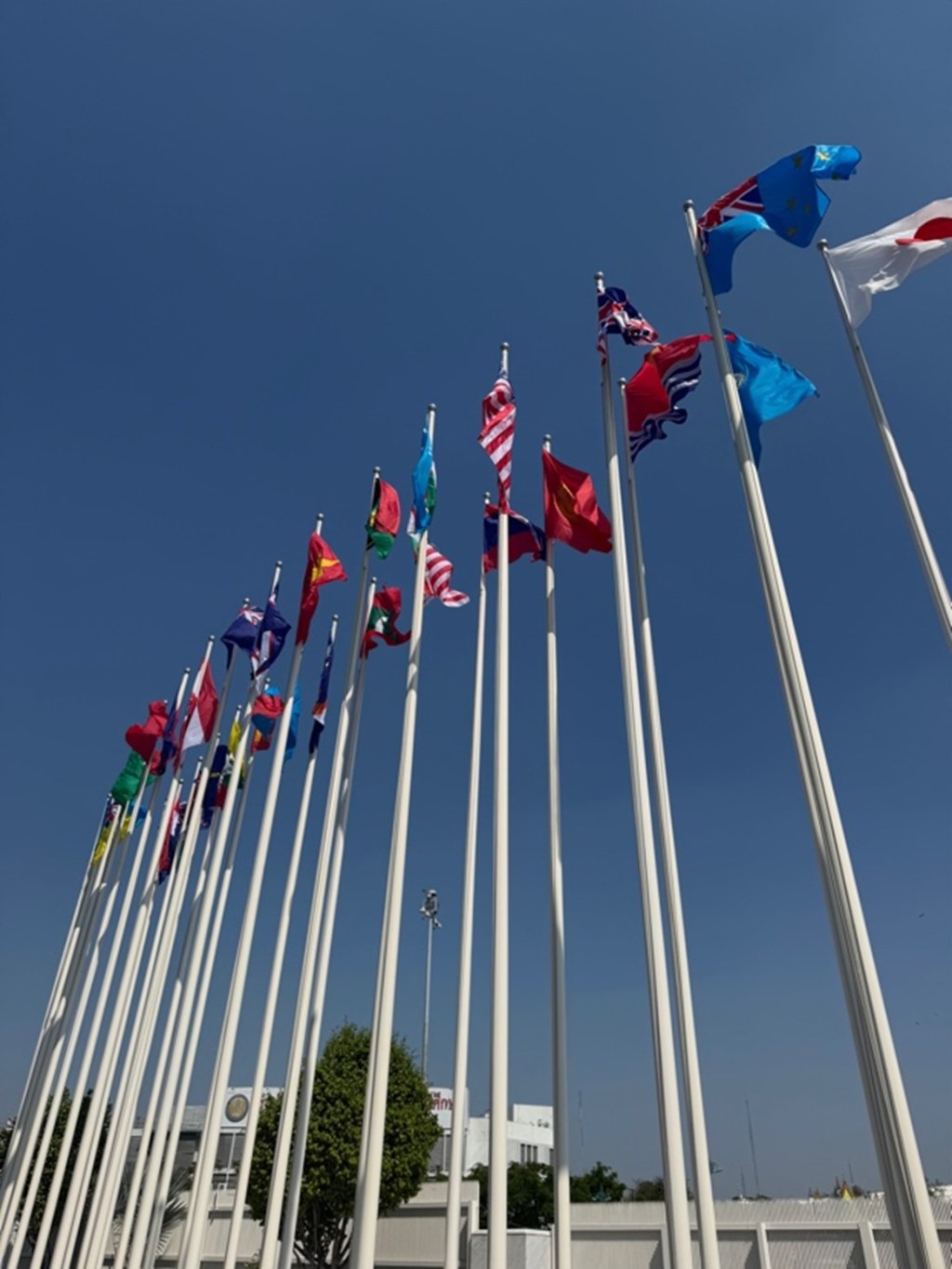
Stepping into a room filled with passionate young leaders from across the globe, I knew that my time at the HAA 4th Global Peace Summit in Bangkok would be an unforgettable experience. From insightful discussions on diplomacy and conflict resolution to exploring the vibrant culture of Thailand, the program provided a unique opportunity to develop my global perspective, connect with like-minded individuals, and gain a deeper appreciation for peace building initiatives.
A Platform for Global Dialogue
The summit was designed to foster collaboration and dialogue among emerging leaders, equipping us with the knowledge and skills to navigate international challenges. Through interactive panel discussions, keynote speeches, and group workshops, we explored topics such as human rights, sustainable development, and the role of legal frameworks in peace building.
A standout moment was a panel discussion with diplomats and international legal experts, who shared their perspectives on global governance and regional security. Their insights reinforced my passion for international law and diplomacy, particularly in the Indo Pacific region.
Cultural Immersion and Local Connections
Beyond the academic and professional aspects of the summit, my time in Bangkok was filled with cultural exploration. Visiting iconic landmarks such as the Grand Palace, Wat Arun, and the bustling markets gave me a glimpse into Thailand’s rich history and traditions.
A particularly memorable experience was engaging with local Thai participants and learning about their perspectives on governance, peace initiatives, and daily life in Thailand. I even picked up a few basic Thai phrases, which helped me connect with people in a more meaningful way.
The warmth and hospitality of the local community made the experience even more rewarding. Whether it was sharing a meal with newfound friends or navigating the vibrant streets of Bangkok together, these moments reinforced the power of cross-cultural exchange.
Lessons Learned and Future Aspirations
This program broadened my global outlook and deepened my understanding of the importance of diplomacy, legal frameworks, and international cooperation in addressing global challenges. It also solidified my interest in pursuing opportunities in the Indo Pacific region, whether through further study, legal practice, or policy development.
The connections I made both professional and personal will continue to shape my journey. Being surrounded by passionate and driven individuals reminded me that peace building is a shared responsibility, and that young leaders have a crucial role in driving meaningful change.
As I reflect on this transformative experience, I am incredibly grateful for the opportunity to have been part of such a dynamic global network. The HAA 4th Global Peace Summit in Bangkok was not just an academic experience. It was a journey of growth, cultural discovery, and global connection.
Charlotte Wardell Bachelor of Business Bachelor of Laws BUILD – BUILD – Peace Summit of Emerging Leaders (Thailand) BUILD Global Ambassador Grant recipient
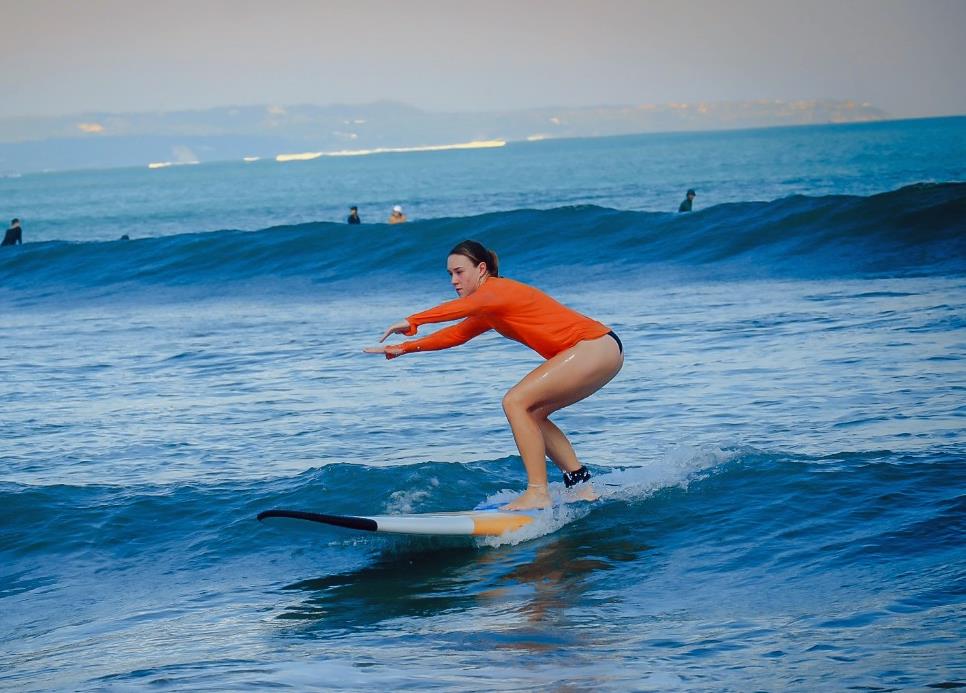
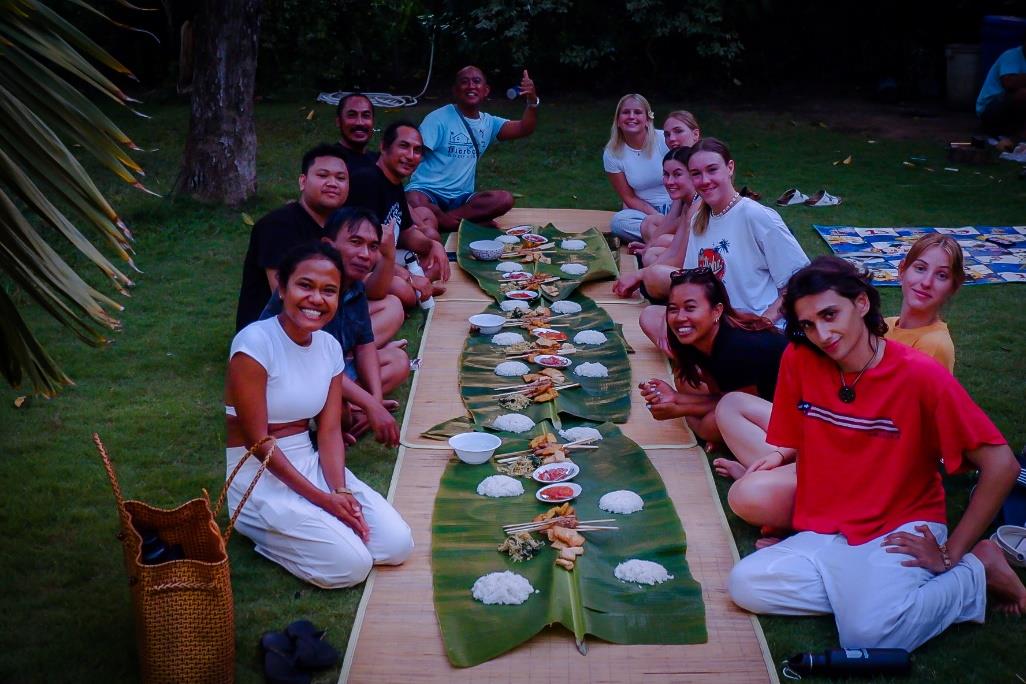
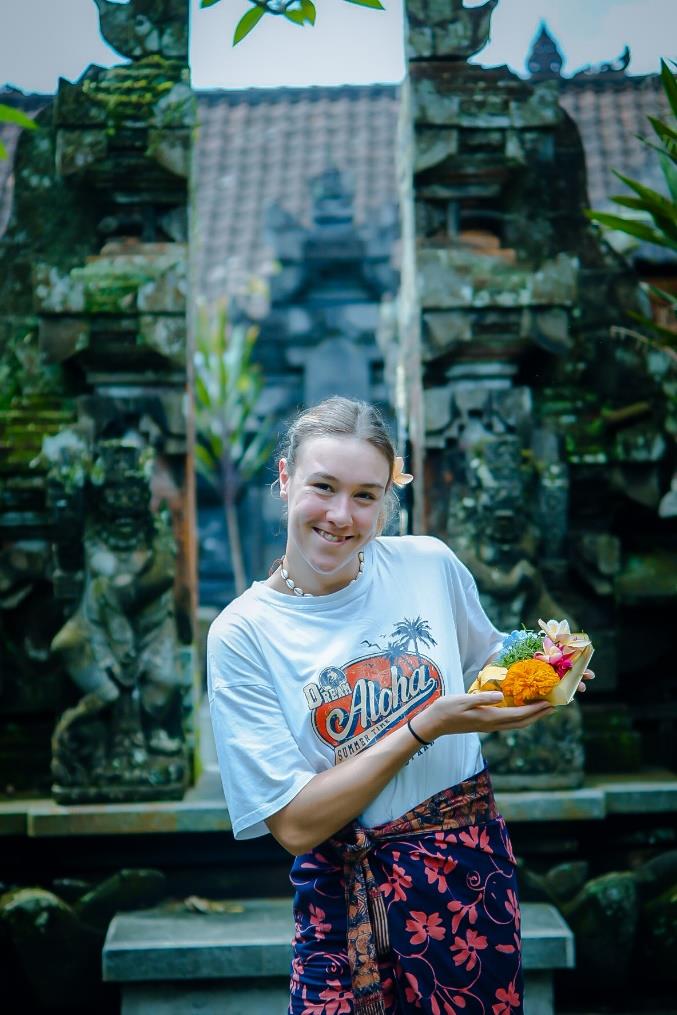
In July 2024, I had the privilege of participating in the UpSkill Bali Sport and Environment Short Course, a four-week intensive program in Bali, Indonesia. This unique opportunity allowed me to explore the relationship between sports and environmental sustainability while immersing myself in Balinese culture. As a university student aspiring to become a physiotherapist, this experience was invaluable in shaping my understanding of sustainability and the importance of holistic approaches in both health and environmental contexts.
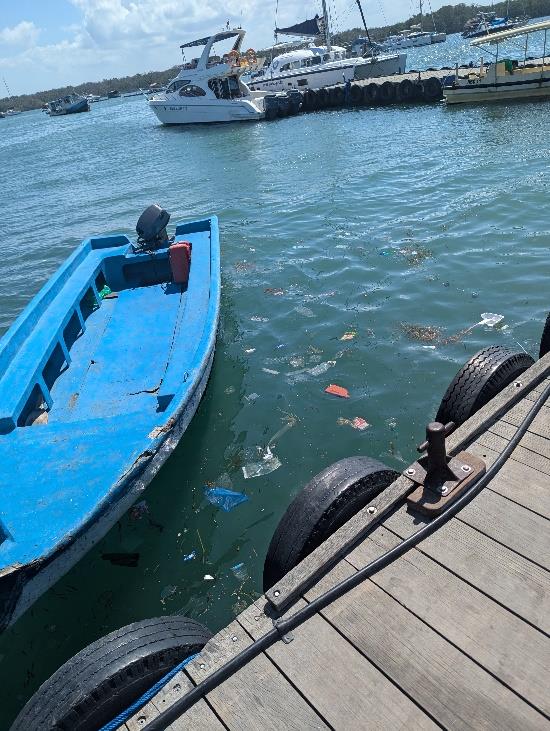
One of the most impactful moments of the program was my participation in a scuba diving expedition with the Biorock Indonesia team in Pemuteran. This hands-on experience gave me a stark look at the damage caused to coral reefs by pollution, unsustainable tourism, and climate change. I witnessed firsthand the fragility of marine ecosystems, with bleached coral and floating debris underscoring the urgency for environmental action. This experience deepened my understanding of how environmental degradation directly affects human health and well-being, especially in sports like diving, surfing, and snorkelling, which depend on clean, healthy oceans.
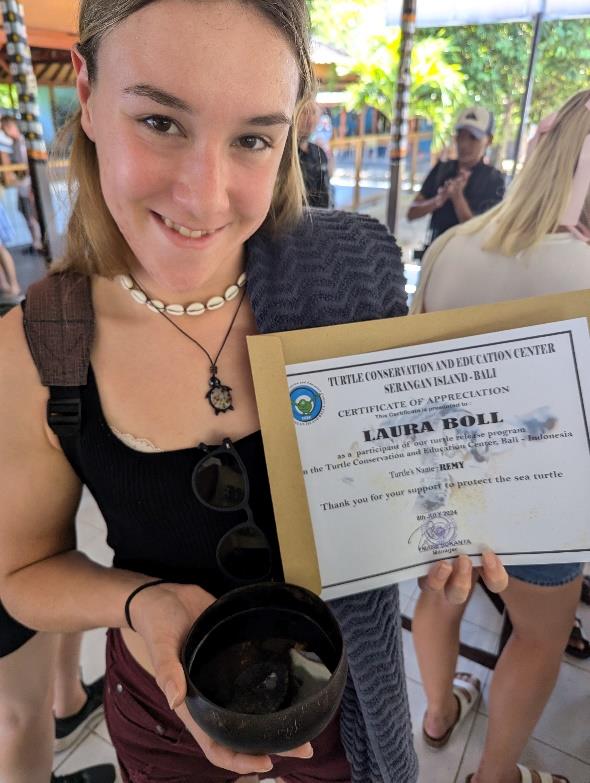
The program also introduced me to sustainable sports practices through various workshops on coral, mangrove, and turtle conservation. These activities highlighted the importance of integrating environmental stewardship into sports and tourism industries. Learning about coral preservation through innovative techniques like Biorock installations opened my eyes to the possibilities for promoting sustainability in fields beyond environmental science—something that will resonate in my future career as a physiotherapist, where I hope to advocate for holistic, sustainable practices in sports rehabilitation.
Cultural immersion played an essential role in my learning journey. Engaging with Balinese locals allowed me to appreciate their collective “we” mentality, contrasting with the individualistic approach common in Western cultures. I found that the respect for community, hierarchy, and tradition in Bali aligns well with the values I hold as an aspiring physiotherapist—where patient care often requires collaboration, respect, and understanding. The Balinese philosophy of Tri Hita Karana, which emphasizes harmony between people, nature, and the divine, inspired me to reflect on how balance and mindfulness can enhance health and well-being, both physically and mentally.
Surprisingly, I found that many of my initial concerns around navigating cultural differences, such as religious customs or market interactions, were alleviated by simply being open and respectful. I had anticipated difficulty adapting, but asking questions and engaging with the locals fostered a welcoming environment that facilitated learning. This experience further reinforced the importance of communication and cultural sensitivity—skills that are vital for patient interaction in physiotherapy, especially in diverse communities.
Overall, the UpSkill Bali Short Course was a transformative experience that expanded my understanding of sustainability, cultural awareness, and adaptability. It not only enhanced my professional development but also inspired me to apply these lessons to my future workplaces in healthcare, where I can contribute to promoting well-being in both individuals and the environment.
Laura Boll Bachelor of Sport and Exercise Management Universitas Udayana, Indonesia New Colombo Plan Mobility Grant
I recently completed the UTS BUILD Program which has been a journey of learning, building connections and above all, reflecting on my actions as a global citizen. Throughout BUILD I have attended seminars, completed online courses, participated in interactive workshops and attended a conference overseas.
For my first BUILD event, I attended a panel discussion, where one of the speakers, Sally Hetherington, Founder of the Human and Hope Association, made me more aware of the implications of “voluntourism”, which is where people travel overseas to participate in voluntary work for a charity or organisation usually aimed at alleviating poverty. I learned that tourists or short-term volunteers that visit orphanages in developing countries can unintentionally have a negative impact on those children in the orphanages – in some places, because orphanage voluntourism has become so popular, thousands of children have been removed from their families to fill these ‘orphanages’ and meet the demand of this form of tourism.
As these negative consequences are unintended, these problems are more likely to go unnoticed. As someone who is passionate about social justice, this talk inspired me to reflect and critique actions and particular methods to combat social injustice. The examples of ‘voluntourism’ and ‘orphanage tourism’ clearly show that there are complexities to combatting social justice and different interests to be taken into account. There are a lot of organisations that claim to make a positive difference; however, it is important to do your research to find the ones that actually do. For example, I found a charity ‘Save the Children’ which works with organisations to support families so that their children can stay with them and prevent them from being put in profit-only fake orphanages. This talk encouraged me to reflect and to think more critically about the impact of an individual’s actions regardless of their intentions. This will help ensure that when I volunteer or donate to an organisation, my time or money will go towards an initiative that makes a positive difference and does not have unintentional negative consequences.
Another reflective and thought-provoking experience I had during BUILD was attending the 4th Global Peace Summit for Emerging Leaders at the United Nations Conference Centre in Bangkok, Thailand in January 2024. This was an opportunity that allowed me to step out of my comfort zone by travelling to a new country alone and navigating an international conference for the first time. During the peace summit, I listened to very serious and confronting stories shared by extremely inspiring speakers, and I was grateful to have the opportunity to hear from survivors of conflicts. I found that it was important to be open-minded to different perspectives and willing to learn when engaging with the topic of peace and conflict.
One of the speakers, Hassan Akkad, who is a Syrian refugee, filmmaker and human rights activist, talked about how propaganda and disinformation spread through conflict, saying that “in every conflict, the first casualty is always the truth.” He talked about how misinformation and disinformation has been especially prominent with the increasing use of social media. Hassan’s talk made me reflect on the importance of critiquing the information that I see online, and not always assuming that what I am seeing is the truth.
It was an extremely enriching experience to attend the Peace Summit and be able to hear from a diversity of perspectives throughout the conference and share my perspective on issues as well. I really enjoyed meeting and connecting with the other young delegates, who were from 48 different countries. Following the conference, I took an opportunity to further extend my knowledge on peace and conflict that I had gained from the Peace Summit by undertaking the BUILD-endorsed online course, Positive Peace Academy at the Institute of Economics and Peace. This course enabled me to get a deeper look at the factors contributing to conflict, particularly the long-term factors, and introduced me to the concept of ‘positive peace’ which concerns the attitudes, institutions and structures that sustain peaceful societies.
All of my experiences during BUILD allowed me to extend my knowledge on social justice topics and hear from different perspectives. BUILD challenged my thoughts and gave me an opportunity to reflect on my previous held assumptions and ideas about how to combat global injustices. UTS BUILD is a great opportunity if you would like to deepen your knowledge on social justice issues but most importantly, learn about the impact we all have as global citizens and the responsibility we have to strive for social equality in every facet of our lives.
Zara Horton Bachelor of Communication (Social and Political Science) Bachelor of Laws
Last year, I graduated with a Bachelor of Engineering (Honours) (Software) and Diploma in Professional Engineering Practice, before beginning work as a graduate at my current workplace, Commonwealth Bank.
Despite completing my New Colombo Plan (NCP) Scholarship program last year, I still firmly believe that embarking on the program was one of the key highlights of my entire university experience. It has shaped memories that I will remember and draw upon for a lifetime.
Beginning in June 2022, I embarked on a program that spanned over the course of 10 months.
My experience consisted of the following:
2 months of intensive Mandarin training at the National Taiwan Normal University (NTNU) Mandarin Training Center in Taipei, Taiwan.
1 exchange semester at NTNU in Taipei, Taiwan.
3 months completing the Infosys Instep Global internship program in Bangalore, India.
1 month of Nepali language training in the Darjeeling region of India.
Throughout my upbringing, my parents have raised me to believe that diversity can serve as a strength rather than a weakness, and have always encouraged me to be open to embracing other cultures. Naturally, as I grew up I developed a strong interest in learning about different cultures across the world and how they possessed similarities or differences to what I was familiar with after being brought up in Australia.
I have always wanted to immerse myself in another culture for an extended period of time, and I felt that the New Colombo Plan Scholarship was the best way to do this as it assisted me in overcoming the financial barrier that comes with living abroad, while simultaneously being accommodating of my studies at UTS. In addition to the study exchange component of the program, I also valued the inclusion of a language training and internship component as I felt this would greatly assist in helping me develop a well rounded understanding of my host countries.
My NCP Scholarship experience was commenced by undertaking two months of intensive Mandarin training at the National Taiwan Normal University (NTNU) Mandarin Training Center in Taipei, Taiwan. This was then followed by an exchange semester at the same university.
My time at NTNU introduced me to a range of new experiences. A highlight for me was taking part in the ‘International Companions for Learning’ program, where I completed inter-cultural community service with a Taiwanese primary school in Yilan County.
As part of this program I was partnered with a Taiwanese student at National Taiwan University (NTU) to conduct weekly cultural exchange sessions with a class of Taiwanese children online.
I loved learning about different aspects of Taiwanese culture from my partner, who was originally from Taichung, and the children, while simultaneously being able to introduce them to Australian culture. The best part of this experience was being able to meet them in person during a school visit with my partner from NTU!
Throughout my time in Taiwan, I encountered some of the friendliest people I have ever come across. Despite being a foreigner and sometimes not sharing a common language, the people always went above and beyond to make me feel comfortable in Taiwan. On more than one occasion I had friends offering to show me around their hometown, introduce me to their family, and feed me delicious food. I will forever be grateful for their patience with my broken Mandarin when trying to communicate!
Despite this, it is not to say that I did not encounter my fair share of difficulties while living in Taiwan. Naturally, living abroad alone for the first time can be challenging, and I definitely found that the study load at NTNU was more intensive than what I had experienced prior at UTS. In retrospect, I feel that it is important to go into the experience with an open mind. Be prepared to work hard, but make yourself open to taking on new opportunities and you will be rewarded with experiences that you will carry with you for a lifetime.
Subsequent to my time in Taiwan, I relocated to Bangalore in India for 3 months to undertake the Infosys Global internship program at the global information technology consulting company, Infosys. This was followed by 1 month of language training in the Darjeeling region of India.
During my internship, I conducted research into the relationship between Fintech startups, financial institutions, and Infosys. I was joined during the internship by four other interns from different parts of Australia, who were also working on their own separate projects.
In retrospect, I honestly feel that my time in India will be forever remembered as one of the best parts of my entire life.
Infosys went above and beyond to introduce myself and the other interns to various parts of Indian culture, whether this was through excursions, so so much AMAZING food, or workshops. They made the transition of relocating to India as comfortable as possible. Additionally, I felt that myself, the other interns and the staff managing the internship all became quite close after all the time we shared together.
A highlight from this internship was being able fly out and explore different parts of India with the other interns on the weekends and learning about how vastly Indian culture can differ simply depending on the state that you’re in. On one occasion, another intern and I were able to connect with a staff member located in Jaipur, who showed us around and introduced us to his family. It was amazing being able to experience the city through the eyes of a local, who was happy to share different aspects of his culture with us.
Overall, my NCP Scholarship program experience was not without challenges that pushed me out of my comfort zone, but at the end of the day, it has all contributed to helping me grow as a person. I will always remember my time in India and Taiwan as being special opportunities that allowed me to grow so much in both personal and professional aspects. Most of all, I will always remember the wonderful, inspiring people I met along the way!
Vanisha Singh Bachelor of Engineering (Honours) (Software) and Diploma in Professional Engineering Practice National Taiwan Normal University Taiwan
I was lucky enough to spend 10 days in Seoul with nine other pre-service teaching students and our two incredible tutors, Jo and Pauline. We visited three different high schools: Beomback High School, SNU Boys’ Middle School and SNU Girls’ Middle School – each giving us valuable insight into Korean education.
One of the biggest takeaways? Korean students are so disciplined and well-behaved. It was amazing to observe classrooms where students were consistently engaged and respectful. Honestly, Korean teachers have it so easy! Jokes aside, the dedication and passion we saw from both students and teachers were inspiring. The students were all so friendly and excited to see us.
We observed some incredible teaching practices — from “cold calling” using student ID photos to engaging digital quizzes on iPads. It was fascinating to see how technology is seamlessly integrated into the classroom. The teachers we watched had such a captivating presence; I genuinely couldn’t take my eyes off them.
During our school visits, we were also given school tours. Korean schools have incredible facilities such as advanced sports halls (one included a rock climbing wall!), others have prestigious music rooms, large auditoriums, robotics labs, and spotless cafeterias. We observed a range of subjects such as English, Philosophy, Robotics, Social Studies and History. We even got to eat in the cafeterias at SNU Boys’ and Girls’ Middle Schools – and let me tell you, Korean students eat well. The food was delicious!
One of my favourite days of the trip was visiting Seoul National University (SNU). UTS was able to gain a partnership with SNU for this trip. SNU is like Seoul’s version of Harvard! It’s incredibly prestigious and hard to get into, so being on campus and connecting with SNU pre-service teachers was such a privilege. UTS was able to connect with SNU pre-service teachers, and we had fun presenting information on comparing Korea VS Australia about the Teacher and Education systems. UTS students also got to learn a lot about SNU’s campus life and what they offer. We had lots of fun asking questions, exploring the campus and their 24-hour libraries! The day ended with some well-earned bingsu shared with our new friends.
We also enjoyed two cultural days in Seoul. One involved a 1.5km hike up to N Seoul Tower, where we were rewarded with sweeping views of the city and a picnic at the top. Another day took us back in time at Gyeongbokgung Palace and Bukchon Hanok Village – a beautiful area full of traditional Korean houses and rich history from the Joseon dynasty.
Honourable food mentions in Seoul:
Crown butter waffles
Dakgalbi
Bingsu at Sulbing
Korean Fried Chicken at BHC and Kyochon
Tteokbokki at Yupgi
Myeongdon Kyoja (Michelin Star!)
Overall, this experience was one I’ll never forget. I’m so glad I pushed myself to take part in this Global Short Program. I learned so much, not just about teaching strategies, but also about Korean culture and education, and I can’t wait to apply this knowledge as I begin my teaching career in Australia. I made lifelong friendships and will forever cherish this bittersweet and educational adventure.
Gamsahabnida! (Thank you!)
Isabella Mantakul Master of Teaching in Secondary Education Faculty Led – FDS- Education Practicum, South Korea Global Short Programs Travel Scholarship
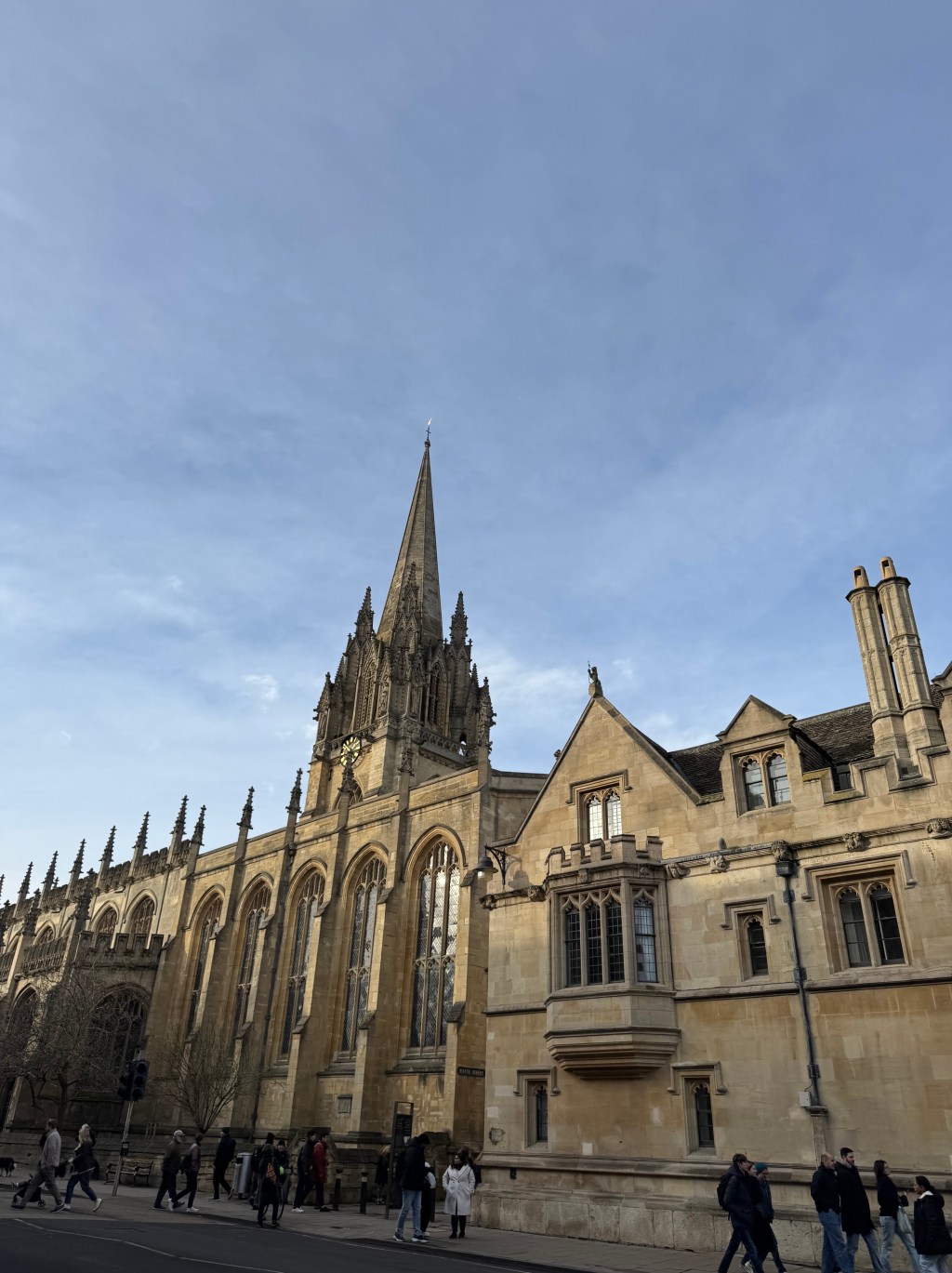
Originally I was unsure of where I wanted to go for my exchange semester, but when I saw that UTS partnered with a university in Oxford, I knew I had to apply. Oxford Brookes University in the UK is a diverse university, both culturally and in its subject selection. I was easily able to find subjects that both challenged and intrigued me. Culturally, the UK is quite similar to Australia, and the subjects I attended were run in a similar fashion to classes at UTS. However, the real appeal of this university is getting to study and live in Oxford.
England is an old country, and you can truly feel this walking through the streets of Oxford, from the cobbled roads to the impressive churches and colleges, you can sense the history of the town. In the summer, you can row yourself down the River Thames, which winds its way around Oxford, and in the winter, you can explore the ancient castles and halls, some of which have been used in the filming of movies like Alice in Wonderland and Harry Potter. The city is small enough to walk everywhere, but there are a large number of buses that help get you around and even to and from the various airports. Since Oxford is predominantly a student city, you will be surrounded by people in similar walks of life, which makes connecting and making new friends very easy. Students across the globe travel to study here, making it a melting pot of different cultures and stories. I’ve met some truly amazing people from many different countries who often don’t travel to Australia.
I organised my housing in Oxford independently; however, Oxford Brookes does provide student accommodation for incoming exchange students located near the city centre and right next to the university campus. While eating out can be a little expensive in the UK, the accommodations come with kitchens, so you can make your meals if you want. I found myself craving some dishes that I couldn’t find in the UK, and learned to cook them out of desperation. Oxford is a city of secrets, with many shops and things hidden in alleyways or tucked away. I’ve spent most of my semester exploring the city and each time I discover something new. Oxford does live in its own bubble; however, London is relatively nearby if you need a change of scenery. While travelling around the UK can be somewhat difficult, Oxford Brookes offers daytrips around the country to some of its more well-known attractions, like Brighton. Of course, the UK can be used as a home base while you travel around Europe as well.
Sean Ling Bachelor of Science Bachelor of International Studies Oxford Brookes University United Kingdom
Over November and December, I had the honour of participating in a Public Health Study Tour with Chiang Mai University (CMU)!
It was truly an incredible experience, with no two days being the same.
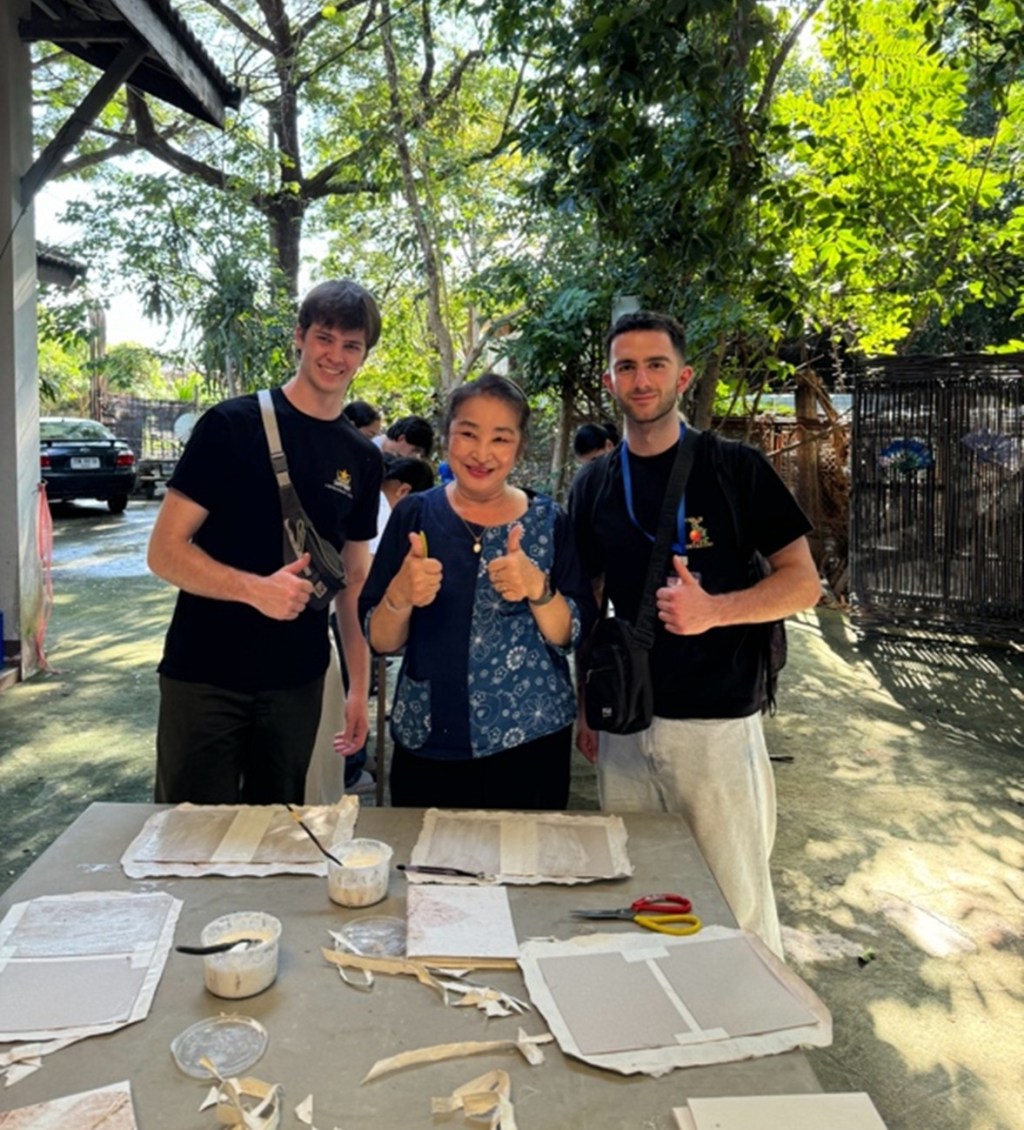
In week one, the mornings began with ice breakers followed by language classes. Here, we were introduced to CMU staff and students, who would accompany us throughout the study tour. In the evenings, we participated in activities that enriched our understanding of Thai culture. This entailed a traditional paper making session, where students were able to make their own notebooks and photo frames.
It also included a Buddhism seminar, where we learnt about all things Buddhism. Fun fact, there are over 40,000 temples in Thailand! Following the theory of the seminar, we visited one of these temples, the Doi Suthep temple, which was located at the highest point in Chiang Mai. This improved our practical understanding of how Buddhism interacts with Thai daily life.
Week two was filled with collaboration, where UTS and CMU students were co-designing health promotion activities for the local community, specifically aged care facilities and orphanages. These activities aimed to improve physical and mental health, and included stretching, origami and bracelet making. It also entailed a visit to a chang (elephant in Thai) camp, where I was able to feed and clean the changs.
Week three was a fun and excellent combination of theory and practise. We would participate in lectures broadly covering Public Health topics, such as Universal Health Coverage, Chiang Mai cancer burden, and environmental health, to name a few. This theory would be built on with the interactive site visits, where we visited Lampang cancer hospital, Mae Kha canal and a migrant health centre. These visits strengthened our Public Health understanding by seeing how health facilities were organised to address the problems revealed in the lectures.
The final week continued Public Health theory, and expanded practically, where students participated in an overnight rural stay, with my group going to Ontai, in Sam Kamphaeng. This stay was truly immersive and deepened my One Health understanding, through farm, reservoir, temple and hospital site visits. The formalities of the tour concluded with students presenting about their overnight stay, with reflections on how we would apply what was learnt back in Australia.
Aside from the formalities, Chiang Mai is a busy city! While I was there, I was able to watch Muay Thai, do a cooking class and immerse myself into Chiang Mai’s culture. If you can go on a Global Short Program, I highly recommend going for it. It is truly transformative, where you gain lifelong memories and timeless skills! I would like to thank CMU and the UTS School of Public Health, especially Albie and Daniel, for their supervision and hard work surrounding the study tour. I’d also like to thank UTS Think Global and the New Colombo Plan for the inspirational experience, and I am excited to build on what I have learnt in my future studies and career.
Robert Nersisyan Bachelor of Public Health Bachelor of Business Faculty Led – HEALTH – Chiang Mai University Public Health Study Tour, Thailand Global Short Programs Travel Scholarship
Two weeks ago, I had the privilege to attend Humanitarian Affairs Asia’s 5th Global Peace Summit at the United Nations Conference Centre in Bangkok as a Peace Ambassador and delegate for UTS BUILD.
This opportunity marked the halfway point of my 2025 New Colombo Plan Scholarship Program in Vietnam. I found the summit gave me direction, insight and purpose as a young peacebuilder entering the humanitarian sector.
Being given the opportunity to connect with other UTS BUILD students but also many youth activists and peacemakers from all around the world was incredible. I would highly recommend future BUILD students to apply for future summits. There really is nothing like meeting with hundreds of other young people in the United Nations Conference centre to discuss and reflect on peacebuilding, especially in times like today. It is absolutely a once-in-a-lifetime opportunity, and I am so grateful that UTS BUILD made it possible for me and the other UTS delegates!
It was an eye-opening three days with a truly incredible lineup of speakers. My personal highlights were:
1. Dr Manal Omar and her discussions on what is missing in our current peace-building efforts: My main takeaways from her talk are: “When you can’t go macro, go micro”, the world lacks political will, not political education, and we must be wary of the corruption of the humanitarian sector by Western and capitalist powers. As I enter the world of humanitarian work, I will endeavour to embody these learnings; I will start in my own communities, I will focus on action instead of rhetoric, and I will be reflexive about my role and intentions in my work.
2. Emtithal Mahmoud and her poetry about Darfur and peacebuilding: Her talk really resonated with me when she said, “If you speak to people with politics, they will respond with politics, but if you speak with humanity, they will respond with humanity”. This was self-evident when her poems filled the UN conference centre with tears. I highly recommend you watch some of her slam poetry videos.
3. Ruben Mawick talking about his work in Ukraine as a volunteer war medic: He showed us the raw and harsh realities of life in Ukraine right now, while showing us how anyone can assist in peacebuilding efforts in their own way, bringing their own skills to the table. As Ruben said, “freedom isn’t free”, and it is the responsibility of all of us living in peace to work towards the freedom of all our siblings in conflict.
I am excited to put my learnings into practice during the remainder of my New Colombo Plan Scholarship program in Vietnam and upon my return to Australia in July. As a Peace Ambassador, I will do everything I can to work towards peace both on a micro and macro scale.
Bridie Macken Bachelor of of Communication (Social and Political Sciences) Bachelor of International Studies BUILD – BUILD – Peace Summit of Emerging Leaders (Thailand) New Colombo Plan Scholar
Hej! Jeg er Sophie. I study a Bachelor of Business and a Bachelor of Creative Intelligence and Innovation at University and have been doing an exchange semester at the University of Copenhagen. I’ve been here for almost four months so far and this blog will hopefully help some people ascertain if they’d like to study in Denmark or see what their experience will be like!
Culture shock:
Since I’ve been here for a long time, I’ve become accustomed to their cultural differences. But I remember being nervous on my first day. I had heard that people from Scandinavia were quite stoic and unfriendly; and when I first walked to my accommodation, I witnessed it straight away and quickly became very anxious. I got over this culture shock within the days that followed, and I learnt that the rumour that Scandinavian people were unfriendly could not be further from the truth. They simply do not engage in small talk or smile at you when you go on a walk, I have grown to even prefer it over Australian small talk. I have since had a few conversations with Danish people and even befriended some! And most of them, once you break the communication barrier, are very friendly and kind.
Travel:
I know some people who book weekend trips almost every week, someone who spends an average of four days in Copenhagen in between her travelling, and people who have done very little if not no travel. There isn’t one simple way to do an exchange, but personally, if my goal was to travel constantly, I would pick a country with lower accommodation prices, like Spain.
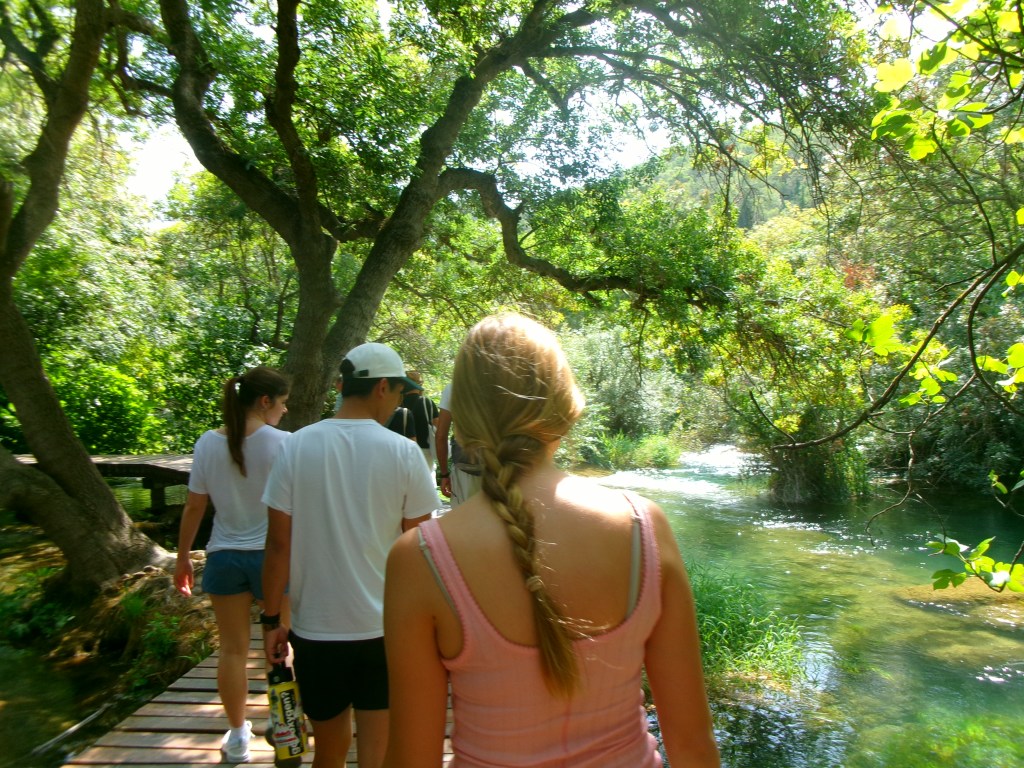
Originally, my plan was to experience just living in Copenhagen, maybe do one or two trips but leave it at that. By now, I have visited Croatia, Malmo, Oslo, and Scotland, and spent about a month outside of Copenhagen. But it wasn’t until I spent three weeks in Scotland to visit my family that I realised I felt home sick, not for Sydney, but for Copenhagen. It’s weird being in another city and calling it your home. In fact, I’ve grown so in love with Copenhagen that part of me regrets every trip I did outside of it.
It’s a constant toss-up between exploring your new home and making use of the conveniences European proximity holds.
Classes:
I was able to use free electives from my business degree which meant that I could take any subjects while on exchange. I ended up doing two 15ECT subjects, Danish Culture, and Nordic Mythology.
Danish culture teaches you so many things you wouldn’t know otherwise. This includes things like Danish protest pigs, which are red and white pigs that were bred to look like Danish flags! This was because flying the Danish flag was forbidden under Prussian rule. Or how Copenhagen was built under a 5-finger plan which is why the city’s public transport system is so advanced. You also have two exam options, one based on attendance and an 11–15-page paper, and one without attendance which is a 16–20-page paper.
Nordic Mythology is a class based on Vikings and their beliefs, including Gods and trolls. It’s an interesting class that’s more difficult to wrap your head around, but it’s rewarding to learn about the interconnectedness within the Nordic Universe and how Vikings lived and came about. I remember in our first lecture we learnt that Vikings don’t have horns on their helmets. It threw us for a spin and that sums up the subject. You also must do an 11—15-page paper.
These classes are each run with a weekly lecture and pre-reading. There are also excursions on the weekend that count toward attendance. Even though classes are not necessarily mandatory, I do think you should attend as many as you can; to meet people, to have structure within your semester, and learn about whatever subject you have chosen.
Closing Thoughts:
Exchange is an experience like no other, getting to completely immerse yourself in another culture and city is so immensely thrilling. You have complete freedom over your choices, no one really knows the Sydney you, and you get to explore who you truly are. For the cherry on top, you do all this while meeting so many like-minded individuals, all of which can be boiled down into being intelligent, charismatic, and easy to talk to. I still have over two months to go and I know leaving my new life will be immensely difficult for me.
At the end of the day, you can take the girl out of Copenhagen, but you can’t take the Copenhagen out of the girl.
If you have any questions, you can reach out to me on Instagram🙂 @sophiedsutherland
Tips for exchange:
Places you should visit 📍
Do a weekend trip to Aarhus. You could even go further up to Aalborg.
Visit Jægersborg Dyrehave for a day trip. The park is beautiful during Autumn.
Do a day trip to Malmo, Sweden.
Jojos for cheap cocktails! My exchange friends and I go every Thursday for a nice evening.
Skt Peders Bageri – The oldest bakery in Copenhagen, the blueberry pastry is insane.
Kebabery – the best kebab spot you’ll ever go to, great after night outs.
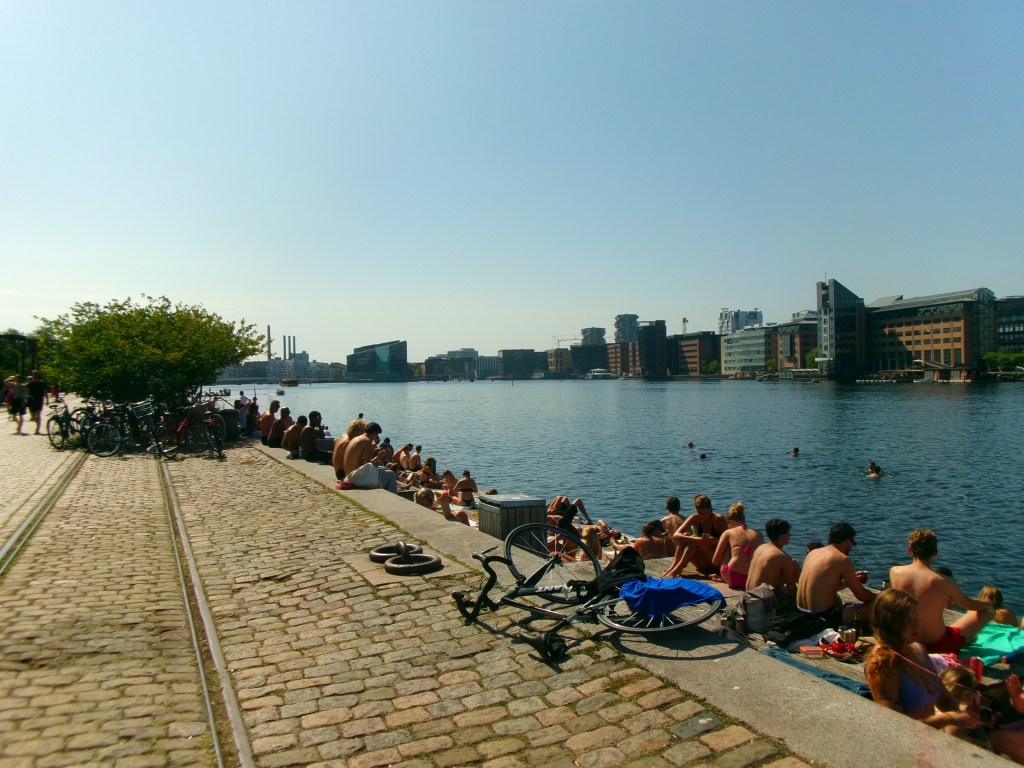
Islands brygge 22 – a really nice swimspot, there’s also a jumping and netted area to the right of it which is beautiful. There’s also a spot across the bridge that is cute!
Amager Strand – For playing volleyball, simply bring the ball!
Sandkaj 27 for swimming. (Andersen and Maillard and Matcha MORI Cafe Atelier is right next to it for a post dip snack).
Nyhavn, of course, go during the sunset in less touristy times.
Reffens street food – must go during summer, it has many options and it’s next to the water.
The Meatpacking District – go for food and the clubbing scene
Pico – Has cute accessories and jewellery.
Strøget and Magasin for shopping – There’s urban outfitters, message, pieces, etc.
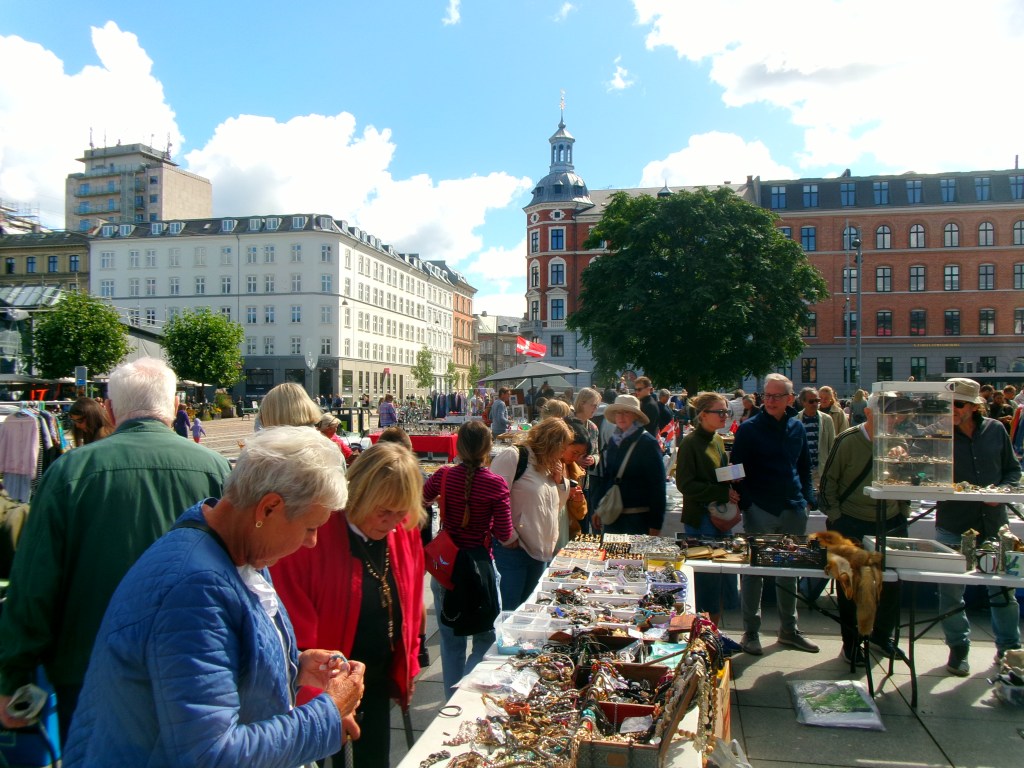
Vera’s markets
Det Grønne Loppemarked
Louisiana Museum
Danish Design Museum
Visit a bathhouse for a spa day.
Other tips/notes for exchange in Copenhagen ✅
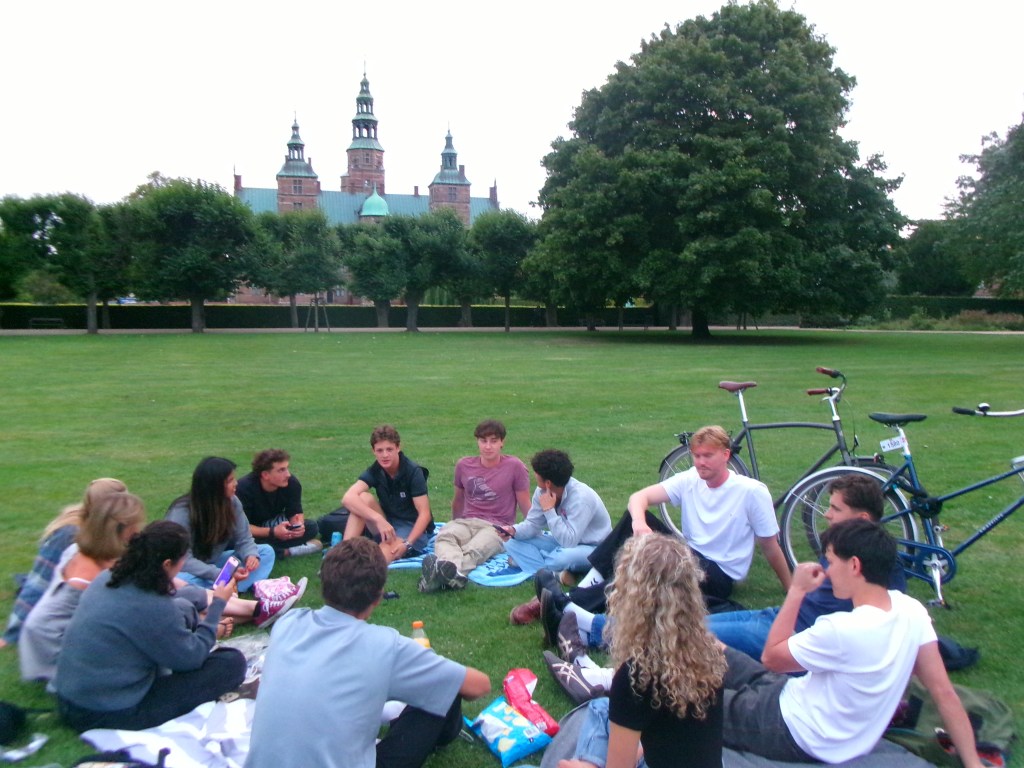
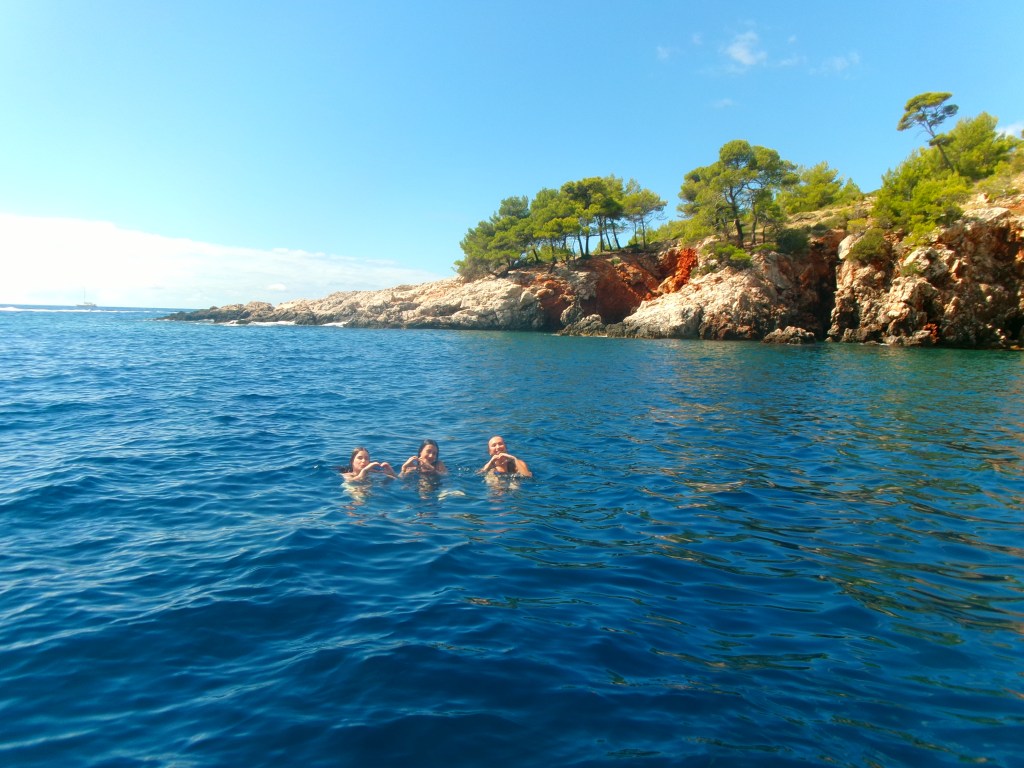
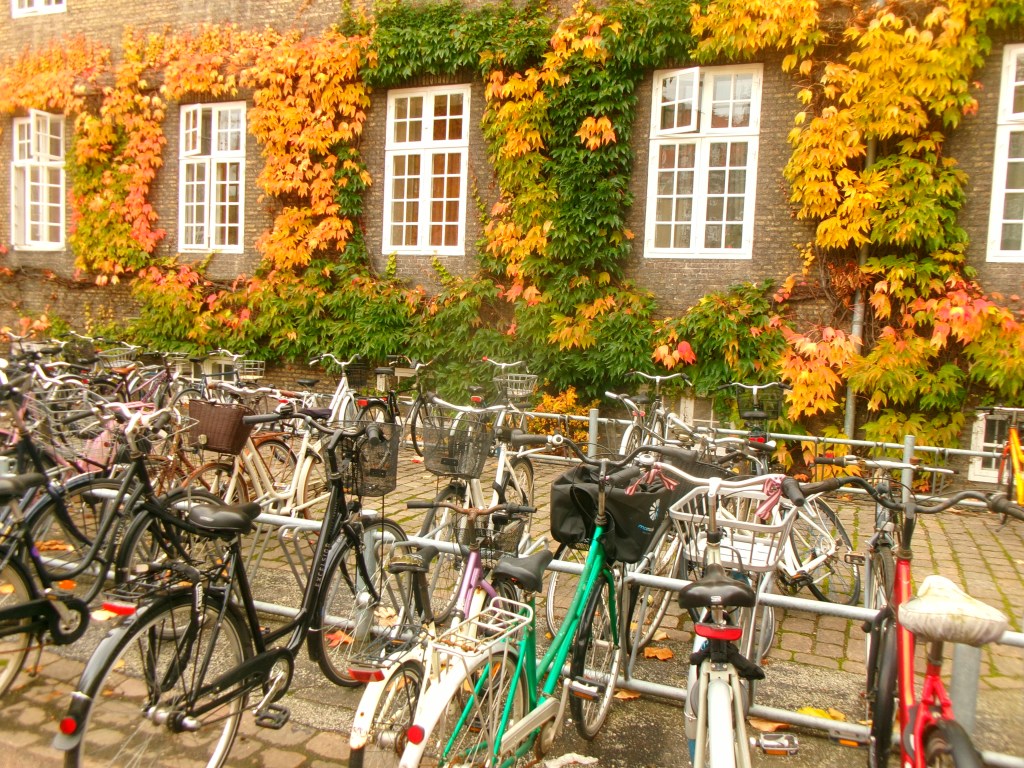
I did the autumn session at Copenhagen University, and I arrived as early as I could so I could experience summer here, which I highly recommend. I got about 2 months of swimming and got to see how lively the area truly gets when the sun is out.
At the University of Copenhagen, they offer a Danish prep course, which I highly recommend you do. Many people registered and only attended the lectures they found interesting and the language classes. It is offered before the semester formally starts and you’ll be able to meet many other people!
You don’t need to learn the language; you’ll pick up a little bit of Danish without trying but I recommend trying to learn it since you’re already in the country.
It is important to meet people as early as you can, this is when people are most open to it. Make friends in your accommodation, it can be scary, but everyone is open to making friends and the people who go on exchange are all very friendly and intelligent.
The sun starts to set earlier when you get to the end of the year and it’s hardly out, it is November now and the sunset is at 16:30! This means vitamin D tablets are very important.
Walk on the right side and rent a bike from Swapfiets for the warmer months. Get a metro pass on Rejsebillet for the colder ones!
Join the Cold Dip Club.
There is a week called K7 week in Denmark where all the public Danish Museums are free so be aware of when it is. There’s also dining week, where eating out is cheaper.
Too good to go is huge in Denmark, bakery goods are especially good if you share them with friends.
You must be 21 to go clubbing at a lot of places in Copenhagen, especially during peak times, so if you’re younger and wish to experience the party aspect it will be more difficult. Going out is also much more common during warmer months.
Sophie Sutherland Bachelor of Business Bachelor of Creative Intelligence and Innovation Copenhagen University Denmark
I participated in the Sogang Summer International Program for a month and had an incredible experience. Despite the extreme heat and humidity of Korea at the time, I experienced a month full of amazing memories and met so many great people.
Going into this short program I was a little worried about the language barrier, considering I was going to live in Korea for a month. However, despite my worries I had such a great experience where I met so many people who helped me navigate a foreign country and even helped me work on my Korean. I made so many surprising friends with shop owners and people living in my building, really making this experience unforgettable.
Sogang University organised so many activities and had incredible buddies who took us around and made sure we had a great time. The staff were so accommodating and made the learning aspect of this program easy and enjoyable. I had so much fun in my class and learnt so much, not just about the content but also about my classmates and their lives. Learning in an environment where we were all from different countries was really rewarding and insightful.
Through the university I took part in three field trips where I really got to learn about Korean culture and see the beauty Korea has to offer. My favourite trip was to Sokcho Beach where we visited the Sinheungsa temple and got to learn about and eat so many traditional foods.
Overall, my experience was most enjoyable because of the friends I made while there. There were so many opportunities to connect with and bond with so many different people from around the world. Going into this short program I didn’t expect to have made so many amazing friends who made this trip so memorable. I truly made friends for life while in Korea, which only made leaving at the end of the month even harder. I got to experience Korea and its culture to the fullest and would recommend studying abroad to anyone looking for some change or a bit of adventure.
Alisha Ahmed Bachelor of Design in Architecture Sogang University, Korea Global Short Programs Travel Scholarship
Expect lots of castles, lochs, pubs, kilts, ceilidhs and Munros (if you like) on exchange at Dundee. The design classes at Dundee are small but so caring! You’ll get your own desk and I was lucky enough to get the most welcoming advisor who helped make the most of my semester. I studied a narratives design studio subject within the third-year interior design course. My cohort was the size of a small class, and my assignment brief was very broad, so I really appreciated the chance to explore my personal creative interests. The teaching style was very unlike everything I was familiar with at UTS. The bulk of assessment was concerned with evidence of the entire creative process with a main emphasis on sketching and artist practices.
If you like hiking and beautiful scenery, joining the rucksack society was absolutely the highlight of my exchange. They take trips across Scotland every weekend and they provide all your equipment, transport – it’s amazing! I was lucky enough to take overnight weekend trips in beautiful places and guided up all sorts of Munroe’s (Scottish mountains). Beware of the cold though and bring lots of layers if you’re planning on visiting in winter!
Make sure to bring a nice dress and say yes to every ceilidh! There was always at least some kind of dance or event happening every week and trust me, ceilidhs are the best. Dundee itself feels more like a big Uni town than a city like Sydney. You won’t never have a society pub social to join and I think the night life is decent if that’s your thing! Only a 2-hour bus ride to both Edinburgh and Glasgow, it’s so easy to take day trips in your free time. In terms of accommodation, I would recommend Seabraes. The new block is technically nicer though I also loved staying in the older block.
Meg Brown Bachelor of Design in Interior Architecture University of Dundee United Kingdom
Before arriving in Mexico, I had little idea of what to expect. I had seen the usual stereotypes, but I wanted to experience the country for myself, without preconceptions. What I found was an incredibly vibrant culture, full of warmth, energy, and surprises. From the very beginning, I made a conscious effort to dive into every experience, whether that was trying new foods, meeting people from all over the world, or simply adapting to a different way of life.
One of the biggest highlights of my time in Mexico was undoubtedly the food. I thought I knew what Mexican cuisine was, but I quickly realised I had barely scratched the surface. From breakfast tacos to café de olla, from spicy tamarind vodka to street food I could barely pronounce, I was constantly surprised by the range of flavors. I even experienced my first case of food poisoning—but that didn’t stop me from going straight back to the taco stands as soon as I recovered. If anything, it only reinforced my love for the food and my determination to experience Mexico as authentically as possible.
Beyond the food, the people I met made this experience truly unforgettable. Whether it was locals or fellow international students, I found that language played a huge role in building connections. I pushed myself to speak Spanish, even when it felt intimidating, and in return, I had some of the most rewarding interactions. Learning to navigate different cultural dynamics and perspectives made me realise just how powerful language can be in fostering genuine connections.
Reflecting on my Global Short Program, I feel incredibly grateful for everything I experienced. Mexico was more than just a destination—it was a place of growth, discovery, and connection. I left with a deeper appreciation for its culture, a newfound love for its food, and friendships that will last a lifetime. More importantly, I left with a mindset that I want to carry forward: to keep exploring, questioning, and embracing every experience with an open heart and mind.
Rebecca Walker Bachelor of Business Bachelor of International Studies Instituto Tecnológico y de Estudios Superiores de Monterrey (ITESM), Mexico Global Short Programs Travel Scholarship
Spending a semester abroad at the Universitat Politècnica de València (UPV) has been one of the most rewarding experiences of my academic journey. Living and studying in the vibrant city of Valencia, Spain, has allowed me to grow both personally and professionally, while immersing myself in a new culture that quickly began to feel like home.
From the moment I arrived, the energy of the city struck me—Valencia is the perfect blend of tradition and innovation. UPV itself is a dynamic and modern campus, where I was welcomed with open arms by students and faculty alike. The classes were engaging, practical, and encouraged creativity, especially in group projects where I had the chance to collaborate with students from all over the world.
One of the most enriching aspects of this experience was the cultural immersion. I joined an international student association, Erasmus Student Network, that organised trips, language exchanges, and local events, which made it easy to connect with people and learn more about Spanish life. From celebrating Las Fallas to enjoying slow nights out with my new friends, every week brought something new and exciting.
Outside of campus, Valencia offered an endless list of highlights. The Turia Park became my favourite place to relax through the city, and the City of Arts and Sciences never failed to amaze me. I also made weekend trips to many surrounding towns and villages, with each journey giving me deeper insight into Spain’s regional diversity.
But perhaps the biggest lessons came from the day-to-day experiences: managing life in a new language, navigating public transport, learning how to cook (properly!), and adapting to a more relaxed, social rhythm of life. These small challenges taught me patience, independence, and flexibility.
I’ve grown in ways I never expected, from becoming more confident in my communication skills to gaining a more global perspective on engineering and education. I will return home with new friendships, unforgettable memories, and a greater sense of who I am and what I’m capable of.
If you’re considering a Global Exchange, take the leap. The sun-soaked streets of Valencia, the vibrant UPV campus, and the journey of self-discovery that comes with living abroad are waiting for you.
Nathan Rodda Bachelor of Engineering (Honours) Bachelor of Business Diploma in Professional Engineering Universitat Politècnica de València Spain
When I first signed up for the Global Short Program at UCA Farnham, I had my sights set on the Multimedia Film Production stream. I pictured myself behind the camera, experimenting with storyboards, and maybe even picking up a few cinematic tricks to bring home. But life, as it tends to do, had other plans. Not enough students enrolled in the program, which meant I had to switch gears to the Art and Design: Portfolio Development stream instead. At first, I was a little thrown off. How was sketching, printmaking, or InDesign going to help my creative practice? But I quickly discovered that sometimes the unexpected detour ends up being the highlight of the trip.
The Art and Design program turned out to be an absolute adventure. I found myself in studios I never thought I’d step into, learning about printmaking, experimenting with layouts in InDesign, going on excursions around the UK (such as the Seven Sisters Cliffs) and piecing together a portfolio that actually made me feel ready to step into professional spaces. It was hands-on, practical, and surprisingly fun. I’ll admit, there was a steep learning curve. I had to get comfortable with not knowing everything right away and asking for help while also celebrating the little wins of having my more cinematic scenes translated from my head onto paper.
One of the best parts wasn’t just the art itself, but the people I got to work with. Our group was a mix of students from all over the world, each bringing their own cultural backgrounds and creative styles to the table. It made collaboration extremely productive and each one of us were determined to help each other to create our creative vision. Ultimately reinforcing the idea that successful teamwork transcends language when founded on respect, empathy and a shared commitment to growth.
Looking back, I’m so glad I embraced the program shift instead of sulking about what could’ve been. The detour into art and design gave me skills I never expected to learn but will absolutely use in the future. Whether it’s portfolio building, software learning, or just the confidence to try new creative outlets. Flexibility became one of the biggest lessons I took away from the program. Plans don’t always unfold the way you expect, and sometimes opportunities look different than what you imagined. What started as a disappointment about missing out on film turned into an experience that gave me new skills, new friends, and a fresh outlook on creativity. I would recommend this experience to anyone looking to get out of their comfort zone and learn through opportunities you can’t always find in a classroom or at home.
Anabel Burrows Bachelor of Communication (Media Arts and Production) University for the Creative Arts, United Kingdom Global Short Programs Travel Scholarship