
My Exchange Experience in Copenhagen, Denmark
Hej! Jeg er Sophie. I study a Bachelor of Business and a Bachelor of Creative Intelligence and Innovation at University and have been doing an exchange semester at the University of Copenhagen. I’ve been here for almost four months so far and this blog will hopefully help some people ascertain if they’d like to study in Denmark or see what their experience will be like!
Culture shock:
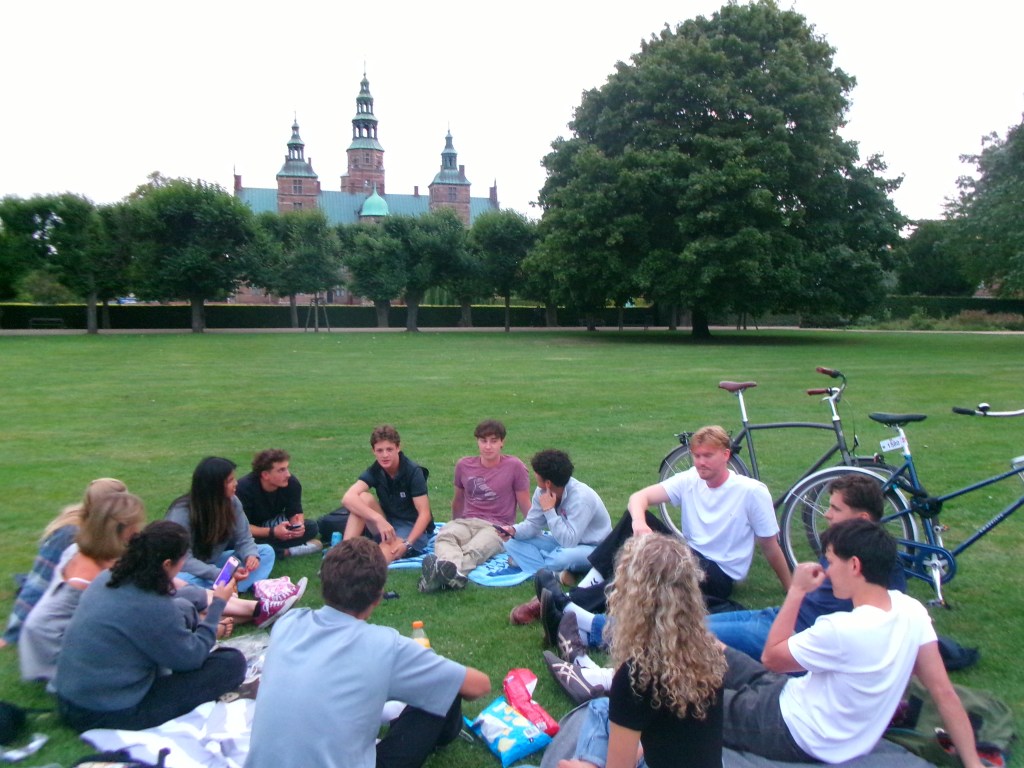
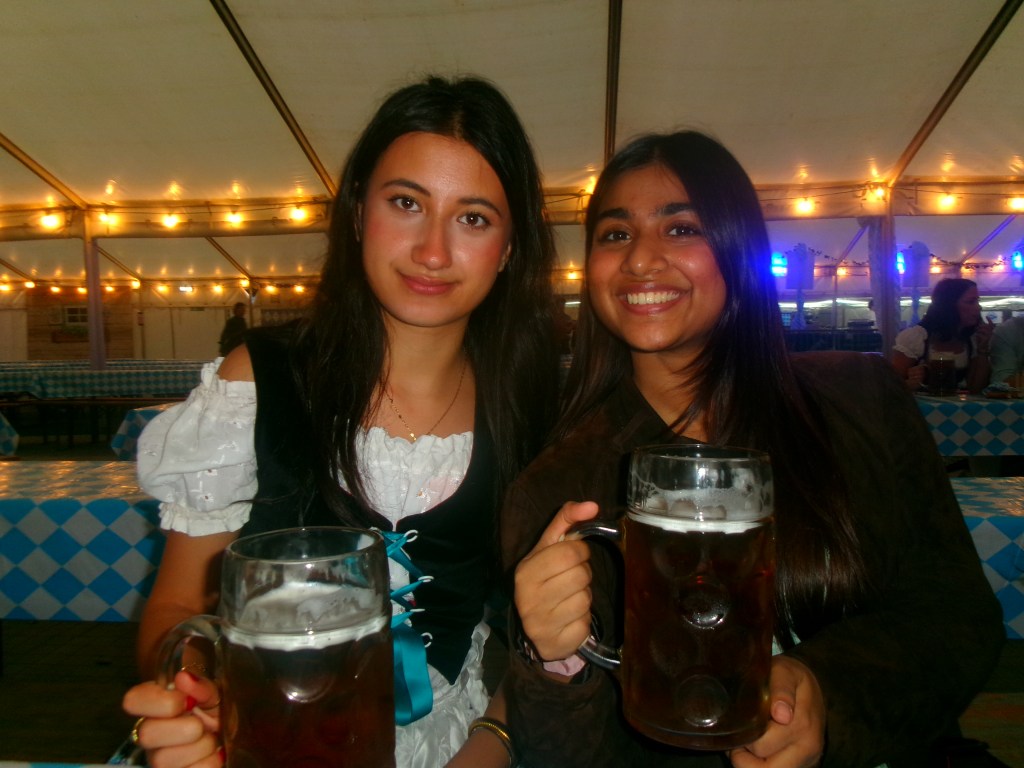
Since I’ve been here for a long time, I’ve become accustomed to their cultural differences. But I remember being nervous on my first day. I had heard that people from Scandinavia were quite stoic and unfriendly; and when I first walked to my accommodation, I witnessed it straight away and quickly became very anxious. I got over this culture shock within the days that followed, and I learnt that the rumour that Scandinavian people were unfriendly could not be further from the truth. They simply do not engage in small talk or smile at you when you go on a walk, I have grown to even prefer it over Australian small talk. I have since had a few conversations with Danish people and even befriended some! And most of them, once you break the communication barrier, are very friendly and kind.
Travel:
I know some people who book weekend trips almost every week, someone who spends an average of four days in Copenhagen in between her travelling, and people who have done very little if not no travel. There isn’t one simple way to do an exchange, but personally, if my goal was to travel constantly, I would pick a country with lower accommodation prices, like Spain.
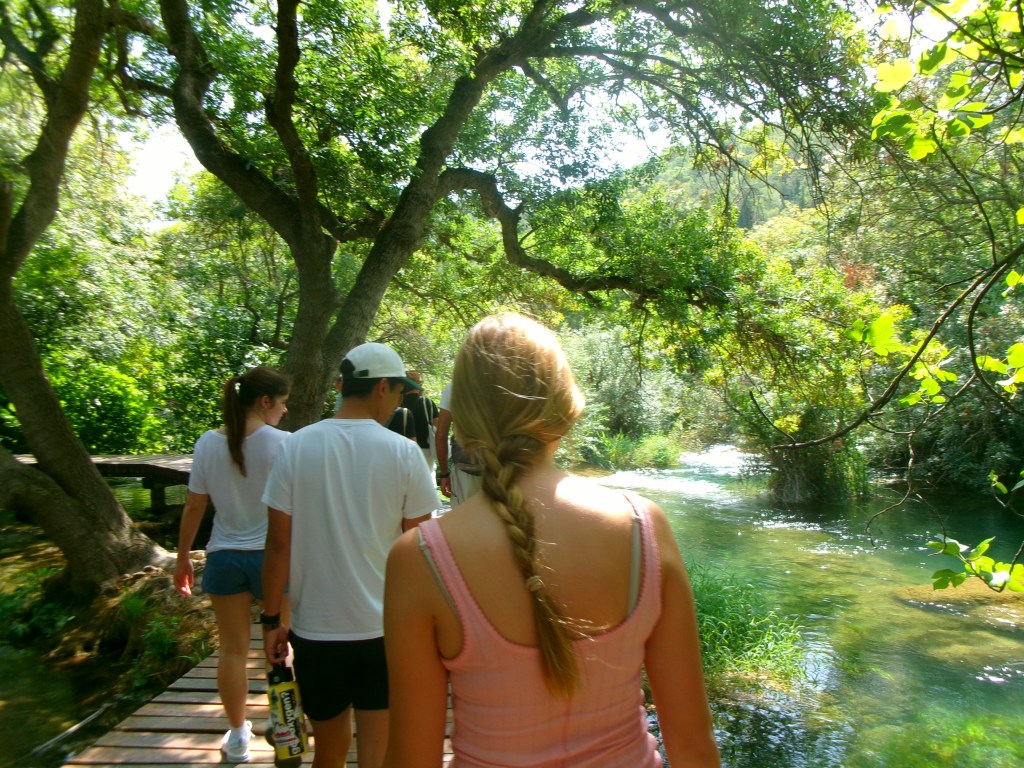
Originally, my plan was to experience just living in Copenhagen, maybe do one or two trips but leave it at that. By now, I have visited Croatia, Malmo, Oslo, and Scotland, and spent about a month outside of Copenhagen. But it wasn’t until I spent three weeks in Scotland to visit my family that I realised I felt home sick, not for Sydney, but for Copenhagen. It’s weird being in another city and calling it your home. In fact, I’ve grown so in love with Copenhagen that part of me regrets every trip I did outside of it.
It’s a constant toss-up between exploring your new home and making use of the conveniences European proximity holds.

Classes:
I was able to use free electives from my business degree which meant that I could take any subjects while on exchange. I ended up doing two 15ECT subjects, Danish Culture, and Nordic Mythology.
- Danish culture teaches you so many things you wouldn’t know otherwise. This includes things like Danish protest pigs, which are red and white pigs that were bred to look like Danish flags! This was because flying the Danish flag was forbidden under Prussian rule. Or how Copenhagen was built under a 5-finger plan which is why the city’s public transport system is so advanced. You also have two exam options, one based on attendance and an 11–15-page paper, and one without attendance which is a 16–20-page paper.
- Nordic Mythology is a class based on Vikings and their beliefs, including Gods and trolls. It’s an interesting class that’s more difficult to wrap your head around, but it’s rewarding to learn about the interconnectedness within the Nordic Universe and how Vikings lived and came about. I remember in our first lecture we learnt that Vikings don’t have horns on their helmets. It threw us for a spin and that sums up the subject. You also must do an 11—15-page paper.
These classes are each run with a weekly lecture and pre-reading. There are also excursions on the weekend that count toward attendance. Even though classes are not necessarily mandatory, I do think you should attend as many as you can; to meet people, to have structure within your semester, and learn about whatever subject you have chosen.
Closing Thoughts:
Exchange is an experience like no other, getting to completely immerse yourself in another culture and city is so immensely thrilling. You have complete freedom over your choices, no one really knows the Sydney you, and you get to explore who you truly are. For the cherry on top, you do all this while meeting so many like-minded individuals, all of which can be boiled down into being intelligent, charismatic, and easy to talk to. I still have over two months to go and I know leaving my new life will be immensely difficult for me.
At the end of the day, you can take the girl out of Copenhagen, but you can’t take the Copenhagen out of the girl.

If you have any questions, you can reach out to me on Instagram🙂 @sophiedsutherland
Tips for exchange:
Places you should visit 📍
- Do a weekend trip to Aarhus. You could even go further up to Aalborg.
- Visit Jægersborg Dyrehave for a day trip. The park is beautiful during Autumn.
- Do a day trip to Malmo, Sweden.
- Jojos for cheap cocktails! My exchange friends and I go every Thursday for a nice evening.
- Skt Peders Bageri – The oldest bakery in Copenhagen, the blueberry pastry is insane.
- Kebabery – the best kebab spot you’ll ever go to, great after night outs.
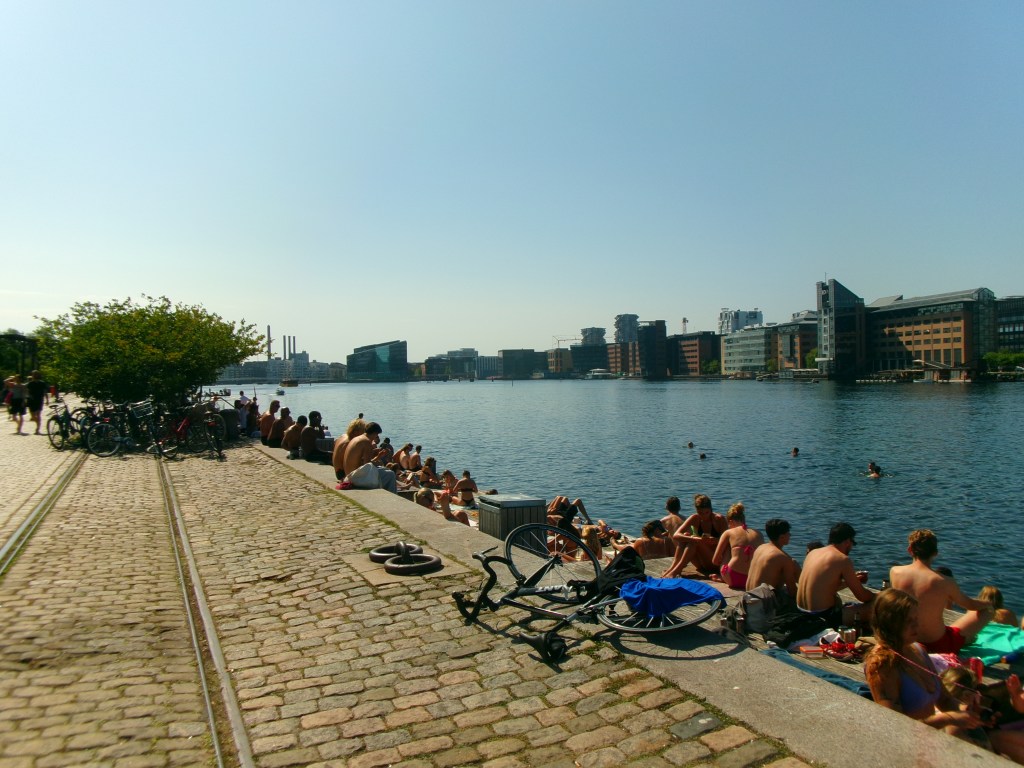
- Islands brygge 22 – a really nice swimspot, there’s also a jumping and netted area to the right of it which is beautiful. There’s also a spot across the bridge that is cute!
- Amager Strand – For playing volleyball, simply bring the ball!
- Sandkaj 27 for swimming. (Andersen and Maillard and Matcha MORI Cafe Atelier is right next to it for a post dip snack).
- Nyhavn, of course, go during the sunset in less touristy times.
- Reffens street food – must go during summer, it has many options and it’s next to the water.
- The Meatpacking District – go for food and the clubbing scene
- Pico – Has cute accessories and jewellery.
- Strøget and Magasin for shopping – There’s urban outfitters, message, pieces, etc.
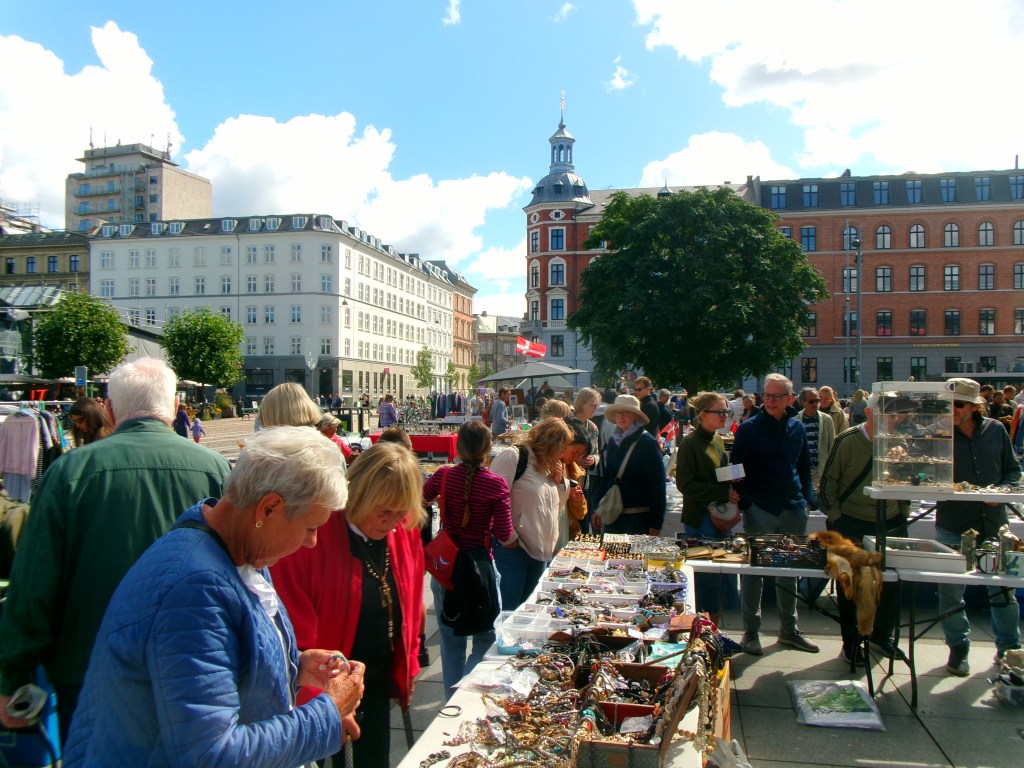
- Vera’s markets
- Det Grønne Loppemarked
- Louisiana Museum
- Danish Design Museum
- Visit a bathhouse for a spa day.
Other tips/notes for exchange in Copenhagen ✅
- I did the autumn session at Copenhagen University, and I arrived as early as I could so I could experience summer here, which I highly recommend. I got about 2 months of swimming and got to see how lively the area truly gets when the sun is out.
- At the University of Copenhagen, they offer a Danish prep course, which I highly recommend you do. Many people registered and only attended the lectures they found interesting and the language classes. It is offered before the semester formally starts and you’ll be able to meet many other people!
- You don’t need to learn the language; you’ll pick up a little bit of Danish without trying but I recommend trying to learn it since you’re already in the country.
- It is important to meet people as early as you can, this is when people are most open to it. Make friends in your accommodation, it can be scary, but everyone is open to making friends and the people who go on exchange are all very friendly and intelligent.
- The sun starts to set earlier when you get to the end of the year and it’s hardly out, it is November now and the sunset is at 16:30! This means vitamin D tablets are very important.
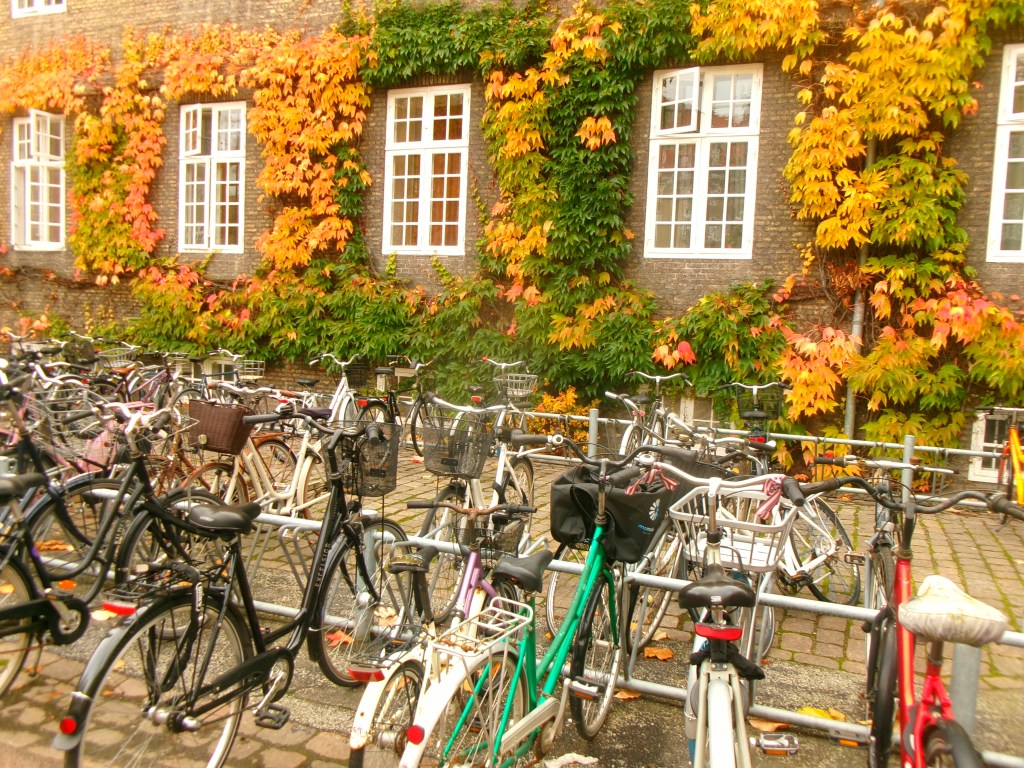
- Walk on the right side and rent a bike from Swapfiets for the warmer months. Get a metro pass on Rejsebillet for the colder ones!
- Join the Cold Dip Club.
- There is a week called K7 week in Denmark where all the public Danish Museums are free so be aware of when it is. There’s also dining week, where eating out is cheaper.
- Too good to go is huge in Denmark, bakery goods are especially good if you share them with friends.
- You must be 21 to go clubbing at a lot of places in Copenhagen, especially during peak times, so if you’re younger and wish to experience the party aspect it will be more difficult. Going out is also much more common during warmer months.
Sophie Sutherland
Bachelor of Business Bachelor of Creative Intelligence and Innovation
Copenhagen University
Denmark
For more information about the UTS Global Exchange program, visit: www.uts.edu.au/thinkglobal
Categories
Business, Denmark, Global Exchange, Transdisciplinary Innovation, Uncategorized

 UTS Think Global