
初めまして (Nice to meet you)
TIP: I recommend keyword searching [Command F] for specific topics in this blog because I go in depth about many things 🙂
Hi guys, it’s Maya! You may have already seen me on the Think Global Instagram, but if not, 初めまして (nice to meet you). Here are some key things I want to share with you for context, before we get into the details:
- I’m halfway through my exchange, so a huge question I’m dealing with is: how am I going to spend the rest of the semester?
- The most difficult thing about exchange has been finding a balance between building relationships, exploring the country, and exploring myself
- My experience of Japan so far; convenient, affordable and accessible

Kansai Gaidai University
KGU is a university of foreign languages. Many local Japanese students come here with the intention of studying another language and/or studying abroad some day, so it makes sense that KGU heavily encourages international and exchange students to undertake their Asian Studies Program (which is what you’d most likely do if you came here). At orientation, they told us that they take over 400 exchange students every semester (with over half of them being from the USA). With this in mind, I was nervous that I wouldn’t get an ‘authentic’ Japanese experience here and expected to be surrounded by mostly international students only. I’m happy to report, however, that this has not been the case and that I have a great mix of both Japanese and international friends.

Academics
On exchange, I’m using 18 UTS credit points (3x restricted electives) which equals 14 KGU credit points. My subjects are:
- Japanese 1 (5cp)
- Kanji and Readings 1 (3cp)
- Documenting Japan: Film and Photography as Cultural Description (3cp)
- Japanese Design: Aesthetics and Visual Culture (3cp)
I love my classes, especially in the context of exchange. The workload is light and there’s minimal homework, meaning I have a lot of free hours in the week. I often compare KGU’s teaching style to high school because you have to come in from Monday to Friday (not full days though) and all the classes are tutorial style (teacher speaking to us and/or facilitating discussions). I think my degrees at UTS have a way more hands-on and progressive teaching style, however, I’m enjoying revisiting old ways of learning with physical worksheets, pen and paper.
Side note: I wanted to use 24 UTS credit points on exchange and do five KGU subjects, instead of four. But I mixed up some enrolment dates and subjects, so had to apply for late withdrawal of UTS ‘Exchange Subject D’ without financial and academic penalty. Thankfully, the UTS international team were very helpful in resolving this. Be thorough and organised before you go!
Campus + Dorm
There are two KGU campuses, Gotenyama – where the dorms are located – and Nakamiya – where you’ll have most of your classes. If you come to KGU, you’ll most likely stay in the on-campus dorms called YUI Global Commons and have a breezy 15 minute walking commute to school everyday. It’s great.
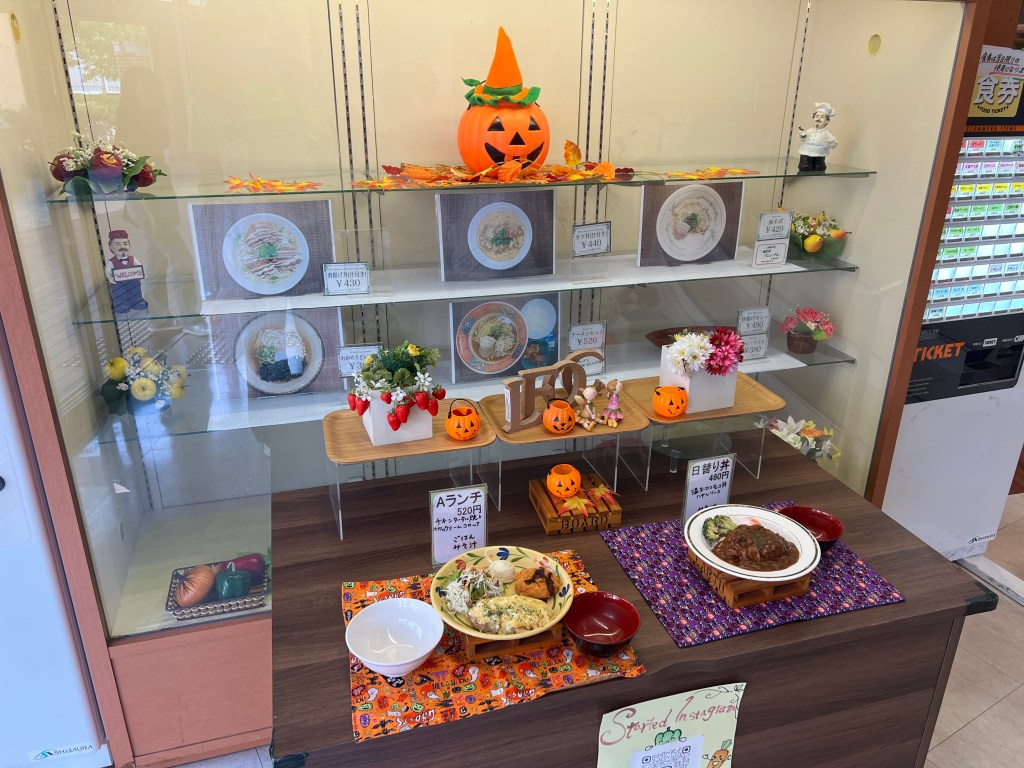
Both campuses are beautiful. Low rise brick buildings, modern interiors, luscious greenery and plenty of study spaces. My favourite place is the rooftop garden which overlooks the town. The on-campus cafeterias are THE BEST and SO CHEAP (≈ $5AUD for a meal set + Happy Monday lunches for $2!).
The dorms are amazing. Clean, modern, private and thoughtfully designed. Everyone has their own (small) bedroom which includes; single bed, closet, study desk, mini fridge, window, drying rack. Each unit shares a bathroom, kitchen and lounge area. My bathroom has four showers, five toilets and a row of sinks (similar to a mall restroom), and the space gets professionally cleaned every weekday! The kitchen is well equipped with appliances and dishware. Depending on your unit you may be lucky to have more supplies left over from previous residents.
My unit’s lounge is often busy with people studying, chatting or chilling. I’m really grateful for my roommates and to have this welcoming atmosphere. There are other units, however, that have different dynamics (i.e. less friendly + don’t use the lounge space), so it’s really up to luck. But it’s never a bad idea to make the first move!

AUS → JAPAN transition
As mentioned, KGU has a huge intake of international students and are well-prepared to ensure you have a smooth transition. During pre-departure, they were always extremely communicative and helpful. The fact that they had an airport pickup service really set the tone for how accommodating the uni is. We had a week worth of orientation activities which covered basic topics like uni rules, public regulations and general housekeeping. It was nice to see all these new people, all at once. I was grateful that the uni had arranged for different local SIM providers to pitch their products to us, so we didn’t even have to leave campus to get a SIM. Throughout the semester they also organise a few field trips and events.
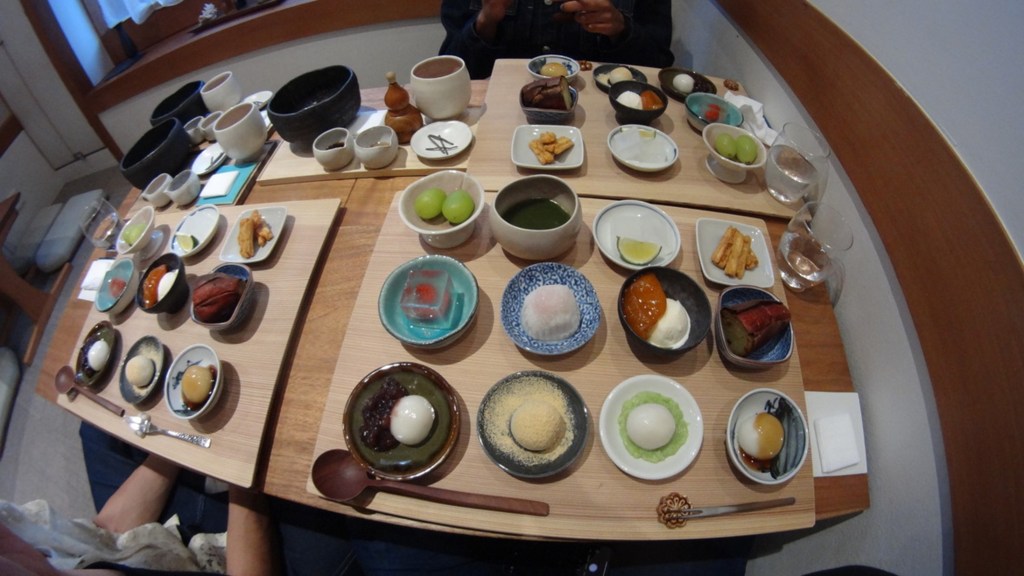
I’ve found Japan (Osaka) itself to be very liveable. The language barrier hasn’t been as much of a problem as I’d expected and the cities are well equipped with English signs. Everything is cheaper than Sydney. Food is great (but I miss Aussie fruit and veg). I also miss Sydney’s blue beaches and blue sky (it took my Aussie friend and I a three hour train ride to reunite with the beach). Google maps will be your best friend!
General tips:
- Get to know the public transport ASAP
- Open your heart/mind to different people and experiences
- GET A HEAD START ON LEARNING THE LOCAL LANGUAGE, even if it’s just online (this has made my Japanese class soooo much less stressful and more enjoyable)
- Reflect on what you want out of the exchange experience (because I’ve fallen into the trap of doing things because other people are doing them)
- Release all expectations and don’t be too hard on yourself when things don’t turn out the way you thought… REJECTION IS REDIRECTION!

Final tips
- If you have a full licence, I recommend getting an international licence. You have to get this before you leave (in Aus). Some parts of Japan are best explored with a car and not having one has prevented myself and others from accessing some amazing places. In saying that, Japan’s public transport around the city areas is notoriously great, so there’s still plenty to see and do.
- New Colombo Plan grant!!! – GO TO ASIA
- Let yourself experience all the emotions. There’s been good and bad days here in Japan, but you can’t have one without the other. If you’re feeling down, just know that those feelings will pass and if you’re feeling great, enjoy the moment while it lasts. Some quotes that keep me going:
- “When in Japan [fill in the blank]” : (what can I do that’s unique to this place?)
- “If it’s not a hell yes, then it’s a no” : It’s easy to get swayed into doing stuff you wouldn’t usually do, so stay open to new experiences but also know your boundaries.
You can find more of my field notes @utsthinkglobal Instagram. Please let us know what you’d like to know more about and I’d be happy to share 🙂
Wishing you all the best,
Maya
Maya Bienstock
Bachelor of Communication (Media Arts & Writing) Bachelor of Creative Intelligence and Innovation
Kansai Gadai University, Japan
New Colombo Plan Mobility Grant Recipient / Think Global Ambassador
For more information about the UTS Global Exchange program please visit: www.uts.edu.au/thinkglobal

 UTS Think Global