Upskill Bali Short Course: Sport & Environment
In July 2024, I had the privilege of participating in the UpSkill Bali Sport and Environment Short Course, a four-week intensive program in Bali, Indonesia. This unique opportunity allowed me to explore the relationship between sports and environmental sustainability while immersing myself in Balinese culture. As a university student aspiring to become a physiotherapist, this experience was invaluable in shaping my understanding of sustainability and the importance of holistic approaches in both health and environmental contexts.

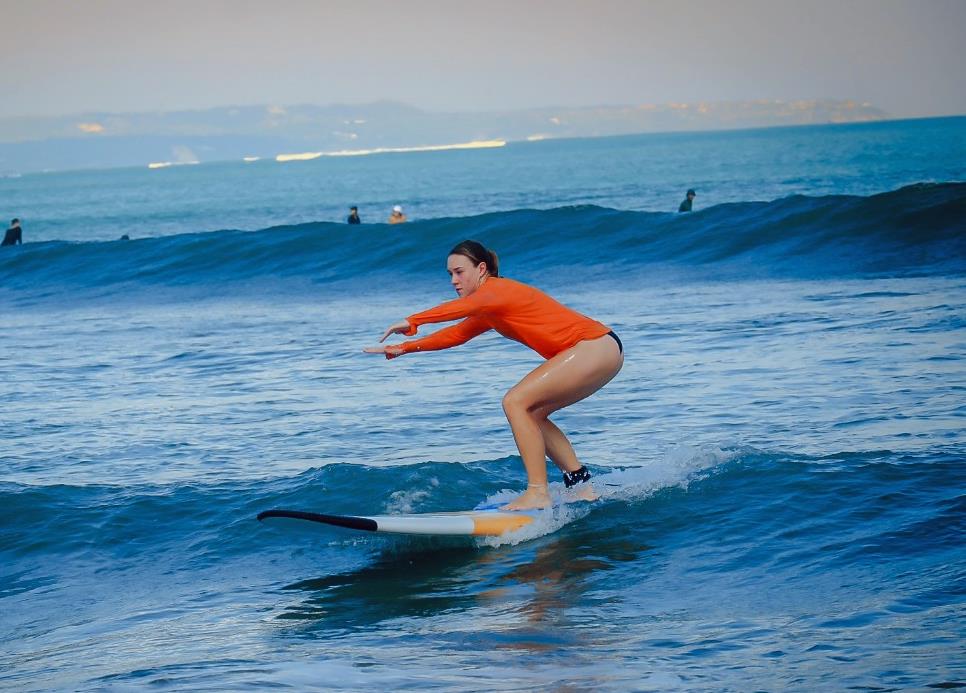
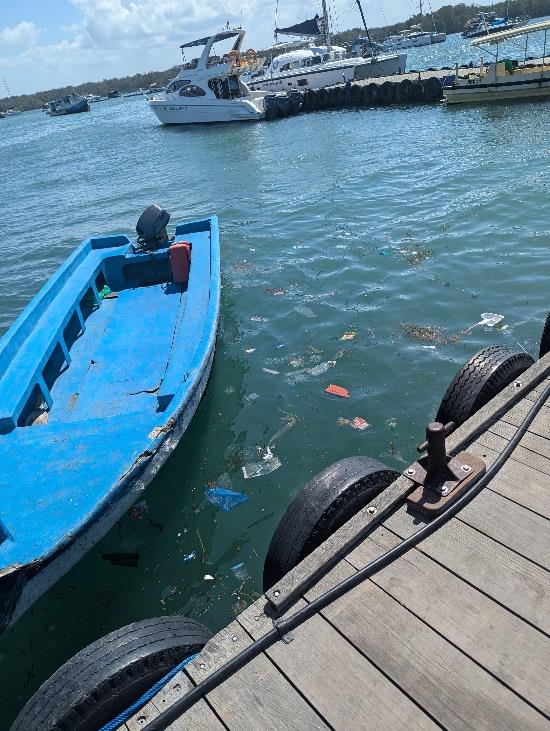
One of the most impactful moments of the program was my participation in a scuba diving expedition with the Biorock Indonesia team in Pemuteran. This hands-on experience gave me a stark look at the damage caused to coral reefs by pollution, unsustainable tourism, and climate change. I witnessed firsthand the fragility of marine ecosystems, with bleached coral and floating debris underscoring the urgency for environmental action. This experience deepened my understanding of how environmental degradation directly affects human health and well-being, especially in sports like diving, surfing, and snorkelling, which depend on clean, healthy oceans.
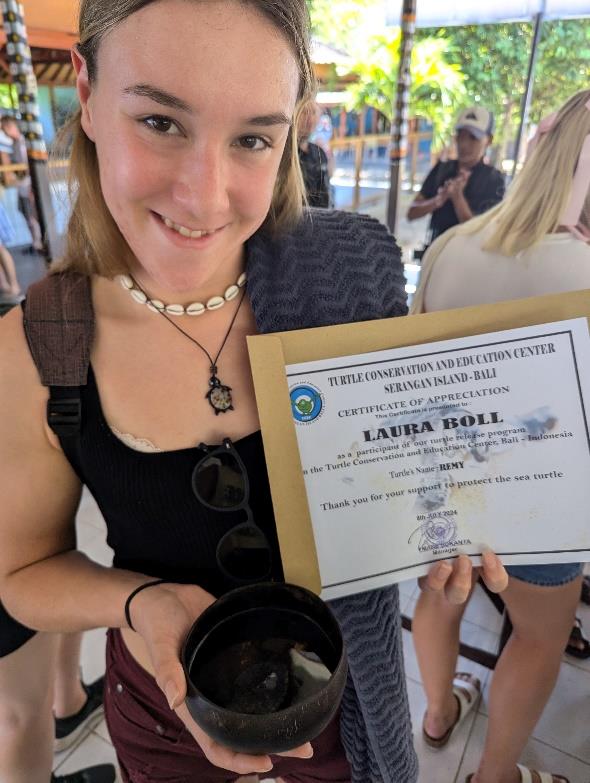
The program also introduced me to sustainable sports practices through various workshops on coral, mangrove, and turtle conservation. These activities highlighted the importance of integrating environmental stewardship into sports and tourism industries. Learning about coral preservation through innovative techniques like Biorock installations opened my eyes to the possibilities for promoting sustainability in fields beyond environmental science—something that will resonate in my future career as a physiotherapist, where I hope to advocate for holistic, sustainable practices in sports rehabilitation.
Cultural immersion played an essential role in my learning journey. Engaging with Balinese locals allowed me to appreciate their collective “we” mentality, contrasting with the individualistic approach common in Western cultures. I found that the respect for community, hierarchy, and tradition in Bali aligns well with the values I hold as an aspiring physiotherapist—where patient care often requires collaboration, respect, and understanding. The Balinese philosophy of Tri Hita Karana, which emphasizes harmony between people, nature, and the divine, inspired me to reflect on how balance and mindfulness can enhance health and well-being, both physically and mentally.

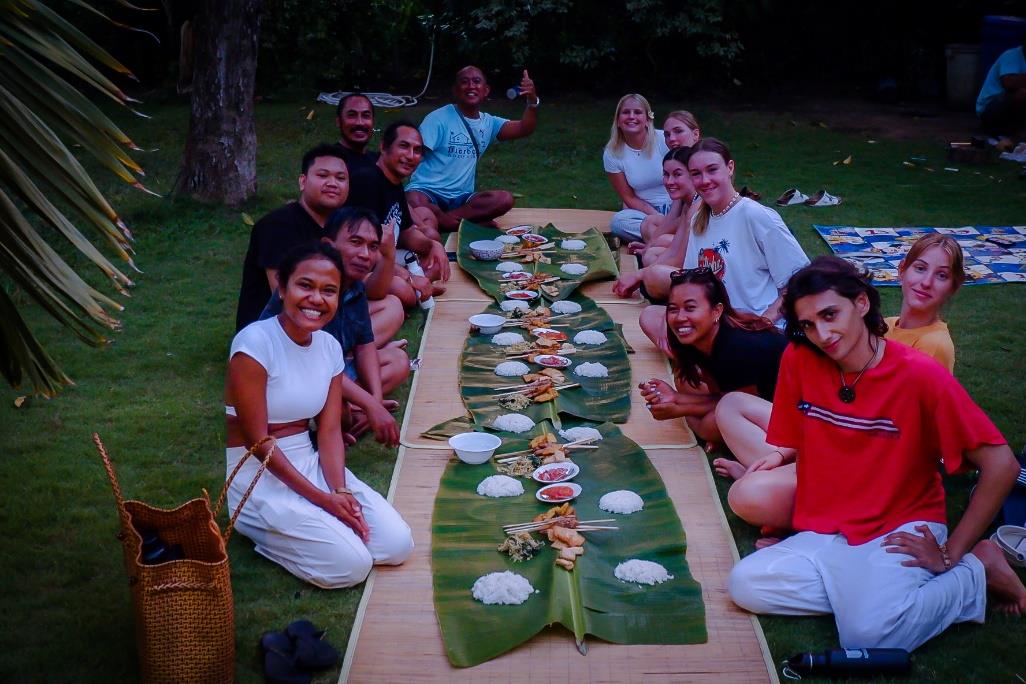
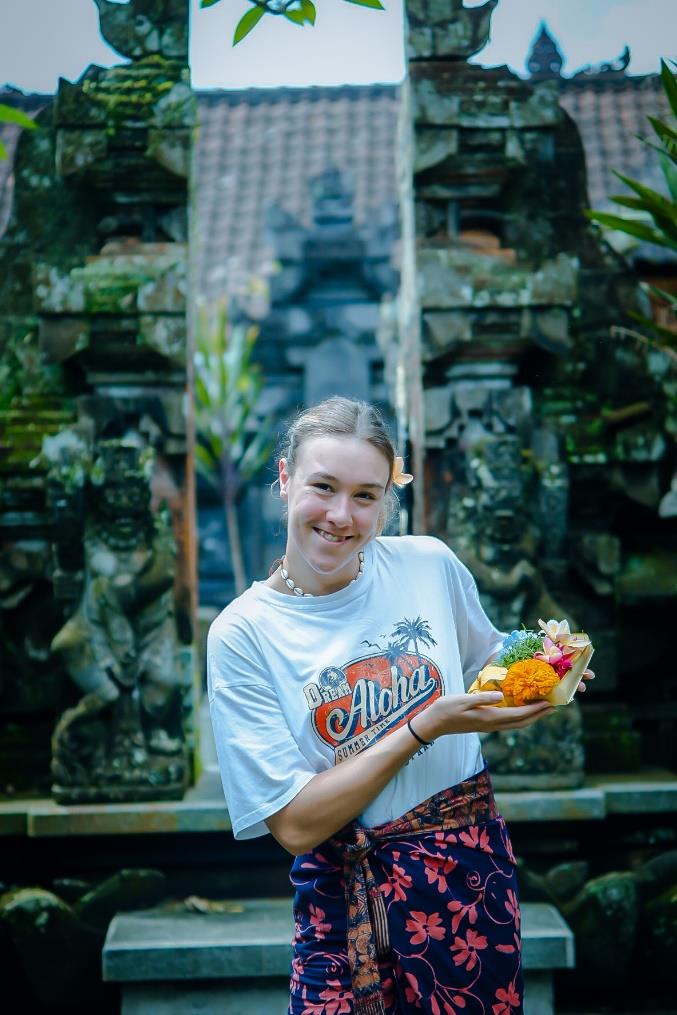

Surprisingly, I found that many of my initial concerns around navigating cultural differences, such as religious customs or market interactions, were alleviated by simply being open and respectful. I had anticipated difficulty adapting, but asking questions and engaging with the locals fostered a welcoming environment that facilitated learning. This experience further reinforced the importance of communication and cultural sensitivity—skills that are vital for patient interaction in physiotherapy, especially in diverse communities.


Overall, the UpSkill Bali Short Course was a transformative experience that expanded my understanding of sustainability, cultural awareness, and adaptability. It not only enhanced my professional development but also inspired me to apply these lessons to my future workplaces in healthcare, where I can contribute to promoting well-being in both individuals and the environment.
Laura Boll
Bachelor of Sport and Exercise Management
Universitas Udayana, Indonesia
New Colombo Plan Mobility Grant
For more information about the UTS Global Short Program visit: www.uts.edu.au/thinkglobal
Categories

 UTS Think Global