
Say ‘Konnichiwa’ to Kumamoto
I am currently studying abroad at Kumamoto University in Japan as part of the STEP program. As part of this program, I am taking a range of classes, including Japanese language classes and English-taught classes in subjects like politics, environment, and science.
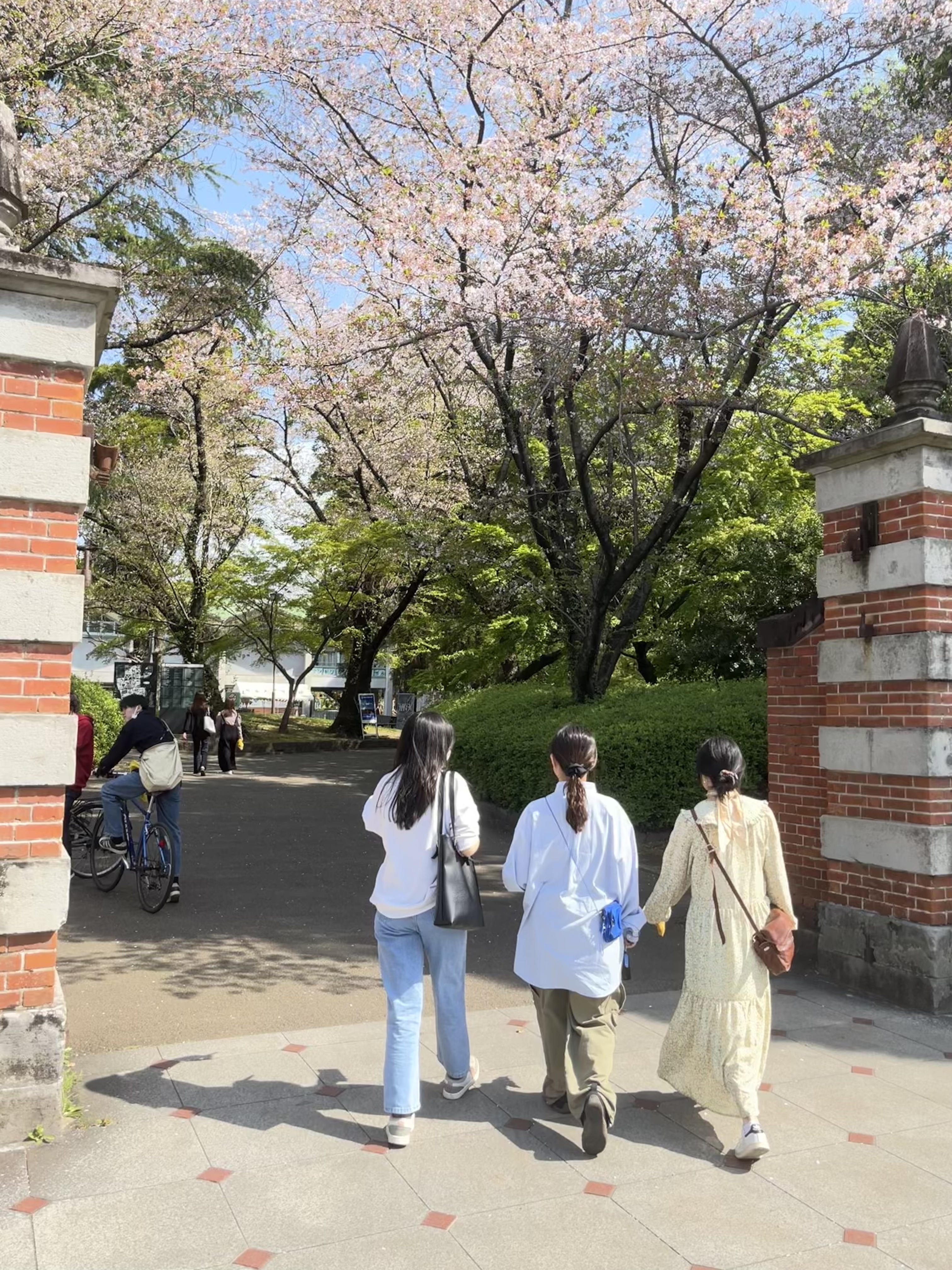
The teaching styles for each type of class are different. English-taught classes are similar to lectures at my home university, but the Japanese language classes are structured differently, with separate classes for reading, grammar, and speaking. This approach to language learning is providing me with a unique experience.
In addition to the language classes, I am also taking classes in politics and historical/anthropological studies. These classes are giving me a better understanding of Japan and helping me develop skills that will be useful in my future career in environmental and urban policy.
One of the things that stands out to me about my time at Kumamoto University is the kindness and openness of everyone I have met. Even when I am out in the city, people are patient and willing to speak to me in Japanese instead of switching to English. This creates a supportive learning environment that helps me improve my language skills.
Living in Kumamoto has also been a unique cultural experience. I am adopting the custom of saying “いただきます” before every meal, and I am still getting used to the differences in grocery stores, which tend to focus more on food items than household products. Although the climate in Kumamoto is similar to Australia, the city is surrounded by beautiful mountains and lies in a flat valley, making it easy to get around by bike. The bus system is reliable and almost always on time, which is convenient for traveling around the city.

One thing that I would advise future exchange students to keep in mind is the potential language barrier. While many Japanese people do speak English like employees at convenience store chains, it’s not always the case, especially in more rural areas. Learning some basic Japanese before arriving can be a great help, and it can also show the locals that you are trying to integrate into the local culture.
During my pre-study holiday in Japan, I took the opportunity to explore the country’s unique culture and traditions. One of my most memorable experiences was visiting Kobe, a national centre of sake making. During my visit to the last sake brewery of the day, I had the chance to taste some sake and learn about the brewing process.
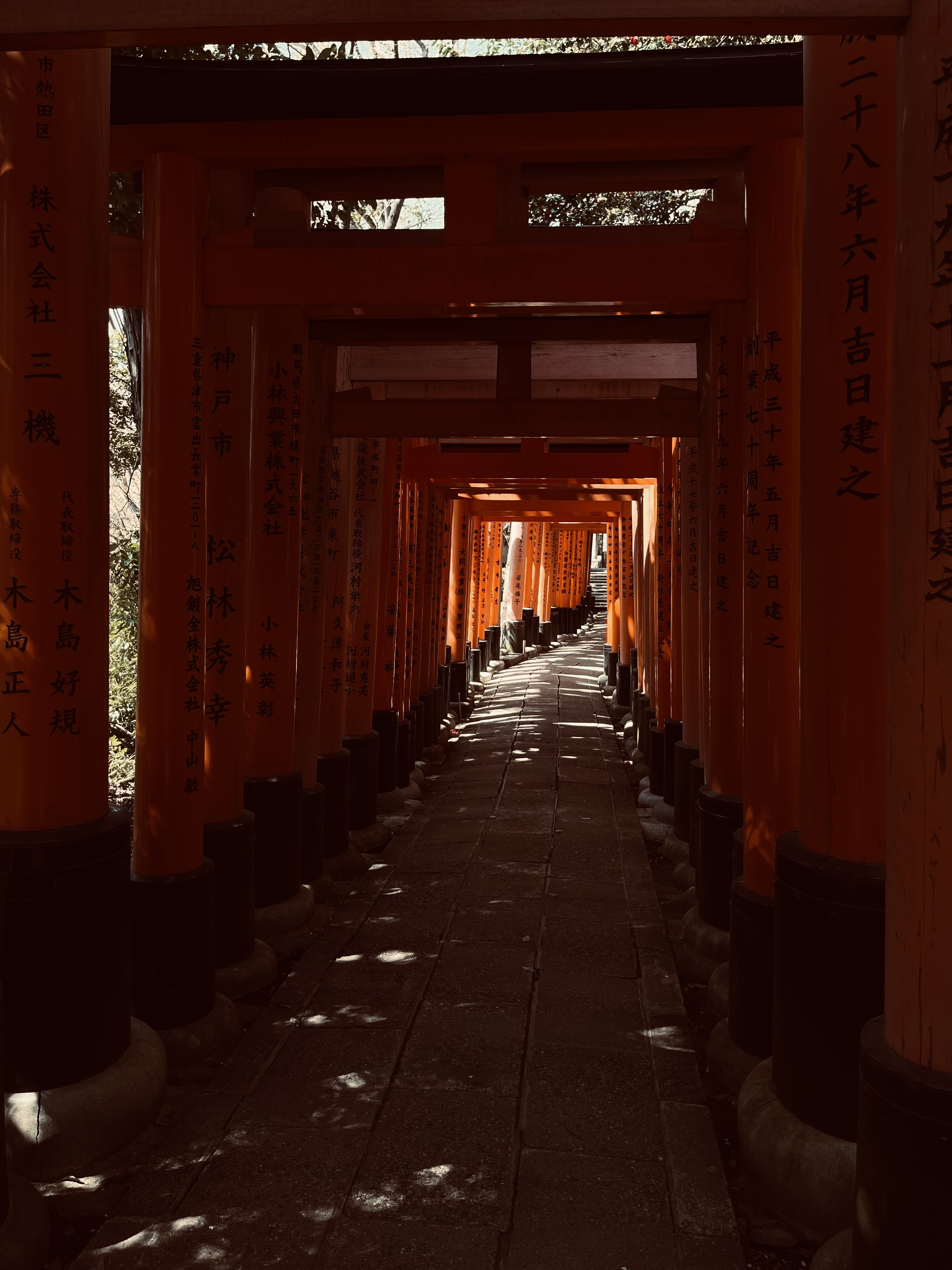
As I started tasting, I was asked some questions in English by the staff. However, I responded in Japanese, surprising both the other visitors and the staff. I explained that I was a foreign exchange student studying in Japan, and we ended up having a short conversation in Japanese about my future experience living in Kumamoto.
Despite not always understanding every word spoken, the interaction was certainly fun and interesting. I even had the opportunity to speak with the head brewer about the history of the brewery, which never would have happened if I hadn’t taken the time to learn Japanese.
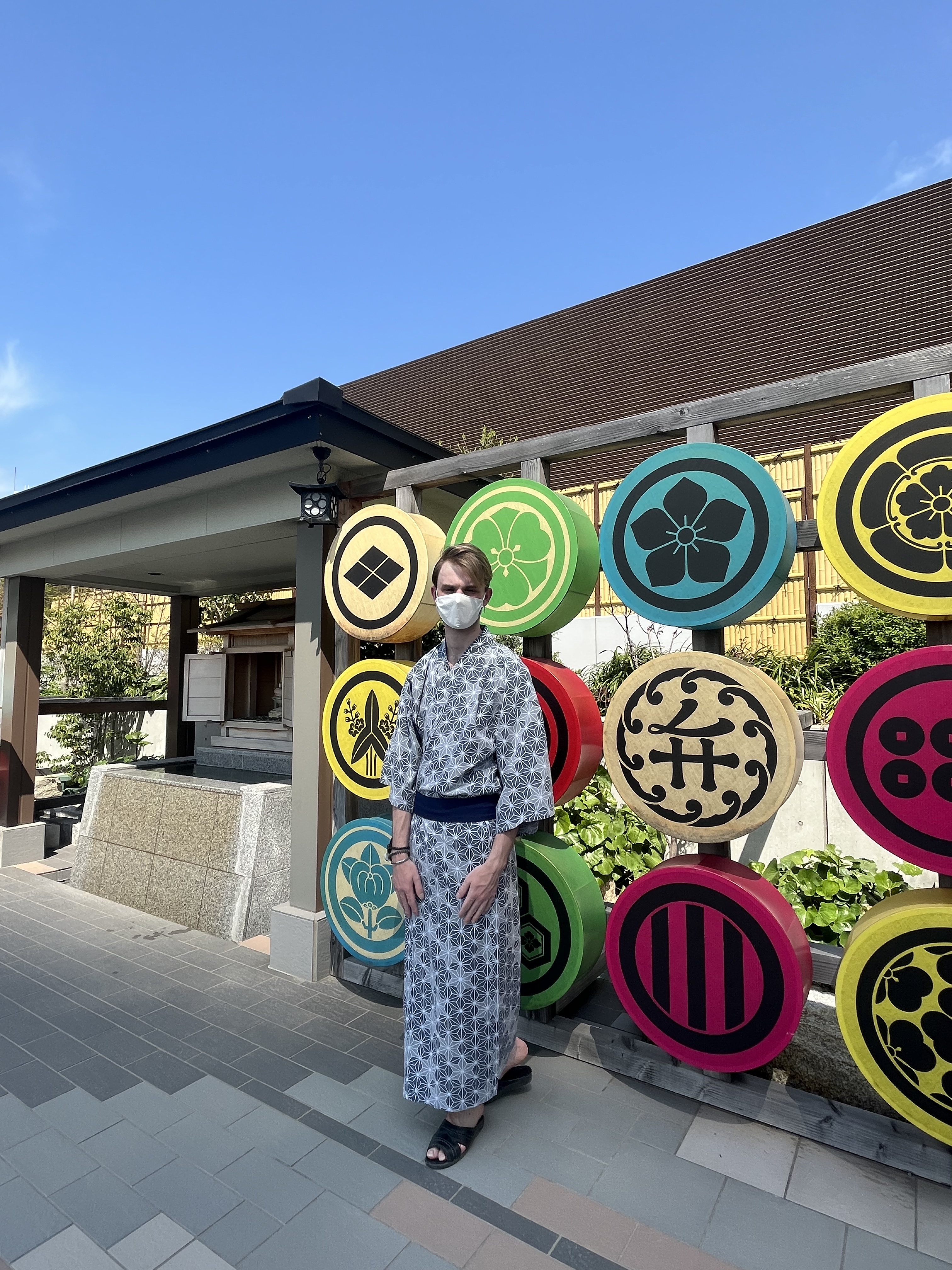
Overall, studying abroad in Japan at Kumamoto University is providing me with an invaluable experience. From the supportive learning environment to the unique cultural experiences, I am gaining a wealth of knowledge and skills that will benefit me for years to come.
For future exchange students I highly recommend being open-minded and adaptable; Studying abroad in a country-like area in Japan will likely be very different from what you’re used to. Be willing to try new things, embrace new customs, and be patient with yourself as you adjust to your new surroundings.
Michael Clayden
Bachelor of Science, Bachelor of International Studies
Autumn 2023 session at Kumamoto University, Japan
Categories

 UTS Think Global