
Summer at Sophia University: Small campus in the big city of Tokyo
When I found out there was a chance to study at Sophia University through UTS, I jumped at the chance and signed up as soon as possible. Being in the last semester of my communications degree and studying Japanese throughout COVID-19, the idea of being able to travel while still a student was like a far-off dream that somehow eventually saw the light of day. The trip itself, however, wasn’t as simple as I assumed it would be, and with many struggles along the way, resulting in my self-confidence developing alongside my language skills.
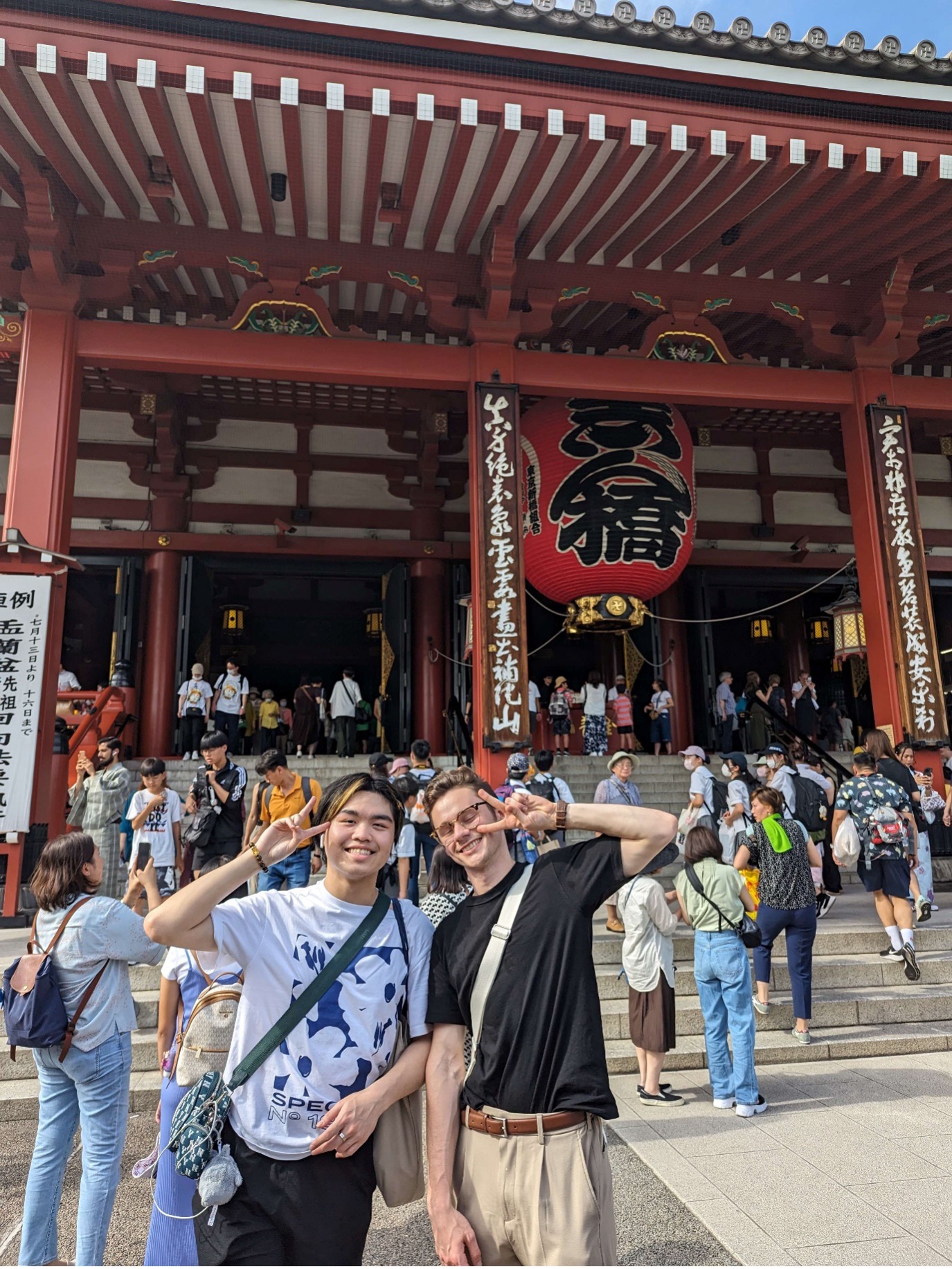
Tokyo is hugely different from Sydney. Being the largest city in the world, there’s an endless number of places to go and activities to find. Being relatively cheap, you can do and eat a lot without even thinking. On the one hand, it’s truly amazing to see, but the city does overwhelm you with the sheer number of people, all so confident about a culture you’ve experienced nearly nothing about.
Before I left, I had yet to learn what to expect from universities in Japan. I had always assumed the idea of a university was global, and the only real variation would be that everyone spoke Japanese. Shockingly, there was more variation than just the language.
Sophia University felt like a high school. With a student body of only around 12,000 (compared to UTS’s 44,000), the campus was small with blocky white buildings and each period was marked with a chime that rang throughout the entire university. Most people came for their classes, hung out in the cafeterias in between, and left as soon as their day was over. There wasn’t the same kind of on-campus life at all.
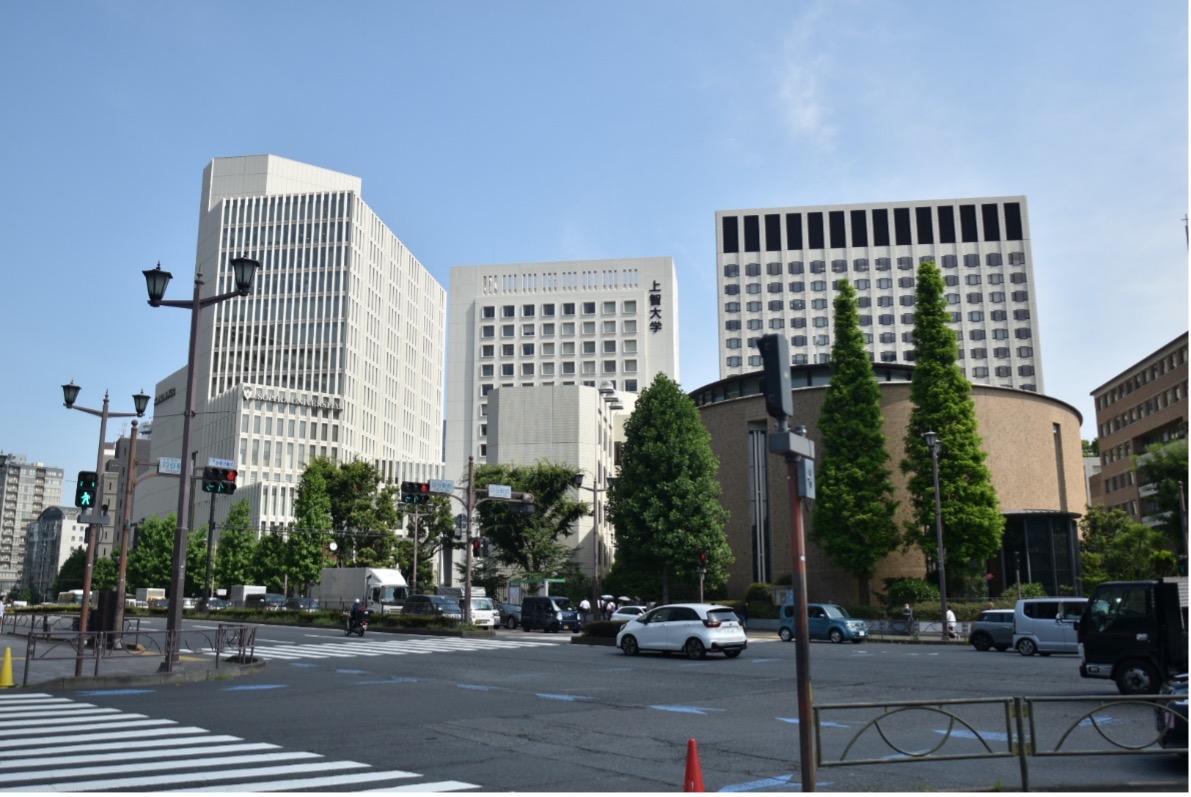
My classes started at 9am and went all the way till 3pm, it was like a blast from the past, coming into class every day, sitting at my desk, and seeing the same faces five times a week felt nostalgic. But it was a real challenge to adapt to the high school mindset while learning a language and taking in a new culture. Japan, especially Tokyo, has so much to experience that it would be a waste not to go out and find what’s on offer. Before I got used to the new schedule, there were many nights with no sleep.
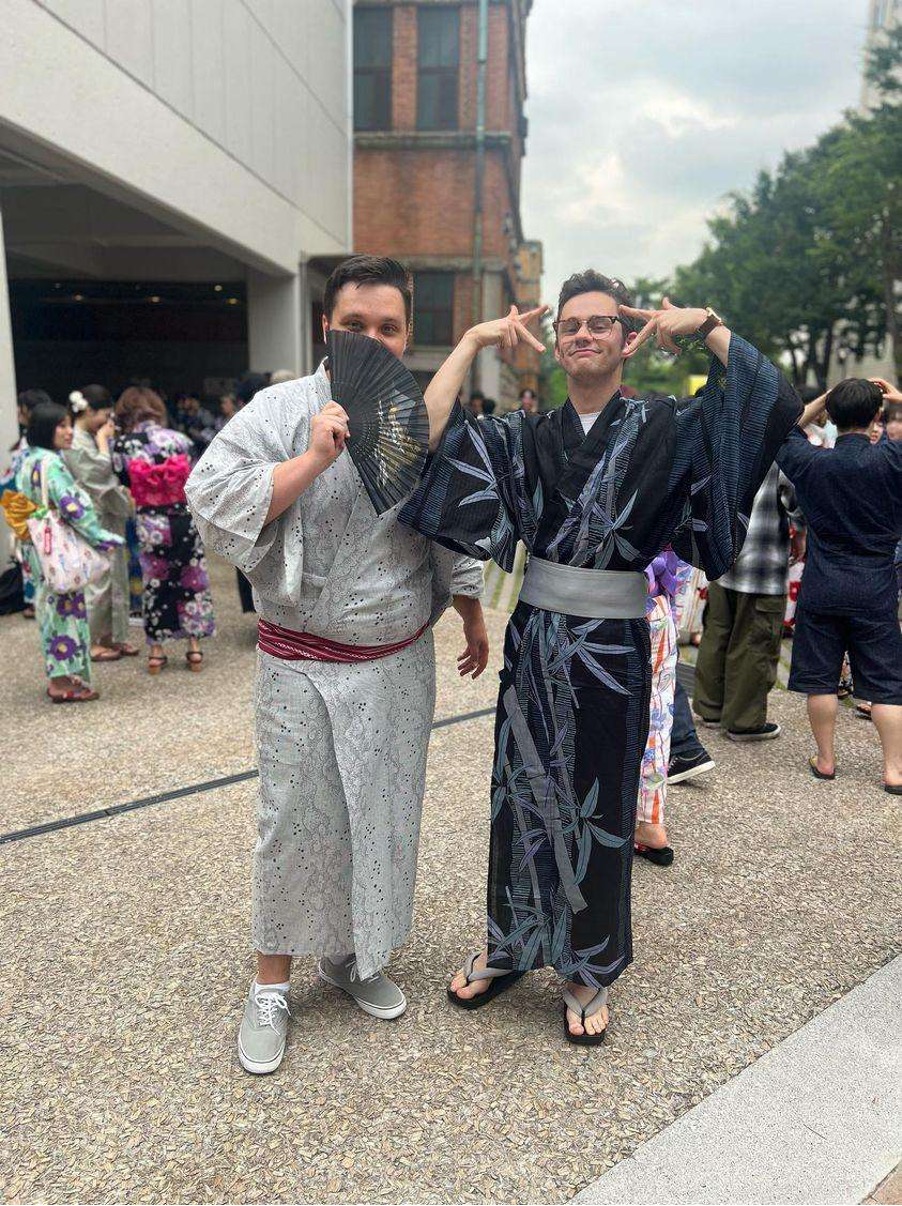
This didn’t last too long. Once around a week of classes had passed, discipline kicked in, and I found myself less stressed with more time to relax and the confidence to branch out, talk with more classmates and participate in more events. A highlight was Sophia’s annual Yukata Day, which we were lucky to come in time for. All students are encouraged to wear traditional Japanese summer clothes called yukatas.
Towards the end of the program, I was even confident enough to reach out and speak to more local students. One I had known for a long time took a group of us to visit her hometown of Nikko, up north in Tochigi prefecture. Nikko was very different from anything in Tokyo.
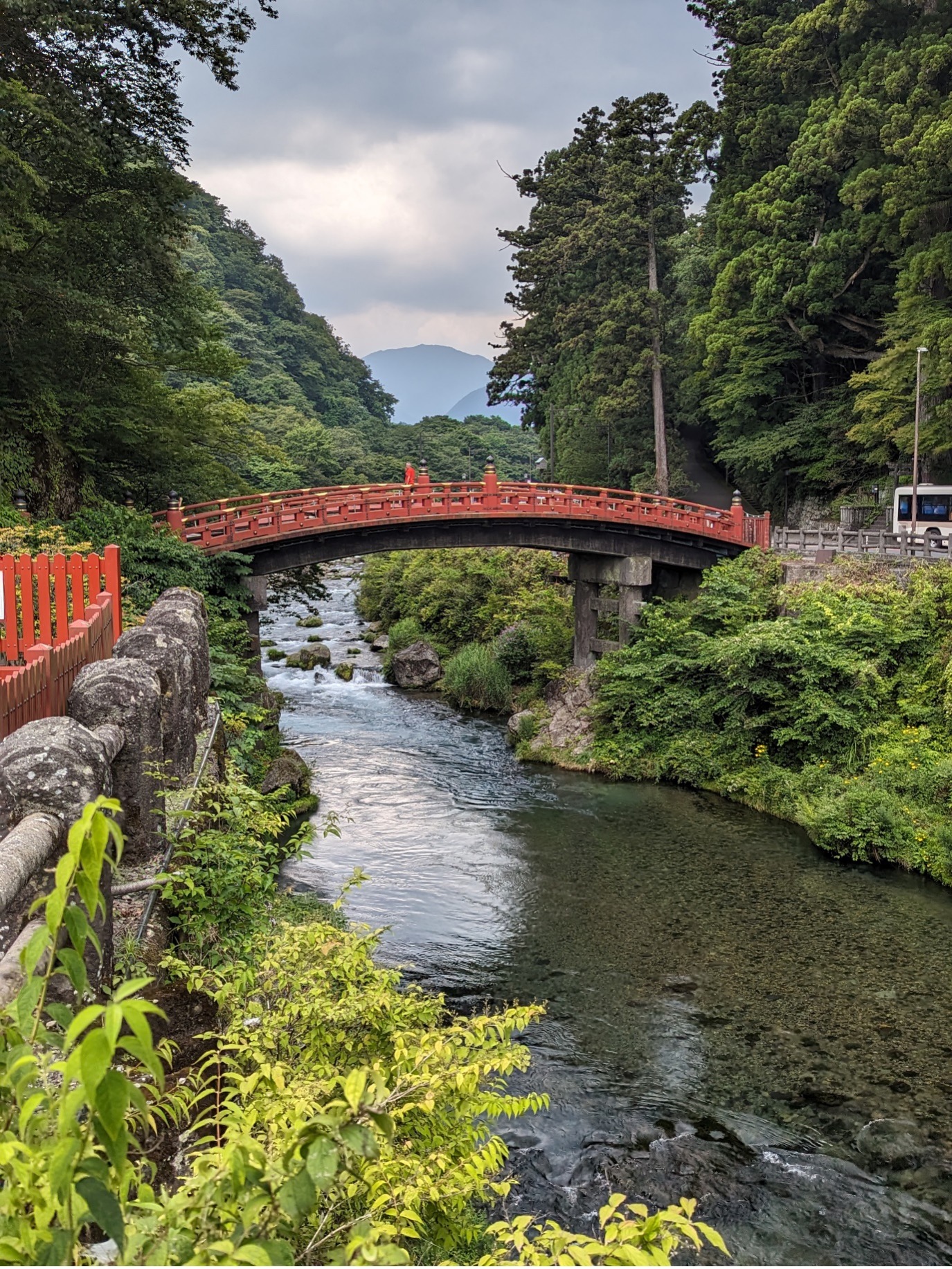
As a world heritage-listed site, Nikko had a distinctly historic feel with barely any development and picturesque landscapes and buildings tucked behind giant trees like the skyscrapers in Shinjuku. After a few weeks in Tokyo, the change in atmosphere was welcome and helped put into perspective the busy life at Sophia, and the hustle ‘n’ bustle of the city wasn’t all I came for. Places off the beaten track allow you to breathe.
Rufus Dadd-Daigle
Faculty of Arts and Social Sciences
Summer Session in Japanese Language at Sophia University, Japan
New Colombo Plan Mobility Grant recipient
Categories

 UTS Think Global