
The incredible six weeks in Auroville
The Auroville Global studio was an incredible and memorable experience that I will never forget. Six weeks in an eco-village in the south of India was a unique opportunity to immerse myself in a new culture.
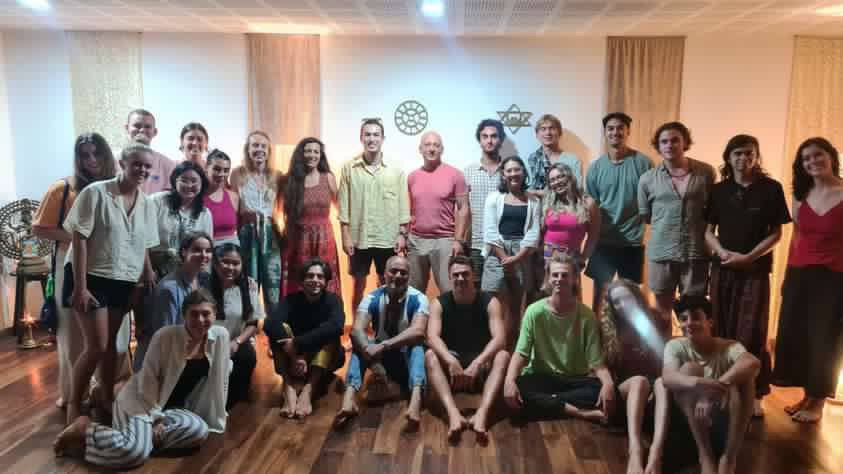
We spent time speaking with Aurovillians about the lifestyle and the inner workings of the complex system that is the ‘city’ of Auroville. We visited co-opts, local farms, small business owners and even had the opportunity to hear about Aireville’s history from its original founders and pioneers.
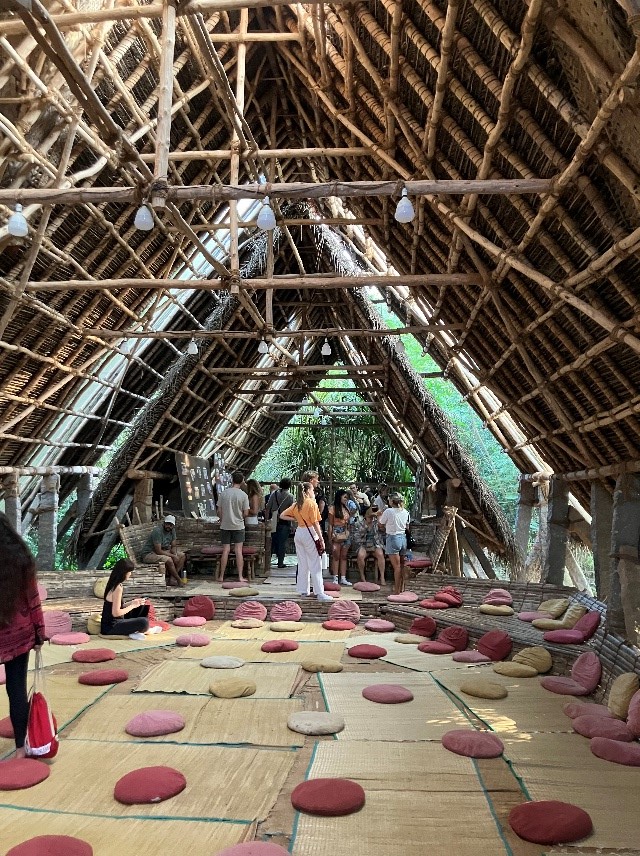
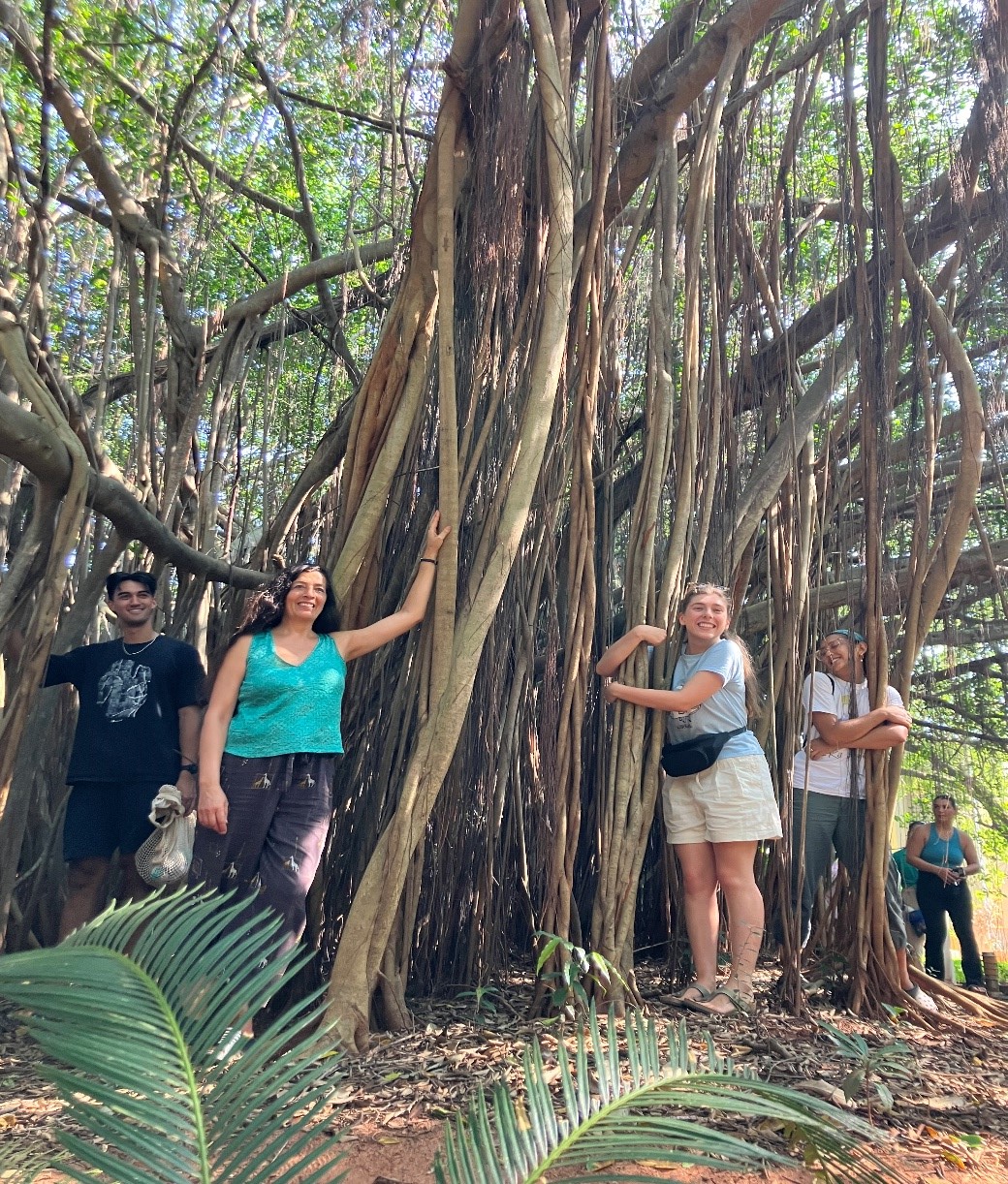
We visited Sadnah forest, a property in Auroville that houses a congregation of people dedicated to regenerative practices and re forestation. They operate on a zero-waste model that allows them to live sustainably while ensuring that the forest is restored and flourishing.
We visited Krishna’s farm, a pillar of the community run by a man who left his life as an academic in the UK to dedicate himself to regenerative farming practices in Auroville. We met a man named bill who came to Auroville when it was just a dessert waste land and an ambitious dream for the idealistic. He lives in a house entirely build from recycled materials called the trash Mahal and was instrumental in the development of a process of developing an alternative cashless economy in Auroville.


We were able to take classes in yoga, pottery, Tai Chi, meditation and awareness of the body that allowed us to connect with the intuitive and unconscious knowledge systems that are often ignored in western societies.
We engaged in daily meditations and reflective practices both individually and as a group that allowed us to make sense of our experiences in this unique eco-system.
I had to opportunity to intern with a social enterprise dedicated to ensuring that access to and education on period products was available to everyone. Eco-femme was founded by an Australian and long term Aurovillian, Kathy who wanted to create a sustainable alternative to disposable pads while allowing women in rural India to have free access to their products.


They hired a team of passionate and dedicated women who travel to schools around India educating women on their options when it comes to sanitary products and as well as the basics of what periods are and what they can mean within different cultural and social contexts. I had to opportunity to engage with my skills set as a journalism student by interviewing these women and helping to tell their story. I was even able to visit their factories and speak to some of the women who have been given employment opportunities through eco-femme that has helped give them financial autonomy as well as flexibility around family responsibilities.
roux, Emilia Leonora
Global Short Program Student (Faculty-Led)
New Colombo Plan Mobility Grant Recipient
Categories

 UTS Think Global